


-
INDUSTRIES
-

Precast Concrete Plant
-

Steel Industry
-
Paper Industry
-
Waste to Energy and Biomass Industry
-

Power Industry
-

Overhead Cranes for Automotive Production: Smart Solutions for Enhanced Efficiency
-

Port Machines Industry
-

Manufacturing Industry
-
Different Types of Container Cranes, Shipyard Cranes, Cargo Cranes Used in Port, Harbor and Quay
-
Overhead Cranes for Timber Lifting: Efficient and Safe Wood Handling
-

Overhead Cranes for the Aviation Industry: Streamlining Aircraft Assembly, Maintenance, and Repair
-

Overhead Cranes for Food and Beverages: Ideal for improving productivity and food safety
-
Overhead Cranes for Aerospace Industry: Key Role in Efficient Rocket Manufacturing and Launch
-
-
EQUIPMENT
-
Overhead Cranes
-
Single Girder Overhead Crane
-
Double Girder Overhead Crane
-
FEM Standard Overhead Cranes
-
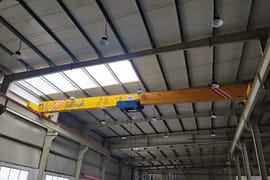
Low Headroom Overhead Cranes
-
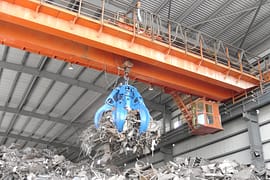
Grab Bucket Overhead Crane
-

Electromagnetic Overhead Cranes with Lifting Magnet
-
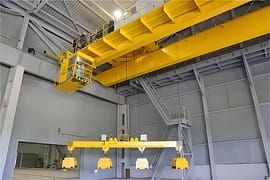
Electromagnetic Overhead Cranes with Magnet Beam
-
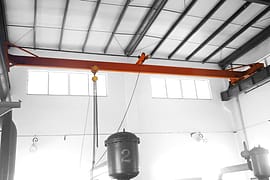
Manual Overhead Cranes
-
Double Trolley Overhead Cranes
-
LDP Single Girder Overhead Cranes
-
- Eot Cranes
- Gantry Cranes
- Jib Cranes
-
Hoist & Winch Trolley
-
Electric Wire Rope Hoists
-
FEM Standard Wire Rope Electric Hoists
-
FEM Standard Electric Chain Hoists
-
Crane Trolley
-
Chain Hoists
-
Electric Winch
-
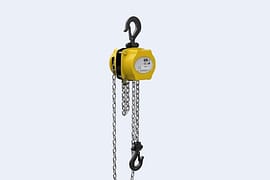
Manual Chain Hoists
-
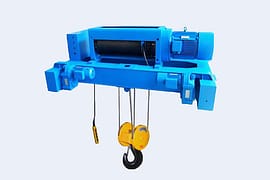
Double Girder Trolley Electric Hoists
-
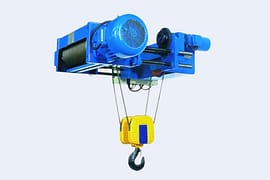
Low Headroom Wire Rope Electric Hoist
-
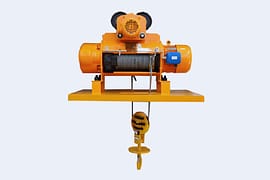
Electric Hoist for Molten Metal
-
Pneumatic (Air) Chain Hoists
-
Lever Hoists
-
Electric Hoists
-
- Workstation Cranes
- Portable Gantry Cranes
- Explosion Proof Cranes & Hoists
- Special Cranes
- Port Cranes
- Electric Transfer Carts
-
Overhead Cranes
-
CRANE PARTS
- Crane Wheel Assembly
- Crane Grab Buckets
- Crane Tongs
- Crane Spreader
- Crane Drives
-
Crane Electrical Equipment
-
Overload Limiter
-
Crane Cabin
-
Crane Power Supply System
-

Explosion Proof Crane Radio Remote Controls
-

Joystick Type Crane Radio Remote Controls
-
Pushbutton Type Crane Wireless Remote Controls
-
Single-pole Insulated Conductor Rails
-
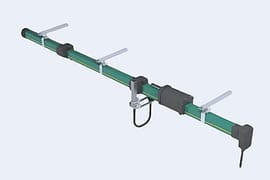
Enclosed Conductor Rails
-
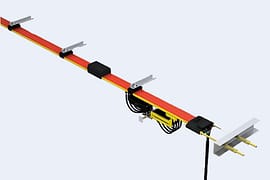
Seamless Conductor Rails
-
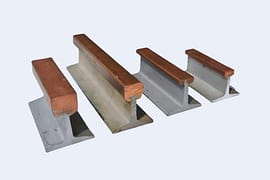
Copperhead Conductor Rails
-
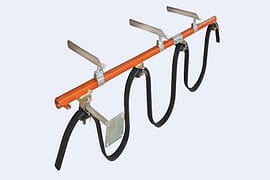
Overhead Crane Cables
-
- Other Cranes Parts
- ABOUT US
- CONTACT US




40 Pieces of Custom Overhead Crane Wheels Shipped to Tajikistan
 Date: 2026-11-13
Table of Contents
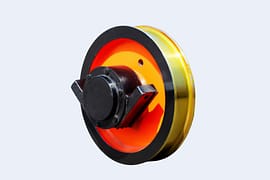
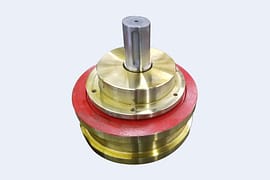
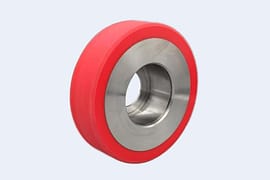
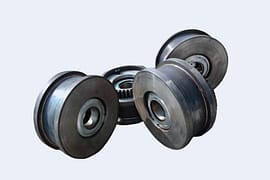
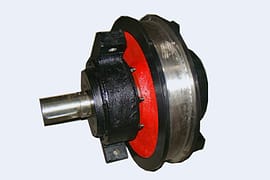
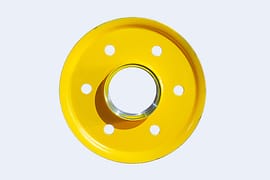
A customer in Tajikistan needed replacement wheels for an existing overhead crane. The order covered two specifications with different tread diameters, wheel widths, bore dimensions, and tread-hardness requirements, so they could not be produced from one common parameter set. We checked the drawings and critical fit dimensions for each design, controlled the material and tread hardness according to its individual requirements, and inspected dimensions, hardness, and internal quality. After surface protection and separate packing by model, all 40 pieces of overhead crane wheels were shipped to Tajikistan.
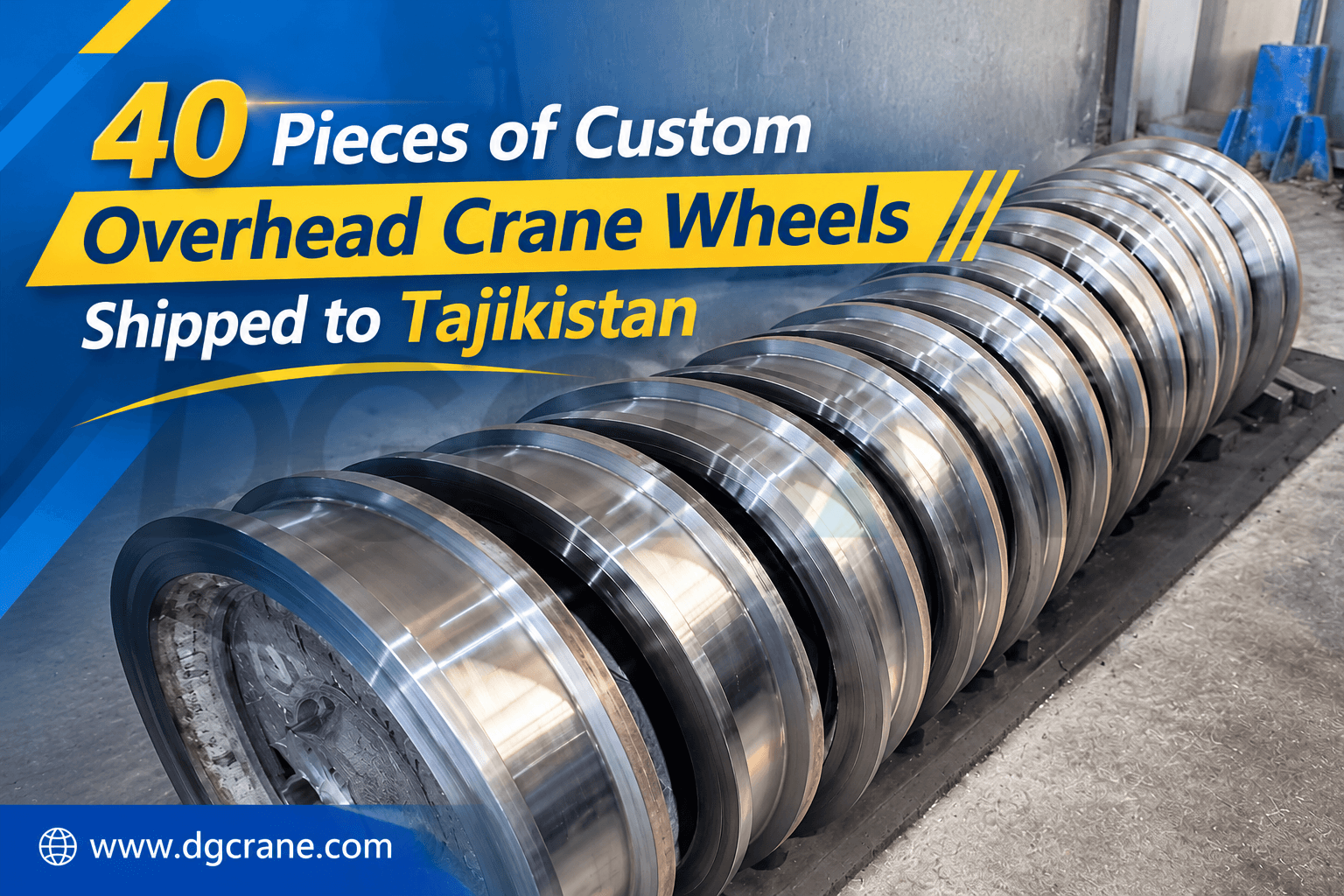
Two Overhead Crane Wheel Sizes Made to Customer Drawings
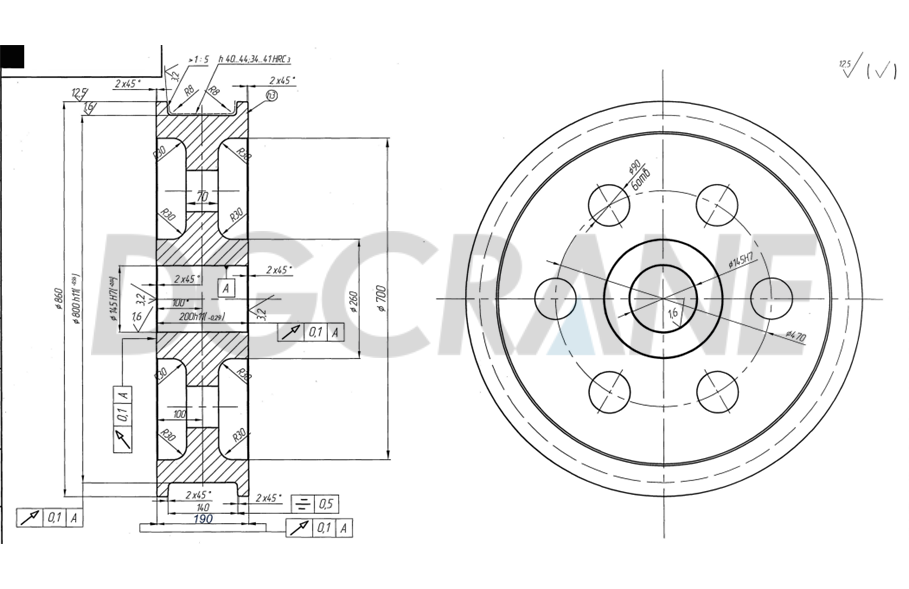
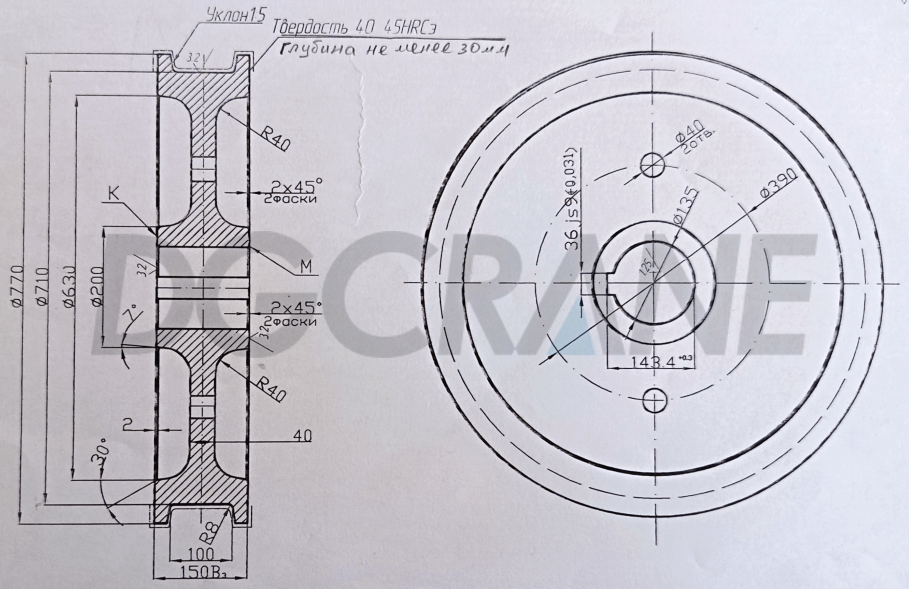
The customer needed custom replacement wheels rather than standard products. In addition to different tread diameters, the two designs had different wheel widths, bore diameters, and flange geometries, each specified on its own drawing. During production, we verified every critical location instead of selecting wheels by diameter alone, so the finished parts would match the existing running gear during installation. The main requirements were:
- Produce each wheel design to the customer’s drawings so its critical dimensions match the existing equipment.
- Meet the specified material and tread-hardness requirements for each design.
- Inspect the bores, treads, flanges, widths, and other critical dimensions.
- Check the internal quality of the large wheels.
- Protect the machined treads, flanges, and bores during long-distance transport.
| Product | Quantity | Diameter | Wheel Width | Bore Diameter | Material | Tread Hardness |
|---|---|---|---|---|---|---|
| Overhead crane wheel | 20 pcs | Φ 800 mm | 190 mm | Φ 145 mm 0/+0.040 | 65Mn | HB 300-380 |
| Overhead crane wheel | 20 pcs | Φ 710 mm | 150 mm | Φ 135 mm 0/+0.040 | 65Mn | HRC 40-45 |
Critical Dimensions Confirmed Separately for Each Overhead Crane Wheel Size
Whether a wheel can replace the original part depends on more than its tread diameter. The bore determines the fit with the existing axle, while the wheel width and flange geometry must match the current travel mechanism. We therefore confirmed the tread diameter, flange outside diameter, bore, wheel width, end-face locations, and fillet dimensions against each drawing, then used the approved drawings as the basis for production and inspection.
Both wheel designs specified a clear positive tolerance for the bore. If the bore is undersized, the customer may be unable to install the wheel properly; if it is oversized, the fit between the wheel and axle may be compromised. Confirming these dimensions before production helps reduce adjustment and rework after delivery.
65Mn Material for Both Crane Wheel Sizes
The customer initially specified 75 steel for the Ø710 mm driving wheel. With its higher carbon content, 75 steel can achieve high hardness and wear resistance after suitable heat treatment; however, its lower manganese content gives it relatively limited hardenability, so achieving a deep hardened layer in a large wheel depends more heavily on the heat-treatment process. Its higher carbon content also narrows the process window, increasing the risk of brittleness and quench cracking if heating or cooling is not tightly controlled. For wheels that require controlled tread hardness together with sufficient hardening depth and wheel-body toughness, the best material cannot be selected by comparing maximum hardness alone.
65Mn uses a lower carbon content and a higher manganese content. Manganese improves hardenability and strengthens the matrix, allowing tread hardness to extend farther into the section and helping form a more stable hardened layer. With appropriate heat treatment, 65Mn provides a balanced combination of strength, hardness, wear resistance, and toughness, making it suitable for wheels repeatedly exposed to rolling contact and localized loads.
After discussing the material characteristics and operating requirements with the customer, we selected 65Mn for both the Ø710 mm and Ø800 mm wheels. After heat treatment, the Ø800 mm wheels achieved a tread hardness of HB 300–380, while the Ø710 mm wheels achieved HRC 40–45 with a hardened depth of at least 30 mm. The customer can verify both sizes using one material certificate and avoid repeating the grade confirmation process when ordering future spares.
Dimensional Inspection for All 40 Pieces of Overhead Crane Wheels
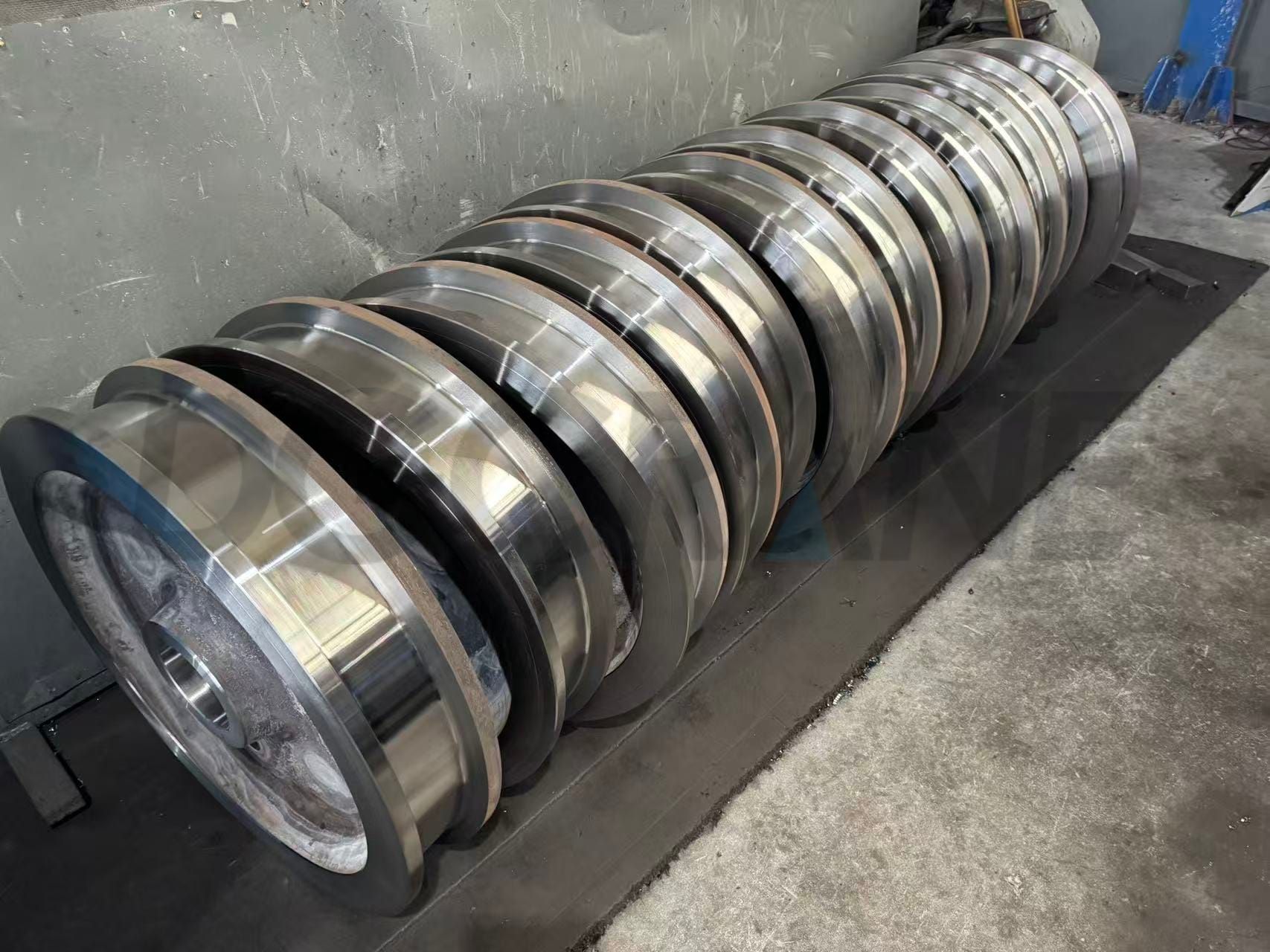
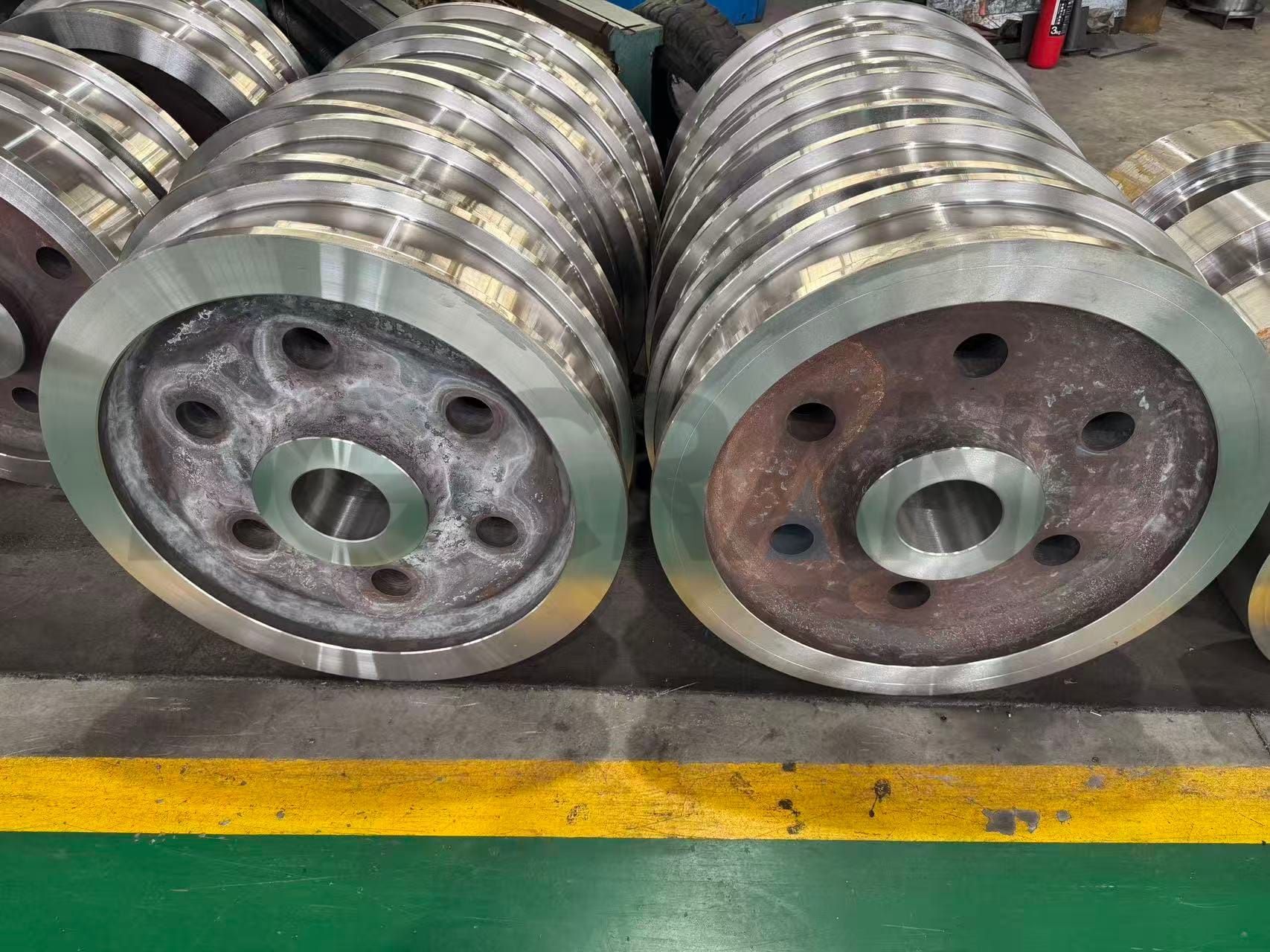
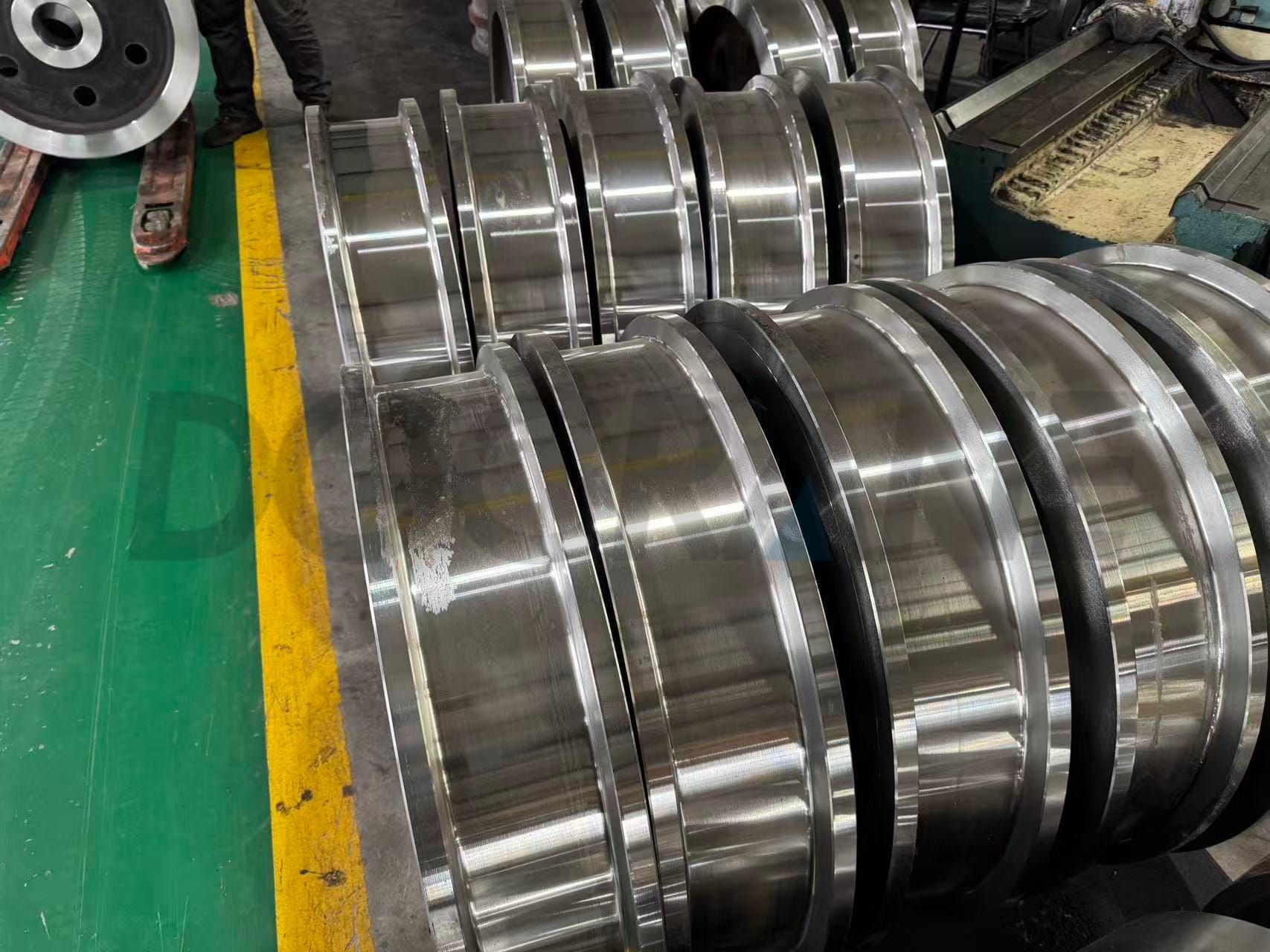
After machining, we recorded the measured results for all 40 pcs of overhead crane wheels by serial number rather than using one sample to represent the entire batch. The inspection covered:
- Tread diameter and flange outside diameter.
- Bore diameter and fit tolerance.
- Overall wheel width and related end-face dimensions.
- Visual quality of the tread, flange, and other machined surfaces.
We inspected all 20 wheels in each batch, Ø710 × 150 mm and Ø800 × 190 mm, and every dimensional and visual result passed. The customer can use the report to review the measured results for each model and confirm that all 40 wheels received critical-dimension checks. Because the bore and wheel width directly affect installation, verifying them in advance helps reduce sorting, adjustment, and rework after delivery.
UT Inspection for All 40 Pieces of Crane Wheels
Visual and dimensional inspections confirm the wheel surfaces and machined features, but they cannot directly reveal internal conditions. For these large overhead crane wheels, all 20 wheels of each specification underwent ultrasonic testing (UT).
Ultrasonic waves can penetrate thick wheel sections and detect internal cracks, inclusions, and other anomalies that are not visible to the naked eye. Even a fine crack can produce a clear reflection, making UT sensitive to these dangerous, directional defects. The test does not require cutting the wheel or damaging the finished product; the equipment is portable, scanning is fast, and the method uses sound rather than radiation, making it suitable for inspecting an entire batch during production without radiation exposure.
All 20 wheels in each specification passed UT internal inspection. The customer can confirm that every batch was tested internally and cross-check the UT report against the dimensional and hardness reports before shipment, verifying installation dimensions, tread performance, and internal quality together and reducing the risk of undetected defects entering service.
Protecting Overhead Crane Wheel Treads, Flanges, and Bores
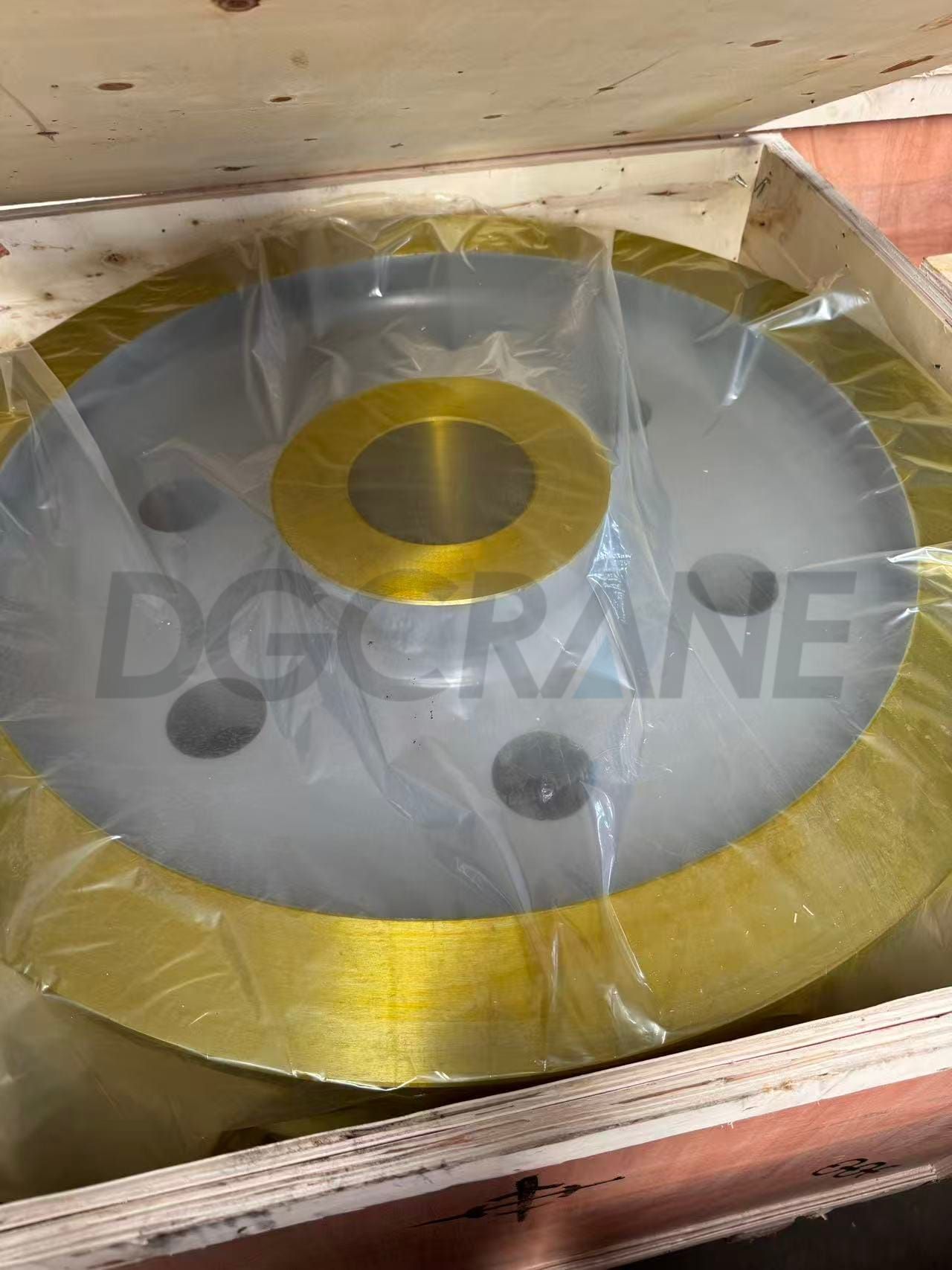
After inspection, we applied surface protection to the wheels. The protected areas included the rail-contacting treads, the flanges most vulnerable to impact, the bores that fit the axles, and the machined end faces.
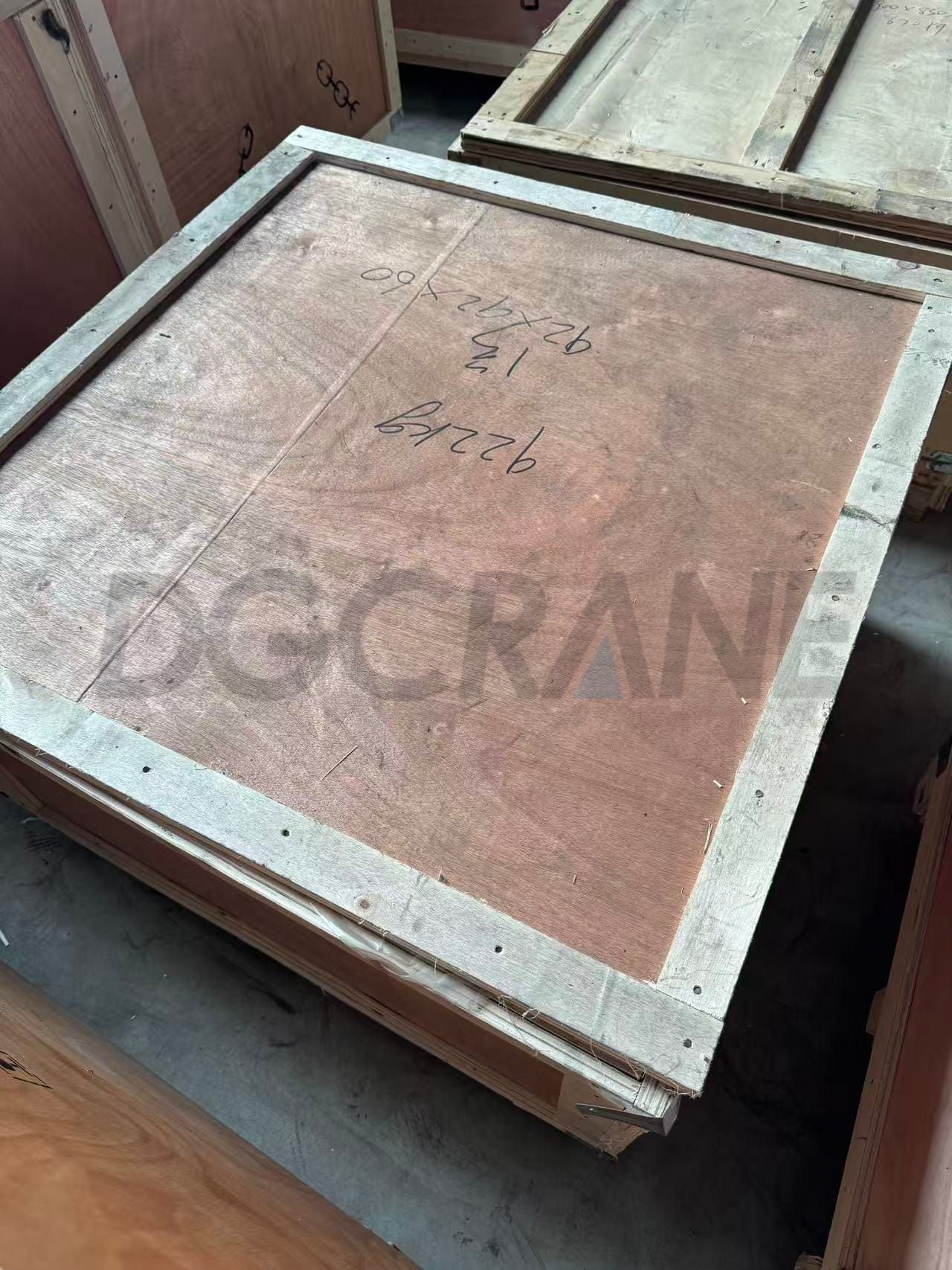
The protective coating limits direct contact with moisture and dust during storage and transport. External wrapping and wooden crates keep the wheels from shifting inside the crates, reducing the chance of impact damage to the treads, flanges, and bores. The Ø710 mm and Ø800 mm wheels were packed separately by model, with each crate marked with its dimensions and weight. On receipt, the customer can verify the wheel model and package information immediately and arrange suitable unloading equipment in advance based on the recorded weight.
Overhead Crane Wheels and Spare Parts Delivered Together
After packing, the dimensional, hardness, and UT reports for all 40 wheels in both specifications were organized with the shipment. The customer can therefore match each wheel model with its inspection results on arrival and retain the records for future spare-parts management.
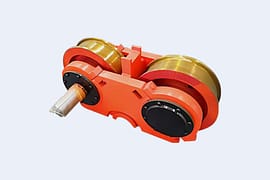
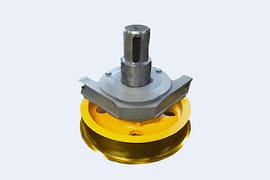
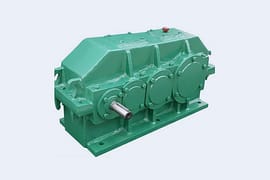
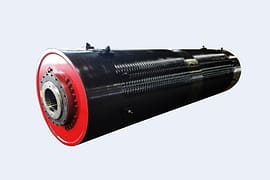
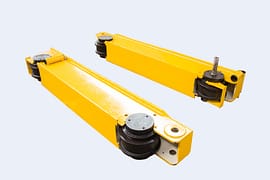
We also supplied crane spare parts, including gears and drive shafts, all of which were shipped to Tajikistan together with the wheels. In addition to manufacturing custom overhead crane wheels from customer drawings, we can supply related parts based on the equipment model, drawings, and existing component parameters, enabling consolidated purchasing and reducing the need to find separate suppliers, arrange multiple shipments, and verify accessory specifications repeatedly.
Tell Us About Your Overhead Crane Wheel Requirements
If you need replacement overhead crane wheels made to existing drawings, measurements from old parts, or an equipment model, please provide the wheel diameter, tread width, bore diameter, material, and hardness requirements to DGCRANE.
If the supplied drawings contain unclear dimensions, incomplete parameters, or inconsistencies between versions, we can help verify the critical dimensions and fit locations before production, establishing a clear basis for manufacturing and inspection.

Zora Zhao
Expert in Overhead Crane/Gantry Crane/Jib Crane/Crane Parts Solutions
With 10+ years of experience in the Crane Overseas Export Industry, helped 10,000+ customers with their pre-sales questions and concerns, if you have any related needs, please feel free to contact me!
WhatsApp: +86 189 3735 0200
Email: zorazhao@dgcrane.com
Contact Details
DGCRANE is committed to providing the professional Overhead crane products and relavent service. Exported to Over 100 Countries, 5000+ Customers Choose Us, Worth to be Trusted.
Get In Touch
Fill out your details and someone from our sales team will get back to you within 24 hours!
Subscribe to our newsletter
The latest DGCRANE price list, news, articles, and resources.
- Overhead Cranes
- Single Girder Overhead Cranes
- Double Girder Overhead Crane
- Low Headroom Overhead Cranes
- Underslung Cranes
- FEM Standard Overhead Cranes
- Grab Bucket Overhead Crane
- Manual Overhead Cranes
- LDP Single Girder Overhead Cranes with Side-Mounted Hoists: Optimal Solution for Low-Ceiling Workshops