


-
INDUSTRIES
-

Precast Concrete Plant
-

Steel Industry
-
Paper Industry
-
Waste to Energy and Biomass Industry
-
Power Industry
-

Overhead Cranes for Automotive Production: Smart Solutions for Enhanced Efficiency
-
Port Machines Industry
-

Manufacturing Industry
-
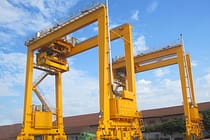
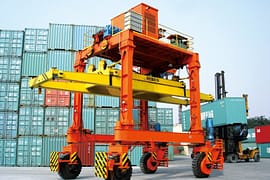
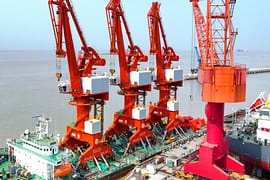
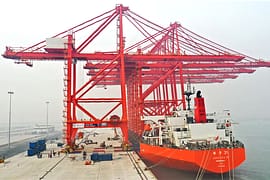
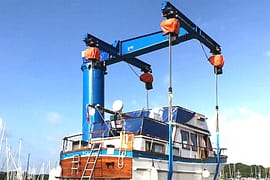
Different Types of Container Cranes, Shipyard Cranes, Cargo Cranes Used in Port, Harbor and Quay
-
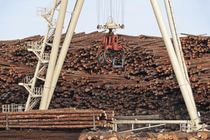
Overhead Cranes for Timber Lifting: Efficient and Safe Wood Handling
-

Overhead Cranes for the Aviation Industry: Streamlining Aircraft Assembly, Maintenance, and Repair
-

Overhead Cranes for Food and Beverages: Ideal for improving productivity and food safety
-

Overhead Cranes for Aerospace Industry: Key Role in Efficient Rocket Manufacturing and Launch
-
-
EQUIPMENT
-
Overhead Cranes
-
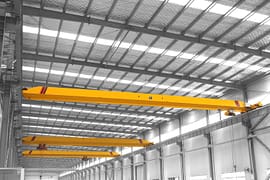
Single Girder Overhead Crane
-
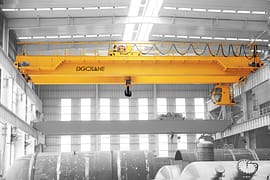
Double Girder Overhead Crane
-
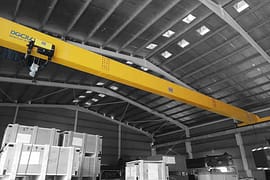
FEM Standard Overhead Cranes
-
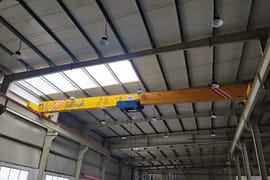
Low Headroom Overhead Cranes
-
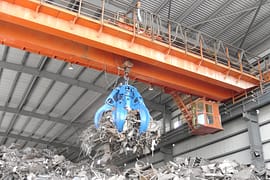
Grab Bucket Overhead Crane
-
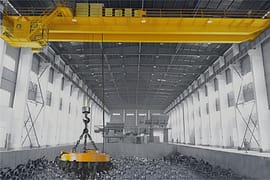
Electromagnetic Overhead Cranes with Lifting Magnet
-
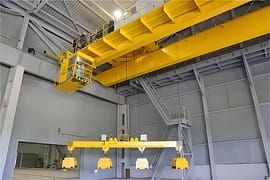
Electromagnetic Overhead Cranes with Magnet Beam
-
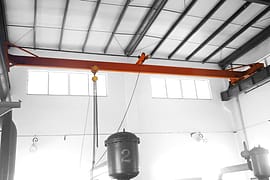
Manual Overhead Cranes
-
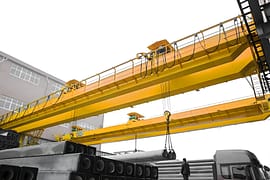
Double Trolley Overhead Cranes
-
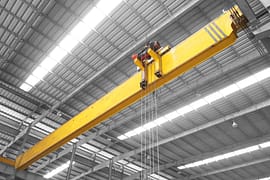
LDP Single Girder Overhead Cranes
-
- Eot Cranes
- Gantry Cranes
- Jib Cranes
-
Hoist & Winch Trolley
-
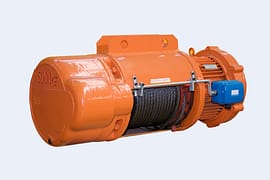
Electric Wire Rope Hoists
-
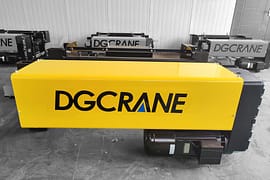
FEM Standard Wire Rope Electric Hoists
-
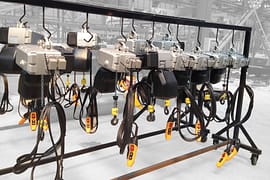
FEM Standard Electric Chain Hoists
-
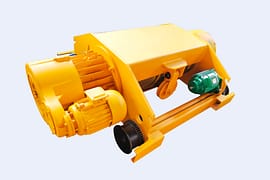
Crane Trolley
-
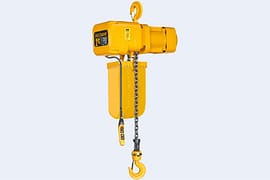
Chain Hoists
-
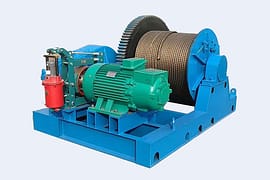
Electric Winch
-
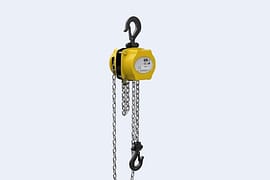
Manual Chain Hoists
-
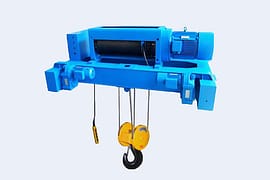
Double Girder Trolley Electric Hoists
-
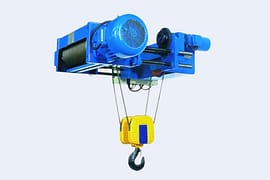
Low Headroom Wire Rope Electric Hoist
-
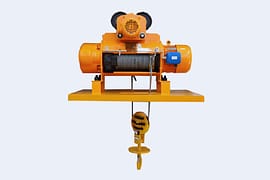
Electric Hoist for Molten Metal
-
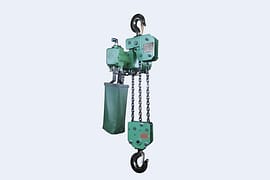
Pneumatic (Air) Chain Hoists
-
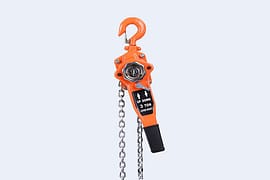
Lever Hoists
-
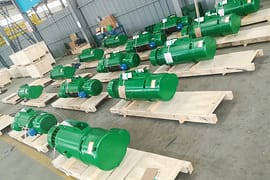
Electric Hoists
-
- Workstation Cranes
- Portable Gantry Cranes
- Explosion Proof Cranes & Hoists
- Special Cranes
- Port Cranes
- Electric Transfer Carts
-
Overhead Cranes
-
CRANE PARTS
- Crane Wheel Assembly
- Crane Grab Buckets
- Crane Tongs
- Crane Spreader
- Crane Drives
-
Crane Electrical Equipment
-
Overload Limiter
-
Crane Cabin
-
Crane Power Supply System
-

Explosion Proof Crane Radio Remote Controls
-

Joystick Type Crane Radio Remote Controls
-
Pushbutton Type Crane Wireless Remote Controls
-
Single-pole Insulated Conductor Rails
-
Enclosed Conductor Rails
-
Seamless Conductor Rails
-
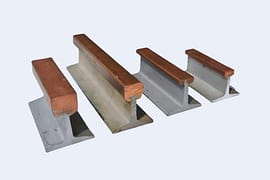
Copperhead Conductor Rails
-
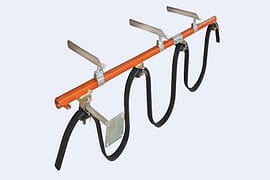
Overhead Crane Cables
-
- Other Cranes Parts
- ABOUT US
- CONTACT US
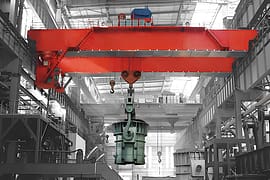
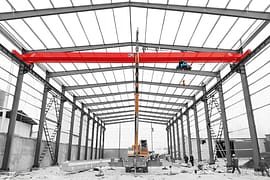
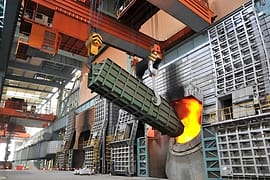
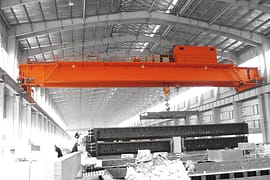

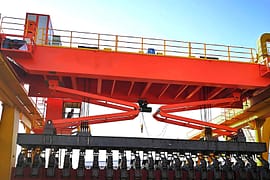
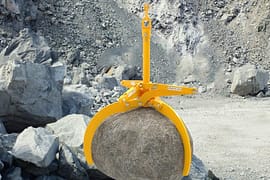
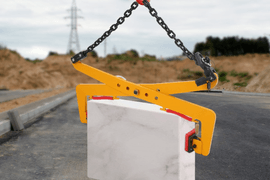
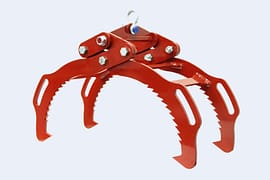



Crane Manufacturer and Exporter
- 10+ Years of Crane Export Experience
- Cranes Are Sold To 120+ Countries
- A Technical Team of 50+ People
- 3000+ Cases in Various Industries
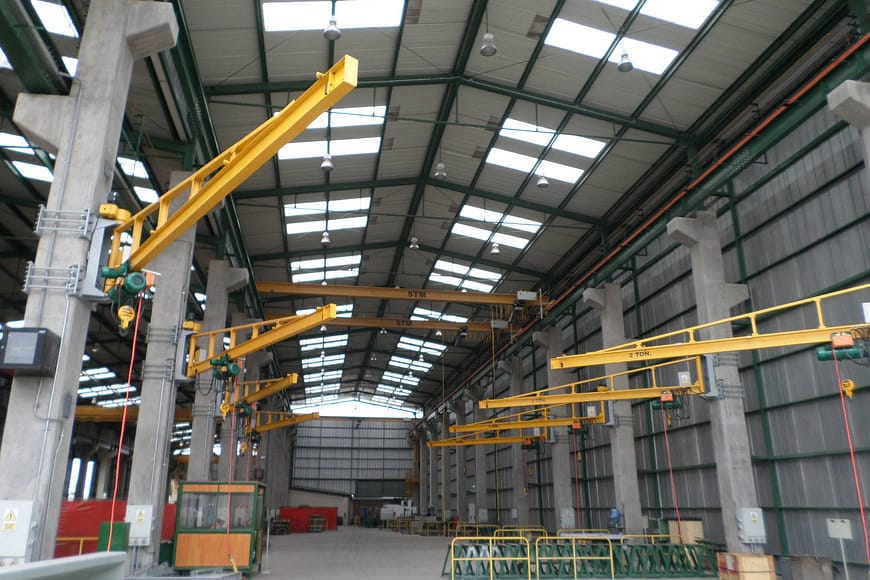
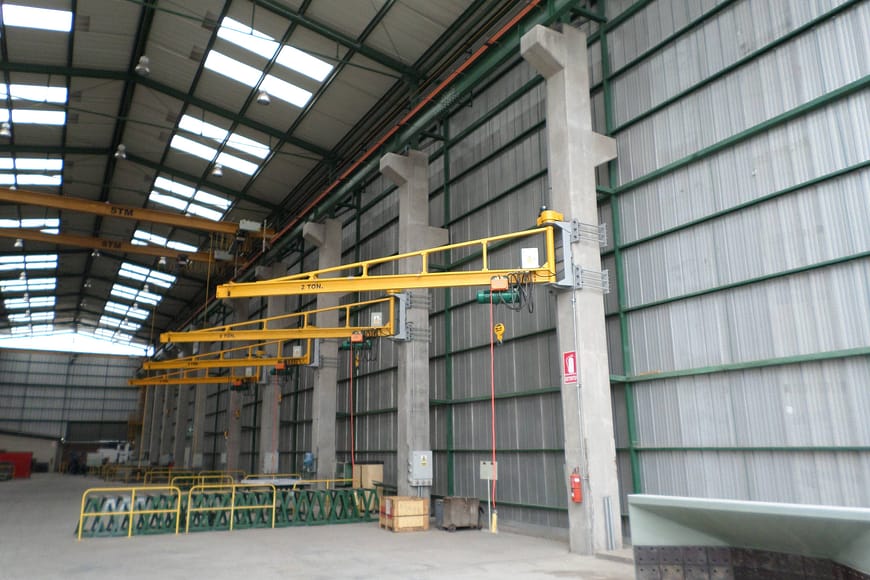
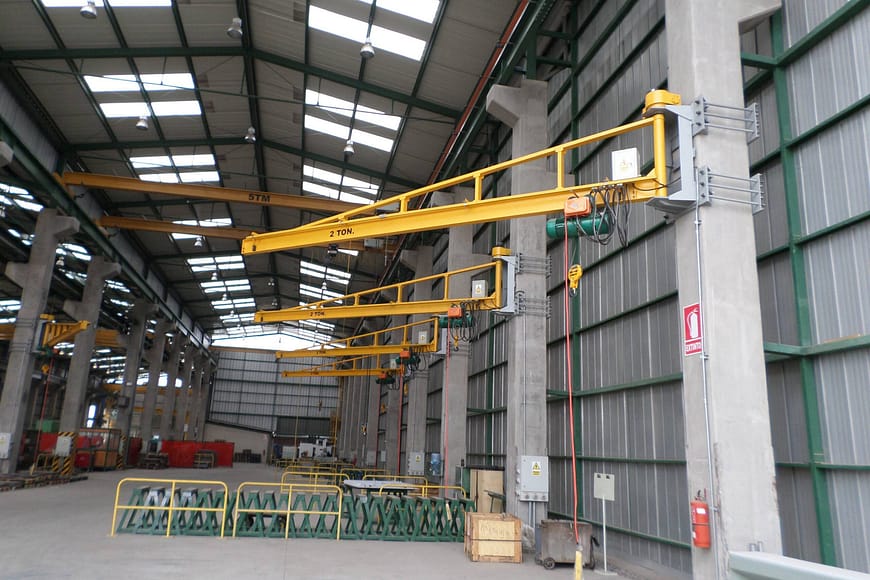
Wall Mounted Jib Cranes
The slewing, long travel and hosting motions of these systems can be either manually operated or powered making them suitable for a range of applications across various sectors.
It increases overall plant productivity by quickly handling smaller lifts.
It provide long lateral movement of materials without taking up floor space or interfering with large overhead cranes.
- Capacity: up to 5 ton
- Arm length: up to 10 m
- Lifting height:up to 20m
- Work duty: A3-A5
- Rotation angle: 120-280°
- Raged voltage: 220V~690V, 50-60Hz, 3ph AC
- Crane control mode: Floor control / Remote control
- Reference Price Range: $1300-2300/set


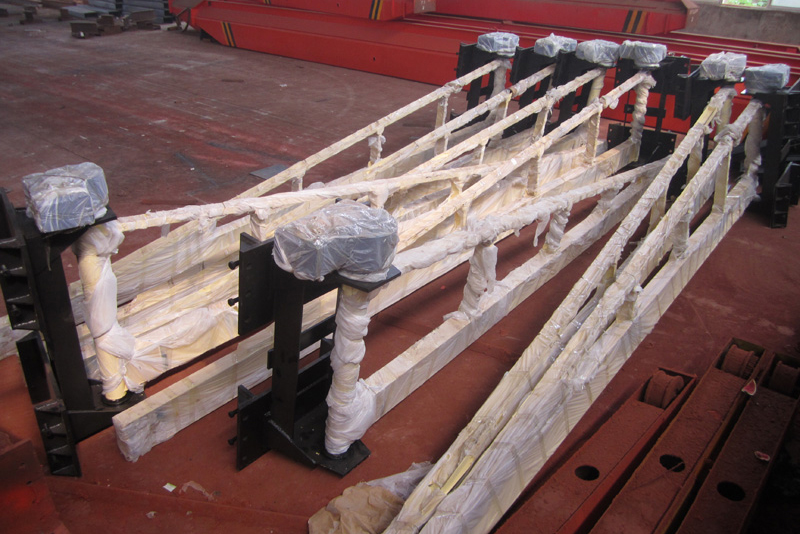
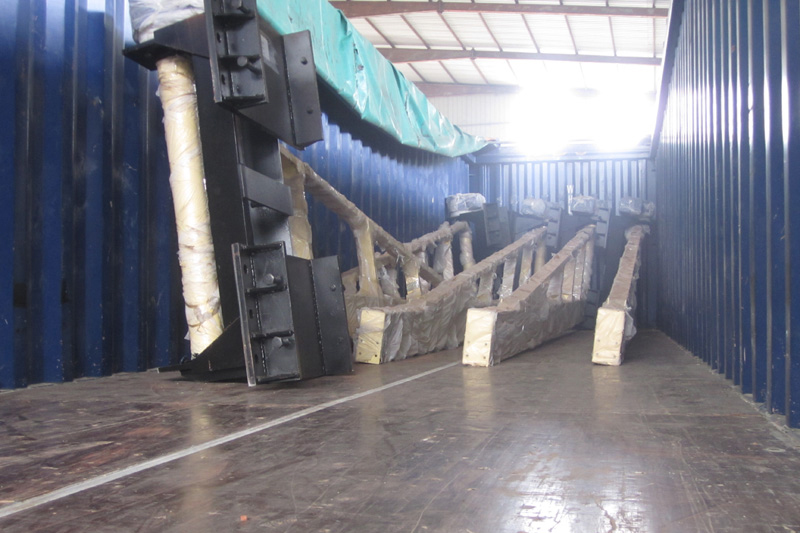


Overview
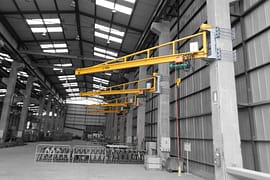
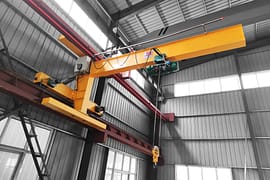
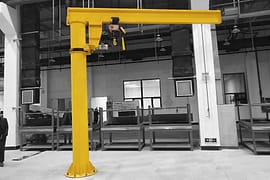
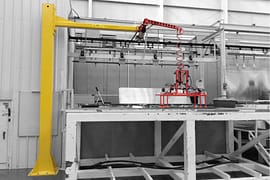
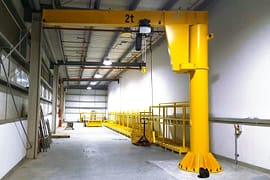
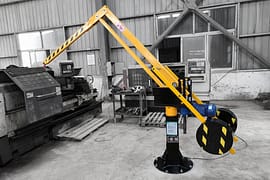
Wall mounted jib cranes for sale has no requirement for the floor space or special foundations. The column that support the horizontal beam is instead by the wall that provided by the factory or plant itself. Apparently, it offers an economical alternative to free standing jib crane. It is capable of 200 degree rotation with the capacities up to 5 tons and arm length up to 7 m. Our wall mounted jib cranes can be installed very close to the underside of the lowest obstruction and squeeze into the tightest plant, warehouse or other industrial space. So, the scope of available installation space is bigger. It can also offer maximum lift height for the hoist and greatest amount of clearance.

Advantages
- Ideal utilization of existing hall conditions
- High quality steel
- Easy to install
- Excellent smooth running properties thanks to low moving mass
- High working speed and positioning accuracy
- It can sharply increase the productivity of the plant by working as a complement for overhead crane and gantry crane.
- Our engineer can tailor this kind jib crane to meet the special capacities and longer spans.
- The utilization rate of spacing is unrival high.
- Offer the optimal highest hook position.
Components of a Wall Mounted Jib Crane
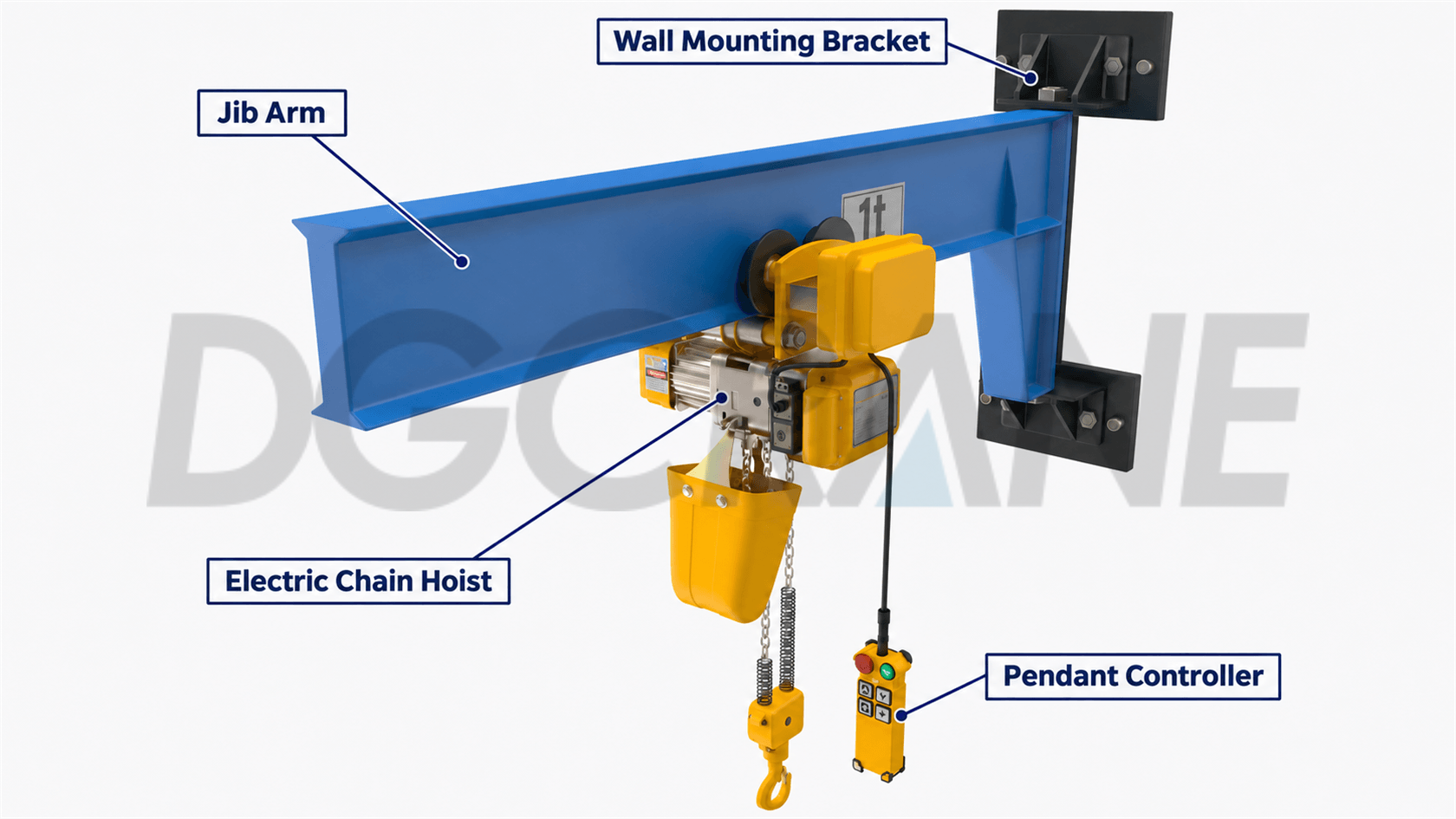
- Mounting bracket: Usually fabricated from structural steel and installed on a building column or wall. It provides sufficient stability and load-bearing capacity to ensure safe and reliable operation of the jib crane.
- Jib arm: A gearbox in the slewing mechanism drives the rollers to rotate the arm. The arm can swing within a specified range, allowing loads to be handled at different positions with ease.
- Lifting mechanism: An electric wire-rope hoist or electric chain hoist that raises and lowers loads and travels back and forth along the beam. Precise operation through the control system improves both productivity and safety.
- Control system: Provides precise control of the electric hoist for lifting, lowering, slewing, and other movements. It also incorporates safety functions such as overload protection and limit protection to ensure safe equipment operation.
Key Features
- High space efficiency: The crane is mounted on a wall or structural column, eliminating the need for floor rails or foundation work. It occupies no floor space and makes effective use of the vertical workspace. This is particularly valuable in workshops, warehouses, and other facilities where space is limited.
- Lightweight design: Q355B-grade or higher-strength steel, or aluminum alloy, is used. The H-beam section provides the required rigidity while reducing dead weight and minimizing stress on the supporting building structure.
- Easy operation: Typical functions include lifting, lowering, left slewing, and right slewing. Operators can learn the controls quickly with basic training, reducing both training time and the time needed to become familiar with the equipment.
- Low maintenance cost: The simple structure of a wall-mounted jib crane means fewer potential failure points during routine inspections, while replacement components are generally easy to source and replace.
Applications
Machining workshops
Used to lift a variety of parts and transfer finished components between workstations. Wall mounting also keeps the floor clear, enabling a more efficient workshop layout and easier placement of production equipment while maintaining clear access for personnel.
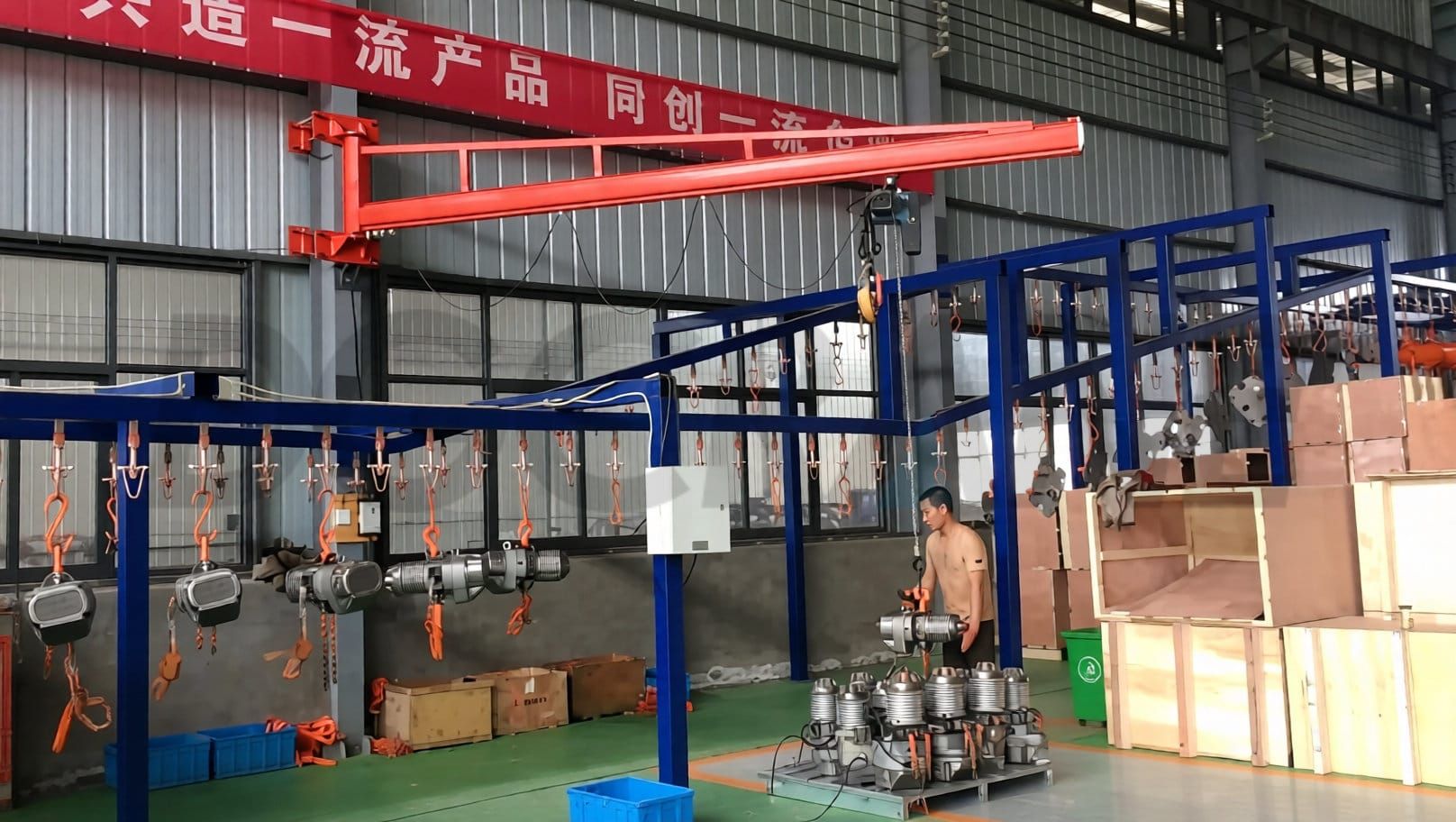
Logistics and warehousing centers
Used to handle goods stored on racks, enabling rapid storage and retrieval. For heavy loads or items that are difficult to move manually, the crane can work with other logistics equipment to achieve efficient material handling.
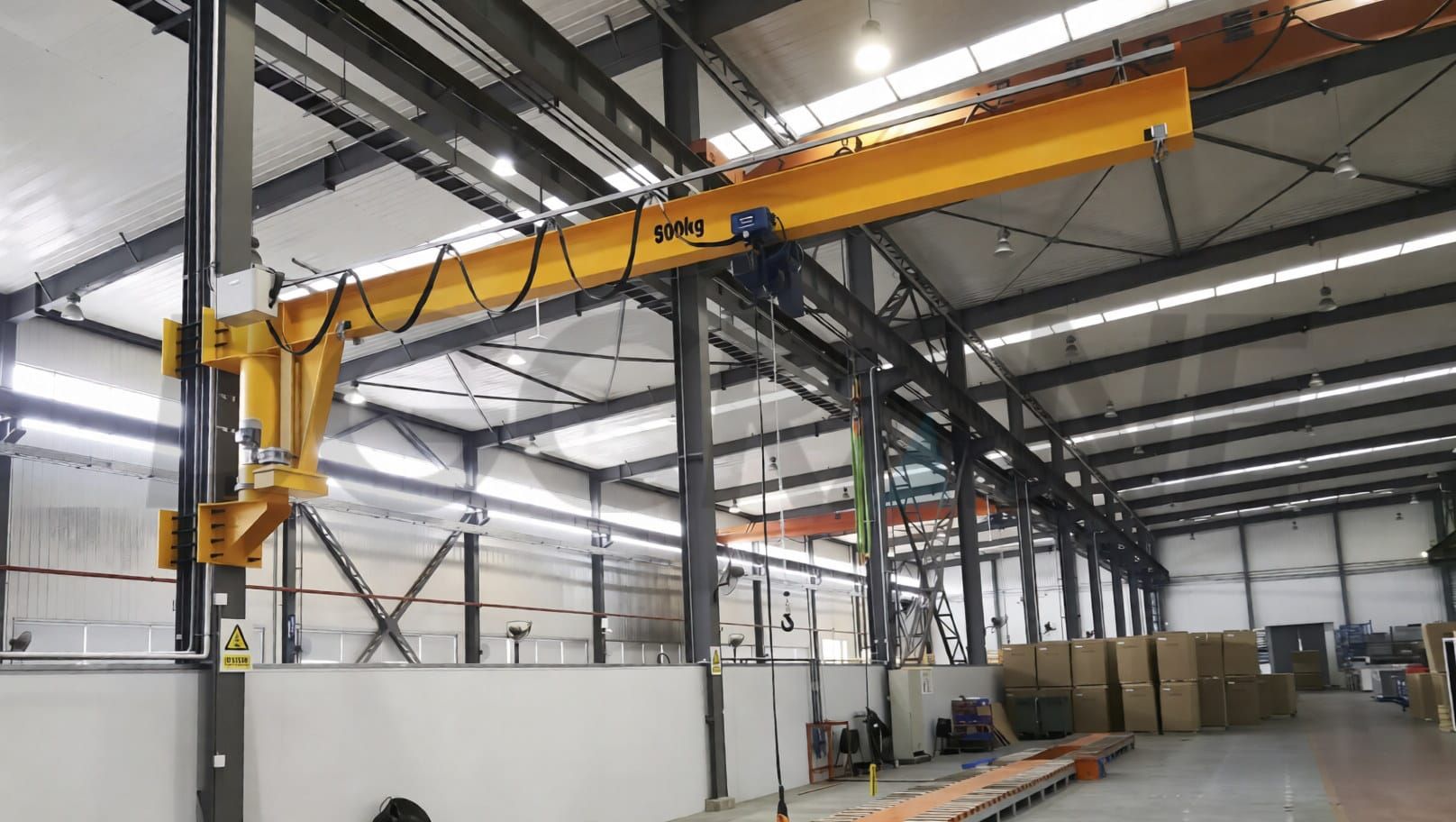
Maintenance and assembly areas
When large equipment requires servicing, the crane can lift and position individual components, making disassembly and installation easier for maintenance personnel and improving maintenance efficiency.
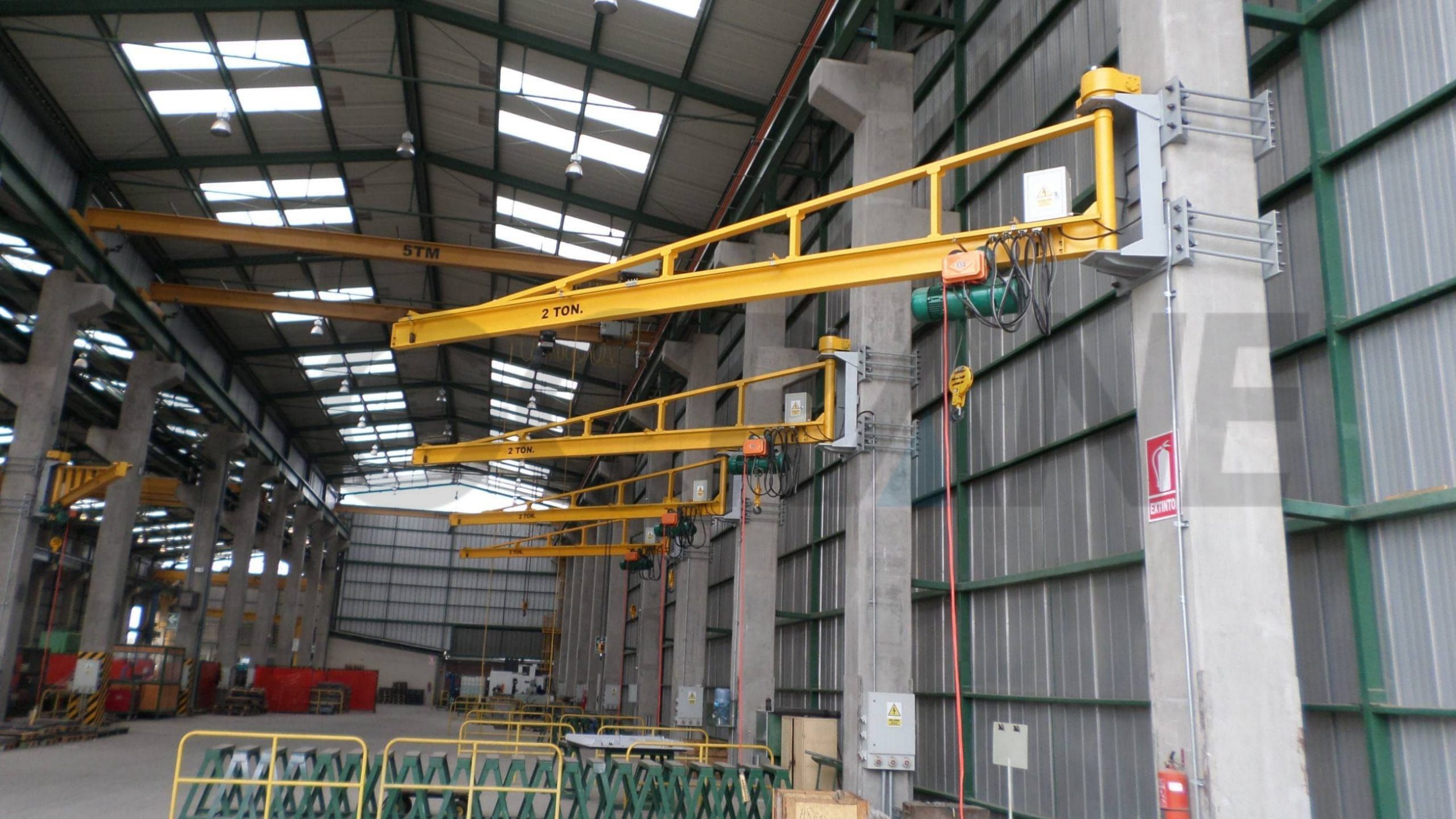
Maintenance of Wall Mounted Jib Cranes
- Daily inspection: Before using the crane each day, the operator should carry out a basic inspection. Check the lifting attachments for wear or deformation, all connecting bolts for looseness, and wires and cables for damage. If even a fine crack is found on the surface of the hook, stop using it immediately and replace it, as hook failure can lead to a serious safety incident. Loose bolts can be tightened with a wrench to ensure that all connections remain secure.
- Regular lubrication: Moving parts such as gears, chains, and bearings require regular lubrication. Lubrication reduces friction and wear between components, extending the service life of the equipment. Depending on operating frequency and environmental conditions, apply an appropriate amount of lubricating oil or grease at scheduled intervals, such as once every one or three months.
- Electrical system maintenance: Regularly inspect the electrical components inside the control cabinet for signs of overheating or burning, and check whether wire connections are loose. Remove dust and debris from electrical components to prevent faults caused by buildup. Also inspect motor operation by listening for abnormal noise and checking whether the motor current is within the normal range.
- Troubleshooting and repair: If the crane develops a fault during operation, such as abnormal vibration or reduced lifting speed, stop using it immediately and investigate the cause. Diagnose the fault step by step based on the observed symptoms and the equipment operating and maintenance manuals. Simple issues, such as poor contact at a contactor terminal, may be repaired on site. Complex failures, such as a burned-out motor, must be handled by qualified maintenance personnel. Appropriate tools and repair methods should always be used to ensure repair quality.
Comparison: Wall Mounted Jib Cranes vs. Free Standing Jib Cranes
| Comparison item | Wall mounted jib crane | Free standing jib crane |
|---|---|---|
| Floor space | Occupies no floor space | Occupies floor space |
| Rotation angle | Typically 120°–180° | Typically 360° |
| Working range | Relatively limited | Larger working range |
| Load capacity | Dependent on the load-bearing capacity of the wall or column | Highly stable, with greater load-bearing capacity |
| Installation requirements | Requires a structurally sound wall or column | Requires foundation construction |
| Suitable locations | Confined spaces and work areas close to a wall | Open areas and fixed workstations |
FAQ
1. What specific load-bearing requirements must the supporting wall or column meet?
A wall-mounted jib crane must be attached to a supporting structure that has been structurally verified and has sufficient load-bearing capacity. Suitable supports may include a solid reinforced-concrete column at least 300 mm thick or an H-section steel column with a flange at least 150 mm wide. Before installation, the shear and pull-out resistance of the wall or column must be verified. Installation on hollow-brick walls, aerated-concrete block walls, or lightweight partition walls is strictly prohibited, as it creates a serious risk of crane overturning and structural cracking.
2. How should the appropriate jib-arm length be selected?
The jib-arm length should be determined according to the actual operating radius, lifting positions, and required material-handling coverage. In general, a longer arm provides a larger working range, but it also increases the bending moment on the jib beam and mounting structure and may increase structural deflection. The selection should therefore balance working range, structural strength, rigidity, and available installation space rather than simply choosing the longest possible arm.
On-Site Installation or Remote Instruction Is Available
Trust building is really hard, but with 10+ years of sales experience and 3000+ projects we've done, both end-users and agents have gained and benefited from our cooperation. By the way, Independent sales rep recruiting: Generous commission / Risk free.


Fill Out Your Details and We Will Get Back to You Within 24 Hours!
Relevant Products



Subscribe to our newsletter
The latest DGCRANE price list, news, articles, and resources.
- Overhead Cranes
- Single Girder Overhead Cranes
- Double Girder Overhead Crane
- Low Headroom Overhead Cranes
- Underslung Cranes
- FEM Standard Overhead Cranes
- Grab Bucket Overhead Crane
- Manual Overhead Cranes
- LDP Single Girder Overhead Cranes with Side-Mounted Hoists: Optimal Solution for Low-Ceiling Workshops