


-
INDUSTRIES
-

Precast Concrete Plant
-
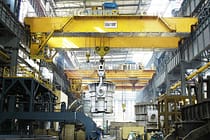
Steel Industry
-
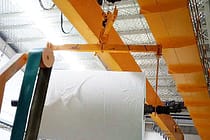
Paper Industry
-
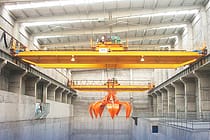
Waste to Energy and Biomass Industry
-
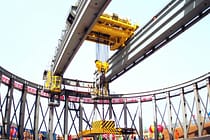
Power Industry
-

Overhead Cranes for Automotive Production: Smart Solutions for Enhanced Efficiency
-
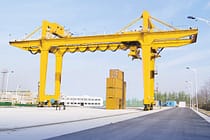
Port Machines Industry
-

Manufacturing Industry
-
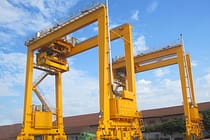
Different Types of Container Cranes, Shipyard Cranes, Cargo Cranes Used in Port, Harbor and Quay
-
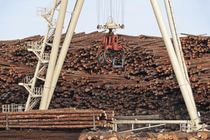
Overhead Cranes for Timber Lifting: Efficient and Safe Wood Handling
-
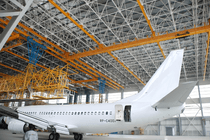
Overhead Cranes for the Aviation Industry: Streamlining Aircraft Assembly, Maintenance, and Repair
-
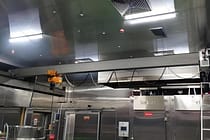
Overhead Cranes for Food and Beverages: Ideal for improving productivity and food safety
-
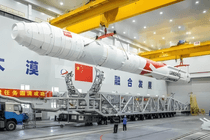
Overhead Cranes for Aerospace Industry: Key Role in Efficient Rocket Manufacturing and Launch
-
-
EQUIPMENT
-
Overhead Cranes
-
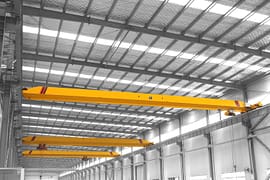
Single Girder Overhead Crane
-
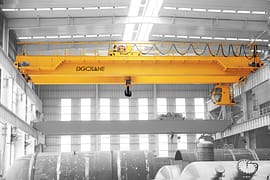
Double Girder Overhead Crane
-
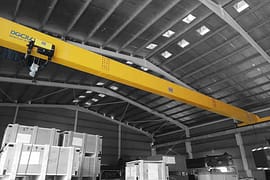
FEM Standard Overhead Cranes
-
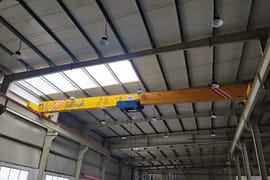
Low Headroom Overhead Cranes
-
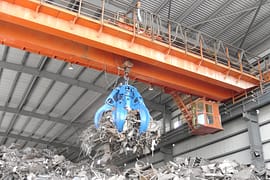
Grab Bucket Overhead Crane
-
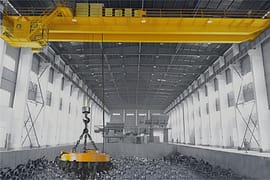
Electromagnetic Overhead Cranes with Lifting Magnet
-
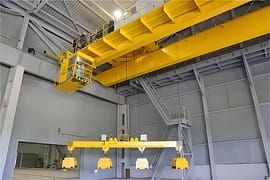
Electromagnetic Overhead Cranes with Magnet Beam
-
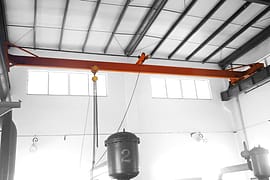
Manual Overhead Cranes
-
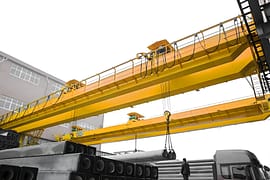
Double Trolley Overhead Cranes
-
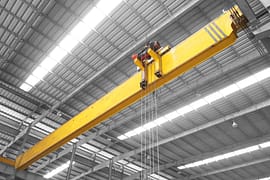
LDP Single Girder Overhead Cranes
-
- Eot Cranes
- Gantry Cranes
- Jib Cranes
-
Hoist & Winch Trolley
-
Electric Wire Rope Hoists
-
FEM Standard Wire Rope Electric Hoists
-
FEM Standard Electric Chain Hoists
-
Crane Trolley
-
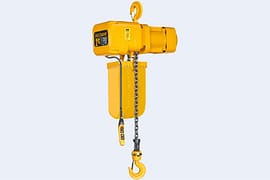
Chain Hoists
-
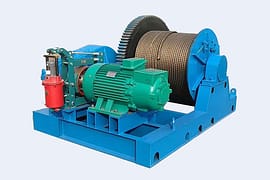
Electric Winch
-
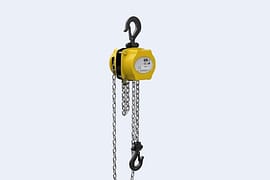
Manual Chain Hoists
-
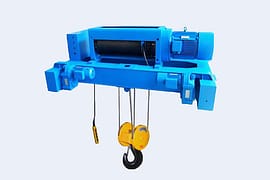
Double Girder Trolley Electric Hoists
-
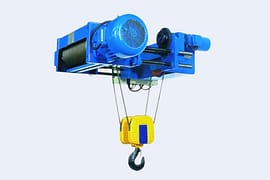
Low Headroom Wire Rope Electric Hoist
-
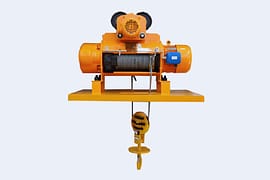
Electric Hoist for Molten Metal
-
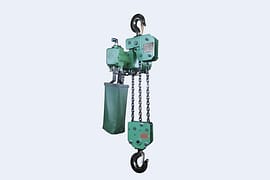
Pneumatic (Air) Chain Hoists
-
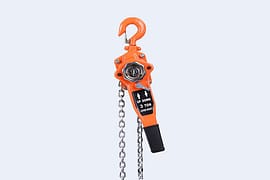
Lever Hoists
-
Electric Hoists
-
- Workstation Cranes
- Portable Gantry Cranes
- Explosion Proof Cranes & Hoists
- Special Cranes
- Port Cranes
- Electric Transfer Carts
-
Overhead Cranes
-
CRANE PARTS
- Crane Wheel Assembly
- Crane Grab Buckets
- Crane Tongs
- Crane Spreader
- Crane Drives
-
Crane Electrical Equipment
-
Overload Limiter
-
Crane Cabin
-
Crane Power Supply System
-

Explosion Proof Crane Radio Remote Controls
-
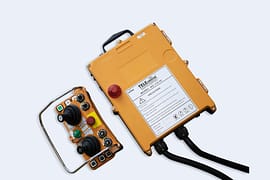
Joystick Type Crane Radio Remote Controls
-
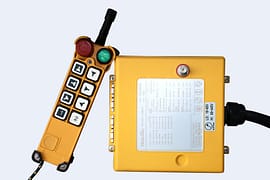
Pushbutton Type Crane Wireless Remote Controls
-
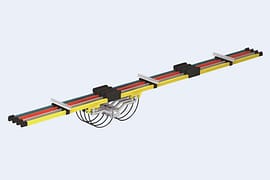
Single-pole Insulated Conductor Rails
-
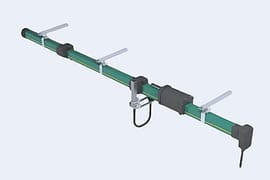
Enclosed Conductor Rails
-
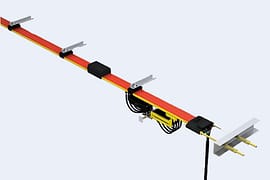
Seamless Conductor Rails
-
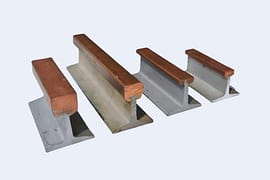
Copperhead Conductor Rails
-
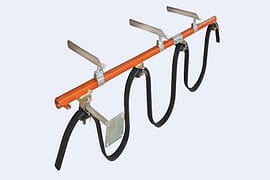
Overhead Crane Cables
-
- Other Cranes Parts
- ABOUT US
- CONTACT US
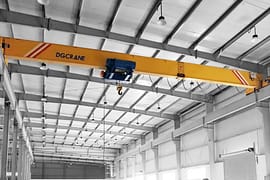
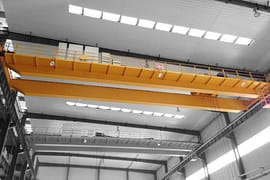
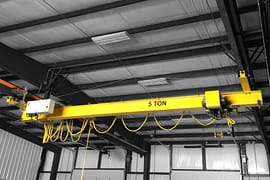
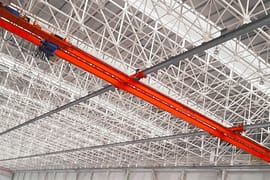
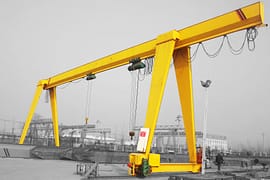
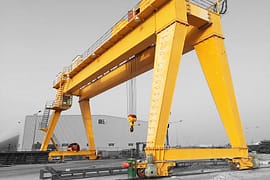
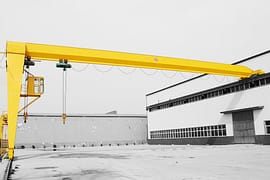
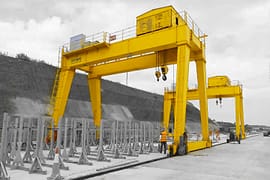
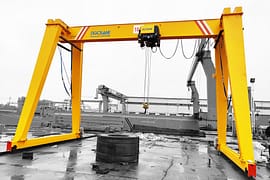
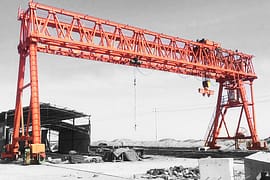
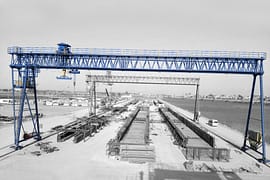
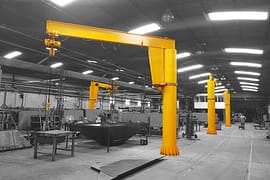
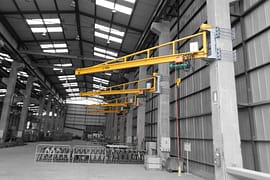
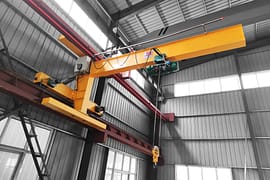
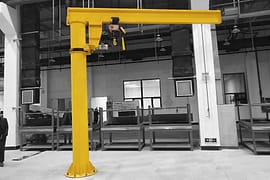
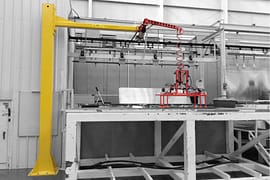
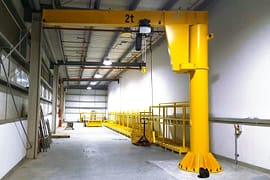
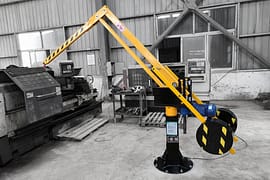
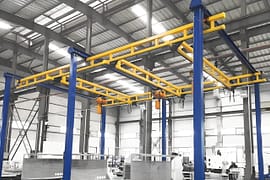
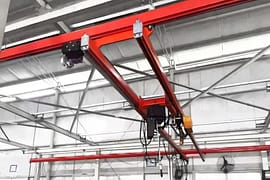
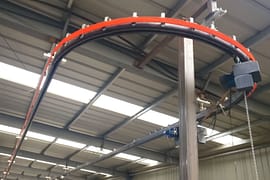
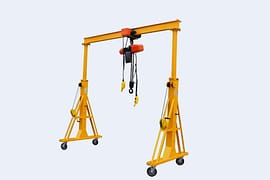
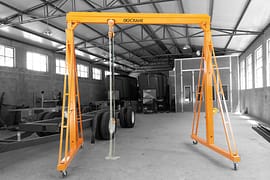
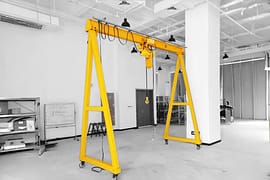
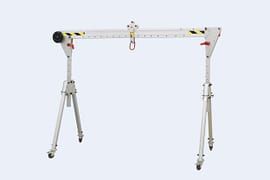
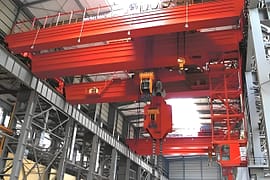
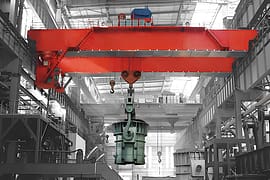
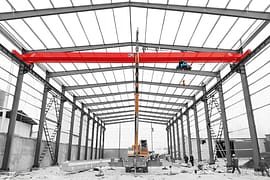
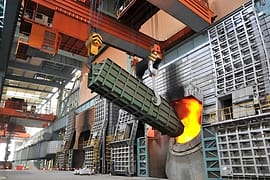
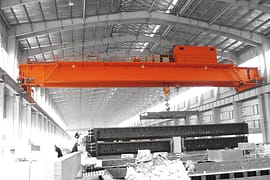
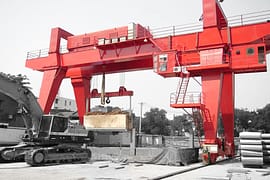
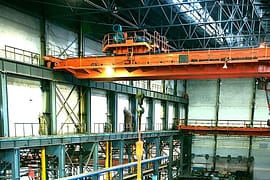
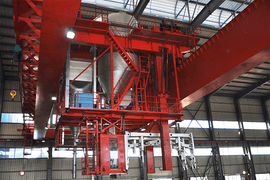

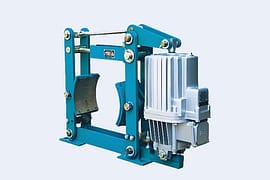
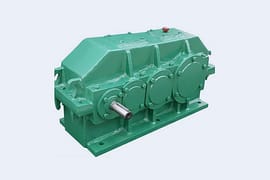
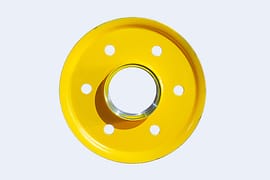
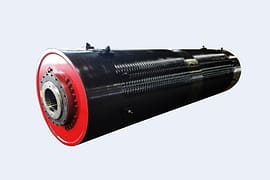
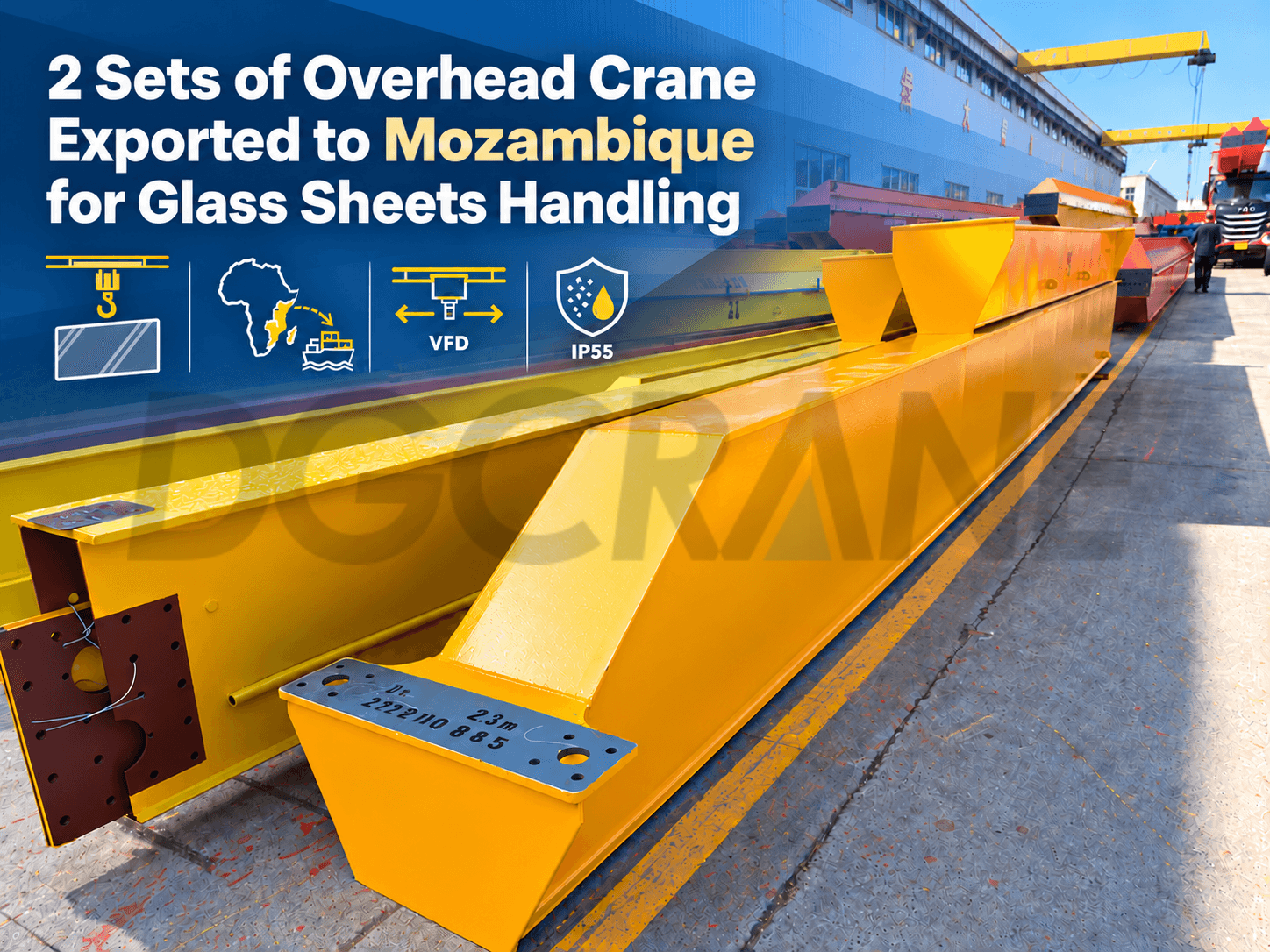
2 Sets of Overhead Crane Exported to Mozambique for Glass Sheets Handling
Table of Contents
Mozambique's customer required overhead cranes for daily glass sheet lifting and in-plant transport across two existing workshops with differing structural limits. The cranes needed to maximise usable space without imposing excessive loads on buildings, deliver smooth lifting, travelling and braking to minimise glass sway, support long daily runs, and resist workshop dust and occasional water splashes. Rails, power supply, installation fittings and export logistics also required coordination. Working from the customer's workshop drawings and operational data, we customised EOT crane solutions tailored to each span and building structure. The full scope included crane frames, motion control, environmental sealing and power packages, enabling safe, efficient integration into their current production setup.
Project Background
This project was for a Mozambique-based company in the glass sheet industry. As production and material handling demands increased, the customer planned to upgrade the lifting capacity of its existing workshops. It provided CAD drawings, workshop cross-sections, and partial details of the runway support structures as the basis for design. The two overhead cranes therefore had to meet the specified lifting capacity while also matching the existing buildings and the materials handled.
Client Requirement
From the workshop drawings and inquiry details, we identified five main requirements: different crane designs for the two workshops, stable glass sheet handling, protection against dust and water splashes from cleaning, at least eight hours of operation per day, and matched rails, conductor rails, and installation accessories supplied with the cranes.
Different Crane Structures for the Two Workshops
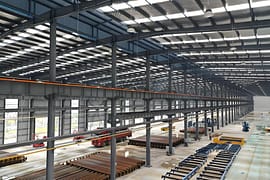
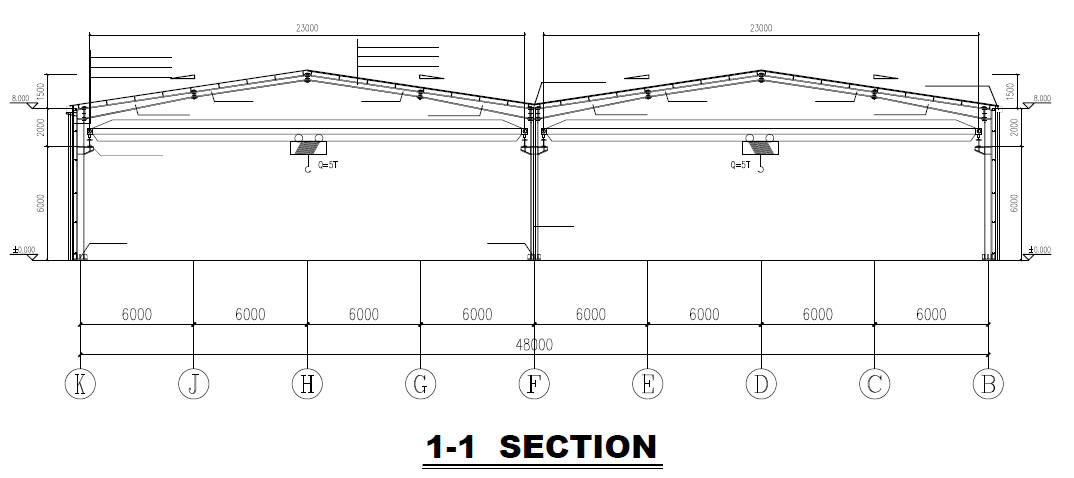
The first workshop has a 23 m span and an approximately 48 m travel length. While meeting the lifting requirements, the customer wanted to minimize overhead crane self-weight and the wheel loads transferred to the runway beams, reducing pressure on the building’s support structure. The crane also needed to use the available building height efficiently so that its own structure would not consume valuable vertical lifting space.
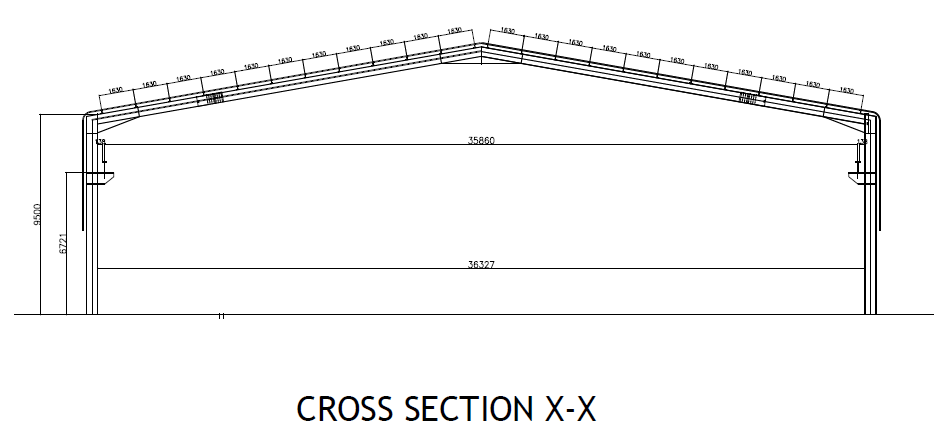
The second workshop has a 49 m travel length. According to the cross-sectional drawing, the actual distance between the two rail centerlines is 35,860 mm. This large span placed greater demands on main-girder strength and crane travel stability. The design also had to account for clearances at both ends, the maintenance platform position, and the space between the top of the EOT crane and the roof trusses.
Because the workshops differ in width, runway position, roof profile, and structural conditions, the same EOT crane design could not be used for both. Each overhead crane had to be selected and designed around the actual workshop dimensions supplied by the client.
Smooth Handling of Glass Sheets
Large glass sheets can sway when lifting force changes or when the hoist, trolley, or crane starts and stops abruptly. Operators also need enough reaction time to observe and make fine adjustments as a sheet leaves its support, approaches a storage rack, or is positioned. The customer therefore focused not only on maximum speed but also on whether the overhead crane could lift slowly, travel smoothly, and stop gently.
Flexible operation was also important because a glass sheet may block the operator’s view of the lifting point or placement area. The operator needed to choose a suitable position according to the workshop aisle and load location instead of being limited to one fixed control point.
Eight Hours of Frequent Operation per Day
The two overhead cranes needed to perform repeated lifting, travel, and placement operations throughout a normal shift, supporting at least eight hours of work per day. Selection therefore considered not only rated capacity but also the number of lifts per hour, typical load weight, operating frequency, and the proportion of full-load operation.
Long daily use also raised requirements for motor protection, electrical components, brakes, limit switches, and spare-parts support. The customer needed these two EOT cranes that could enter production quickly while remaining convenient to operate and maintain over the long term.
Dust and Splash Protection for the Glass Workshops
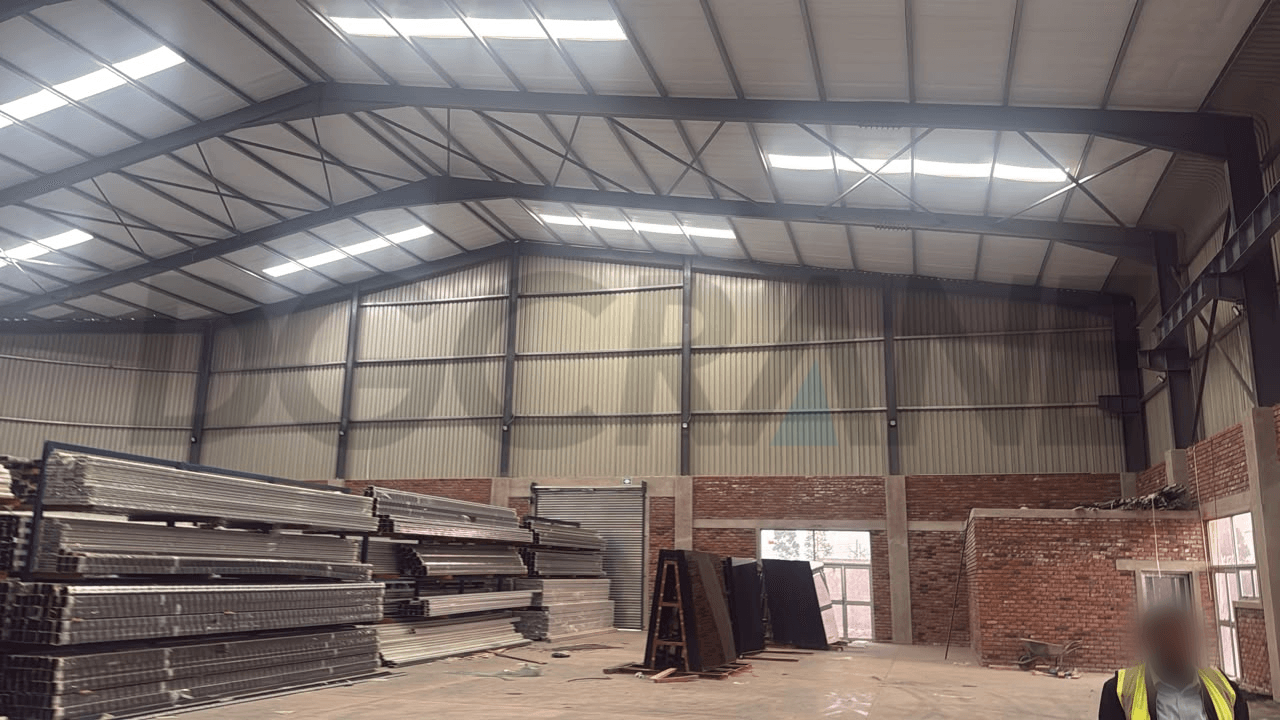
Glass handling areas are often close to storage, cutting, edge-grinding, cleaning, and packaging operations. Fine airborne particles, paper and wood packaging debris, and everyday dust can reach crane motors and electrical components. Cleaning glass, floors, or nearby equipment may also introduce moisture and occasional water splashes. Although EOT cranes operate indoors, their travel mechanisms, brakes, and electrical parts still require protection against dust accumulation and water ingress.
Coordinated Rail and Power Supply Systems
The customer requested rails, conductor rails, and installation accessories matched to the EOT cranes, avoiding inconsistent specifications or incompatible interfaces caused by separate purchasing. Because the workshop travel lengths are 48 m and 49 m, each power supply system had to cover its corresponding runway. The large main-girder spans also required suitable shipping segment lengths and clearly defined connection methods to simplify on-site installation.
Customized Overhead Crane Solutions
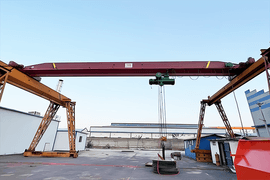
HD Single Girder Overhead Crane
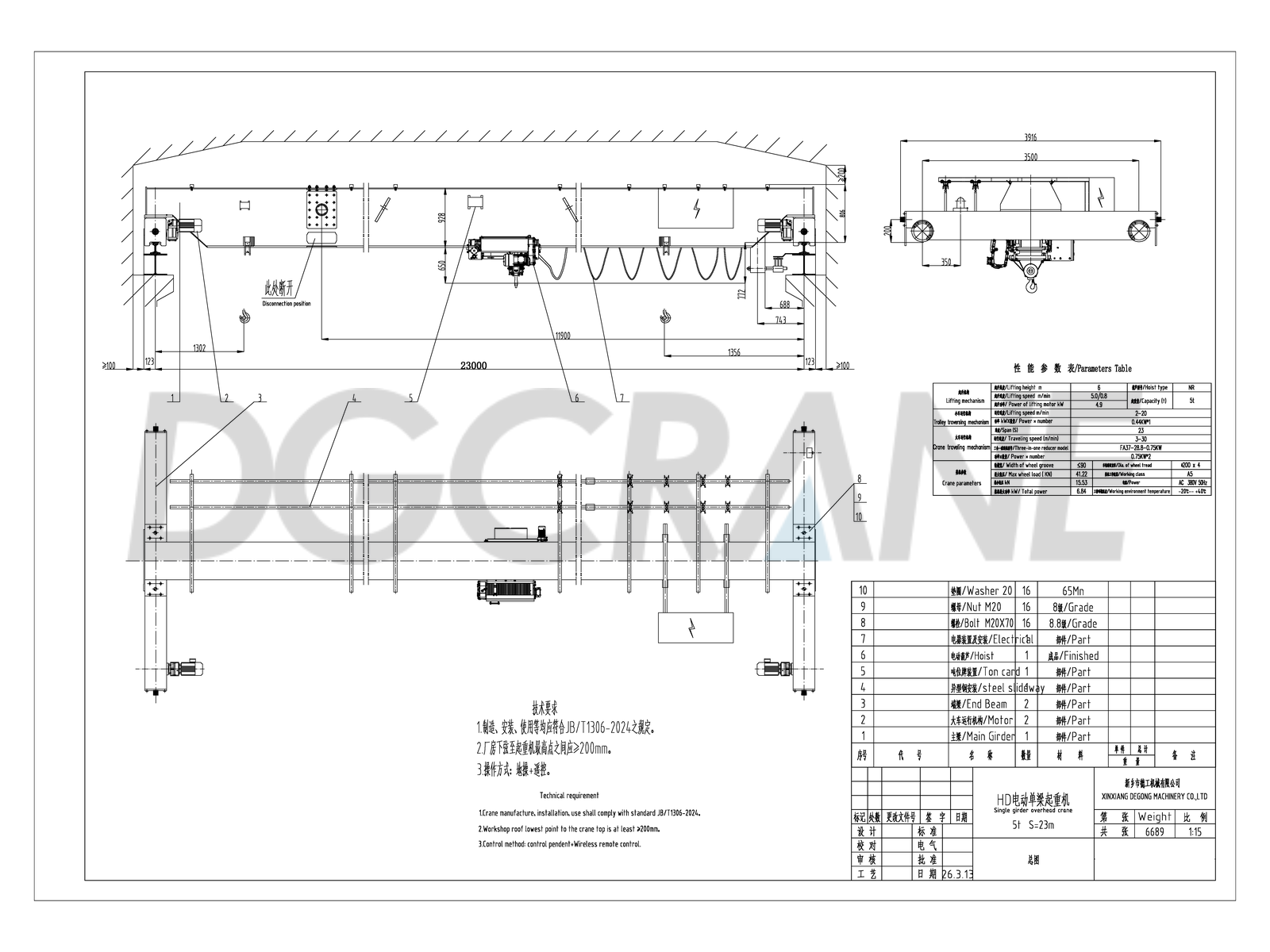
- Capacity: 5 ton
- Span: 23 m
- Lifting height: 5.65 m
- Lifting speed: 0.5/8 m/min
- Hoist travelling speed: 2—20m/min, VFD
- Crane travelling speed: 3—30m/min, VFD
- Work duty: FEM 2m A5
- Control method: Wired pendant controller + wireless remote control
- Power supply: 380V/50Hz/3-phase, control voltage: 48V
- Rail type: P22
Main Features of HD Single Girder Overhead Crane
- Lightweight design, reducing workshop loads: The HD single girder overhead crane uses one main girder and a compact electric hoist, reducing bridge components, self-weight, and the crane’s contribution to wheel loads. This makes it easier to match the existing runway structure and helps limit workshop reinforcement and project costs.
- Compact structure, expanding lifting coverage: The compact main girder, end carriages, and hoist reduce hook approach distances at workshop ends and side walls. The hook can therefore reach closer to storage racks, loading areas, and workstations, improving use of the available working area.
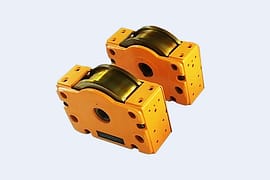
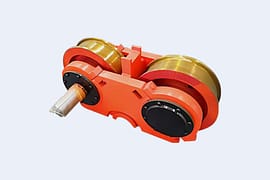
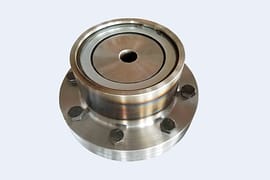
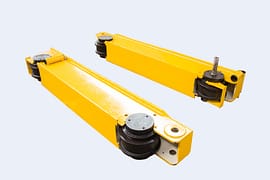
- Integrated drive, simplifying installation: Boneng three-in-one crane travel drives combine the motor, gearbox, and brake in one unit. This saves installation space on the end carriages and simplifies assembly, removal, and replacement.
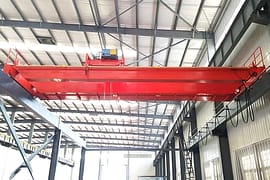
NLH Double Girder Overhead Crane
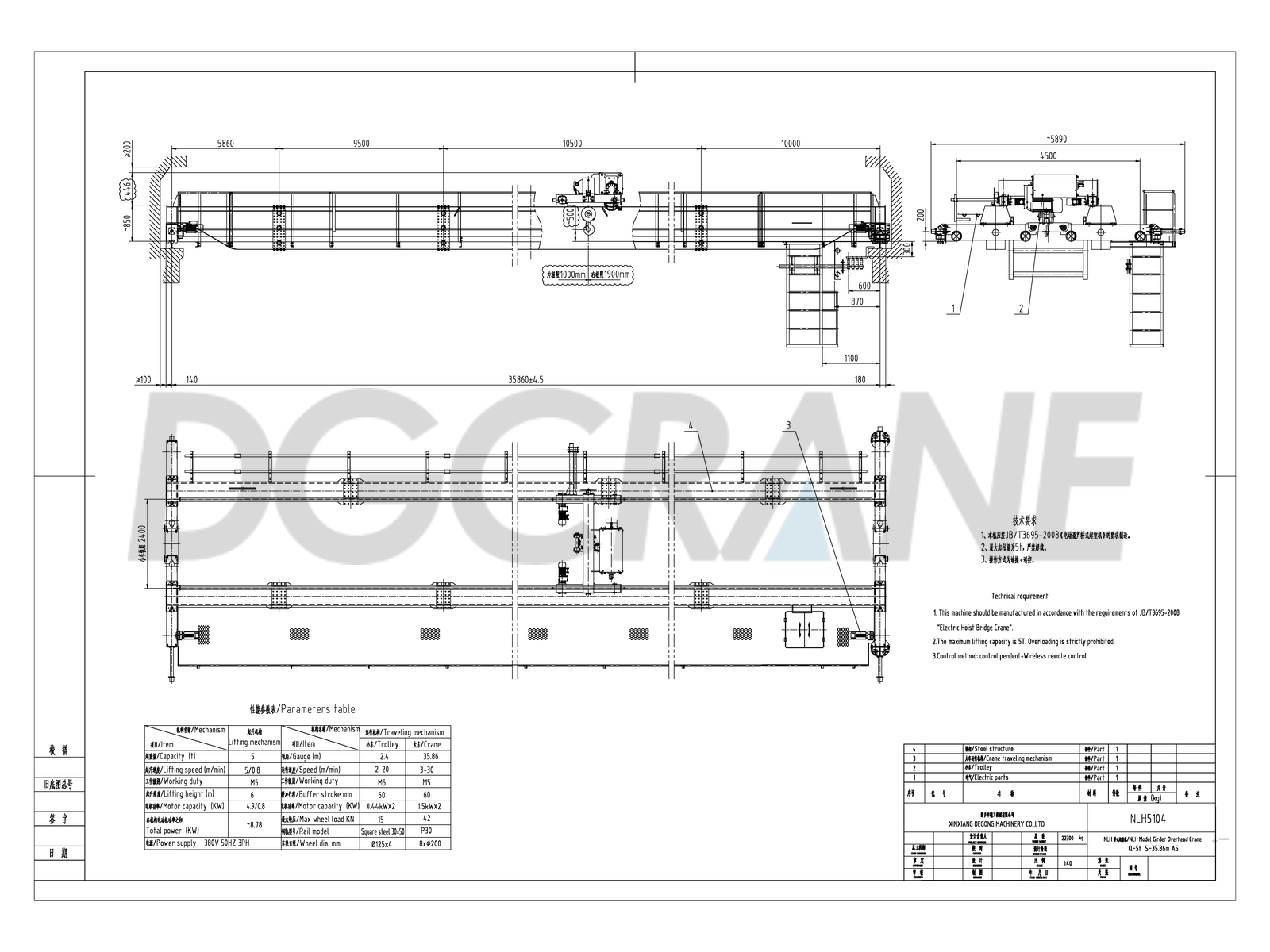
- Capacity: 5 ton
- Span: 36 m
- Lifting height: 6 m
- Lifting speed: 0.5/8 m/min
- Hoist travelling speed: 2—20m/min, VFD
- Crane travelling speed: 3—30m/min, VFD
- Work duty: FEM 2m A5
- Control method: Wired pendant controller + wireless remote control
- Power supply: 380V/50Hz/3-phase, control voltage: 48V
- Rail type: P30
Main Features of NLH Double Girder Overhead Crane
- Double-girder structure, improving stability: Two welded box girders share the load and increase overall rigidity of the NLH double girder overhead crane. This reduces the effect of structural deflection on the trolley path and improves crane stability across the large span.
- Low overall height, increasing lifting height: The compact trolley runs on the two main girders and allows the hook to rise closer to the bridge. This reduces hook-travel loss, increases lifting height, and improves use of the workshop’s vertical space.
- Spacious bridge layout, simplifying maintenance: The double girder bridge provides more room for maintenance walkways, guardrails, and trolley access. It can also accommodate an auxiliary hook or lifting mechanism when required, while giving maintenance personnel safer access to travel mechanisms and electrical components.
VFD Travel Reduces Load Sway
VFD control allows both the crane and trolley to start, accelerate, decelerate, and stop smoothly, avoiding sudden changes in horizontal speed. The overhead cranes can maintain an efficient speed over long distances and slow down near the target for more accurate positioning. Smooth speed changes also reduce starting current, mechanical shock, wheel slip, and impact loads on gearboxes, brakes, wheels, and rails. For large glass sheets that are sensitive to inertia, gentler motion makes approach and placement easier to control and reduces load sway.
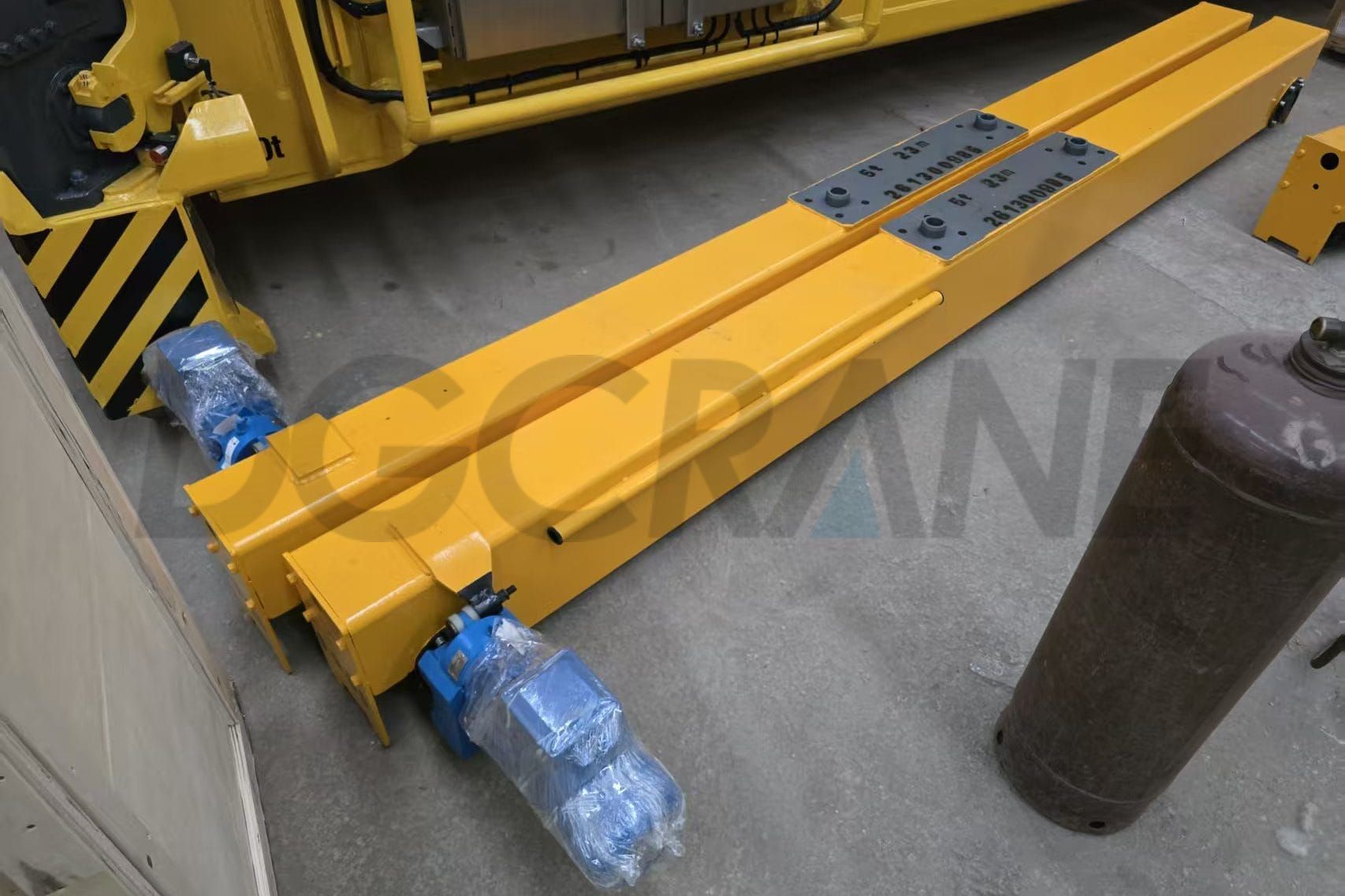
A5 Duty Class and Class F Insulation Support Daily Operation
The EOT cranes repeatedly lift, travel, and brake during each shift. We therefore matched their duty classification to the daily operating time and movement frequency. FEM 2m and A5 were selected to support approximately eight hours of glass handling per day and keep pace with workshop production.
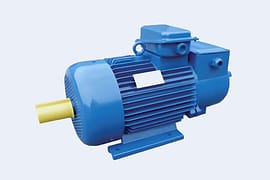
Class F insulation improves heat resistance during repeated starts, braking, and normal operation. It slows insulation aging and reduces the risk of inter-turn short circuits, insulation breakdown to ground, and motor damage. This provides additional thermal margin for long-term operation under the customer’s daily schedule.
IP55 Protection Reduces Dust and Water Exposure
Both two overhead cranes use IP55-protected motors and electrical equipment to reduce the ingress of fine particles, everyday dust, and occasional splashes from cleaning. Better-sealed enclosures limit environmental effects on motors, brakes, and electrical components, supporting stable operation for approximately eight hours per day in glass storage and handling areas.
Matching Rails, Power Supply Systems, and Installation Accessories
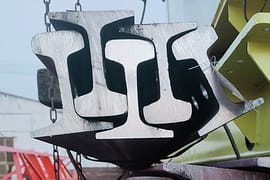
In addition to the main girders, end carriages, and other crane steel structures, we supplied complete sets of rails, rail connections, power supply systems, and installation accessories for both workshops. The systems use 200 A four-pole safety conductor rails, with total conductor lengths of 192 m and 196 m respectively, together with current collectors and mounting components.
Unified design and coordinated supply ensured that the rail specifications, power supply systems, and connection interfaces matched both cranes. This reduced the customer’s need for separate purchasing, on-site specification checks, and interface adjustments, while simplifying subsequent installation and commissioning.
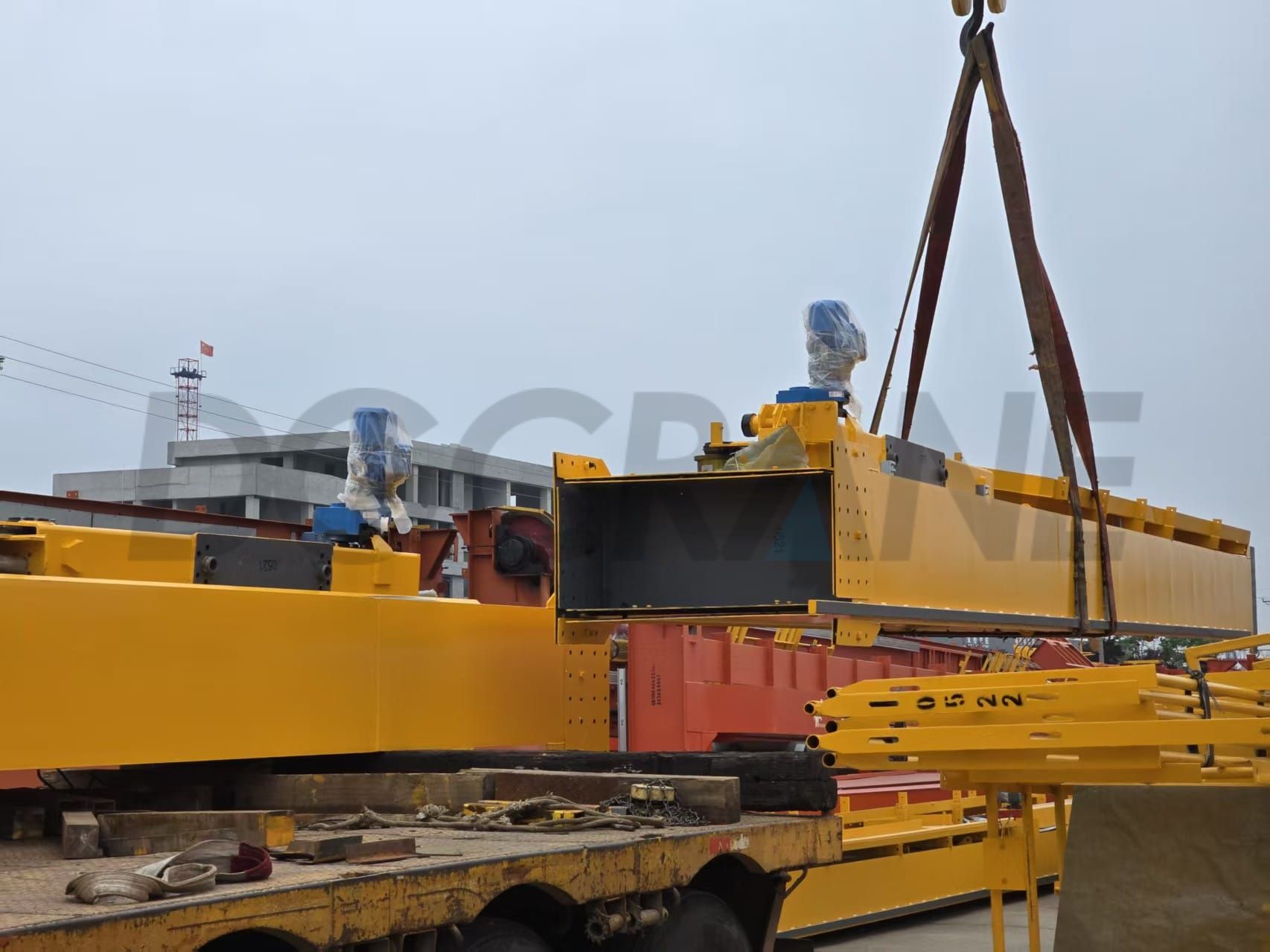
Get A Tailored Solution
If your workshop needs an overhead crane, DGCRANE’s engineers can develop a solution from the information currently available, including workshop drawings, site photos, materials handled, required lifting capacity, and operating frequency. We provide end-to-end support covering crane selection, design, production, and delivery.
- Complete workshop drawings: We can verify the rail span, travel length, effective lifting height, headroom, and runway support structure, then design the crane, rails, and power supply system around these data.
- Partial dimensions only: We will review the available information and photos, then identify the additional measurements required, reducing repeated work and missing critical data.
- No independent measurement capability: We can guide your site team remotely through the required measurements or arrange a professional on-site survey when project and site conditions require it.
If you need an overhead crane for glass sheets, metal plates, or other materials, send us your available project information. Our engineers will provide a detailed solution and quotation within 24 hours.

Zora Zhao
Expert in Overhead Crane/Gantry Crane/Jib Crane/Crane Parts Solutions
With 10+ years of experience in the Crane Overseas Export Industry, helped 10,000+ customers with their pre-sales questions and concerns, if you have any related needs, please feel free to contact me!
WhatsApp: +86 189 3735 0200
Email: zorazhao@dgcrane.com
Contact Details
DGCRANE is committed to providing the professional Overhead crane products and relavent service. Exported to Over 100 Countries, 5000+ Customers Choose Us, Worth to be Trusted.
Get In Touch
Fill out your details and someone from our sales team will get back to you within 24 hours!
Subscribe to our newsletter
The latest DGCRANE price list, news, articles, and resources.
- Overhead Cranes
- Single Girder Overhead Cranes
- Double Girder Overhead Crane
- Low Headroom Overhead Cranes
- Underslung Cranes
- FEM Standard Overhead Cranes
- Grab Bucket Overhead Crane
- Manual Overhead Cranes
- LDP Single Girder Overhead Cranes with Side-Mounted Hoists: Optimal Solution for Low-Ceiling Workshops