


-
INDUSTRIES
-

Precast Concrete Plant
-
Steel Industry
-
Paper Industry
-
Waste to Energy and Biomass Industry
-
Power Industry
-
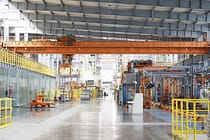
Overhead Cranes for Automotive Production: Smart Solutions for Enhanced Efficiency
-
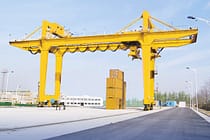
Port Machines Industry
-

Manufacturing Industry
-
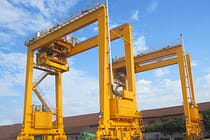
Different Types of Container Cranes, Shipyard Cranes, Cargo Cranes Used in Port, Harbor and Quay
-
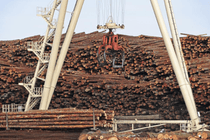
Overhead Cranes for Timber Lifting: Efficient and Safe Wood Handling
-

Overhead Cranes for the Aviation Industry: Streamlining Aircraft Assembly, Maintenance, and Repair
-

Overhead Cranes for Food and Beverages: Ideal for improving productivity and food safety
-
Overhead Cranes for Aerospace Industry: Key Role in Efficient Rocket Manufacturing and Launch
-
-
EQUIPMENT
-
Overhead Cranes
-
Single Girder Overhead Crane
-
Double Girder Overhead Crane
-
FEM Standard Overhead Cranes
-
Low Headroom Overhead Cranes
-
Grab Bucket Overhead Crane
-
Electromagnetic Overhead Cranes with Lifting Magnet
-
Electromagnetic Overhead Cranes with Magnet Beam
-
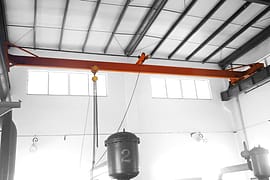
Manual Overhead Cranes
-
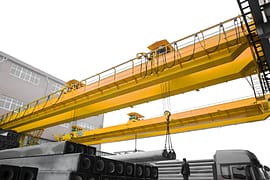
Double Trolley Overhead Cranes
-
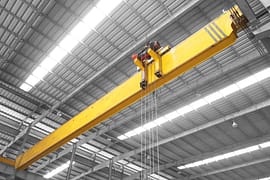
LDP Single Girder Overhead Cranes
-
- Eot Cranes
- Gantry Cranes
- Jib Cranes
-
Hoist & Winch Trolley
-
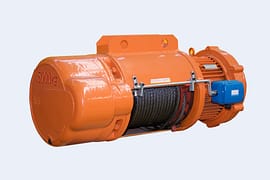
Electric Wire Rope Hoists
-
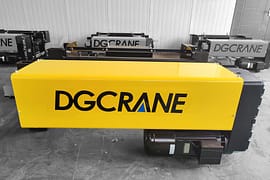
FEM Standard Wire Rope Electric Hoists
-
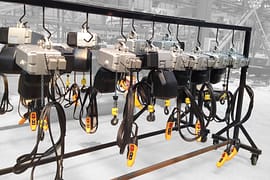
FEM Standard Electric Chain Hoists
-
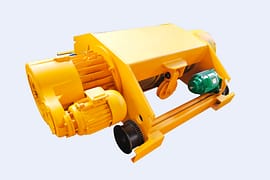
Crane Trolley
-
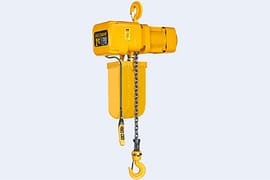
Chain Hoists
-
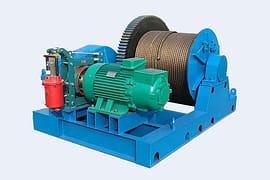
Electric Winch
-
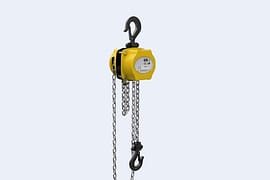
Manual Chain Hoists
-
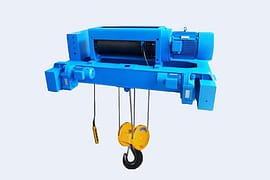
Double Girder Trolley Electric Hoists
-
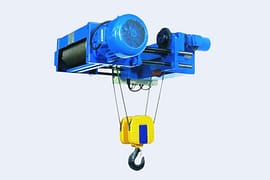
Low Headroom Wire Rope Electric Hoist
-
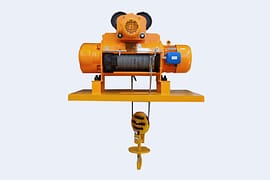
Electric Hoist for Molten Metal
-
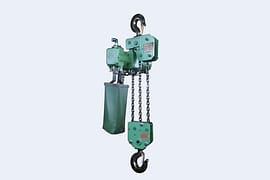
Pneumatic (Air) Chain Hoists
-
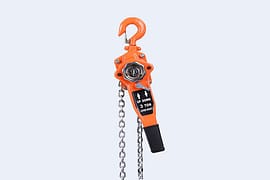
Lever Hoists
-
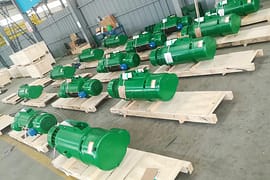
Electric Hoists
-
- Workstation Cranes
- Portable Gantry Cranes
- Explosion Proof Cranes & Hoists
- Special Cranes
- Port Cranes
- Electric Transfer Carts
-
Overhead Cranes
-
CRANE PARTS
- Crane Wheel Assembly
- Crane Grab Buckets
- Crane Tongs
- Crane Spreader
- Crane Drives
-
Crane Electrical Equipment
-
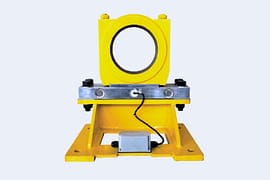
Overload Limiter
-
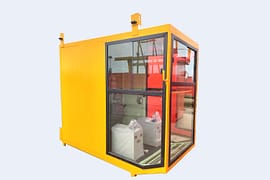
Crane Cabin
-
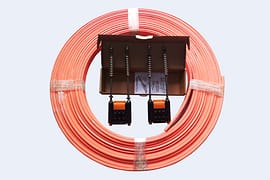
Crane Power Supply System
-

Explosion Proof Crane Radio Remote Controls
-
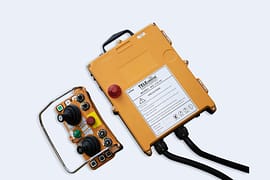
Joystick Type Crane Radio Remote Controls
-
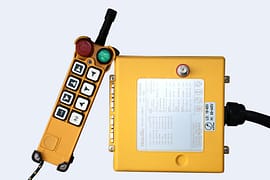
Pushbutton Type Crane Wireless Remote Controls
-
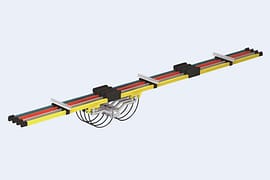
Single-pole Insulated Conductor Rails
-
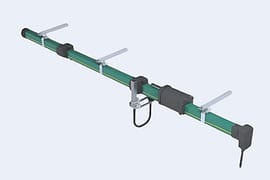
Enclosed Conductor Rails
-
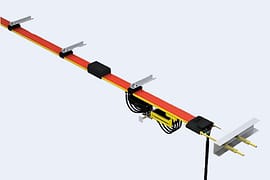
Seamless Conductor Rails
-
Copperhead Conductor Rails
-
Overhead Crane Cables
-
- Other Cranes Parts
- ABOUT US
- CONTACT US
Overhead and Gantry Cranes in Europe: What Compliance Do You Need Beyond CE?
Table of Contents
Europe is one of the world’s most regulated markets for overhead and gantry cranes. While CE marking provides the basic legal framework, many countries such as Germany, France, Italy, and the UK have additional national compliance requirements covering inspections, language documentation, electrical standards, and local regulations. Understanding these country-specific requirements before purchasing can help avoid customs delays, failed inspections, and costly project interruptions.
CE Certification: EU/EEA Common Baseline
For the European market, CE certification serves as the mandatory “passport” for overhead and gantry cranes to enter the 30 countries of the European Economic Area (EEA) and the UK, demonstrating crane compliance with the European market’s common standards. Consequently, cranes lacking CE certification cannot be legally put into service in any EEA country. Under Annex IV of the European Machinery Directive (2006/42/EC), overhead and gantry cranes are explicitly classified as “hazardous machinery”; they require type-examination by an EU Notified Body, and a manufacturer’s self-declaration is insufficient for this type of equipment.
Therefore, the purchaser needs to verify two core documents:
- EC Type-Examination Certificate: Issued by a Notified Body, certifying that the equipment design complies with the requirements of the directive.
- Declaration of Conformity: Signed by the manufacturer, declaring that the specific piece of equipment has been manufactured in accordance with the type-examination certificate.
In addition, the EU Notified Body number can be verified via the EU’s Nando database to confirm that the certification provided by the supplier was issued by a compliant body qualified to inspect cranes; prominent Notified Bodies include TÜV (Germany), SGS (Switzerland), Bureau Veritas (France), DNV (Norway), RINA (Italy), and TÜV AUSTRIA (Austria).
Technical Standards for Overhead and Gantry Cranes
- EN 15011:2020: The core standard for safety requirements regarding overhead and gantry cranes. The draft prEN 15011:2025 has entered the review stage, introducing new elements such as tandem operation, an annex on automation, and a restructuring of clauses; procurement contracts should clearly specify the applicable version of the standard.
- EN 13001: The standard for crane structural design (Limit State Method + partial safety factors). It differs significantly from the traditional FEM 1.001 (Allowable Stress Method) in safety factor settings and material utilization rates; purchasers should explicitly require manufacturers to design in accordance with EN 13001 during technical bid evaluations.
- EN 60204-32:2025: Electrical safety for cranes (new edition); purchasers should reference the latest version in electrical technical specifications.
- ISO 3834-2: Welding quality requirements + WPS (Welding Procedure Specification); a prerequisite for CE certification that purchasers should prioritize for verification during factory audits.
What’s Different in Every European Country for Crane Compliance?
European countries have implemented additional requirements for overhead and gantry cranes that go beyond the CE standards, tailored to their specific national conditions. The following breakdown by country will help procurement personnel precisely understand the market access requirements for each specific nation or region.
Germany: German First, GS Second
GS Mark is a voluntary safety certification issued by testing organisations like TÜV, with annual factory audits for high credibility. Many local industrial buyers, especially in the automotive and chemical industries, mandate both CE and GS marks in tenders. Importers and purchasers shall confirm such requirements upfront to prevent goods clearance issues.
DGUV Regulation 52 & 54: Specific safety requirements from the Statutory Accident Insurance Institutions (DGUV) for crane operations, covering inspection intervals (standard 12 months; 6 months for heavy-duty service), load testing, annual operator training, and hook wear limits (≤10%), among others.
Technical and Localization Requirements
- Voltage/Power Supply: 400V/50Hz, 3-phase (standard CEE industrial plugs; 5-pin CEE 63A/125A types commonly used in Germany).
- Language: All operating manuals, HMIs, warning signs, and electrical schematics must be provided in German, as mandated by the ProdSG (Product Safety Act).
- Noise: Germany enforces strict local regulations regarding noise in public areas (TA Lärm); particular attention must be paid to noise test data for outdoor cranes.
- Environmental Suitability: If the equipment is to be used in open-air storage yards or unheated factory halls, the impact of low winter temperatures (typically -15°C to -20°C) on hydraulic systems and lubrication must be taken into account.
Market Access Checklist
- Confirm that the supplier-designated Notified Body is recognized in the German market (TÜV is the most widely recognized).
- Assess the need for the GS Mark (almost mandatory when targeting end-customers in the automotive, chemical, or aviation sectors).
- Clearly specify standards for German documentation delivery in the contract (going beyond mere translation to ensure compliance with German technical documentation specifications, such as VDI 4500).
- Pay special attention to functional safety (e.g., ISO 13849 PLr levels) if the equipment includes automation or remote operation capabilities.
France: INRS Guides, CARSAT Inspects

INRS Guidelines (French National Research and Safety Institute): The safety guidelines for work equipment issued by the INRS carry significant authority within the French industry; purchasers may refer to the technical recommendations therein as supplementary criteria for equipment acceptance.
CARSAT (Retirement and Occupational Health Insurance Fund): CARSAT is authorized to conduct on-site safety inspections of work equipment, and its engineers may request to review technical documentation and inspection records.
Technical and Localization Requirements
- Power Supply/Voltage: 400V/50Hz, 3-phase (utilizing French standard NFC 61-314 industrial plugs, which differ slightly from the German CEE standard).
- NF Standard Supplement: In addition to EN standards, some clients may require the equipment to also comply with the NF E52 series of standards for lifting equipment.
- Special Industry Requirements: The nuclear power sector (given the large number of nuclear power plants in France) imposes additional requirements regarding seismic analysis, redundancy design, and quality assurance systems for cranes (specifically, the RCC-M standard).
Market Access Checklist
- French documentation is not optional; it is a mandatory requirement for all user interfaces and documentation.
- If the equipment is intended for use in the nuclear or defense industries, applicable standards must be declared and specified in the contract in advance.
- It is recommended that French documentation be reviewed by native French speakers with a technical background, rather than relying on simple translation.
- In France, Bureau Veritas is the most recognized local Notified Body; designating them as the preferred choice facilitates local acceptance.
UK: LOLER & PUWER on The Top of CE
LOLER 1998 (Lifting Operations and Lifting Equipment Regulations): Mandates statutory periodic inspections for all lifting equipment throughout its lifecycle—including inspections every 6 or 12 months—necessitating that the inspectability of the crane be considered at the initial design stage.

PUWER 1998 (Provision and Use of Work Equipment Regulations): Specifies safety requirements for work equipment and complements LOLER.
BS Standards System: Most BS standards currently align technically with EN standards; however, purchasers should pay attention to the correspondence between standard numbers and publication dates.
Technical and Localization Requirements
- Voltage/Power Supply: 400V/415V 50Hz (Note: Actual grid voltage in the UK tends to be on the higher side; the motor’s voltage tolerance range should be confirmed with the manufacturer). Industrial plugs must comply with the BS EN 60309 standard (compatible with CEE but differing in certain specifications).
- Language: English (UK-specific versions are not legally mandated, but all technical documentation must be in English).
- Wind Load: Wind speeds are high in UK coastal areas; for outdoor gantry cranes, attention must be paid to the local basic wind speed values used in BS EN 1991-1-4 wind load calculations.
However, Northern Ireland has specific requirements: under the Windsor Framework, Northern Ireland continues to follow EU rules regarding the trade of goods. Cranes imported into Northern Ireland must meet CE certification requirements plus either UKNI (for use within Northern Ireland) or UKCA (if transported to Great Britain). Purchasers must clarify the compliance pathway based on the equipment’s final installation location to avoid customs clearance delays.
Market Access Checklist
Current procurement requires only CE marking (no additional UKCA marking is needed), but contracts should include clauses addressing how to handle potential future policy changes.
- For imports into Northern Ireland, businesses must confirm the specific compliance pathway (the Windsor Framework applies).
- Technical requirements should cite BS EN standards (rather than EN standards alone).
- Confirm the motor’s nominal voltage is compatible with the UK grid; include voltage tolerance specifications if necessary.
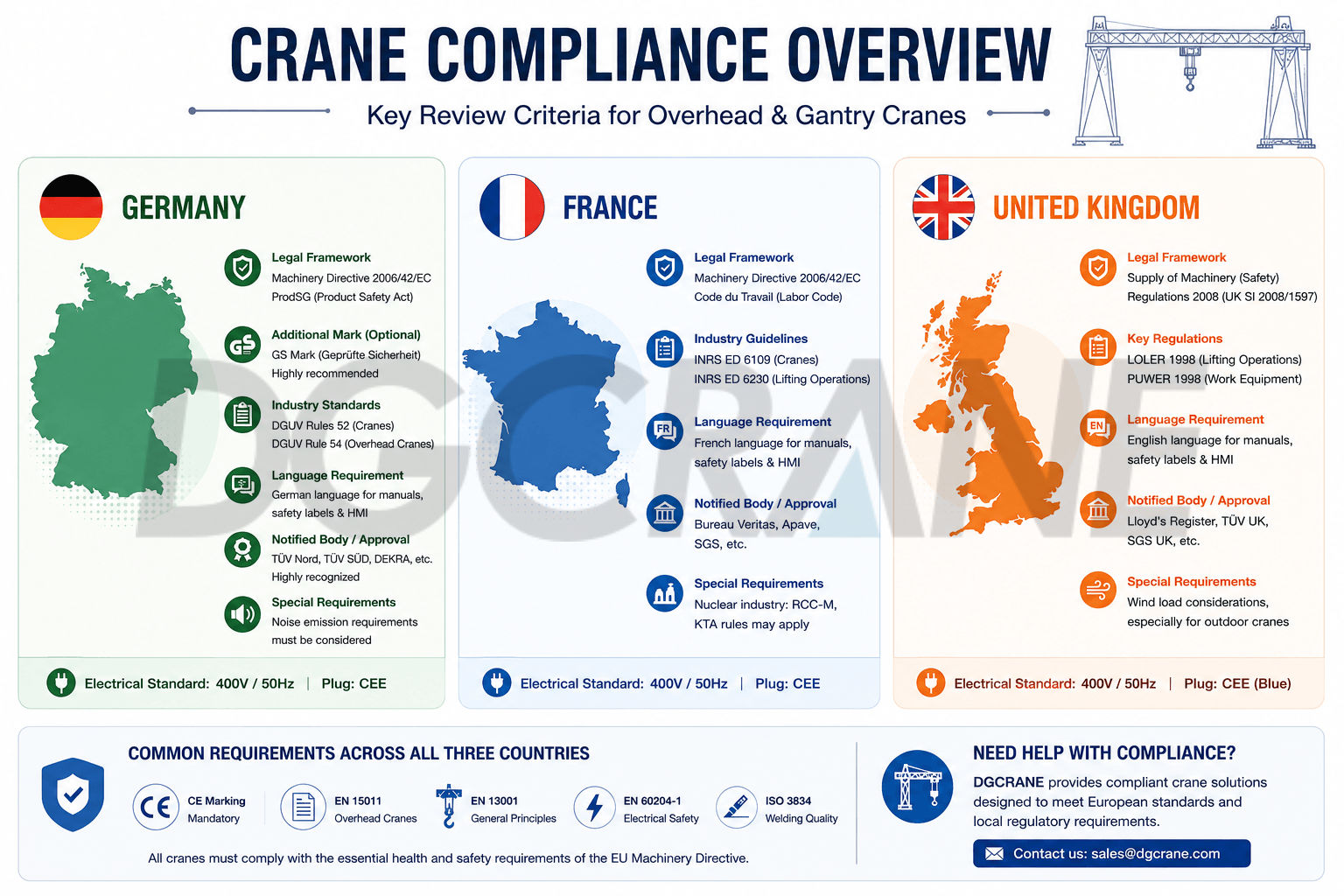
Germany, France & UK: Key Procurement Comparison
The following comparison picture highlights country-specific crane compliance rules for Germany, France, and the UK, helping you quickly identify certification, language, and standard requirements for each market.
Italy: INAIL Signs Off First

INAIL Inspection and Registration: Newly installed cranes need INAIL inspection and registration prior to operation. Per the April 11, 2011 Ministerial Decree, employers shall submit a commissioning notice to INAIL to get an equipment registration number and apply for the first periodic inspection 60 days before the Annex VII-specified deadline. INAIL or its accredited third parties must complete the inspection within 45 days; otherwise, employers may appoint other registered inspectors.
Regional ASL (Local Health Authorities): ASLs across Italian provinces may have differing interpretations and requirements regarding implementation; purchasers should consult with the local ASL in advance.
Technical and Localization Requirements
- Voltage/Power Supply: 400V/50Hz; utilizes Italian CEI-standard industrial plugs.
- High-Temperature Environment: Summer ambient temperatures in southern Italy can reach 40–45°C; the heat dissipation design of the electrical control cabinet must be verified for this temperature range.
- Wind Load: Coastal areas (e.g., Trieste, Genoa) experience high instantaneous wind speeds; outdoor gantry cranes require specific structural verification.
- Seismic Requirements: Italy is a high-seismic-risk region; equipment design must include seismic verification based on the project site’s seismic zone (in accordance with the NTC 2018 Technical Standards for Construction)—a requirement that is virtually standard in Italian procurement contracts.
Market Access Checklist
- The supplier is required to assist with preparations for the initial INAIL inspection.
- Seismic zone parameters for the project site must be clearly defined and incorporated into the design inputs (in accordance with the Italian NTC 2018 standard).
- RINA is the most prestigious Notified Body in Italy; selecting RINA ensures the highest level of acceptance within the country.
- It is recommended that the HMI interface and operation manuals be provided in Italian as standard.
Spain: 17 Regions, 17 Rulebooks
Regional Registration Procedures: Spain features a decentralized governance system. Its 17 autonomous communities and 2 autonomous cities run separate industrial safety registries, leading to regional differences in crane post-installation registration and inspection procedures. Buyers shall confirm relevant requirements with local industrial authorities at project start and follow local rules.
OCA (Autorizado Control Organismo): In Spain, certain periodic inspections must be performed by a local OCA; not all EU Notified Bodies hold OCA authorization. Purchasers should confirm whether the Notified Body designated by the supplier is recognized as an OCA in Spain.
Technical and Localization Requirements
- Voltage/Power Supply: 400V/50Hz; industrial plugs generally comply with CEE standards.
- Language: Castilian Spanish (nationwide); some operators in the Catalonia region may prefer Catalan. Operating manuals and safety signage must be provided in Spanish at a minimum.
- High-Temperature Environments: Summer ambient temperatures in inland Spain (e.g., Madrid, Seville) can exceed 45°C; electrical control cabinets require special attention regarding heat dissipation and derating design.
Market Access Checklist
- Confirm the industrial equipment installation licensing process with the local autonomous region’s industrial bureau at the project initiation stage.
- Verify whether the supplier’s Notified Body holds OCA accreditation in Spain.
- Spanish-language documentation and HMI interfaces are mandatory requirements.
- Electrical cooling solutions for inland projects must be capable of operating in ambient temperatures exceeding 45°C.
Netherlands: NLA Enforces, RvA Accredits
NLA (Netherlands Labour Authority): As the frontline regulatory and enforcement body for crane safety, it oversees crane operator registration, compliance inspections at construction sites, and periodic re-inspections of lifting equipment. Purchasers should clearly specify requirements for technical documentation, such as operation manuals and operator qualifications.
RvA (Dutch Accreditation Council): The sole national accreditation body in the Netherlands (operating under ISO/IEC 17011), responsible for accrediting inspection and certification bodies—a prerequisite for their designation as EU Notified Bodies. If a supplier's CE certification was issued by a Dutch Notified Body, the purchaser can verify that body’s scope of accreditation via the RvA website as an additional verification step.
Chapter 7 of the Arbeidsomstandighedenbesluit (Working Conditions Decree) references the EU Machinery Directive.
Technical and Localization Requirements
- Voltage/Power Supply: 400V/50Hz; CEE standard industrial plug.
- Special Environmental Conditions: Soft soil foundations are common across the Netherlands; settlement of the gantry crane’s rail foundation is a critical factor during equipment selection. It is recommended to require the supplier to provide data on foundation reaction forces and permissible settlement limits within the procurement contract.
- Coastal Corrosion: In the Port of Rotterdam and along the North Sea coast, the anti-corrosion rating for steel structures should ideally meet the C4/C5 standard (ISO 12944); the purchaser should explicitly specify these anti-corrosion requirements in the technical specifications.
- Automation Trends: Dutch ports feature high levels of automation (e.g., the ECT terminal in Rotterdam); for intelligent cranes, particular attention must be paid to cybersecurity and functional safety.
Market Access Checklist
- English documentation is generally acceptable, but it is recommended that safety signage be in Dutch.
- For projects in areas with soft soil, suppliers must be required to provide detailed data on foundation loads and permissible settlement.
- The corrosion protection grade for the port environment must be explicitly specified in the technical specifications.
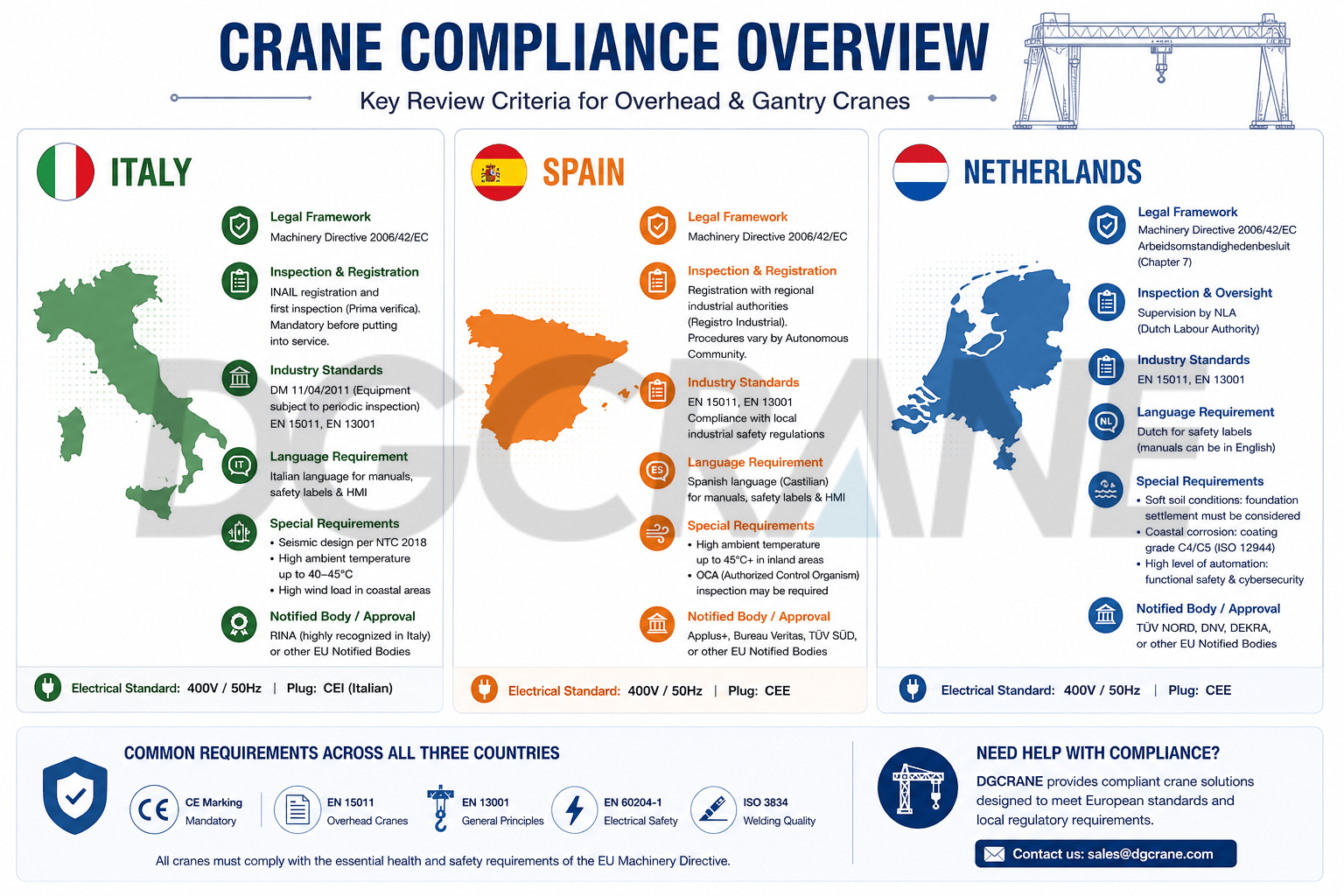
Italy, Spain & Netherlands: Key Procurement Comparison
This comparison highlights country-specific crane compliance rules for Italy, Spain, and the Netherlands, helping you quickly identify certification, language, and standard requirements for each market.
Belgium: FOD WASO Rules Are Essential
FOD WASO (Federal Department for Public Services Employment, Labor and Social Dialogue) is responsible for drafting and enforcing a nationally unified legal framework for workplace safety. Core regulations concerning overhead and gantry cranes are enshrined in the Code on Well-being at Work (Codex over het welzijn op het werk), which integrates provisions previously scattered across the ARAB (General Labor Protection Regulations).
Technical and Localization Requirements
- Voltage/Power Supply: 400V/50Hz, CEE industrial plug
- Language: Dutch documentation is required for the Flanders region, and French documentation for the Wallonia region. The purchaser must prepare the version in the appropriate language based on the equipment’s final installation site.
- Belgian Ports: The ports of Antwerp and Zeebrugge are major European logistics hubs; port cranes must be designed to withstand marine corrosion and storm conditions.
Market Access Checklist
- Confirm the equipment installation area before contract signing and determine the language version of the documentation accordingly.
- For projects in the Brussels region, it is recommended to prepare versions in both Dutch and French.
Austria: ÖNORM on Top, TÜV AUSTRIA Signs
ÖNORM and National Standards: ÖNORM EN 15011 is technically identical to EN 15011:2020; the 2024 reissue only contains editorial corrections to the German text, with no substantive technical changes. While citing the ÖNORM reference aids local acceptance, it is equivalent to EN 15011:2020.
TÜV AUSTRIA: Acts as an EU Notified Body for conducting EU-type examinations (Annex IV) on overhead and gantry cranes. It is also an accredited inspection body in Austria, holding the qualifications specified in AM-VO §8 (Category A) to perform both initial inspections and periodic annual inspections.
Arbeitsinspektion (Labor Inspectorate): Possesses statutory authority to oversee crane safety and conduct on-site enforcement; it mandates inspection obligations and intervals for cranes. It verifies whether purchasers comply with inspection regulations and has the power to issue rectification orders or impose penalties for violations.
Technical and Localization Requirements
- Voltage/Power Supply: 400V/50Hz, CEE industrial plug
- High Altitude: For Alpine projects (e.g., cranes for ski resort lifts or hydroelectric power stations), the impact of high altitude on motor heat dissipation and insulation must be considered (derating typically applies above 1,000m)
- Language: Operation manuals and HMI must be in German
- Low Temperature: Winter temperatures in mountainous areas can drop to -25°C to -30°C. Hydraulic and lubrication systems must be specified with appropriate low-temperature grades
Market Access Checklist
- Explicitly cite the ÖNORM EN 15011 version number in the technical specifications.
- Prioritize TÜV AUSTRIA as the Notified Body.
- For installation sites at altitudes exceeding 1,000 meters, consult the manufacturer in advance regarding motor derating measures.
Switzerland: SUVA Is Needed
Switzerland is not a member of the EU or EEA but recognizes CE certification through a Mutual Recognition Agreement (MRA); however, a key distinction is that Switzerland maintains specific crane regulations not found in EU countries.
Kranverordnung: This is Switzerland's unique crane regulation (distinct from EU rules), enforced by SUVA and last revised in September 2023. While Category C of overhead and gantry cranes does not require a SUVA-approved expert for periodic inspections, the ordinance's safety, inspection and documentation requirements still apply.
SN EN Standards: These are adopted as equivalents, with no unique technical requirements. As a full member of CEN (via SNV), Switzerland mandates the adoption of European standards as equivalent national standards. The technical content is identical. Compliance with EN standards constitutes compliance with SN standards.
Technical and Localization Requirements
- Voltage/Power Supply: 400V/50Hz, 3-phase; CEE industrial plug.
- Language: Switzerland has three official languages; crane documentation must match the installation site's linguistic region (German, French, or Italian). VUV Article 6 requires safety information to be understandable to employees, so manuals and HMIs must be in the local language. We recommend pairing the local language with ISO 7010 universal symbols for HMIs and warning signs.
- High Altitude: For projects in Alpine regions (above 1,000m), motor heat dissipation derating must be considered.
- Low Temperature: Winter temperatures in mountainous areas can drop to -15°C or -20°C; hydraulic and lubrication systems require low-temperature grade specifications.
- Import Customs Clearance: As of January 1, 2024, the tariff on industrial goods (HS 8426) is 0%, and import VAT is 8.1%; for large cranes shipped in multiple batches, a request for an advance ruling must be submitted to customs 30 days in advance to ensure classification as a complete unit.
Market Access Checklist
- Contractually require suppliers' CE certificates to comply with (EU) 2023/1230 and Swiss MaschV, plus clauses for MRA revision risk allocation.
- State Category C per Kranverordnung in the contract to support SUVA registration and inspections.
- Notify Swiss clients in writing to set up daily/annual checks and crane logbooks per EKAS 6511 post-installation.
- Confirm site linguistic region pre-contract; use a single standard language for manuals, HMI, and safety signs.
- Choose SGS Geneva or TÜV SÜD Switzerland to streamline local acceptance.
- Zero import tariff applies from 2024; budget for 8.1% VAT. Apply customs advance rulings for split shipments.
- Clarify in the contract responsibilities for post-installation full inspection (by qualified crane specialists) and logbook management.
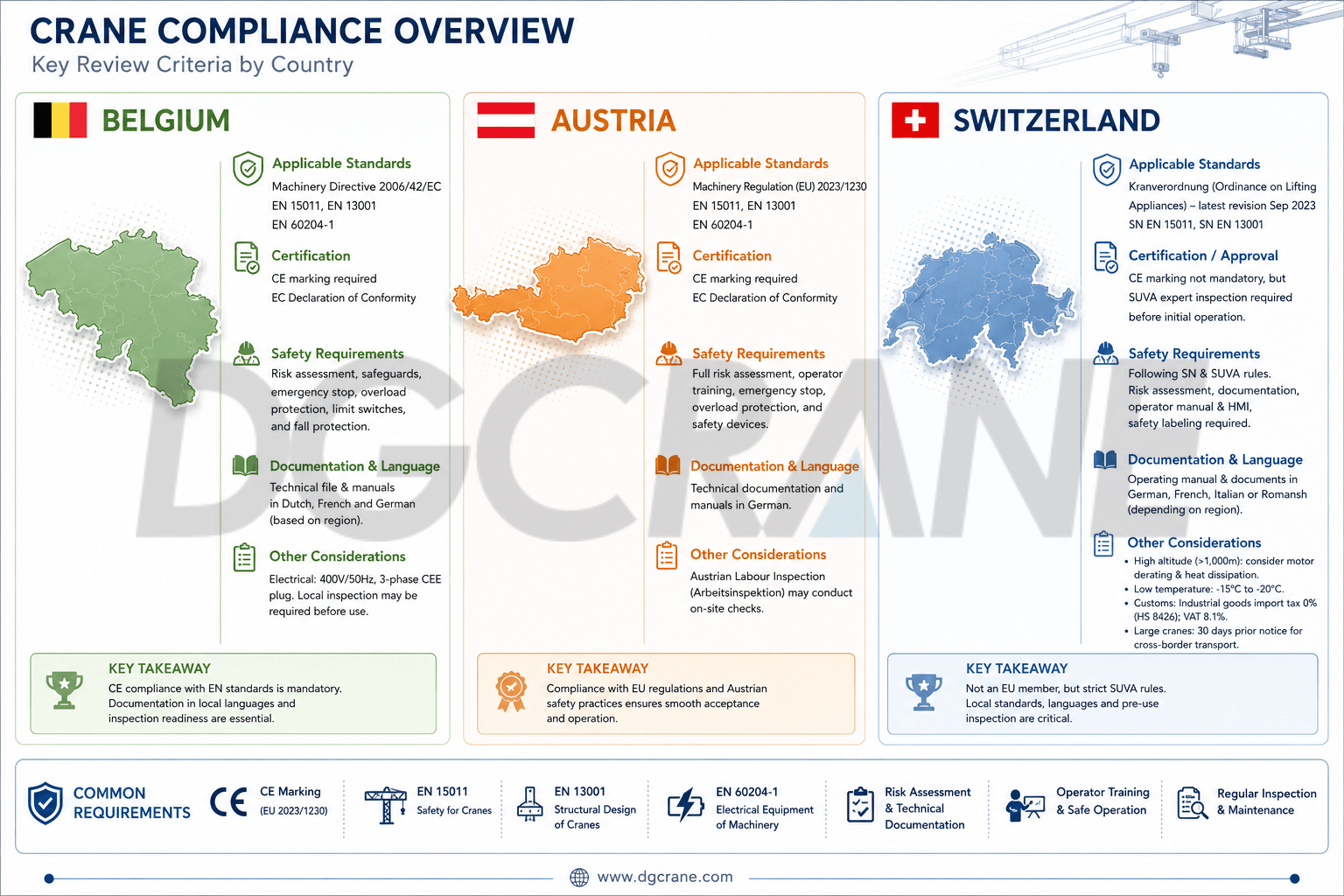
Belgium, Austria & Switzerland: Key Procurement Comparison
This comparison highlights country-specific crane compliance rules for Belgium, Austria, and Switzerland, helping you quickly identify certification, language, and standard requirements for each market.
Nordic countries: 5 Different Inspectors
Nordic countries recognize CE standards for regulations and represent the most demanding environment for cranes in the European market. However, strict adherence to specific common requirements is mandatory.
- Low-temperature design: Winter ambient temperatures range from -30°C to -40°C (with extremes reaching -45°C in inland areas).
- Steel structure materials: Steel with low-temperature impact toughness must be selected (EN 10025 series, with the minimum operating temperature corresponding to the impact test temperature); grades S355J2 or S355K2 are typically required (guaranteeing impact energy at -20°C / -40°C).
- Electrical components: Components such as PLCs, variable frequency drives (VFDs), and sensors must be low-temperature rated or housed in electrical cabinets equipped with heating systems.
- Lubrication systems: Low-temperature grades of grease and hydraulic oil must be suitable for the minimum operating temperature.
- Cables: Standard PVC cables become brittle in low-temperature environments; low-temperature-resistant rubber cables must be used.
- Electrical and protection: Electrical cabinets typically require an IP55 protection rating or higher; motors must feature built-in anti-condensation heating elements and require preheating before restarting after prolonged downtime.
| Country | Document Language | Regulatory Authority | Power Supply | Special Requirements |
|---|---|---|---|---|
| Sweden | Swedish | Arbetsmiljöverket (Swedish Work Environment Authority) + SWEDAC (Swedish Board for Accreditation and Conformity Assessment) | 400V 50Hz | Workplace safety rules may exceed EU minimum standards. Purchasers shall confirm additional requirements with the local Arbetsmiljöverket. |
| Norway | Norwegian | Arbeidstilsynet (Norwegian Labour Inspection Authority) + DSB (Norwegian Directorate for Civil Protection and Emergency Planning) | 400V 50Hz | Offshore/shipyard cranes may require NORSOK compliance; clarify this in contracts for oil and gas clients. Note possible large voltage fluctuations in remote areas. |
| Finland | Finnish+Swedish | Tukes (Finnish Safety and Chemicals Agency) | 400V 50Hz | Lapland outdoor cranes must withstand -40°C, Europe's strictest low-temperature requirement. Note compliance for shipments transiting Russia. |
| Denmark | Danish | Arbejdstilsynet (Danish Labour Inspection Authority) | 400V 50Hz | Steel structures require minimum C4 corrosion resistance (ISO 12944). High wind speeds demand careful wind load calculation and anchorage design for outdoor gantry cranes. |
| Iceland | Icelandic+English | Vinnueftirlitið (Icelandic Labour Inspectorate) | 400V 50Hz | Design for corrosion from volcanic ash, sulfur gases, and hydrogen sulfide in geothermal areas. |
Market Access Checklist
- Clearly specify the minimum operating ambient temperature in the technical specifications as a design input.
- Steel material grades must meet low-temperature impact requirements (no lower than S355J2).
- Verify the low-temperature suitability of the electrical system as a key focus during the FAT stage.
- Operation manuals in the local language are required for each country. Do not mix them up.
- A minimum corrosion protection class of C4 is recommended; C5 is recommended for coastal projects.
Poland and CEE: Different Countries, Different Rules
| Country | Document Language | Regulatory Authority | Power Supply | Special Requirements |
|---|---|---|---|---|
| Poland | Polish | UDT (Technical Inspection Office) + PIP (National Labour Inspectorate) | 400V 50Hz | Even if the equipment has CE certification, it still needs to pass UDT inspection before being put into use in Poland. |
| Czech Republic | Czech | TIČR (Technical Inspection Institute) + SÚIP (National Labour Inspection Office) | 400V 50Hz | As a major European manufacturing country, its automotive industry (e.g., Skoda) requires the same high safety level for cranes as Germany. |
| Hungary | Hungarian | MKEH (Hungarian Trade and Consumer Protection Authority) | 400V 50Hz | – |
| Romania | Romanian | ITM (Labour Inspectorate) | 400V 50Hz | Some of the infrastructure standards still reference older versions that need to be confirmed. |
| Bulgaria | Bulgarian | GIT (General Labour Inspectorate) | 400V 50Hz | Pay attention to the stability of the power system in some regions. |
| Slovakia | Slovak | NIP (Labour Inspectorate) | 400V 50Hz | Highly consistent with the Czech standard system. |
| Slovenia | Slovenian | IRSD (Labour Inspectorate) | 400V 50Hz | – |
| Croatia | Croatian | DIRH (Labour Inspectorate) | 400V 50Hz | – |
| Greece | Greek | SEPE (Labour Inspectorate) | 400V 50Hz | Seismic zone requirements (one of the most seismically active countries in Europe). |
| Portugal | Portuguese | ACT (Working Conditions Management Authority) | 400V 50Hz | – |
| Ireland | English | HSA (Health and Safety Authority) | 400V 50Hz | LOLER-type inspection requirements (similar to the UK). |
The Machinery Regulation (EU) 2023/1230
The Machinery Regulation (EU) 2023/1230 officially entered into force on July 19, 2023, and will become fully mandatory across all EU member states starting January 20, 2027. Concurrently, the old Machinery Directive 2006/42/EC will be repealed on January 20, 2027. Consequently, EC-type examination certificates issued under the old directive will no longer be accepted for equipment newly placed on the market. The table below summarizes the four major changes in the new regulations.
| Field of Change | Specific Content | Impact on Purchasers/Importers |
| Cybersecurity | Crane control systems must be equipped with anti-cyberattack capabilities | Intelligent cranes with IoT, remote monitoring, predictive maintenance, and other functions must provide cybersecurity compliance certificates |
| AI High-Risk Classification | Devices with integrated AI safety functions may be classified as high-risk | Cranes with AI vision anti-collision, AI automatic path planning, and other functions are subject to stricter compliance assessment |
| Digital Documentation | Technical documents and manuals shall be delivered in digital format | Importers must establish digital document receiving and archiving capabilities; paper documents are no longer the default option |
| Definition of Major Modification | Clarifies the re-certification obligation for major modifications to in-service equipment | Replacement of lifting mechanisms, modification of control systems, etc., may trigger re-certification |
Key Focus Period
- From the second half of 2026: Newly signed contracts must require suppliers to obtain certification under Regulation (EU) 2023/1230 (rather than Directive 2006/42/EC).
- Before Q4 2026: Equipment scheduled for delivery in early 2027 must comply with the new regulations; purchasers should immediately verify the applicable directive version for existing contracts.
- After January 20, 2027, all equipment newly placed on the market must be certified under Regulation (EU) 2023/1230; certificates issued under the old directive are no longer valid for new equipment.
The new Machinery Regulation does not apply to the UK. However, Northern Ireland may be indirectly affected due to the Windsor Framework, so continued monitoring is required.
Start Your European Crane Project with Confidence
Entering the European market involves more than just CE marking. Diverse national regulations, inspections, languages, and industry norms across Europe pose compliance risks. Early awareness of local rules helps avoid delays and streamline on-site work.
Choosing a crane supplier with solid European compliance expertise is critical. DGCRANE has extensive experience serving European clients, fully complying with EN 15011, EN 13001, and regional technical standards. We offer one-stop support covering design, certification, FAT, multilingual documents, and delivery.
For your upcoming European crane projects or standard inquiries, contact our team. We will deliver fully compliant, customized crane solutions for your needs.
FAQ
Do all European countries only require CE certification?
No. While CE marking is mandatory for the European Economic Area, many countries impose additional local requirements such as periodic inspections, language documentation, or industry-specific regulations.
Will the new EU Machinery Regulation affect existing cranes?
Unaffected. Cranes lawfully placed on the market before January 20, 2027, will continue to operate under the framework of the old Machinery Directive 2006/42/EC without the need for recertification.
Can a crane certified under FEM 1.001 still be accepted?
Whether under the old directives or the new regulations, FEM 1.001 does not provide a sufficient basis for CE compliance. When conducting type examinations, Notified Bodies (such as TÜV or SGS) require structural calculation notes and verification reports based on EN 13001, not FEM.

Zora Zhao
Expert in Overhead Crane/Gantry Crane/Jib Crane/Crane Parts Solutions
With 10+ years of experience in the Crane Overseas Export Industry, helped 10,000+ customers with their pre-sales questions and concerns, if you have any related needs, please feel free to contact me!
WhatsApp: +86 189 3735 0200
Email: zorazhao@dgcrane.com
Contact Details
DGCRANE is committed to providing the professional Overhead crane products and relavent service. Exported to Over 100 Countries, 5000+ Customers Choose Us, Worth to be Trusted.
Get In Touch
Fill out your details and someone from our sales team will get back to you within 24 hours!
Subscribe to our newsletter
The latest DGCRANE price list, news, articles, and resources.
- Overhead Cranes
- Single Girder Overhead Cranes
- Double Girder Overhead Crane
- Low Headroom Overhead Cranes
- Underslung Cranes
- FEM Standard Overhead Cranes
- Grab Bucket Overhead Crane
- Manual Overhead Cranes
- LDP Single Girder Overhead Cranes with Side-Mounted Hoists: Optimal Solution for Low-Ceiling Workshops