


-
INDUSTRIES
-
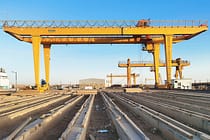
Precast Concrete Plant
-
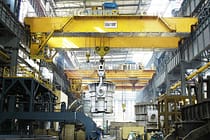
Steel Industry
-
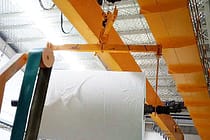
Paper Industry
-
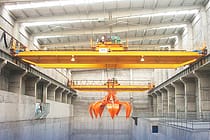
Waste to Energy and Biomass Industry
-
Power Industry
-
Overhead Cranes for Automotive Production: Smart Solutions for Enhanced Efficiency
-
Port Machines Industry
-
Manufacturing Industry
-
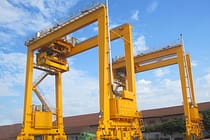
Different Types of Container Cranes, Shipyard Cranes, Cargo Cranes Used in Port, Harbor and Quay
-
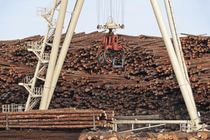
Overhead Cranes for Timber Lifting: Efficient and Safe Wood Handling
-
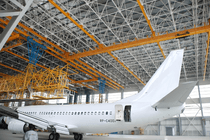
Overhead Cranes for the Aviation Industry: Streamlining Aircraft Assembly, Maintenance, and Repair
-
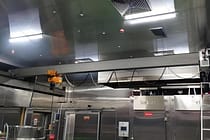
Overhead Cranes for Food and Beverages: Ideal for improving productivity and food safety
-
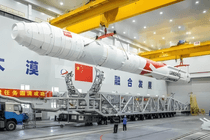
Overhead Cranes for Aerospace Industry: Key Role in Efficient Rocket Manufacturing and Launch
-
-
EQUIPMENT
-
Overhead Cranes
-
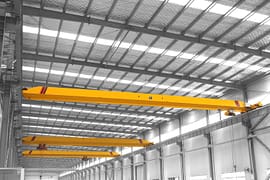
Single Girder Overhead Crane
-
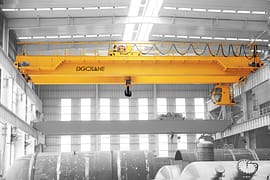
Double Girder Overhead Crane
-
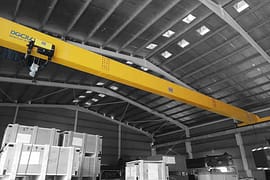
FEM Standard Overhead Cranes
-
Low Headroom Overhead Cranes
-
Grab Bucket Overhead Crane
-
Electromagnetic Overhead Cranes with Lifting Magnet
-
Electromagnetic Overhead Cranes with Magnet Beam
-
Manual Overhead Cranes
-
Double Trolley Overhead Cranes
-
LDP Single Girder Overhead Cranes
-
- Eot Cranes
- Gantry Cranes
- Jib Cranes
-
Hoist & Winch Trolley
-
Electric Wire Rope Hoists
-
FEM Standard Wire Rope Electric Hoists
-
FEM Standard Electric Chain Hoists
-
Crane Trolley
-
Chain Hoists
-
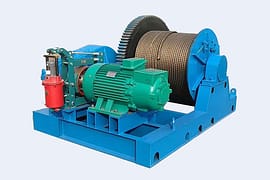
Electric Winch
-
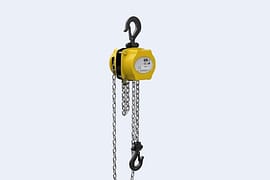
Manual Chain Hoists
-
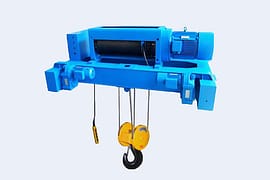
Double Girder Trolley Electric Hoists
-
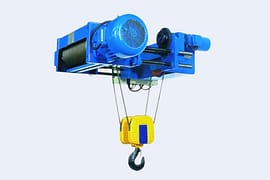
Low Headroom Wire Rope Electric Hoist
-
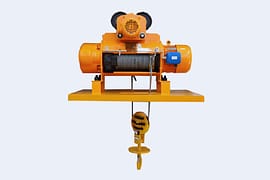
Electric Hoist for Molten Metal
-
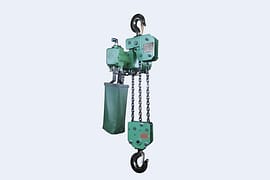
Pneumatic (Air) Chain Hoists
-
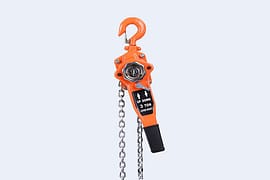
Lever Hoists
-
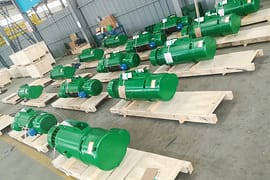
Electric Hoists
-
- Workstation Cranes
- Portable Gantry Cranes
- Explosion Proof Cranes & Hoists
- Special Cranes
- Port Cranes
- Electric Transfer Carts
-
Overhead Cranes
-
CRANE PARTS
- Crane Wheel Assembly
- Crane Grab Buckets
- Crane Tongs
- Crane Spreader
- Crane Drives
-
Crane Electrical Equipment
-
Overload Limiter
-
Crane Cabin
-
Crane Power Supply System
-

Explosion Proof Crane Radio Remote Controls
-
Joystick Type Crane Radio Remote Controls
-
Pushbutton Type Crane Wireless Remote Controls
-
Single-pole Insulated Conductor Rails
-
Enclosed Conductor Rails
-
Seamless Conductor Rails
-
Copperhead Conductor Rails
-
Overhead Crane Cables
-
- Other Cranes Parts
- ABOUT US
- CONTACT US
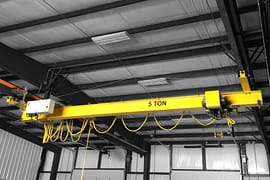
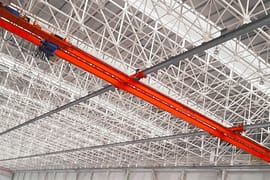
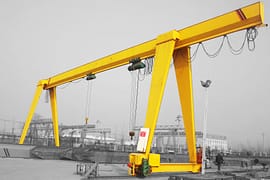
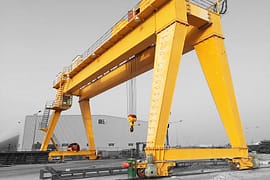
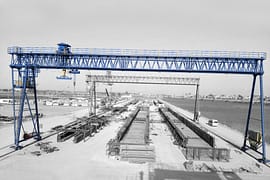
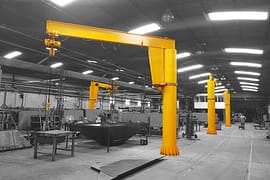
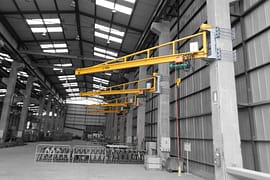
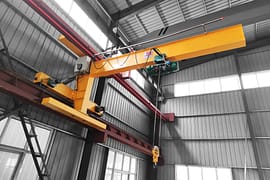
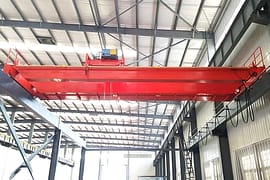
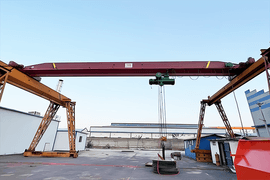
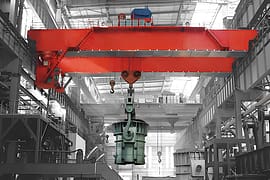
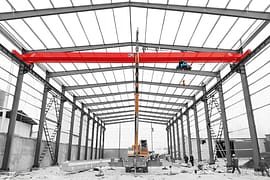
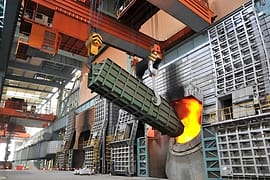
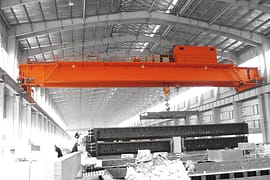
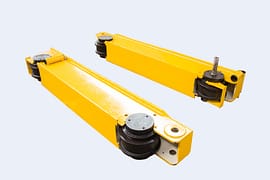
20 Ton Double Girder Overhead Crane for Hydropower Station in Kyrgyzstan
Table of Contents
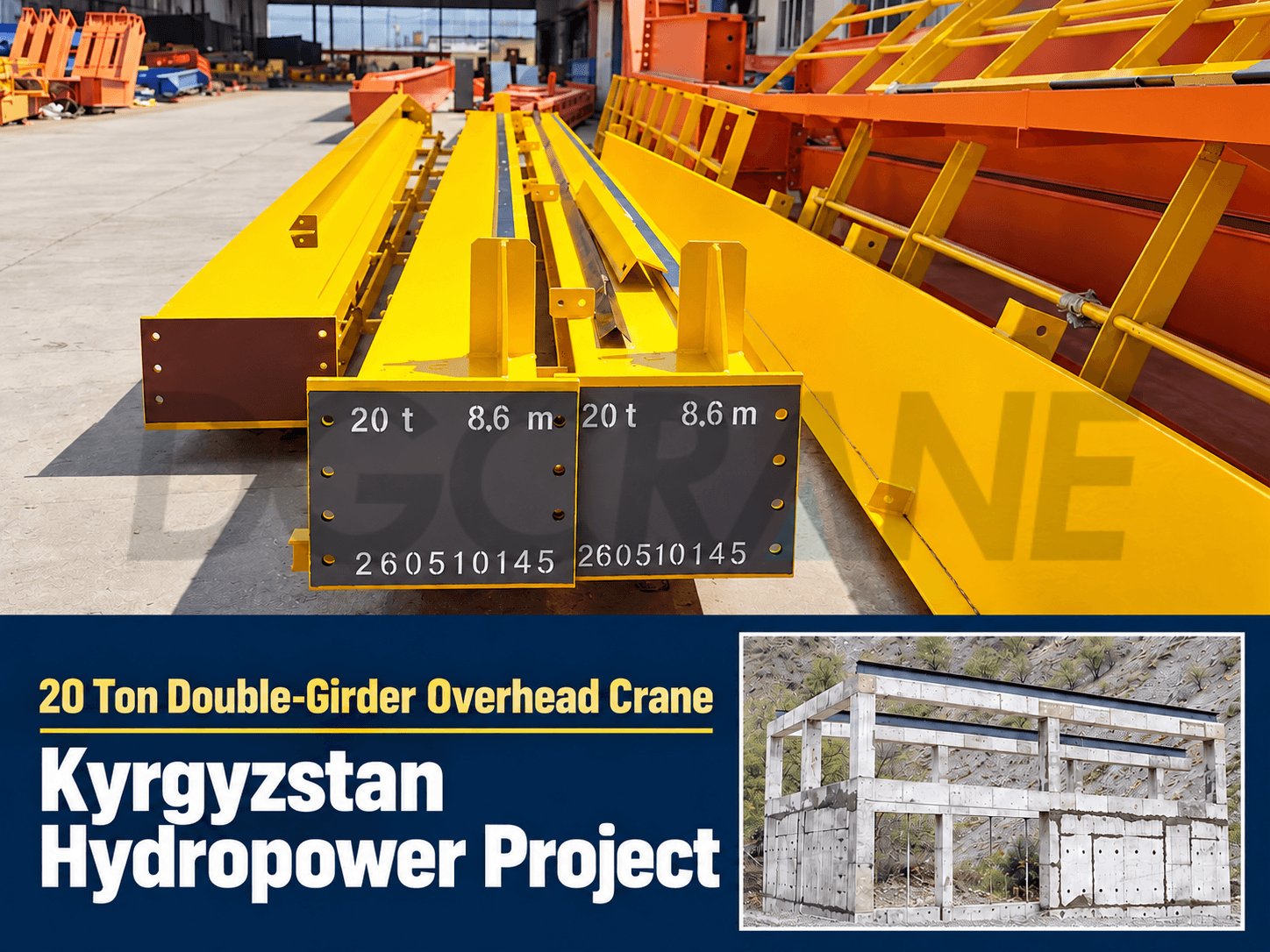
A hydropower station project in Kyrgyzstan called for accurate generator placement, lifting between areas at different floor levels, careful planning around powerhouse obstacles, and reliable long-term protection and maintenance. We specified dual-speed hoisting so the double girder overhead crane could place the generator and turbine steadily and accurately while still handling routine lifts efficiently. We also used the powerhouse drawings to define the crane’s lifting coverage, coated the main and end girders with zinc-rich epoxy primer, and specified IP54 protection for the electrical equipment. To simplify future maintenance, the supply includes two years’ worth of wear parts, allowing the customer to replace components on site without repeated purchases and long waits. The crane has now been manufactured, packed, loaded, and dispatched.
Project Background
The hydropower station in Kyrgyzstan has two turbines and their associated generators inside the powerhouse. The customer needed a double girder overhead crane to lift the generators, turbines, and other large equipment into place during construction. Once the station is operating, the same crane will be used to remove, install, and move components during maintenance. Its role therefore extends from initial installation through routine service.
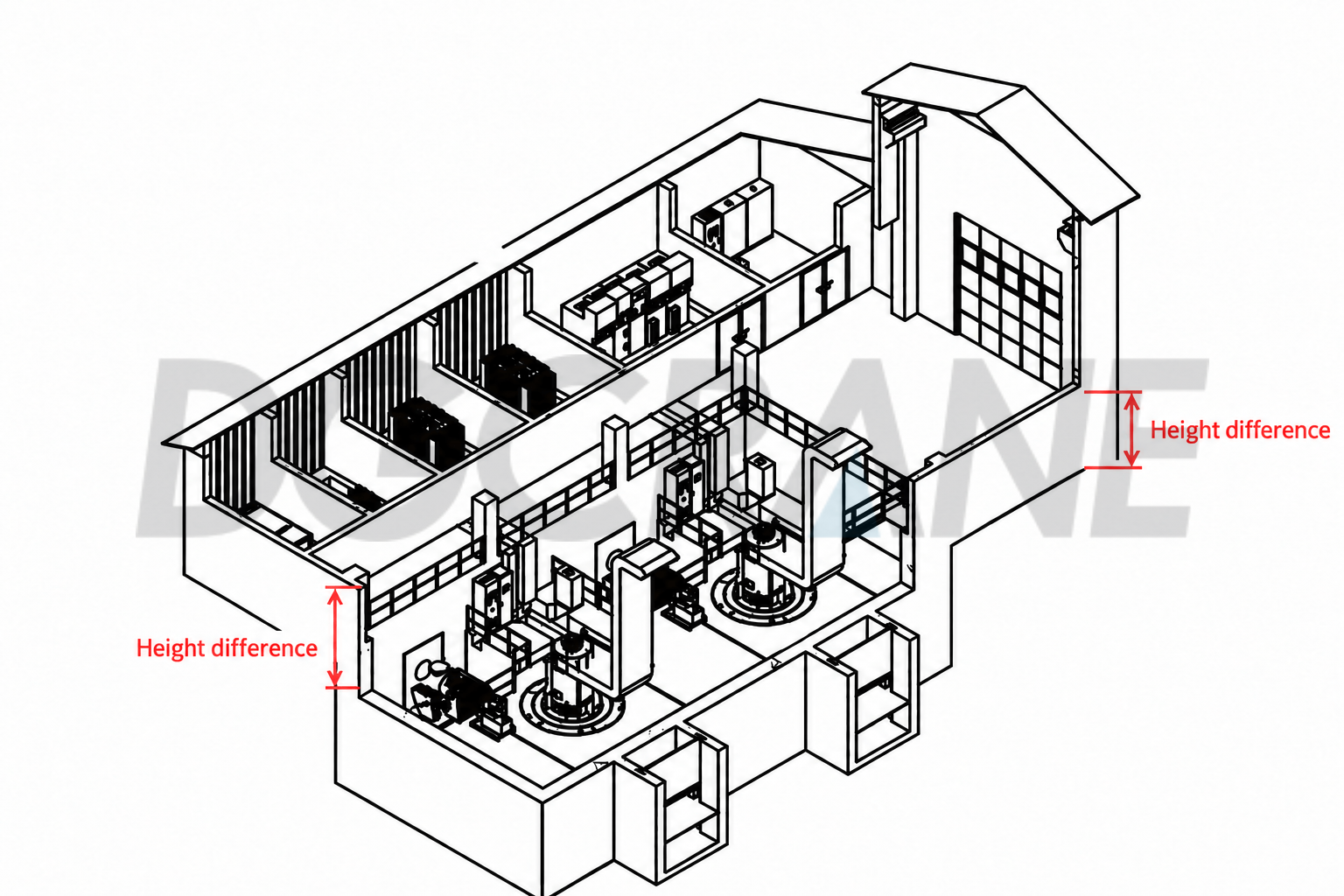
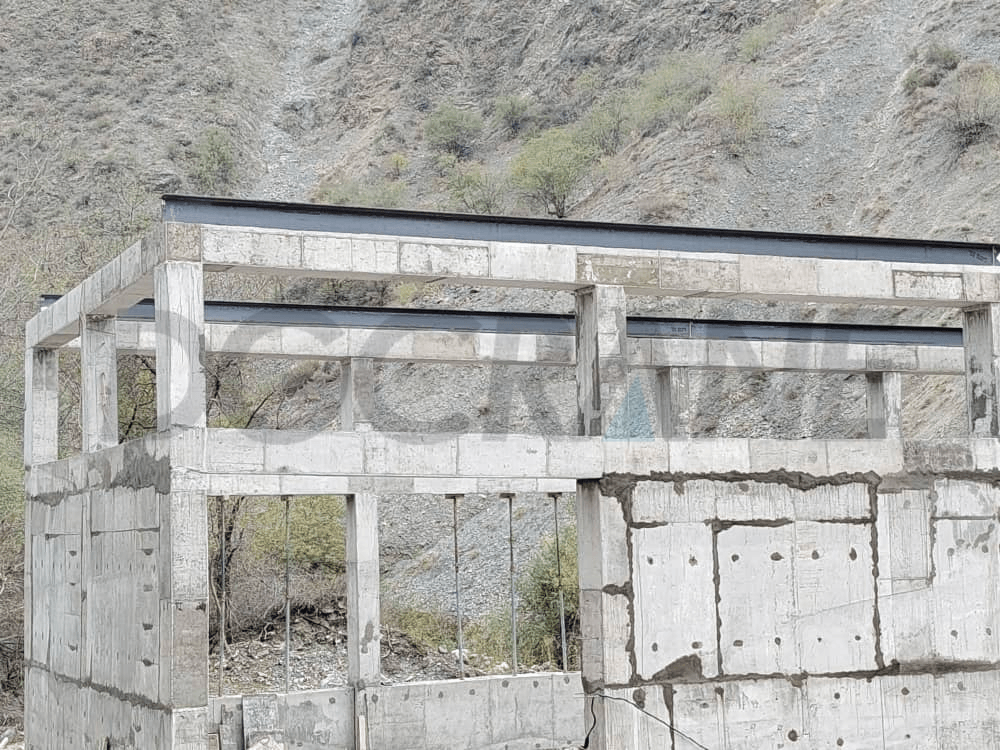
Concrete frames, unit foundations, work platforms, and exhaust ducts occupy different parts of the powerhouse, while the installation and transfer areas are at different heights. Using the customer’s building drawings and construction photos, we checked how the double girder bridge crane would fit around the building and generating units. Both installation and future maintenance needs were considered during design.
Five Lifting Challenges at the Hydropower Station
Placing the Generator and Turbine Smoothly
The generator weighs approximately 17.5 tons and the turbine approximately 10 tons. The generator’s weight was a key factor in determining crane capacity, but the lifting gear and wire rope also had to be included in the actual lifted load. For both units, adequate lifting capacity and accurate control were essential to installation.
The main challenge was lowering the generator and turbine onto their fixed concrete foundations. Sudden acceleration when the crane or trolley starts moving can cause shock and load swing. Once a unit is suspended above its foundation, lowering it too quickly leaves little time to observe and adjust its position, while lowering it too slowly delays the work. The customer therefore needed a double-girder overhead crane that could move the units efficiently yet provide fine control during final placement.
Lifting Between Different Floor Levels
The crane runs above the generating units, but the turbine and generator installation points are at different heights from the equipment transfer area. The hook must reach low enough to attach to a unit, then lift it high enough to clear nearby concrete foundations, platforms, and other structures before moving it toward the installation area.
The available vertical space must also accommodate the unit and its lifting gear. We needed to check the powerhouse cross-sections to establish whether the bottom of a suspended unit would have enough clearance when the hook reached its upper limit, and whether the hook could reach the lower work area. An overlooked position could disrupt movement between the transfer area and the foundations.
Working Around Powerhouse Obstacles
Horizontal space was limited as well. The generating units, platforms, doorways, and exhaust ducts have an irregular layout, and the concrete frame restricts where the crane can be installed. The bridge travels along its rails, the trolley moves across it, and a suspended generator or turbine occupies additional space. All three movement envelopes had to be checked against the surrounding building and equipment.
The hook also needed to cover the installation and maintenance positions. Fitting the double girder EOT crane into the powerhouse was only part of the task: we had to confirm that the hook could still reach the target areas near the ends of the runway and the sides of the building, with enough room to transfer a generator or turbine. This required another check of the floor plan, crane general arrangement drawing, and lifting positions.
Long-Term Protection and Reliability
Equipment in a hydropower powerhouse must be protected against moisture and condensation. Prolonged exposure of steel to moisture and oxygen can lead to corrosion, while electrical components require suitable enclosure protection and insulation.
Maintenance access was another practical concern. The main and end girders sit high above the powerhouse floor. Future inspection, rust removal, or recoating would require work at height and coordination with activities around the generating units below. Surface preparation and coating quality during manufacture therefore matter to the ease of long-term maintenance. The customer wanted these protection requirements built into the materials and production process from the outset.
Timely Replacement of Wear Parts
Once the double-girder overhead crane is exported to Kyrgyzstan, replacement parts must pass through cross-border purchasing and transport. Some wear parts are small but serve important hoisting, braking, power-supply, or control functions. If a worn part cannot be replaced promptly when the crane is needed for unit maintenance, the maintenance work may be delayed.
Site personnel also need to know where each part is installed, which specification applies, and how electrical components are wired. Rechecking models, placing orders, and arranging transport for every replacement could keep the crane out of service longer. The customer therefore wanted suitable spare parts prepared in advance and clearly identified for the maintenance team.
Solutions to the Five Challenges
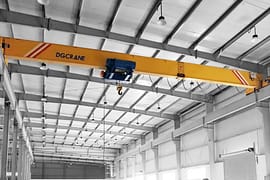
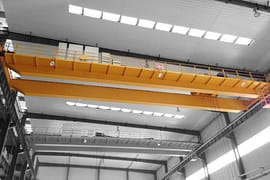
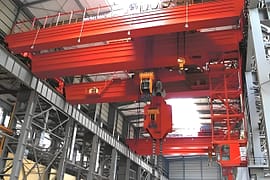
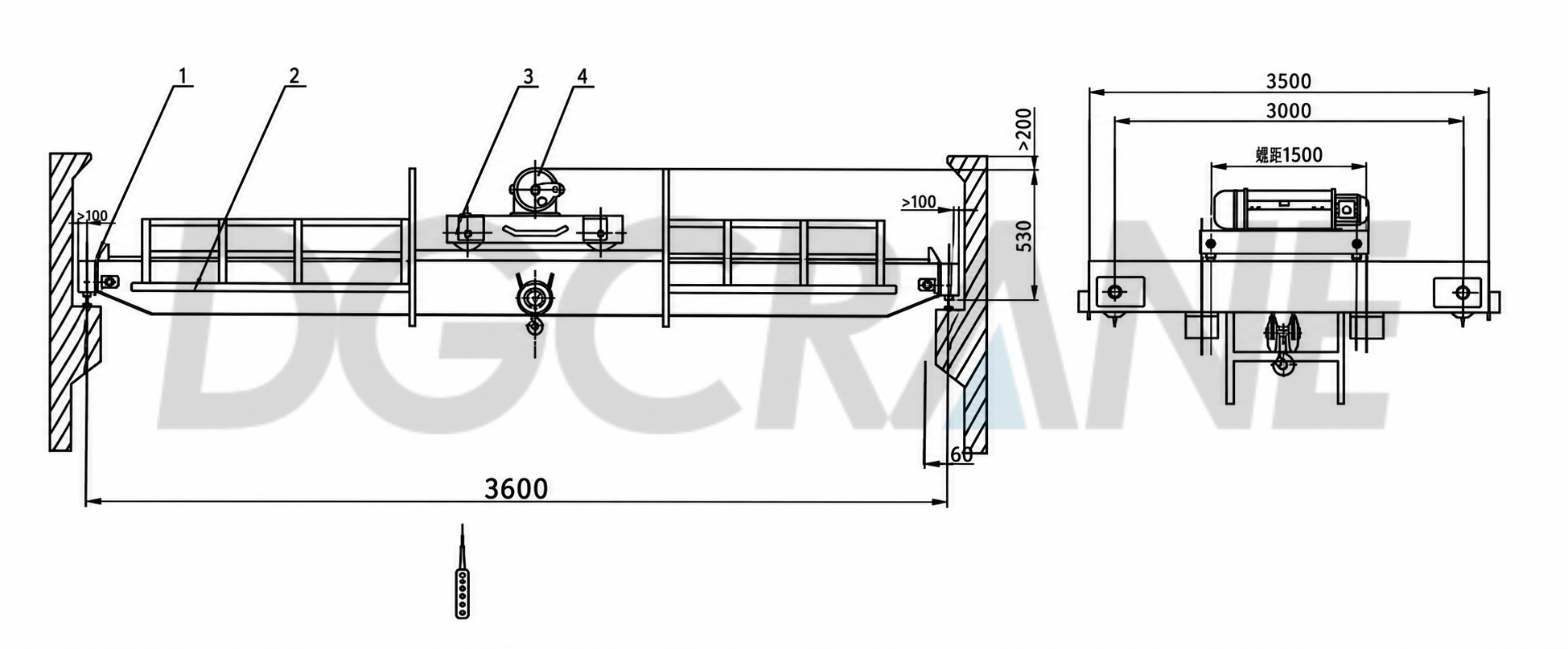
To address these lifting, space, protection, and maintenance challenges, we reviewed the powerhouse layout, equipment weights, and operating needs with the customer. This helped us determine the configuration and specifications of the double girder overhead crane shown below.
Technical Parameters
- Capacity: 20 ton
- Span: 8.6 m
- Lifting height: 13.5 m
- Lifting speed: 3.3/0.33 m/min (Dual-Speed)
- Trolley travelling speed: 10m/min
- Crane travelling speed: 15m/min
- Work duty: A3
- Control method: Wired pendant controller + remote control
- Power supply: 380V/50Hz/3AC, control voltage: 36V
Product Features
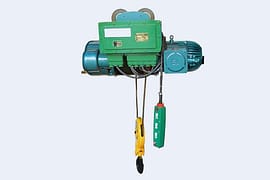
- Simple structure and lower self-weight: The electric-hoist trolley on the LH double-girder overhead crane has an integrated, modular design. Its lower weight also reduces the load imposed on the building’s crane runway beams.
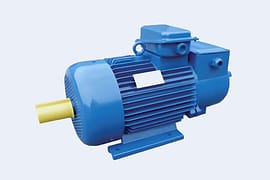
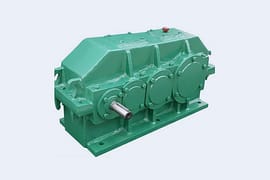
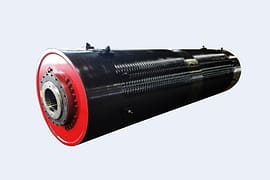
- Straightforward installation and lower maintenance costs: The motor, reducer, and wire-rope drum are integrated into a compact trolley unit. The motor and reducer can be replaced separately without dismantling the main girders.
Dual-Speed Hoisting and Soft-Start Travel Mechanism
For the approximately 17.5-ton generator and 10-ton turbine, we specified a 20-ton LH double-girder overhead crane with lifting speeds of 3.3 and 0.33 m/min. Normal speed serves longer lifts. As the generator or turbine approaches its foundation, operators can switch to the slower speed—one-tenth of normal speed—to observe the unit’s position relative to the foundation and lower it gradually under site direction. The two speeds balance transfer efficiency with careful final placement and let operators adjust the lifting pace to each stage of turbine installation.
Both bridge and trolley travel use soft-start motors. When the crane moves along the runway or the trolley carries a suspended generator or turbine across the bridge, gradual acceleration helps reduce starting shock and load swing. This makes it easier to guide the unit toward its target position. Soft-start travel smooths horizontal movement, while dual-speed hoisting controls vertical movement and final placement; together, these features support steady lifting of both units.
Lifting at Different Heights
Because the turbine and generator installation areas are at different heights from the transfer area, we checked the powerhouse cross-sections to confirm that the hook could reach the equipment and that there would be enough space to lift, transfer, and place each unit. The required lifting height was set at 13.5 m.
The calculation also accounted for rail installation height, the space occupied by the bridge and electric-hoist trolley, and the height of each unit and its lifting gear. Once raised, the bottom of a suspended unit must remain clear of concrete foundations and work platforms so it can continue toward its installation position. The chosen lifting height therefore covers both pickup at the lower work area and sufficient clearance for moving the raised generator or turbine.
Fitting the Crane to the Powerhouse
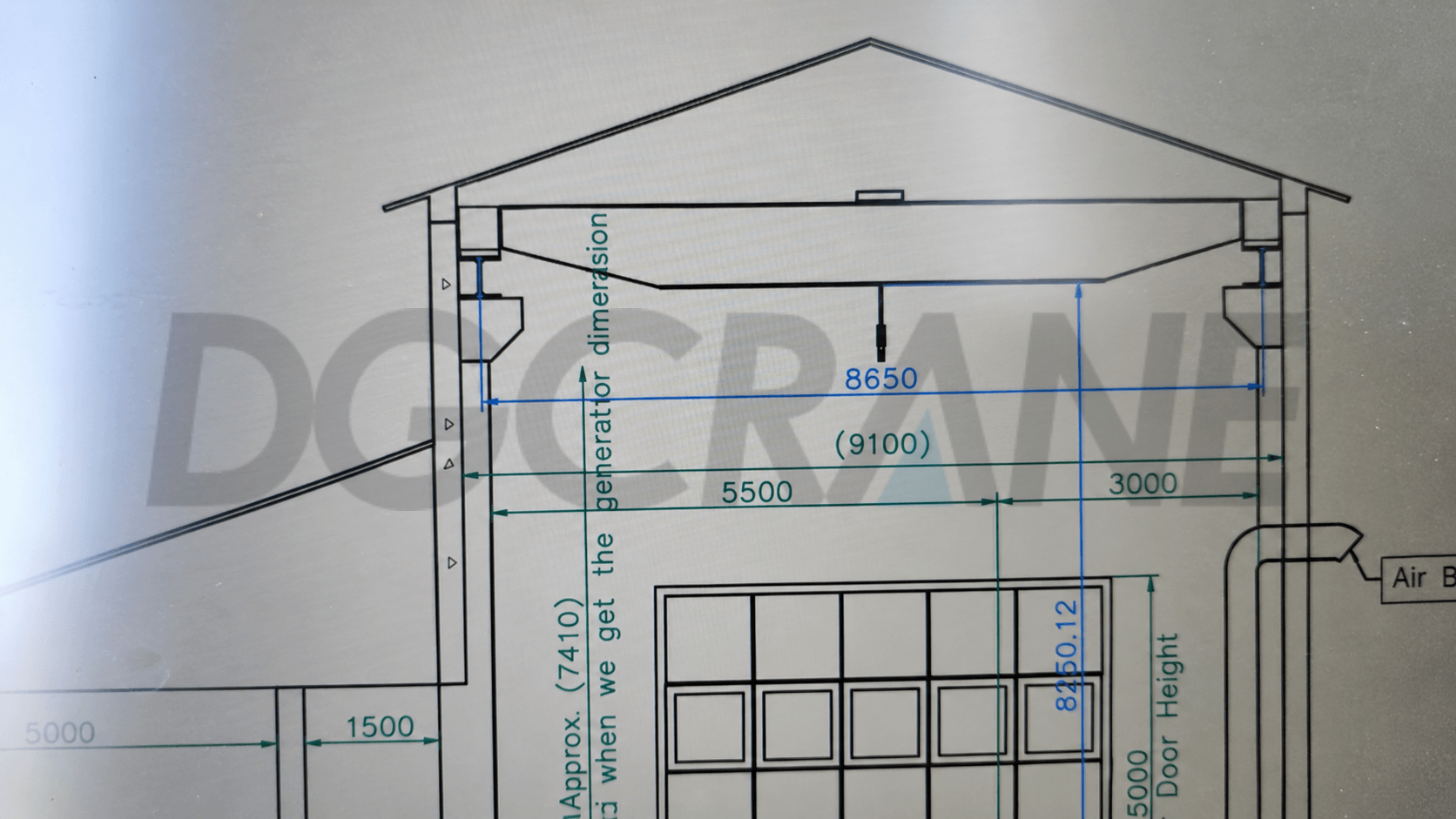
Based on the powerhouse width and the layout of the rails on both sides, we set the double girder bridge crane span at 8.6 m and the trolley gauge at 1.5 m. The span corresponds to the distance between the runway rail centerlines, but hook coverage also depends on bridge and trolley travel and their end limits. We considered the building dimensions alongside the working area to ensure the hook could serve the generator and turbine installation zones.
Platforms, exhaust ducts, and the concrete frame required particular attention. We checked their locations, the crane’s travel envelope, and the runway connections, then coordinated these with the passage width needed to transfer the units. This planning helped reduce repeated adjustments during site installation.
Corrosion Protection and Electrical Reliability
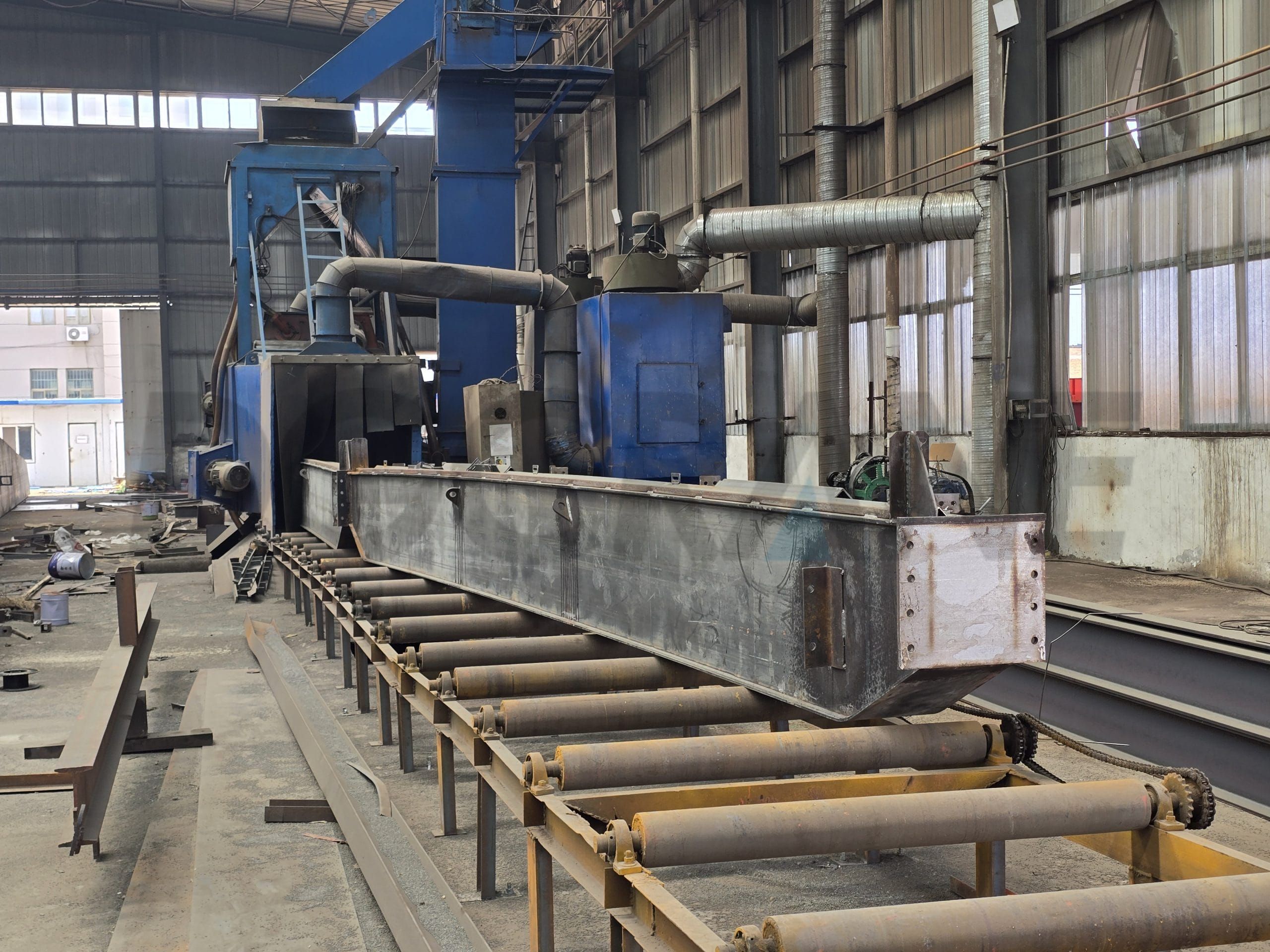
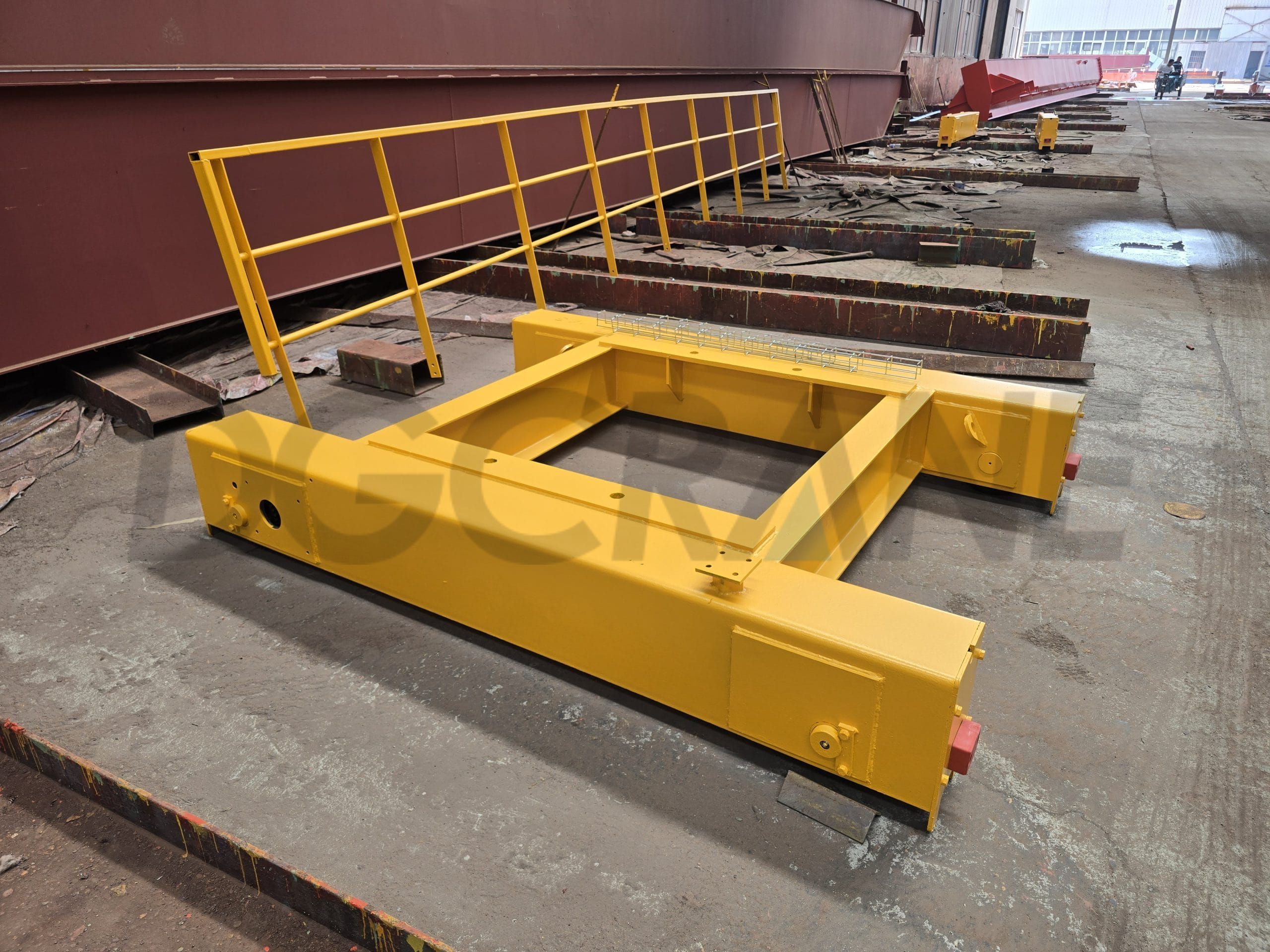
For long-term protection of the crane’s steelwork, we first prepared the surfaces of the main girders, end carriages, and other structural parts, removing oil, dust, and mill scale so the primer could bond properly. We then applied zinc-rich epoxy primer to a film thickness of 120 μm. In a corrosive environment, the zinc reacts before the steel and provides sacrificial protection. Once cured, the epoxy forms a dense coating; together with the closely packed zinc particles, it blocks water, oxygen, chloride ions, and other corrosive agents from reaching the steel. This manufacturing-stage treatment is especially valuable for the main and end girders, whose elevated position would make later rust removal and recoating more difficult.
The electrical equipment has an IP54 enclosure rating and Class F insulation. IP54 addresses dust and water ingress and prevents contact with live or moving parts inside the enclosure, while Class F specifies the insulation material’s heat resistance. Class F insulation is rated for long-term operation at up to 155 °C and is better suited than Class B to variable-frequency drives, heavy loads, and frequent shocks. Together, these measures reduce the likelihood of environment-related faults and unplanned shutdowns.
Spare Parts for Faster Maintenance
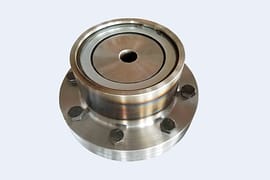
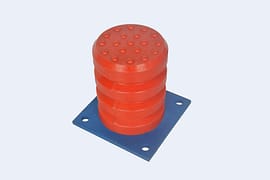
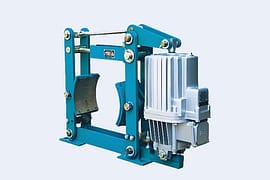
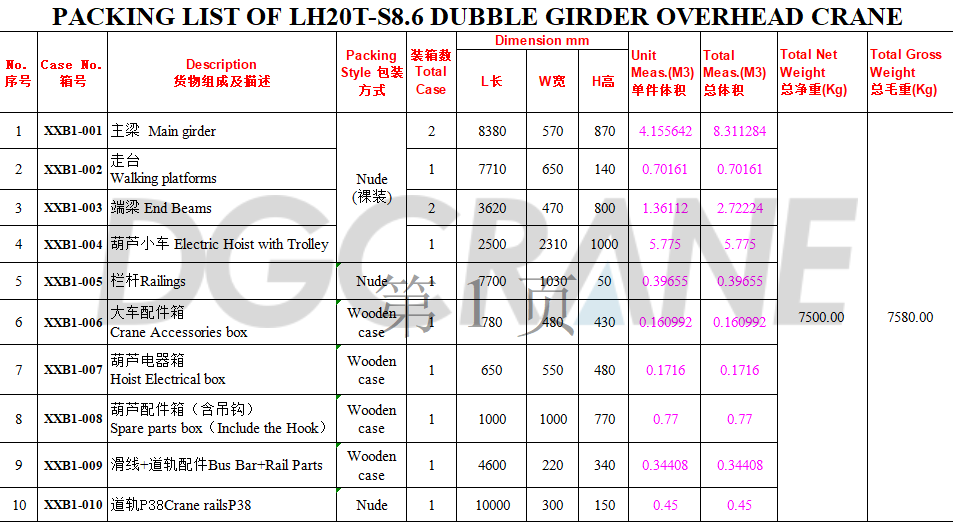
To support future servicing, we supplied two years’ worth of wear parts with the double-girder overhead crane. Rope guides, brake rings, wire ropes, hook safety latches, and limit switches are available for hoist maintenance. Contactors, current collectors, carbon brushes, and travel buffers cover likely replacements in the control, power-supply, and travel systems.
With these parts already on site, the customer can replace worn components found during routine inspections without repeatedly requesting quotations, checking specifications, or placing separate orders. The package also includes parts drawings, wiring diagrams, and operating instructions so maintenance staff can locate components and confirm replacement requirements. Faster access to the right parts reduces waiting time, helps the customer plan maintenance budgets, and avoids additional costs from urgent purchases.
Plan Your Hydropower Crane Project
If you are selecting a crane for hydropower station installation or maintenance, send DGCRANE your powerhouse drawings, unit weights, and lifting requirements. Our engineers will review the actual turbine and generator layout with you, confirm lifting coverage, control methods, protection requirements, and spare parts, and provide a tailored proposal and quotation. This helps match the double girder EOT crane to the site and makes future maintenance easier to plan.

Zora Zhao
Expert in Overhead Crane/Gantry Crane/Jib Crane/Crane Parts Solutions
With 10+ years of experience in the Crane Overseas Export Industry, helped 10,000+ customers with their pre-sales questions and concerns, if you have any related needs, please feel free to contact me!
WhatsApp: +86 189 3735 0200
Email: zorazhao@dgcrane.com
Contact Details
DGCRANE is committed to providing the professional Overhead crane products and relavent service. Exported to Over 100 Countries, 5000+ Customers Choose Us, Worth to be Trusted.
Get In Touch
Fill out your details and someone from our sales team will get back to you within 24 hours!
Subscribe to our newsletter
The latest DGCRANE price list, news, articles, and resources.
- Overhead Cranes
- Single Girder Overhead Cranes
- Double Girder Overhead Crane
- Low Headroom Overhead Cranes
- Underslung Cranes
- FEM Standard Overhead Cranes
- Grab Bucket Overhead Crane
- Manual Overhead Cranes
- LDP Single Girder Overhead Cranes with Side-Mounted Hoists: Optimal Solution for Low-Ceiling Workshops