


-
INDUSTRIES
-

Precast Concrete Plant
-
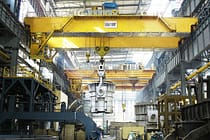
Steel Industry
-
Paper Industry
-
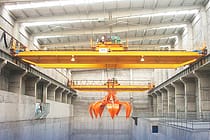
Waste to Energy and Biomass Industry
-
Power Industry
-

Overhead Cranes for Automotive Production: Smart Solutions for Enhanced Efficiency
-
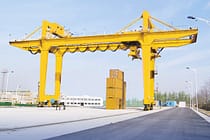
Port Machines Industry
-

Manufacturing Industry
-
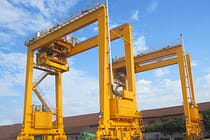
Different Types of Container Cranes, Shipyard Cranes, Cargo Cranes Used in Port, Harbor and Quay
-
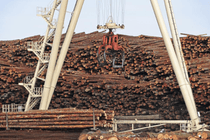
Overhead Cranes for Timber Lifting: Efficient and Safe Wood Handling
-

Overhead Cranes for the Aviation Industry: Streamlining Aircraft Assembly, Maintenance, and Repair
-

Overhead Cranes for Food and Beverages: Ideal for improving productivity and food safety
-
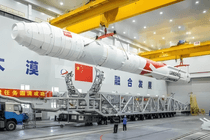
Overhead Cranes for Aerospace Industry: Key Role in Efficient Rocket Manufacturing and Launch
-
-
EQUIPMENT
-
Overhead Cranes
-
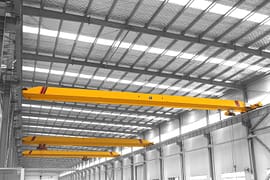
Single Girder Overhead Crane
-
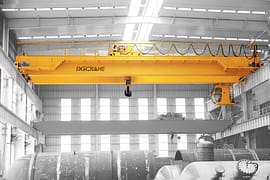
Double Girder Overhead Crane
-
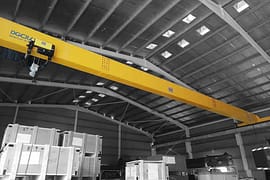
FEM Standard Overhead Cranes
-
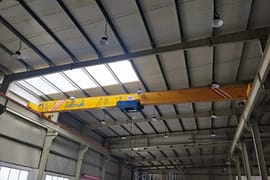
Low Headroom Overhead Cranes
-
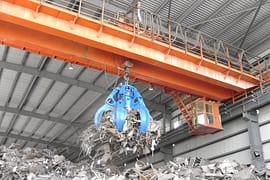
Grab Bucket Overhead Crane
-
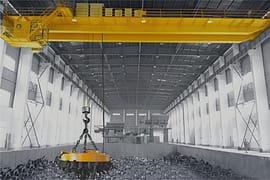
Electromagnetic Overhead Cranes with Lifting Magnet
-
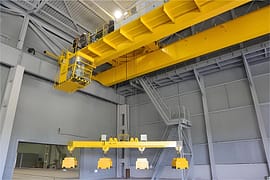
Electromagnetic Overhead Cranes with Magnet Beam
-
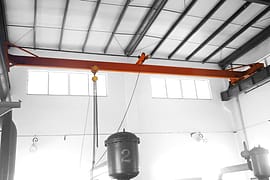
Manual Overhead Cranes
-
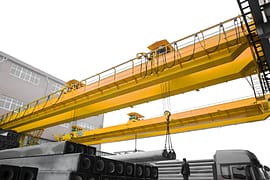
Double Trolley Overhead Cranes
-
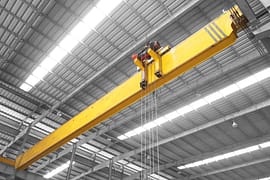
LDP Single Girder Overhead Cranes
-
- Eot Cranes
- Gantry Cranes
- Jib Cranes
-
Hoist & Winch Trolley
-
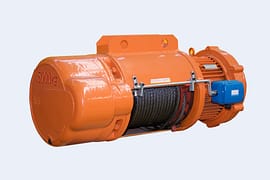
Electric Wire Rope Hoists
-
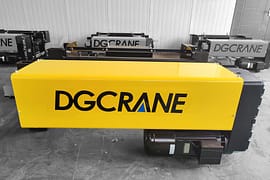
FEM Standard Wire Rope Electric Hoists
-
FEM Standard Electric Chain Hoists
-
Crane Trolley
-
Chain Hoists
-
Electric Winch
-
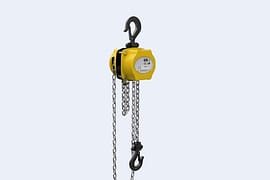
Manual Chain Hoists
-
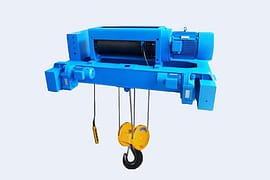
Double Girder Trolley Electric Hoists
-
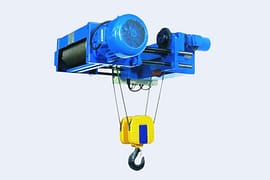
Low Headroom Wire Rope Electric Hoist
-
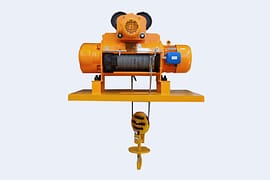
Electric Hoist for Molten Metal
-
Pneumatic (Air) Chain Hoists
-
Lever Hoists
-
Electric Hoists
-
- Workstation Cranes
- Portable Gantry Cranes
- Explosion Proof Cranes & Hoists
- Special Cranes
- Port Cranes
- Electric Transfer Carts
-
Overhead Cranes
-
CRANE PARTS
- Crane Wheel Assembly
- Crane Grab Buckets
- Crane Tongs
- Crane Spreader
- Crane Drives
-
Crane Electrical Equipment
-
Overload Limiter
-
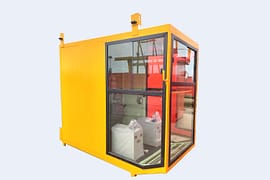
Crane Cabin
-
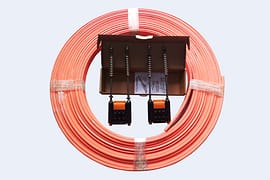
Crane Power Supply System
-

Explosion Proof Crane Radio Remote Controls
-
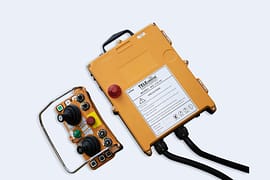
Joystick Type Crane Radio Remote Controls
-
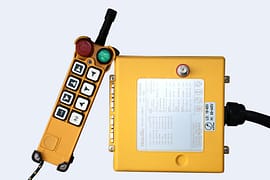
Pushbutton Type Crane Wireless Remote Controls
-
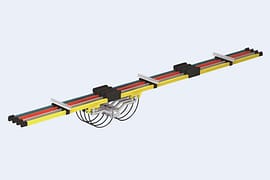
Single-pole Insulated Conductor Rails
-
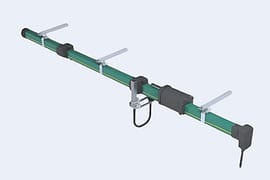
Enclosed Conductor Rails
-
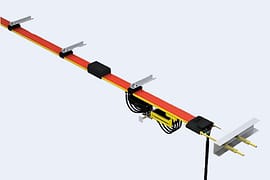
Seamless Conductor Rails
-
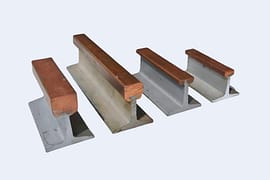
Copperhead Conductor Rails
-
Overhead Crane Cables
-
- Other Cranes Parts
- ABOUT US
- CONTACT US


Casting Crane Fatigue Life: Duty Class and Service Life Analysis
Table of Contents
Overview for Casting Crane
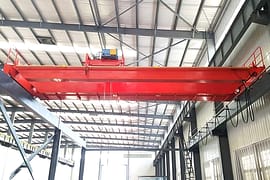
Modern smelting technology places higher demands on casting crane fatigue life, hoisting and traveling speeds, and duty class. It also introduces new design requirements for transmission systems, electrical controls, gearboxes, and other components. As the casting crane’s overall duty class increases, preventing fatigue failure in the main structural members becomes essential to safe and reliable operation.
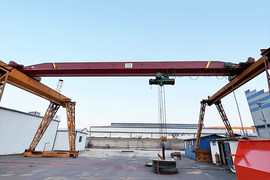
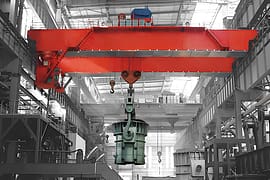
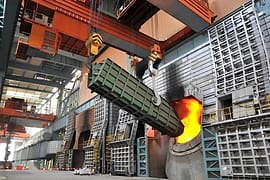
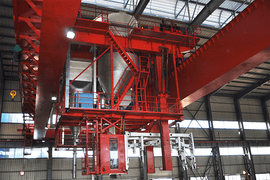
A casting crane handles molten metal or slag in ferrous and non-ferrous metal production. Typical applications include charging molten iron into a converter, transferring a ladle to a continuous casting turret, and moving a ladle to a refining furnace. Because these operations are demanding, casting cranes generally have an overall duty class of A6–A8.
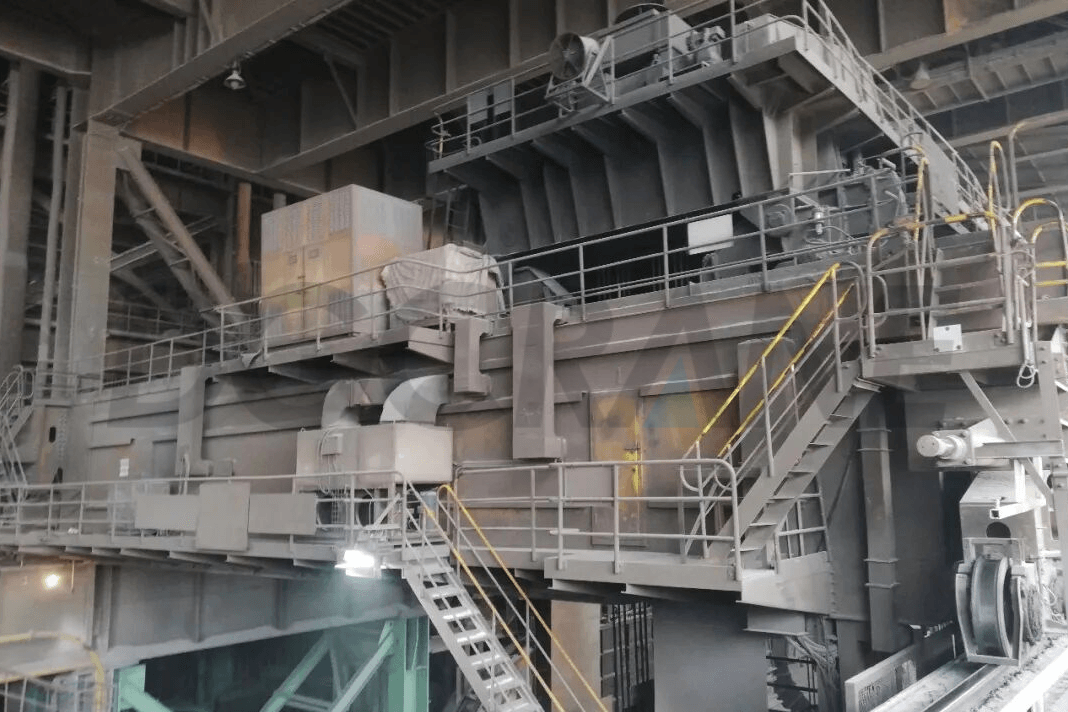
Casting Crane Fatigue Life and Service Life Calculation
Reliable casting crane operation depends on several factors, including design, manufacturing quality, installation accuracy, operating conditions, work practices, and maintenance.
Under the Chinese Design Rules for Cranes GB/T 3811-2008, a crane’s duty class is determined by its load spectrum class and utilization class. The load spectrum class indicates the relationship between the lifted load and rated lifting capacity. The utilization class indicates the total number of operating cycles from commissioning to retirement. Table 1 shows the crane load spectrum classes and load spectrum coefficient Kp, while Table 2 shows the crane utilization classes.
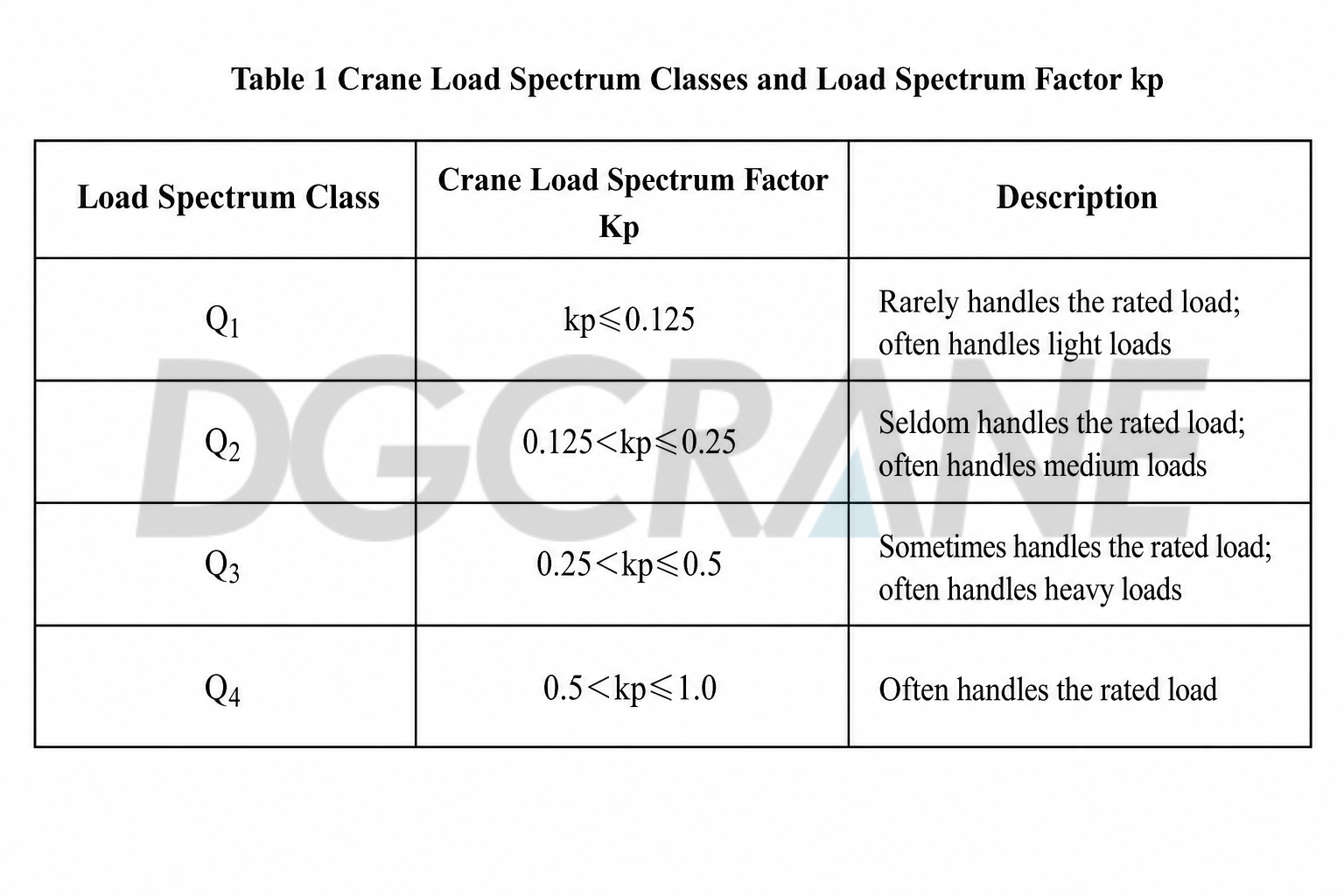
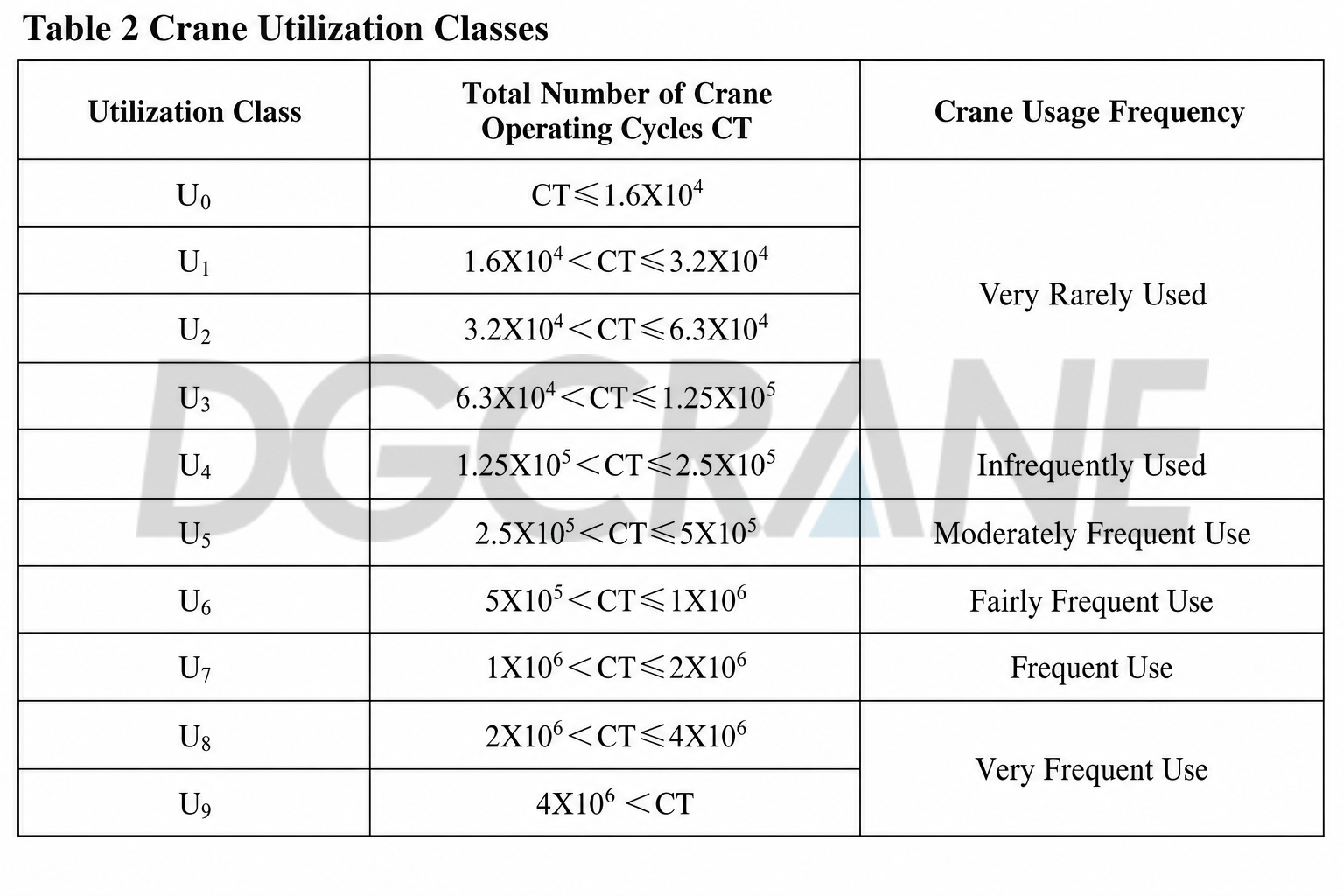
Crane duty classes range from A1 to A8. Table 3 shows how duty class relates to load spectrum class and utilization class.
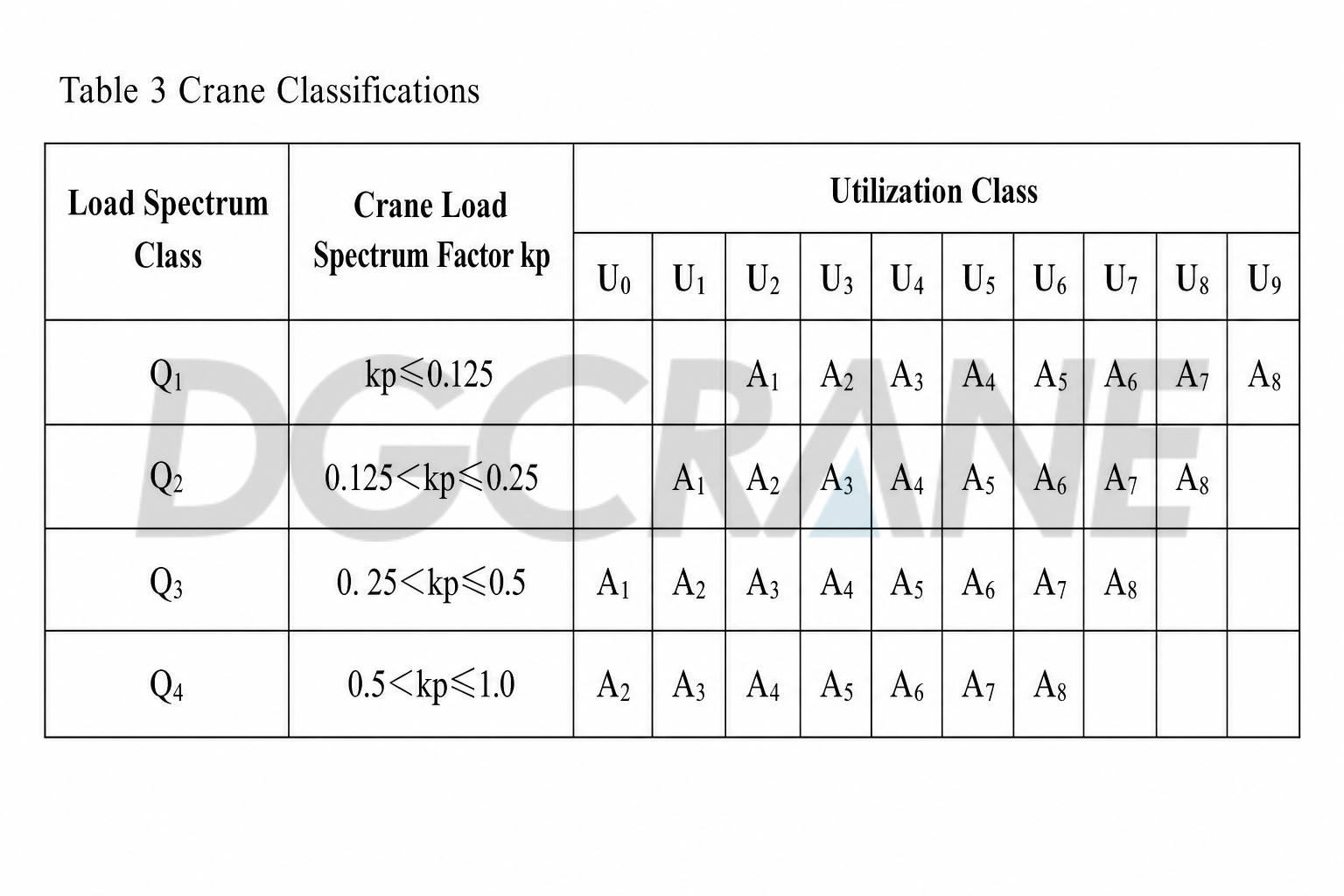
These tables show that crane service life is expressed as the total number of operating cycles. It depends on the duty class and the ratio of the typical lifted load to the rated lifting capacity. A casting crane usually handles loads at or near rated capacity, so its load spectrum class is generally Q4 and its duty class is commonly A7. For Q4 and A7, Table 3 gives a utilization class of U5. Table 2 then gives a total operating-cycle range of 2.5 X 10⁵ < CT ≤ 5 X 10⁵.
Occasional or frequent overloading can significantly reduce the total number of operating cycles.
Here is an example: An A7 casting crane used for converter charging operates continuously, 24 hours a day and 330 days a year. The remaining 35 days cover annual overhaul and furnace inspection, routine maintenance, and occasional repairs.
Under the standard, the two highest applicable classifications are U6, Q3, A7 for the complete crane (T6, L3, M7 for the main hoisting mechanism) and U5, Q4, A7 for the complete crane (T5, L4, M7 for the main hoisting mechanism).
The corresponding total operating cycles are 500,000–1,000,000 for U6 and 250,000–500,000 for U5.
At six operating cycles per hour, the estimated design life is 12 years.
Cr = 6 × 24 × 330 × 12 = 570,240 cycles.
This result falls within the design-life range for one classification and exceeds it for the other, while both classifications comply with the design standard. In practice, many converter-charging casting cranes operated close to A8 during periods of intensive steel production. The stated duty class combinations could not fully cover those conditions, and structural fatigue failures occurred from time to time.
A crane’s design life is closely related to operating frequency, load, production process, and maintenance. Proper operation and maintenance can extend service life, while poor practices shorten it. Designers should therefore consider actual operating conditions and discuss them clearly with users during the design stage.

Zora Zhao
Expert in Overhead Crane/Gantry Crane/Jib Crane/Crane Parts Solutions
With 10+ years of experience in the Crane Overseas Export Industry, helped 10,000+ customers with their pre-sales questions and concerns, if you have any related needs, please feel free to contact me!
WhatsApp: +86 189 3735 0200
Email: zorazhao@dgcrane.com
Contact Details
DGCRANE is committed to providing the professional Overhead crane products and relavent service. Exported to Over 100 Countries, 5000+ Customers Choose Us, Worth to be Trusted.
Get In Touch
Fill out your details and someone from our sales team will get back to you within 24 hours!
Subscribe to our newsletter
The latest DGCRANE price list, news, articles, and resources.
- Overhead Cranes
- Single Girder Overhead Cranes
- Double Girder Overhead Crane
- Low Headroom Overhead Cranes
- Underslung Cranes
- FEM Standard Overhead Cranes
- Grab Bucket Overhead Crane
- Manual Overhead Cranes
- LDP Single Girder Overhead Cranes with Side-Mounted Hoists: Optimal Solution for Low-Ceiling Workshops