


-
INDUSTRIES
-
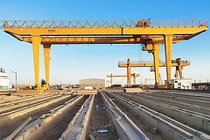
Precast Concrete Plant
-
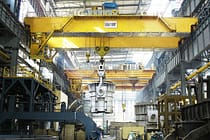
Steel Industry
-
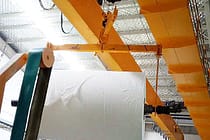
Paper Industry
-
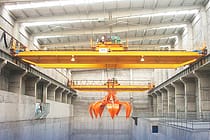
Waste to Energy and Biomass Industry
-
Power Industry
-
Overhead Cranes for Automotive Production: Smart Solutions for Enhanced Efficiency
-
Port Machines Industry
-
Manufacturing Industry
-
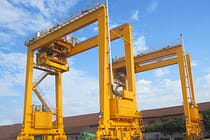
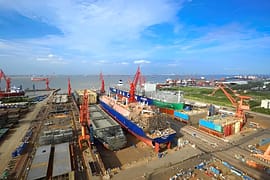
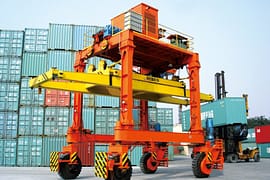
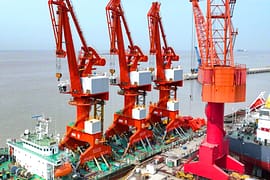
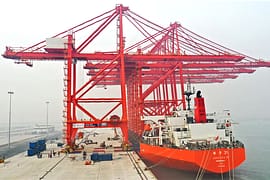
Different Types of Container Cranes, Shipyard Cranes, Cargo Cranes Used in Port, Harbor and Quay
-
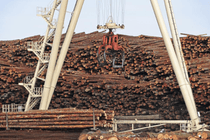
Overhead Cranes for Timber Lifting: Efficient and Safe Wood Handling
-
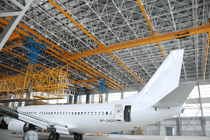
Overhead Cranes for the Aviation Industry: Streamlining Aircraft Assembly, Maintenance, and Repair
-
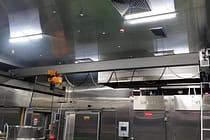
Overhead Cranes for Food and Beverages: Ideal for improving productivity and food safety
-
Overhead Cranes for Aerospace Industry: Key Role in Efficient Rocket Manufacturing and Launch
-
-
EQUIPMENT
-
Overhead Cranes
-
Single Girder Overhead Crane
-
Double Girder Overhead Crane
-
FEM Standard Overhead Cranes
-
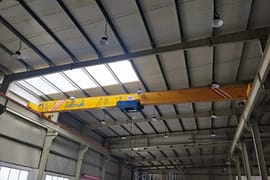
Low Headroom Overhead Cranes
-
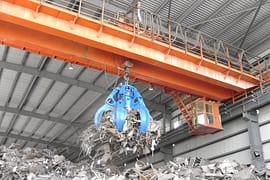
Grab Bucket Overhead Crane
-
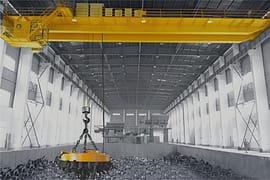
Electromagnetic Overhead Cranes with Lifting Magnet
-
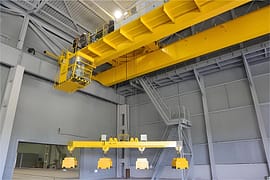
Electromagnetic Overhead Cranes with Magnet Beam
-
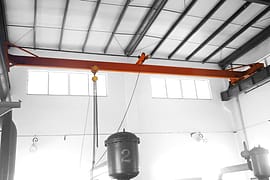
Manual Overhead Cranes
-
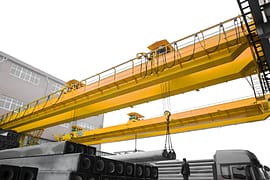
Double Trolley Overhead Cranes
-
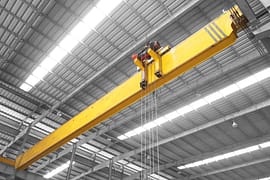
LDP Single Girder Overhead Cranes
-
- Eot Cranes
- Gantry Cranes
- Jib Cranes
-
Hoist & Winch Trolley
-
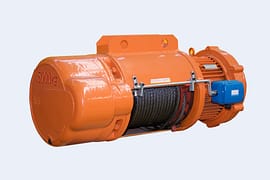
Electric Wire Rope Hoists
-
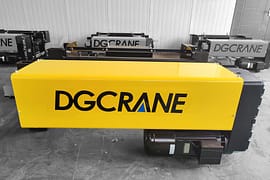
FEM Standard Wire Rope Electric Hoists
-
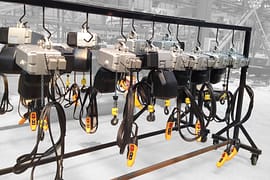
FEM Standard Electric Chain Hoists
-
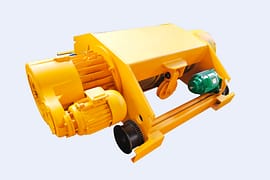
Crane Trolley
-
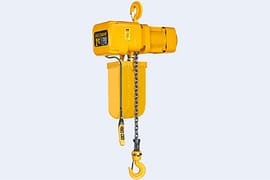
Chain Hoists
-
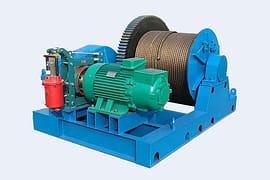
Electric Winch
-
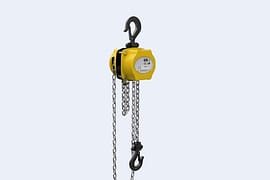
Manual Chain Hoists
-
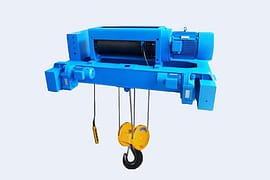
Double Girder Trolley Electric Hoists
-
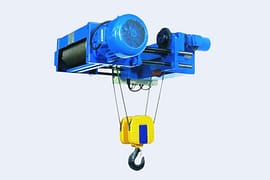
Low Headroom Wire Rope Electric Hoist
-
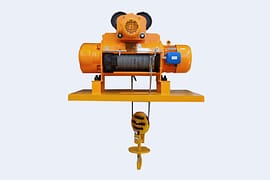
Electric Hoist for Molten Metal
-
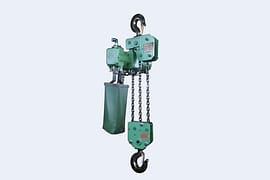
Pneumatic (Air) Chain Hoists
-
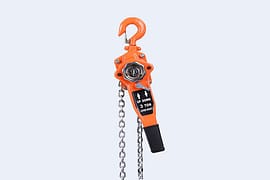
Lever Hoists
-
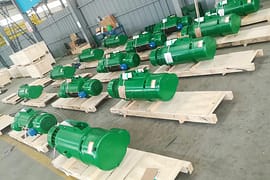
Electric Hoists
-
- Workstation Cranes
- Portable Gantry Cranes
- Explosion Proof Cranes & Hoists
- Special Cranes
- Port Cranes
- Electric Transfer Carts
-
Overhead Cranes
-
CRANE PARTS
- Crane Wheel Assembly
- Crane Grab Buckets
- Crane Tongs
- Crane Spreader
- Crane Drives
-
Crane Electrical Equipment
-
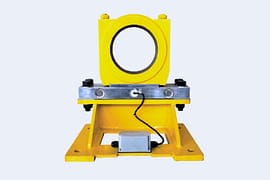
Overload Limiter
-
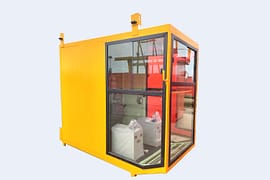
Crane Cabin
-
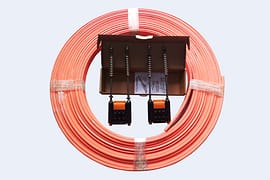
Crane Power Supply System
-

Explosion Proof Crane Radio Remote Controls
-
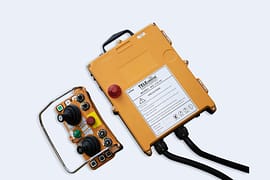
Joystick Type Crane Radio Remote Controls
-
Pushbutton Type Crane Wireless Remote Controls
-
Single-pole Insulated Conductor Rails
-
Enclosed Conductor Rails
-
Seamless Conductor Rails
-
Copperhead Conductor Rails
-
Overhead Crane Cables
-
- Other Cranes Parts
- ABOUT US
- CONTACT US
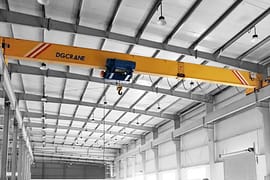
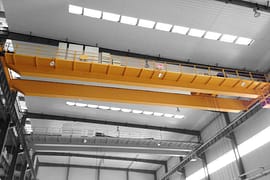
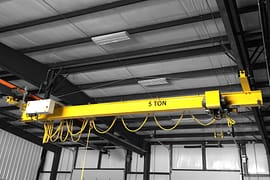
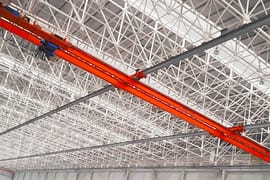
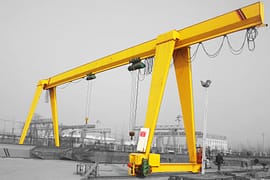
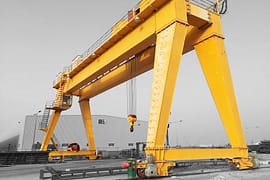
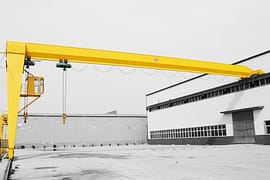
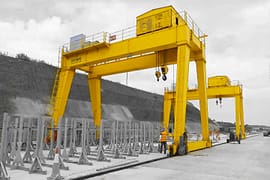
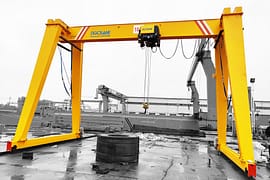
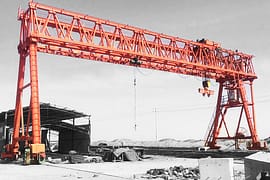
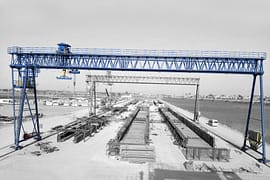
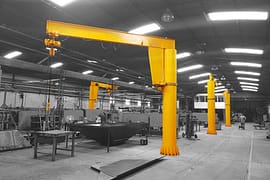
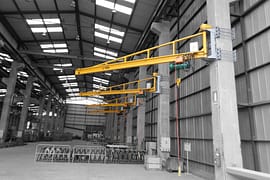
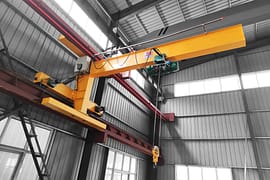
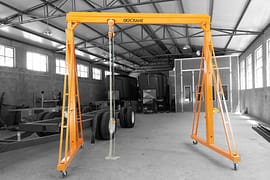
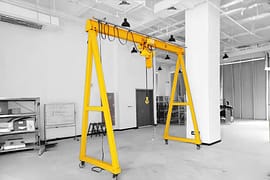
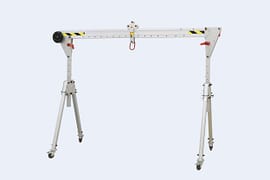
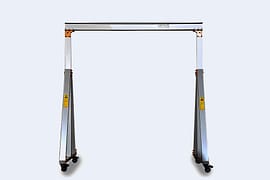
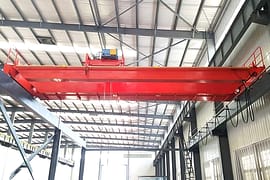
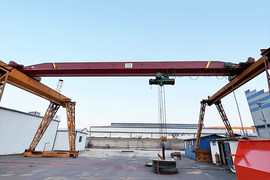
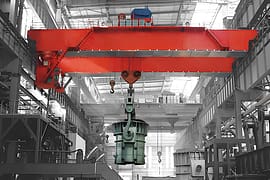
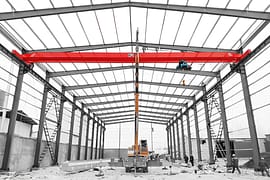
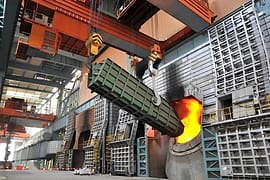
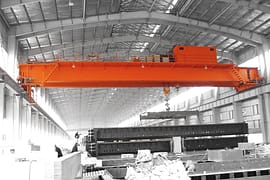
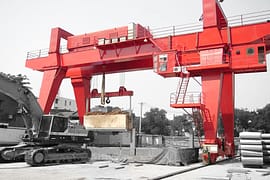
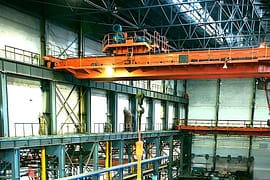
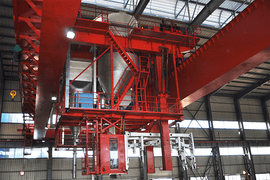
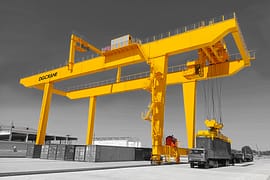
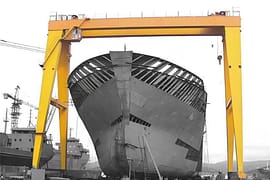
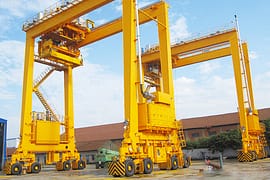
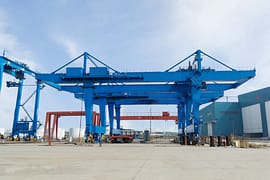
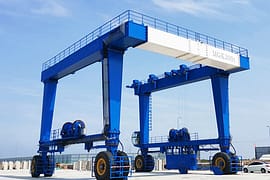

Overhead and Gantry Cranes Main Girder: The Ultimate Steel Guide
Table of Contents
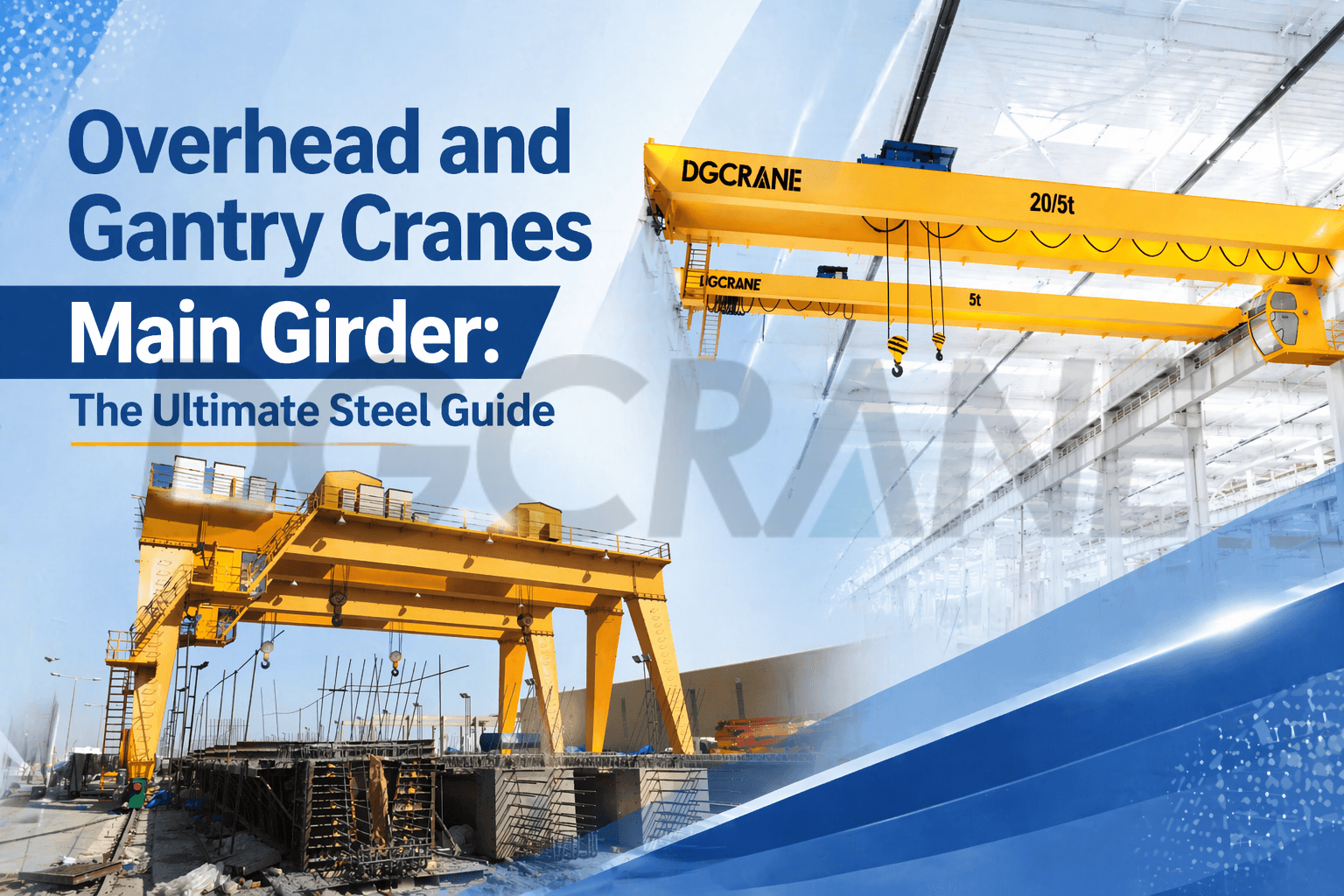
The main girder, as the primary load-bearing structure of a crane, often accounts for a significant portion of its weight. Overhead crane main girder accounts for 40%-60% of total crane weight, while the gantry crane main girder exceeds 30%. The steel material of the main girder directly determines the overall load-bearing capacity, operational safety, and comprehensive cost of the crane. China Heavy Machinery Industry Association data shows that over 65% of structural failures stem from mismatched main girder steel and operating conditions. To help you reduce equipment risks and optimize the entire selection process, we have compiled a parameter comparison table for mainstream steel materials of overhead and gantry cranes. The following text will analyze the core characteristics of various steel materials suitable for the main girder.
| Steel Material | Application | China (GB/GB/T) | Europe (EN10025) | USA (ASTM/AISC) | Yield Strength (MPa) |
|---|---|---|---|---|---|
| Low Carbon Steel | ≤10t, overhead and gantry cranes | Q235B/Q235C/Q235D | S235JR/S235J2 | A283/A1011 | ≥235 |
| High Strength Low Alloy Steel | 10t-50t, overhead and gantry cranes | Q355B | S355JR | A572 Gr.50 | ≥355 |
| 50t-300t, overhead and gantry crane | Q390B | S355J2 | A572 Gr.60 | ≥390 | |
| Q420B | S420ML | A572 Gr.70 | ≥420 | ||
| Special Application Steel | low-temperature, high-impact region, cold climates, ports | Q460NE | S460NL | A537 Cl.2 | ≥460 |
| Q355NH | S355J2W | A633 Gr.C/D | ≥355 | ||
| Q690E | S690QL | A514 Gr.B | ≥690 | ||
| weathering, outdoor service, reduced maintenance | Q450NQR1 | S355K2W | A709 Gr.50W | ≥450 |
Low-Carbon Steel: Top Choice for Light & Small Overhead and Gantry Cranes
With excellent plasticity, weldability, and cost advantages, low-carbon steel (exemplified by Q235B / S235JR / A283) is the mainstream cost-effective material for overhead and gantry crane main girders in light-load, low working-class applications, capturing about 22% of the material market for light-duty small cranes (≤20t).
Q235B (EN S235JR/ASTM A283)
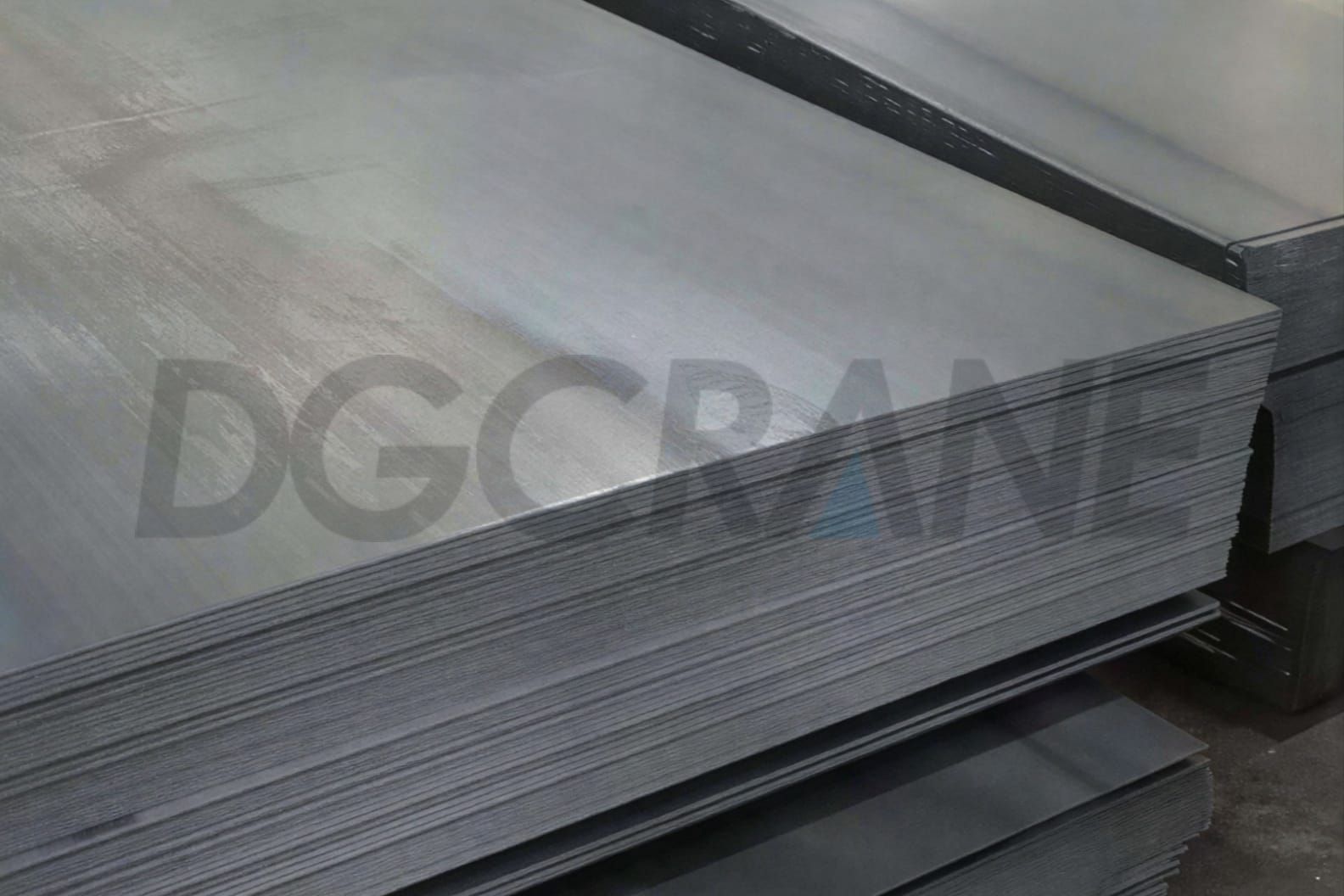
Q235B, the most common type of low-carbon steel used in lifting equipment, is particularly prevalent in light-duty, low-working-class cranes, such as 5-ton double-girder overhead cranes used in warehouses and 3-ton single-girder overhead and gantry cranes in workshops. Its main chemical composition and mechanical properties are shown in the table below:
| Chemical Composition | Quality Score | Mechanical Properties | Parameters |
|---|---|---|---|
| Carbon (C) | ≤0.2% | Yield Stress | ≥235MPa |
| Silicon (Si) | ≤0.35% | Tensile Strength | 370-500MPa |
| Manganese (Mn) | 0.3%-0.7% | Impact Toughness | ≥27 J (Impact Test at 20℃) |
| Sulfur (S) | ≤0.045% | Percentage Elongation | ≥21%(thickness≤16mm) |
| Phosphorus (P) | ≤0.045% |
Based on the above performance indicators, we can further analyze the core advantages of the Q235B more clearly:
- High Low-Carbon Content, Excellent Welding Performance: The main girder of overhead and gantry cranes has a dense and complex weld structure. Q235B’s low carbon content allows for high weld quality with conventional welding processes, reducing the likelihood of welding defects and ensuring strong production stability.
- Moderate Toughness, Withstands General Impacts: With a 20℃ room-temperature impact energy of no less than 27 J, the material offers good toughness. It absorbs shocks and vibrations in overhead and gantry crane operation, resists brittle fracture from sudden load changes, and delivers safer, more reliable structural performance.
- Low Cost, Excellent Cost-Effectiveness: Q235B has relatively low production costs. Furthermore, its comprehensive performance meets the application requirements of most overhead and gantry crane steel structures, effectively reducing manufacturing costs while ensuring safety and reliability, resulting in high cost-effectiveness.
However, due to limitations in the strength grade and performance characteristics of the material itself, Q235B also has certain limitations; therefore:
- Low Yield Strength: Q235B has a yield strength of only 235MPa. Under heavy-load conditions, meeting strength requirements necessitates thicker steel plates, significantly increasing the structural weight, which is not suitable for heavy-duty & high-frequency use.
- Poor Corrosion Resistance: Since crane steel structures are exposed to the elements for extended periods, Q235B is prone to corrosion, requiring anti-corrosion coating and making it unsuitable for highly corrosive environments.
- Unsuitable for Low-temperature Environments: Q235B only guarantees impact toughness at room temperature. It is prone to brittle fracture at low temperatures. Therefore, direct use in low-temperature environments poses a safety hazard of brittle fracture, requiring the use of low-temperature steel or Q355D/E grade steel.
Q235C/Q235D (EN S235J2/ASTM A1011)
Q235C and Q235D are low-temperature upgraded variants of Q235B. They feature more stable low-temperature toughness, fewer impurities, and are less prone to embrittlement in winter, making them suitable for overhead and gantry cranes with higher requirements for safety, impact resistance, and low-temperature stability.
Q235C requires impact energy ≥ 27 J at 0℃, yet its toughness drops significantly below -10℃. Q235D demands impact energy ≥ 27 J at -20℃, which can effectively prevent low-temperature brittle fracture during long-term outdoor operation in winter and offers the highest safety level, but comes with higher production costs and a higher price.
High-Strength Low-Alloy Steel: Ideal for Medium & Heavy-duty Overhead and Gantry Cranes
High-strength low-alloy steel (also known as HSLA) is made by adding trace amounts of alloying elements such as V, Nb, and Ti to carbon structural steel. It balances strength and machinability and is currently the “mainstream material” for crane main beams. It accounts for more than 58% of the domestic crane main beam and end beam material market and is the first choice for more than 80% of general-purpose cranes. It is suitable for most medium and heavy-duty scenarios, which can meet the needs of use and control costs, making it a “safe choice” for purchasers.
Q355B (EN S355JR/ASTM A572 Gr.50)
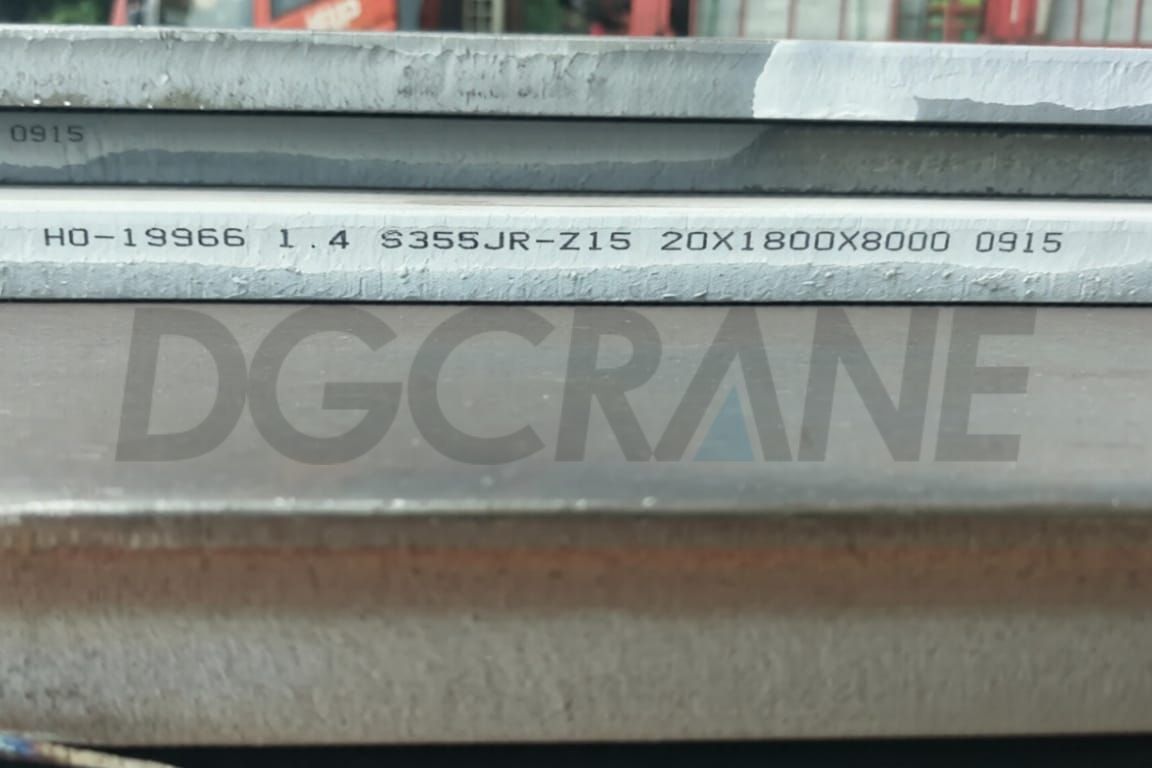
Q355B, a widely used low-alloy high-strength steel, is a “mainstay material” in the industry and is suitable for medium-to-light tonnage overhead and gantry cranes with a working class of A3-A5. Its core components are as follows:
| Chemical Composition | Quality Score | Mechanical Properties | Parameters |
|---|---|---|---|
| Carbon (C) | ≤0.24% | Yield Stress | ≥355MPa |
| Silicon (Si) | ≤0.55% | Tensile Strength | 470-630MPa |
| Manganese (Mn) | ≤1.6% | Impact Toughness | ≥34 J (Impact Test at 20℃) |
| Sulfur (S) | ≤0.03% | Percentage Elongation | ≥21% (thickness≤16mm) |
| Phosphorus (P) | ≤0.035% |
These core parameters are precisely the key factors that enable Q355B to become the main material for cranes, specifically manifested in the following advantages:
- High Yield Strength Ratio, Lightweight Design: When the steel plate thickness is >16mm, the yield strength of Q355B is approximately 51% higher than that of Q235B, resulting in a 15%–25% weight reduction under the same load-bearing capacity. This reduces both the crane’s self-weight and the load-bearing pressure on the factory.
- Low Carbon Equivalent, Better Weldability: The risk of cold cracking during welding is low. When the thickness of Q355B is ≤16mm, preheating is usually unnecessary, allowing for direct welding. This shortens the production cycle and improves production efficiency.
- Excellent Low-temperature Toughness: Q355B has stronger low-temperature adaptability, passing impact tests at -20℃. It is suitable for cold regions or structures requiring high toughness, effectively preventing brittle fracture in low-temperature environments.
Although Q355B delivers excellent overall performance, it has noticeable limitations, especially in low-temperature and corrosive conditions, as well as in terms of thick-plate welding, cost, and processing difficulty. The specific drawbacks are as follows:
- Limited Low-temperature Performance: Q355B only ensures qualified impact toughness at 20 ℃. Its toughness declines sharply below 0 ℃, bringing a high risk of cold brittleness when applied in cold storage or frigid outdoor areas. Hence, it cannot be used in severe cold environments.
- High Difficulty in Thick Plate Welding: When the thickness of Q355B exceeds 25 mm, its carbon equivalent rises greatly, increasing the risk of welding cracks. Preheating and strict temperature control are required during welding, leading to more complex processing procedures.
- Higher Cost Than Q235B: Q355B is generally 10%–15% more expensive than Q235B. For light-duty applications or non-load-bearing components, adopting Q355B will cause performance surplus with no cost advantages.
Q390B (EN S355J2/ASTM A572 Gr.60)
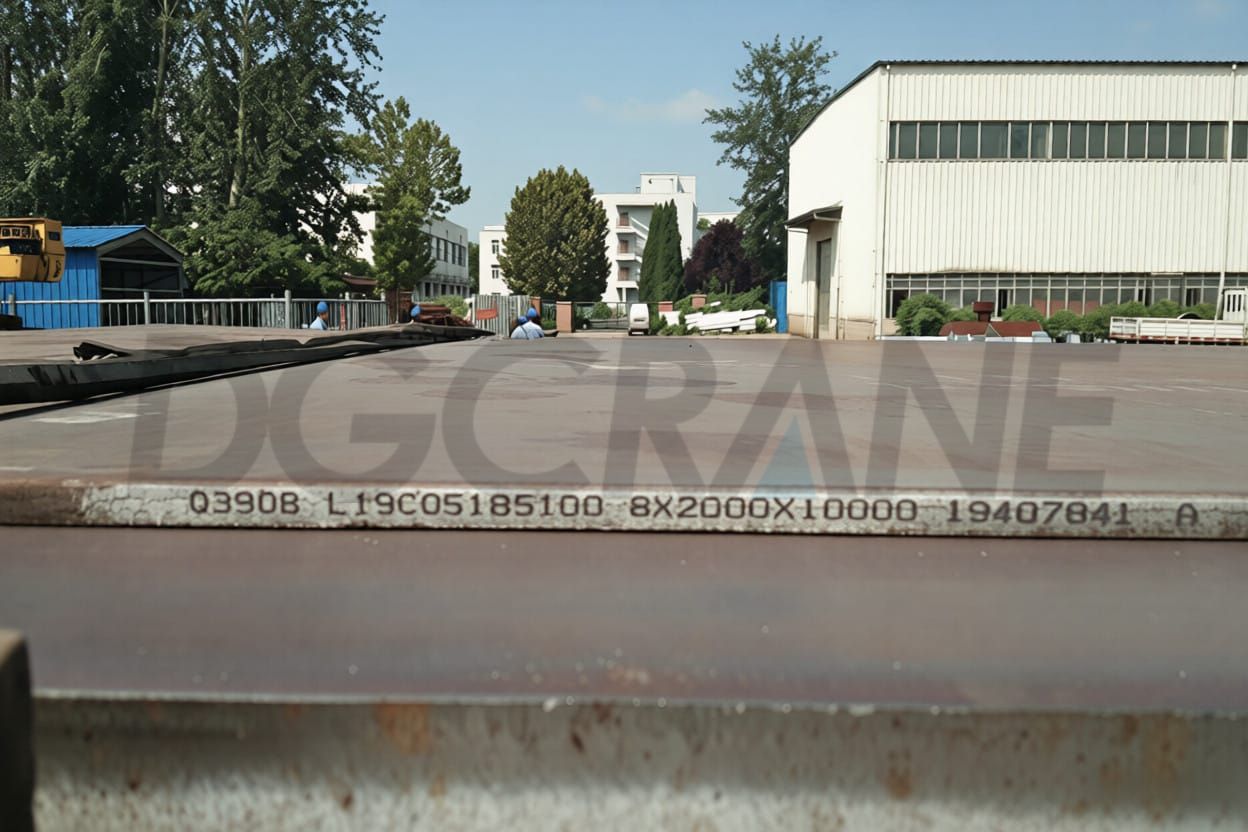
With a yield strength of over 390 MPa, Q390B delivers superior load-bearing capacity and structural safety. Under the same load conditions, it reduces steel consumption by approximately 15% compared with Q355B, making it widely applied in overhead and gantry cranes requiring high strength.
| Chemical Composition | Quality Score | Mechanical Properties | Parameters |
|---|---|---|---|
| Carbon (C) | ≤0.2% | Yield Stress | ≥390MPa |
| Silicon (Si) | ≤0.5% | Tensile Strength | 490-650MPa |
| Manganese (Mn) | ≤1.7% | Impact Toughness | ≥34 J (Impact Test at 20℃) |
| Sulfur (S) | ≤0.035% | Percentage Elongation | ≥20% (thickness≤16mm) |
| Phosphorus (P) | ≤0.035% |
Due to its low carbon content, Q390B is not suitable for quenching and tempering. Nevertheless, it features excellent wear resistance and moderate corrosion resistance, capable of withstanding erosion from atmospheric conditions and certain chemical media.
Q420B (EN S420ML/ASTM A572 Gr.70)
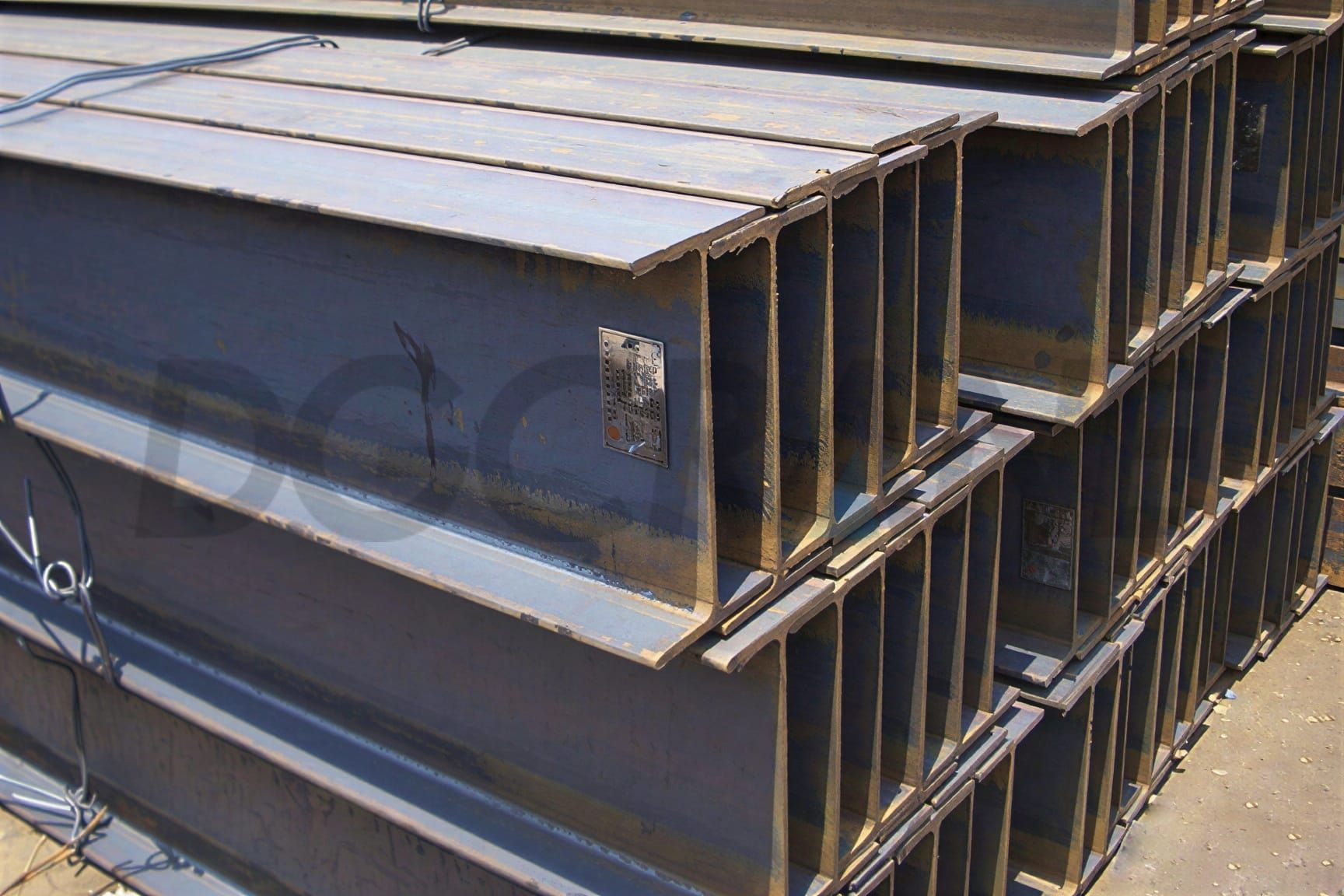
Q420B is an ultra-high-strength steel. According to the Analysis of the Development Status and Steel Demand of China’s Steel Structure Industry, Q420B accounts for more than 50% of high-strength steel, and is mostly used in steel structures for construction, bridges, or heavy equipment, such as the main beams of 50-300 ton gantry cranes or port machinery.
| Chemical Composition | Quality Score | Mechanical Properties | Parameters |
|---|---|---|---|
| Carbon (C) | ≤0.2% | Yield Stress | ≥420MPa |
| Silicon (Si) | ≤0.55% | Tensile Strength | 520-680MPa |
| Manganese (Mn) | ≤1.7% | Impact Toughness | ≥34 J (Impact Test at 20℃) |
| Sulfur (S) | ≤0.035% | Percentage Elongation | ≥18% (thickness≤16mm) |
| Phosphorus (P) | ≤0.035% |
However, if the thickness of Q420B steel plates increases, its yield strength decreases in a stepwise manner. For example, when the thickness is ≤16mm, the yield strength is ≥420MPa, but when the thickness is >50mm, the yield strength is only ≥360MPa. Therefore, in ultra-thick plate applications, it is necessary to optimize the process or select higher-grade steel to meet the strength requirements, and the cost will increase accordingly.
Special Steel: Choice for Overhead and Gantry Cranes Used in Extreme Conditions
Special steel is a customized material for the main girder of overhead and gantry cranes under extreme working conditions. It is different from low-carbon steel and high-strength low-alloy steel. Through precise alloy ratio and process optimization, it overcomes the performance shortcomings of conventional steel in scenarios such as extreme cold, high salt spray, strong corrosion, ultra-large tonnage heavy load, and high frequency continuous operation, and becomes the core support for equipment safety and long-term operation in harsh environments.
Q460NE (ENS460NL/ASTM A537 Cl.2)
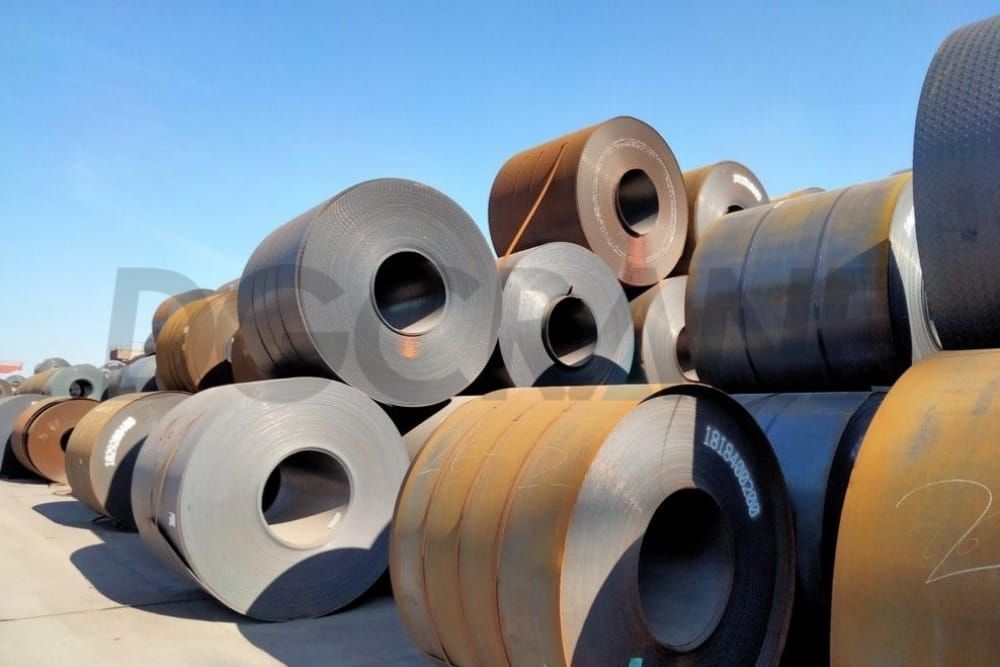
Q460NE is a corrosion-resistant low-alloy steel specifically designed for harsh working conditions. The “N” in the grade indicates weather resistance, while “E” corresponds to a low-temperature impact rating of -40°C. Compared to ordinary steel, it meets the strength requirements of heavy-duty structures and can operate stably for extended periods in extremely cold, high-humidity, and salt spray environments. Its key performance parameters are as follows:
| Chemical Composition | Quality Score | Mechanical Properties | Parameters |
|---|---|---|---|
| Carbon (C) | ≤0.18% | Yield Stress | ≥460MPa |
| Silicon (Si) | ≤0.55% | Tensile Strength | 540-720MPa |
| Manganese (Mn) | 1.0%-1.6% | Impact Toughness | ≥20 J (Impact Test at -40℃) |
| Sulfur (S) | ≤0.02% | Percentage Elongation | ≥17% (thickness≤16mm) |
| Phosphorus (P) | ≤0.025% |
To achieve a dual improvement in weather resistance and low-temperature performance, specific alloying elements are added to the Q460NE formulation. The content and function of each element are as follows:
| Alloy Elements | Upper Limit of Content | Main Function |
|---|---|---|
| Chromium (Cr) | ≤0.30% | Improve corrosion resistance and enhance tissue stability |
| Nickel (Ni) | ≤0.80% | Significantly improves low-temperature toughness and reduces the ductile-brittle transition temperature |
| Copper (Cu) | ≤0.40% | Improve atmospheric corrosion resistance |
In summary, through low-carbon design and the synergistic effect of alloying elements such as Cr, Ni, and Cu, Q460NE can meet the mechanical and durability requirements of high-humidity and high-salt environments. Even at extreme low temperatures of -40℃, Q460NE maintains good impact toughness, effectively preventing material embrittlement caused by low temperatures. This provides a solid safety barrier for engineering construction in extremely cold regions, improving equipment reliability and operating efficiency.
Q355NH (EN S355J2W/ASTM A588)
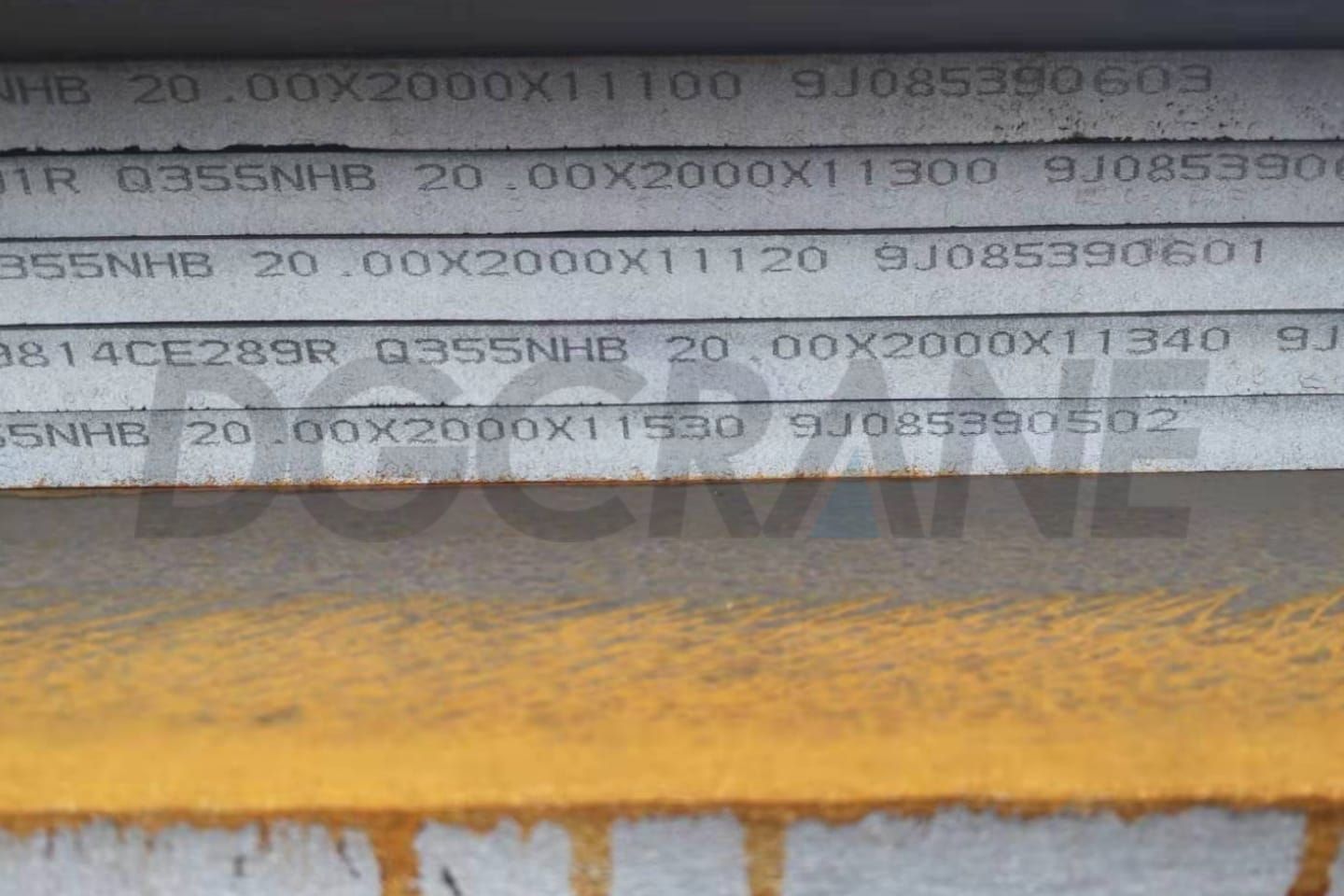
Q355NH is an atmospheric corrosion-resistant steel plate, also known as weathering steel. The “N” and “H” modifiers usually represent the requirements for normalizing and improved low-temperature toughness. Normalizing (holding above the phase transformation temperature followed by air cooling) can refine the grains, forming a finer ferrite-pearlite structure and making the properties more uniform in the thickness direction.
| Chemical Composition | Quality Score | Mechanical Properties | Parameters |
|---|---|---|---|
| Carbon (C) | ≤0.16% | Yield Stress | ≥355MPa |
| Silicon (Si) | ≤0.5% | Tensile Strength | 490-630MPa |
| Manganese (Mn) | 0.5%-1.5% | Impact Toughness | ≥34 J (Impact Test at -40℃) |
| Sulfur (S) | ≤0.03% | Percentage Elongation | ≥17% (thickness≤16mm) |
| Phosphorus (P) | ≤0.03% |
Compared to low-carbon steel, Q355NH achieves a 2-8 times improvement in weather resistance, primarily due to the addition of specific alloying elements to its formula.
| Alloy Elements | Upper Limit of Content | Main Function |
|---|---|---|
| Chromium (Cr) | 0.4%-0.8% | Improve corrosion resistance and enhance tissue stability |
| Nickel (Ni) | ≤0.65% | Significantly improves low-temperature toughness and reduces the ductile-brittle transition temperature |
| Copper (Cu) | 0.25%-0.55% | Improve atmospheric corrosion resistance |
It can be seen that Q355NH retains the strength, toughness, and weldability of ordinary structural steel, while also possessing the ductility, corrosion resistance, high-temperature resistance, and fatigue resistance of high-quality steel. Furthermore, Q355NH’s paintability is 1.5-10 times that of ordinary carbon steel. Therefore, it eliminates the need for frequent painting and maintenance, effectively reducing the total life-cycle cost of outdoor cranes. Its rust resistance, corrosion resistance extending the service life of components, and reduced material consumption make it the preferred steel for crane structural components in complex working conditions such as outdoor and coastal environments.
Q450NQR1 (EN S355K2W/ASTM A633 Grade C/D)
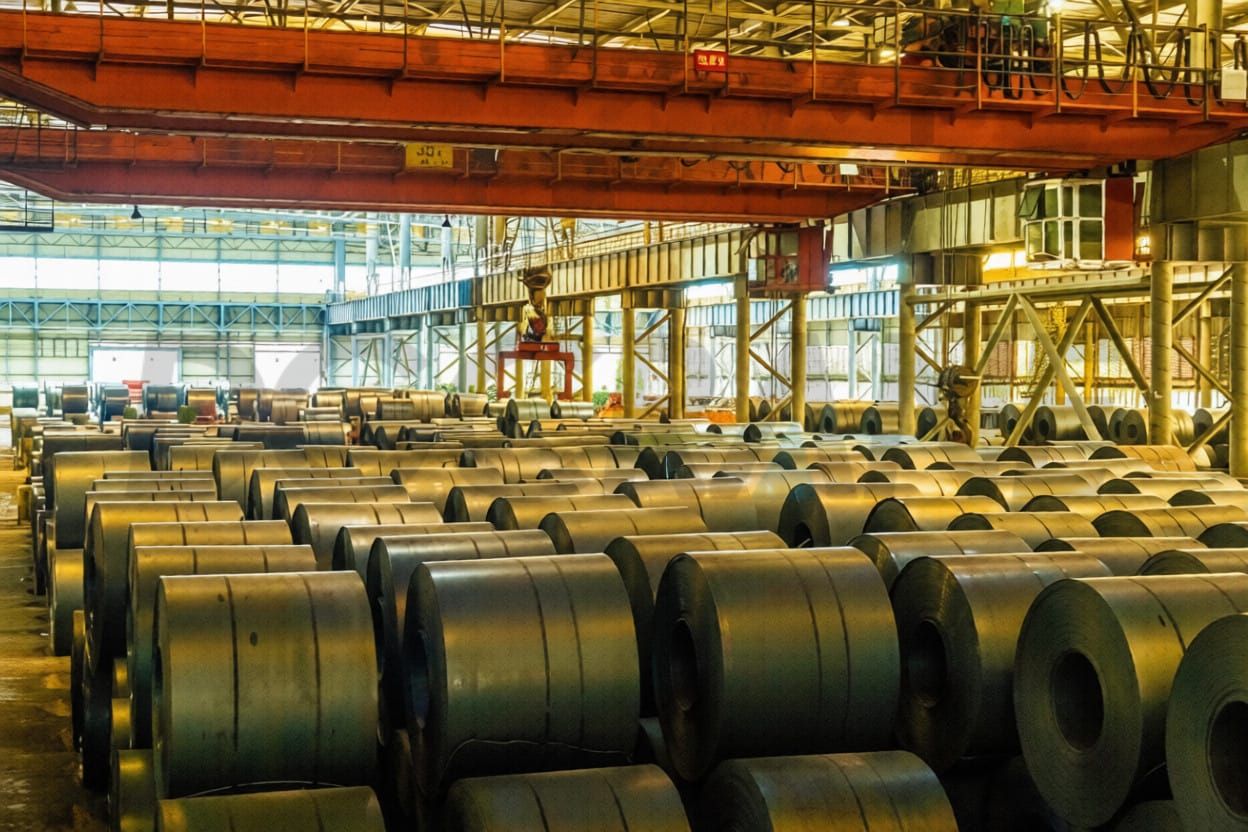
Q450NQR1 is a high-strength weathering steel that reduces its weight and possesses excellent low-temperature impact toughness and atmospheric corrosion resistance, making it suitable for use in various extreme climates. NQR represents atmospheric corrosion-resistant (weathering) steel, a high-strength low-alloy steel specifically designed for outdoor, coastal, and other corrosive environments; 1 is the grade series number, representing a specific alloy ratio and performance level.
| Chemical Composition | Quality Score | Mechanical Properties | Parameters |
|---|---|---|---|
| Carbon (C) | ≤0.12% | Yield Stress | ≥450MPa |
| Silicon (Si) | ≤0.75% | Tensile Strength | ≥550MPa |
| Manganese (Mn) | ≤1.5% | Impact Toughness | ≥60 J (Impact Test at -40℃) |
| Sulfur (S) | ≤0.008% | Percentage Elongation | ≥20% (thickness≤14mm) |
| Phosphorus (P) | ≤0.025% |
As can be seen from the above basic properties, Q450NQR1 achieves the triple advantages of high strength, weather resistance, and low-temperature toughness, which stems from the precise ratio of its alloying elements.
| Alloy Elements | Upper Limit of Content | Main Function |
|---|---|---|
| Chromium (Cr) | 0.3%-1.25% | Improve corrosion resistance and enhance tissue stability |
| Nickel (Ni) | 0.125-0.65% | Significantly improves low-temperature toughness and reduces the ductile-brittle transition temperature |
| Copper (Cu) | 0.25%-0.55% | Improve atmospheric corrosion resistance |
With its low carbon and extremely low sulfur content, combined with the synergistic effect of Cr, Ni, and Cu alloying elements, Q450NQR1 possesses excellent comprehensive performance that meets the requirements of the weathering steel industry standards. It achieves a balance between high strength, weather resistance, and low-temperature toughness, making it an ideal material for cranes in heavy-duty working conditions such as ports and open-air storage yards.
Q690E (EN S690QL/ASTM A514 Gr.B)
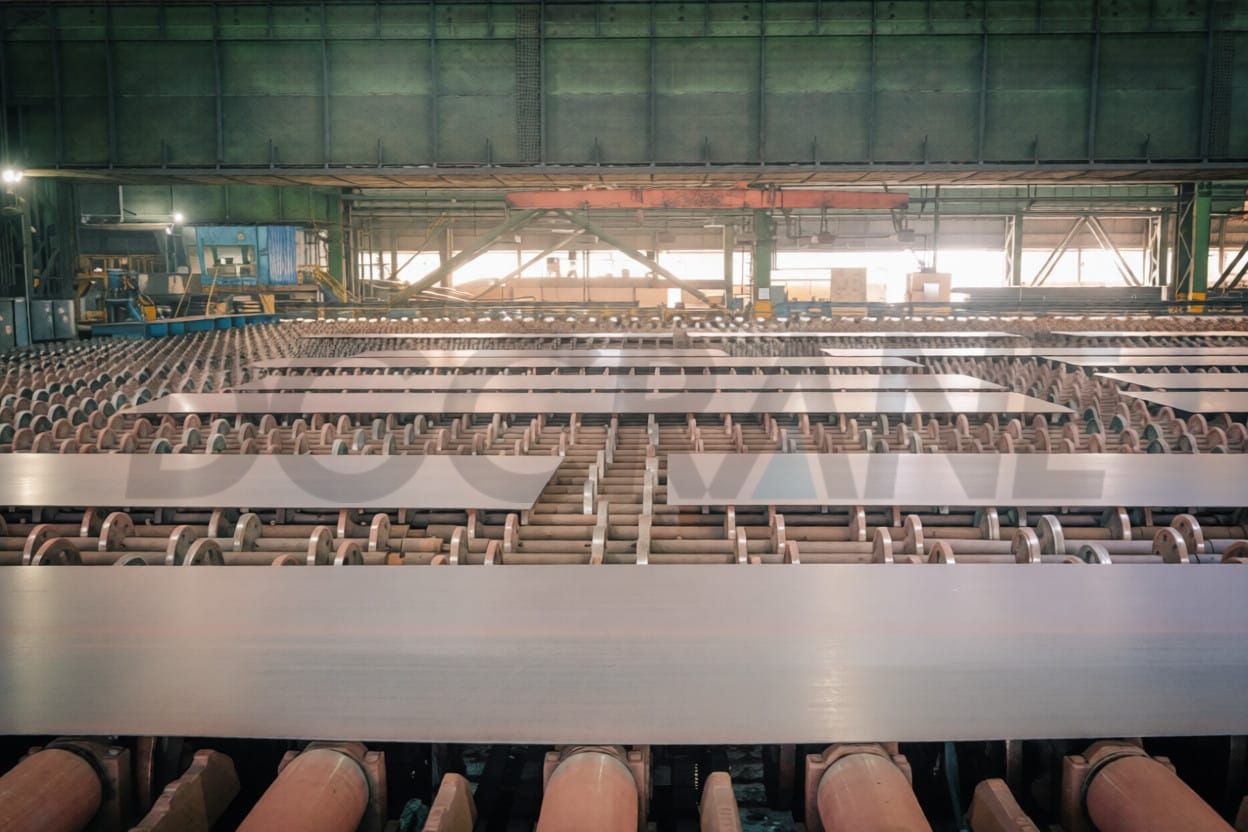
Q690E is a high-strength material. Through laser welding and stress relief processes, its weight can be reduced by 15%, its load-bearing capacity increased by 25%, and its fatigue life extended by 37% compared to the industry average. It meets the A7 heavy-duty working level and is suitable for large-tonnage, high-performance special cranes, such as 300-ton ladle cranes in the metallurgical industry and 200-ton hull section lifting cranes in the shipbuilding industry. Its core components and mechanical properties are as follows:
| Chemical Composition | Quality Score | Mechanical Properties | Parameters |
|---|---|---|---|
| Carbon (C) | ≤0.18% | Yield Stress | ≥690MPa |
| Silicon (Si) | ≤0.6% | Tensile Strength | 770-940MPa |
| Manganese (Mn) | ≤2.0% | Impact Toughness | ≥34 J (Impact Test at -20℃) |
| Sulfur (S) | ≤0.025% | Percentage Elongation | ≥14% (thickness≤16mm) |
| Phosphorus (P) | ≤0.03% |
Meanwhile, to achieve the dual goals of lightweight and high strength, Q690E optimizes its microstructure and properties by adding specific alloying elements. The content and function of each key element are as follows:
| Alloy Elements | Upper Limit of Content | Main Function |
|---|---|---|
| Chromium (Cr) | ≤1.0% | Improve corrosion resistance and enhance tissue stability |
| Nickel (Ni) | ≤0.8% | Significantly improves low-temperature toughness and reduces the ductile-brittle transition temperature |
| Copper (Cu) | ≤0.5% | Improve atmospheric corrosion resistance |
Therefore, the Q690E has extremely high load-bearing capacity, which can increase the upper limit of load while reducing the cross-sectional size of the main beam; it also has excellent low-temperature toughness and good fatigue resistance, making it suitable for high-frequency, heavy-load continuous operation, but the cost is relatively high, and it can be selected according to the actual load-bearing requirements.
With over 20 years of expertise in crane steel structure materials, DGCRANE deeply recognizes that every detail of material selection directly determines equipment safety factor, service life, and full-cycle cost under different tonnage ratings, working classes, and operating environments. DGCRANE can precisely supply full-range international standard steel grades, including Q355B, Q460NE, and Q690E, tailored to your actual working conditions, such as extreme cold, high salt spray, and continuous heavy-duty operation, fully meeting material demands for both conventional and special scenarios.
DGCRANE will deliver one-stop full-process solutions, covering customized material consultation, tailored cutting, welding, and anti-corrosion pretreatment, as well as full quality traceability and after-sales warranty support. We help you avoid selection risks from the source, enabling safer crane operation, more durable structures, and better-controlled overall costs.

Zora Zhao
Expert in Overhead Crane/Gantry Crane/Jib Crane/Crane Parts Solutions
With 10+ years of experience in the Crane Overseas Export Industry, helped 10,000+ customers with their pre-sales questions and concerns, if you have any related needs, please feel free to contact me!
WhatsApp: +86 189 3735 0200
Email: zorazhao@dgcrane.com
Contact Details
DGCRANE is committed to providing the professional Overhead crane products and relavent service. Exported to Over 100 Countries, 5000+ Customers Choose Us, Worth to be Trusted.
Get In Touch
Fill out your details and someone from our sales team will get back to you within 24 hours!
Subscribe to our newsletter
The latest DGCRANE price list, news, articles, and resources.
- Overhead Cranes
- Single Girder Overhead Cranes
- Double Girder Overhead Crane
- Low Headroom Overhead Cranes
- Underslung Cranes
- FEM Standard Overhead Cranes
- Grab Bucket Overhead Crane
- Manual Overhead Cranes
- LDP Single Girder Overhead Cranes with Side-Mounted Hoists: Optimal Solution for Low-Ceiling Workshops