


-
INDUSTRIES
-
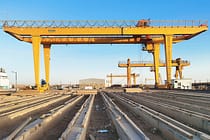
Precast Concrete Plant
-
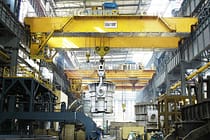
Steel Industry
-
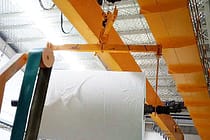
Paper Industry
-
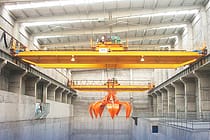
Waste to Energy and Biomass Industry
-
Power Industry
-
Overhead Cranes for Automotive Production: Smart Solutions for Enhanced Efficiency
-
Port Machines Industry
-
Manufacturing Industry
-
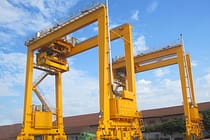
Different Types of Container Cranes, Shipyard Cranes, Cargo Cranes Used in Port, Harbor and Quay
-
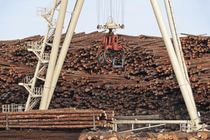
Overhead Cranes for Timber Lifting: Efficient and Safe Wood Handling
-
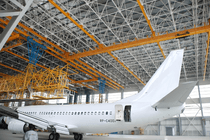
Overhead Cranes for the Aviation Industry: Streamlining Aircraft Assembly, Maintenance, and Repair
-

Overhead Cranes for Food and Beverages: Ideal for improving productivity and food safety
-
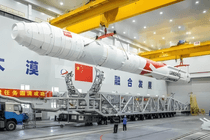
Overhead Cranes for Aerospace Industry: Key Role in Efficient Rocket Manufacturing and Launch
-
-
EQUIPMENT
-
Overhead Cranes
-
Single Girder Overhead Crane
-
Double Girder Overhead Crane
-
FEM Standard Overhead Cranes
-
Low Headroom Overhead Cranes
-
Grab Bucket Overhead Crane
-
Electromagnetic Overhead Cranes with Lifting Magnet
-
Electromagnetic Overhead Cranes with Magnet Beam
-
Manual Overhead Cranes
-
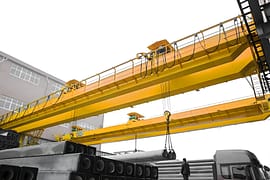
Double Trolley Overhead Cranes
-
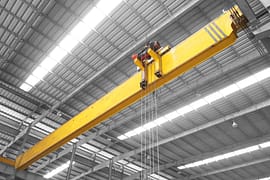
LDP Single Girder Overhead Cranes
-
- Eot Cranes
- Gantry Cranes
- Jib Cranes
-
Hoist & Winch Trolley
-
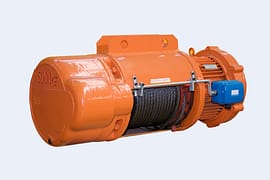
Electric Wire Rope Hoists
-
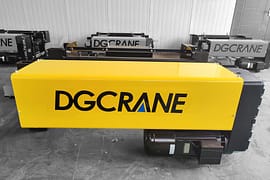
FEM Standard Wire Rope Electric Hoists
-
FEM Standard Electric Chain Hoists
-
Crane Trolley
-
Chain Hoists
-
Electric Winch
-
Manual Chain Hoists
-
Double Girder Trolley Electric Hoists
-
Low Headroom Wire Rope Electric Hoist
-
Electric Hoist for Molten Metal
-
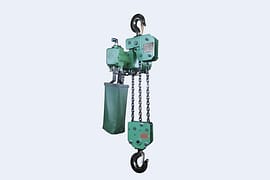
Pneumatic (Air) Chain Hoists
-
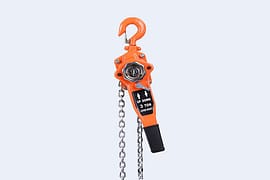
Lever Hoists
-
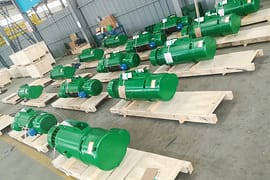
Electric Hoists
-
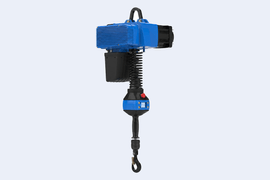
Intelligent Lifting Device
-
- Workstation Cranes
- Portable Gantry Cranes
- Explosion Proof Cranes & Hoists
- Special Cranes
- Port Cranes
- Electric Transfer Carts
-
Overhead Cranes
-
CRANE PARTS
- Crane Wheel Assembly
- Crane Grab Buckets
- Crane Tongs
- Crane Spreader
- Crane Drives
-
Crane Electrical Equipment
-
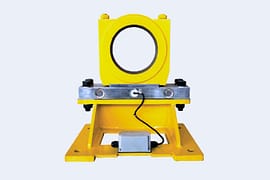
Overload Limiter
-
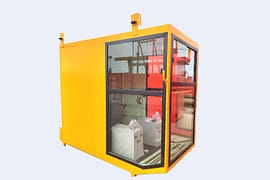
Crane Cabin
-
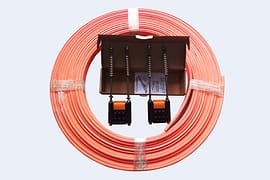
Crane Power Supply System
-

Explosion Proof Crane Radio Remote Controls
-

Joystick Type Crane Radio Remote Controls
-
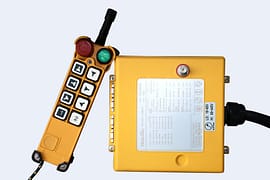
Pushbutton Type Crane Wireless Remote Controls
-
Single-pole Insulated Conductor Rails
-
Enclosed Conductor Rails
-
Seamless Conductor Rails
-
Copperhead Conductor Rails
-
Overhead Crane Cables
-
- Other Cranes Parts
- ABOUT US
- CONTACT US
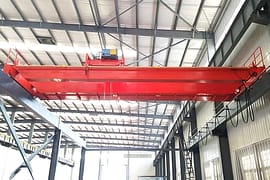
Metallurgical Double Girder Overhead Crane for a South African Aluminum Plant
 Date: 2026-11-24
Table of Contents
Project Brief
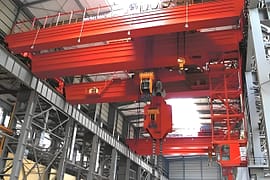
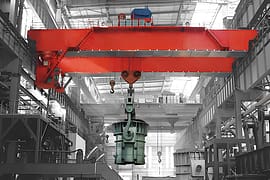
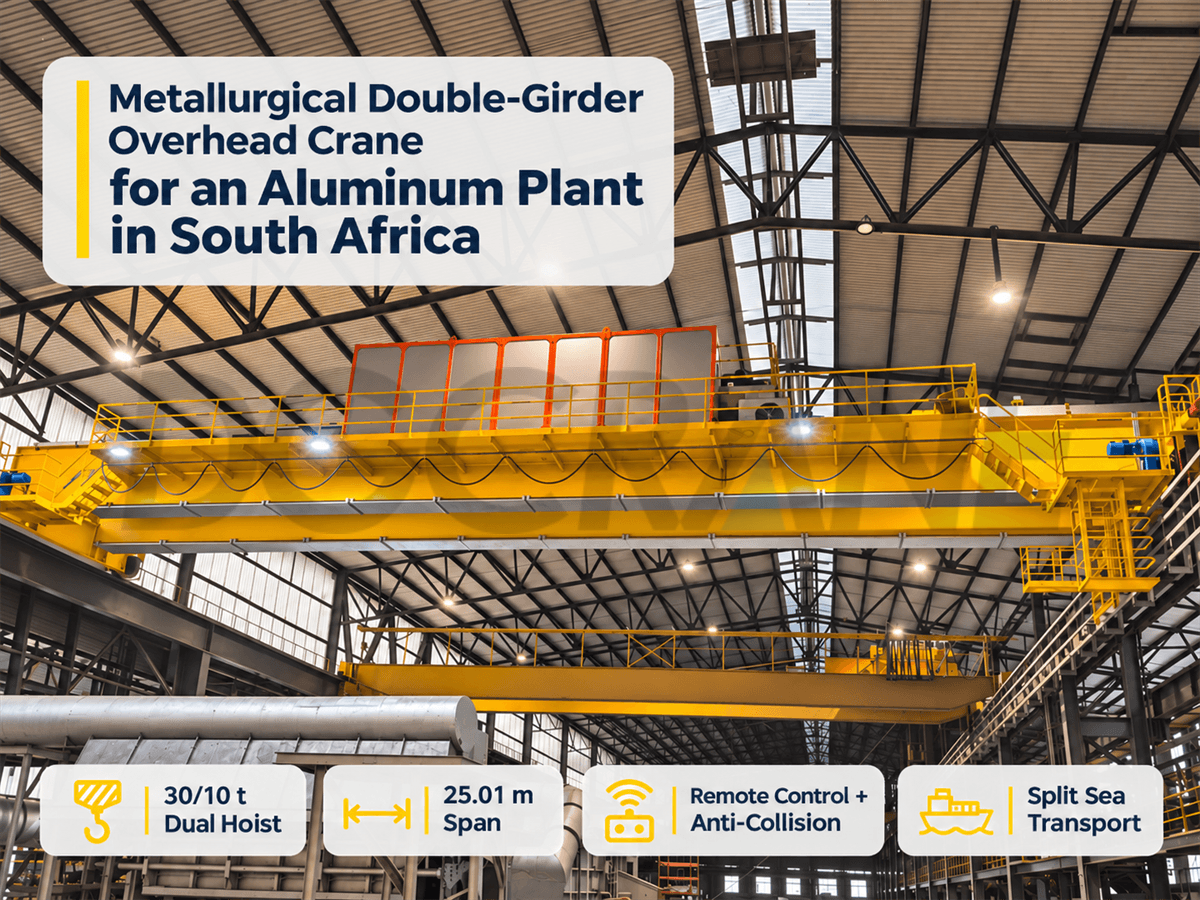
An aluminum plant in South Africa needed a metallurgical double girder overhead crane for an existing production building. The crane had to combine a 30-ton main trolley with a 10-ton auxiliary trolley while matching the installed runway, restricted headroom and the plant’s plan to add a second crane later.
We coordinated the lifting envelope, main and auxiliary trolleys, control arrangement, travel protection, coating system and overseas transport as one project. The two main girders, trolley, end carriages and electrical equipment were packed and shipped separately so that each long, assembled or boxed component received an appropriate form of protection and loading.
Engineering the Crane for the Existing Aluminum Plant
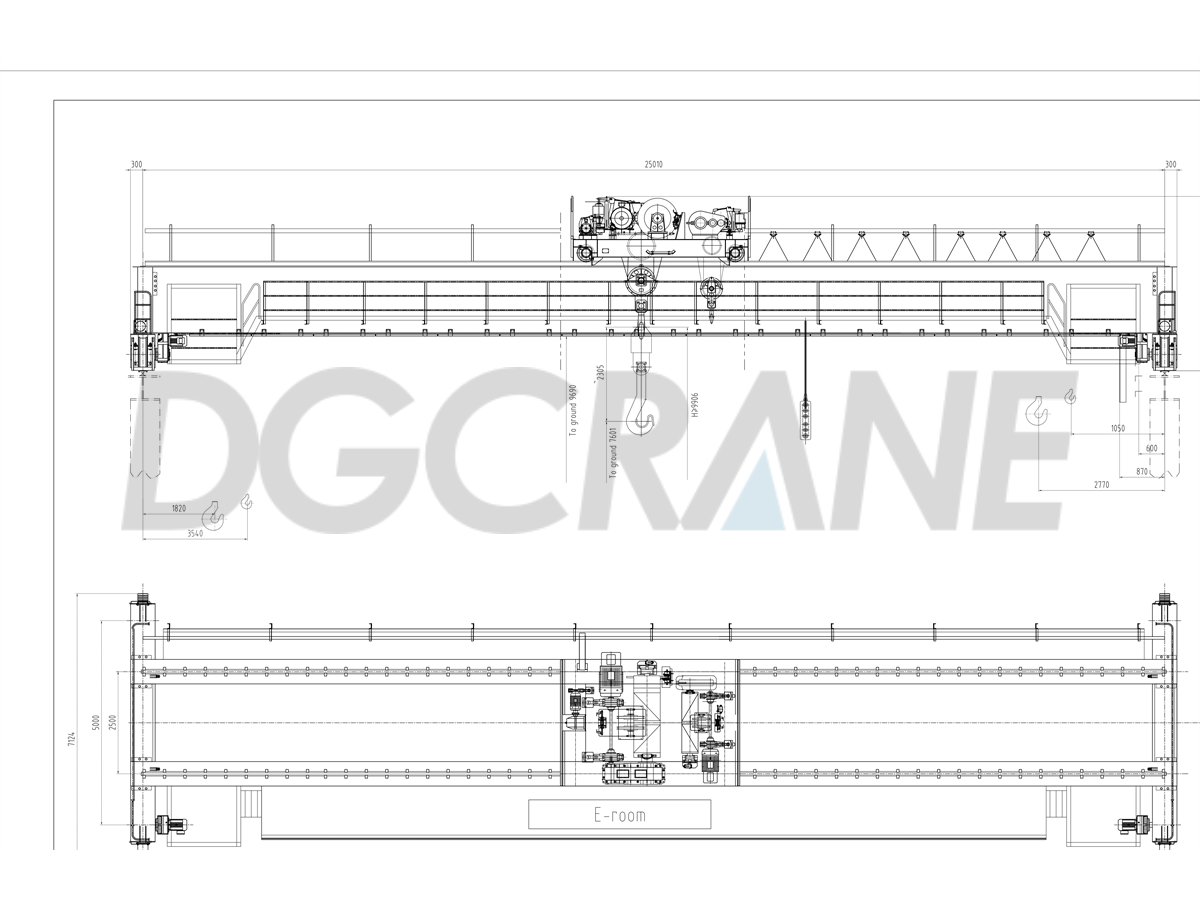
- Rated capacity: 30-ton main trolley and 10-ton auxiliary trolley
- Span: 25.01 m
- Lifting height: 10 m main trolley and 12 m auxiliary trolley
- Work duty: A8 (M8 main trolley; M7 auxiliary trolley)
- Lifting speed: Main trolley 0.5–5 m/min; auxiliary trolley 1.05–10.5 m/min;
- Travelling speed: Trolley 2.5–25 m/min; crane travel 4.6–46 m/min
- Power supply: 400 V, 50 Hz, three phase
- Control method: Push-button radio remote as primary control; pendant for emergency operation
- Runway rail: QU70
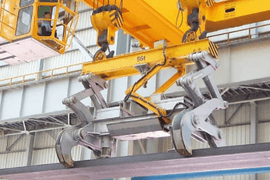
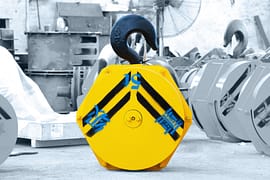
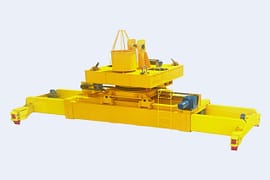
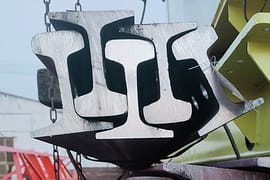
- Lifting attachment: 30-ton plate-hook lifting beam
Fitting Both Trolleys within the Existing Building Headroom
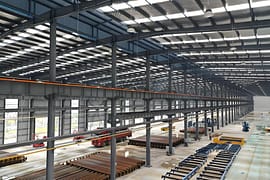
The runway position and available headroom were already fixed, so a standard crane height could not simply be applied. We checked the vertical relationship among the bridge, trolley, lifting attachment and roof structure against the 25.010 m span. A raised end-carriage arrangement was then used to set the main lifting height at 10 m and the auxiliary lifting height at 12 m.
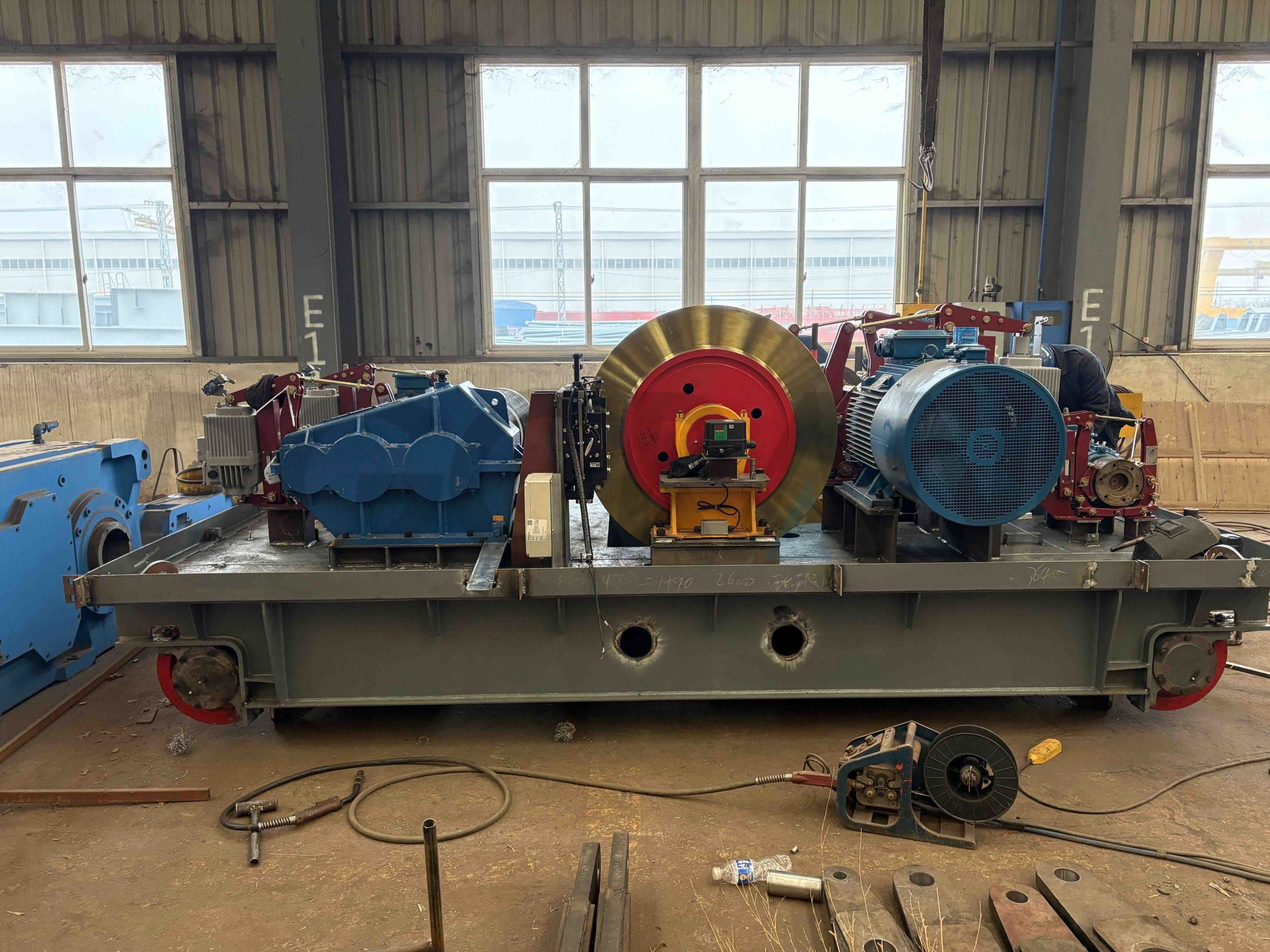
Both hoisting mechanisms are installed on the same trolley frame. The 30-ton main trolley performs the primary metallurgical lifting duty, while the 10-ton auxiliary trolley supports secondary handling. The plate-hook lifting beam works with the main trolley. Variable-speed control for hoisting, trolley travel and crane travel allows different speeds to be selected for loaded movement and final positioning.
Remote Primary Control with an Emergency Pendant
The metallurgical double girder overhead crane uses a push-button radio remote as its primary control, allowing the operator to choose a suitable observation point. A separately routed pendant provides backup operation in an emergency, and the two control paths are arranged so they do not interfere with each other.
Absolute encoders and correction limits support crane position sensing and travel alignment. Two laser anti-collision devices provide an additional layer of protection for crane travel. The power supply was planned for two cranes, leaving an interface for the future unit and reducing the extent of later changes to the main power system.
Dimensional and Welding Checks Keep Problems out of Site Assembly
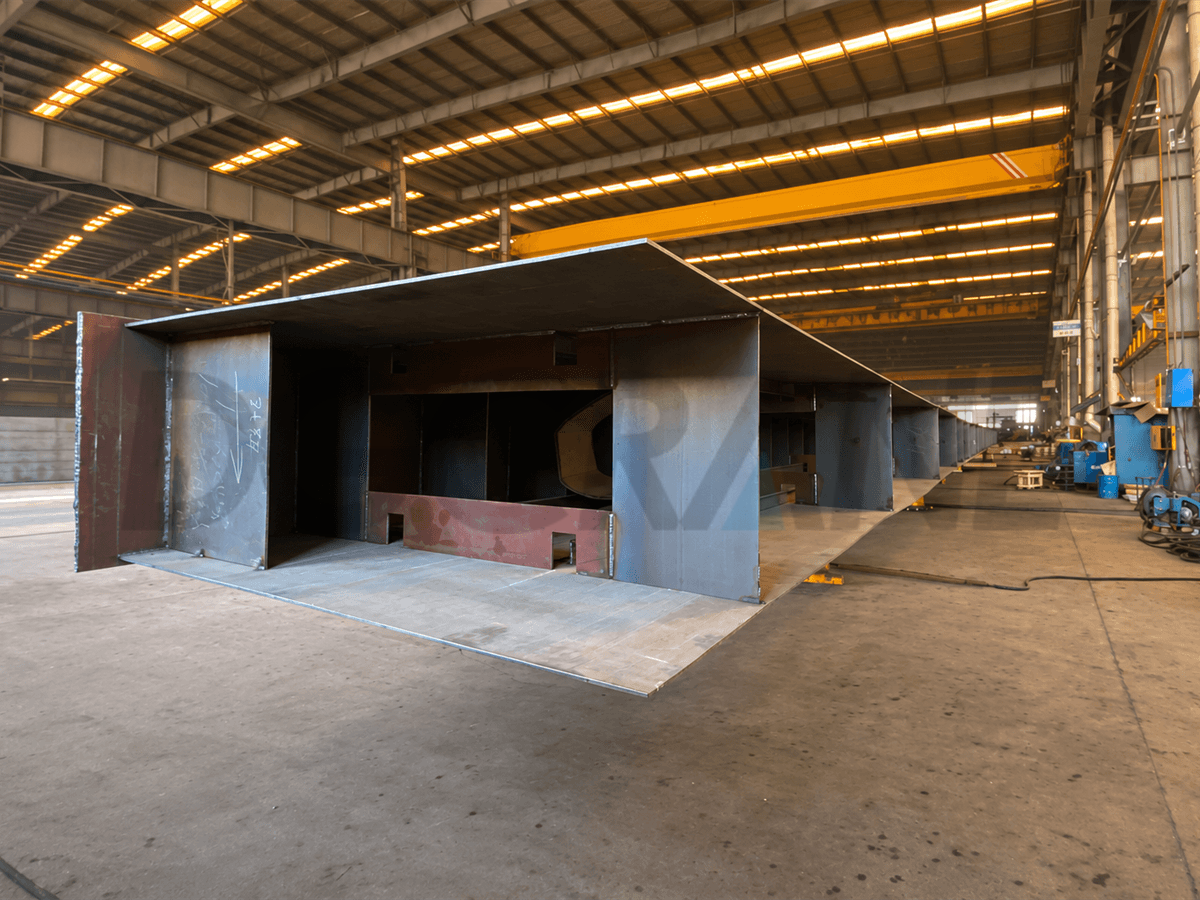
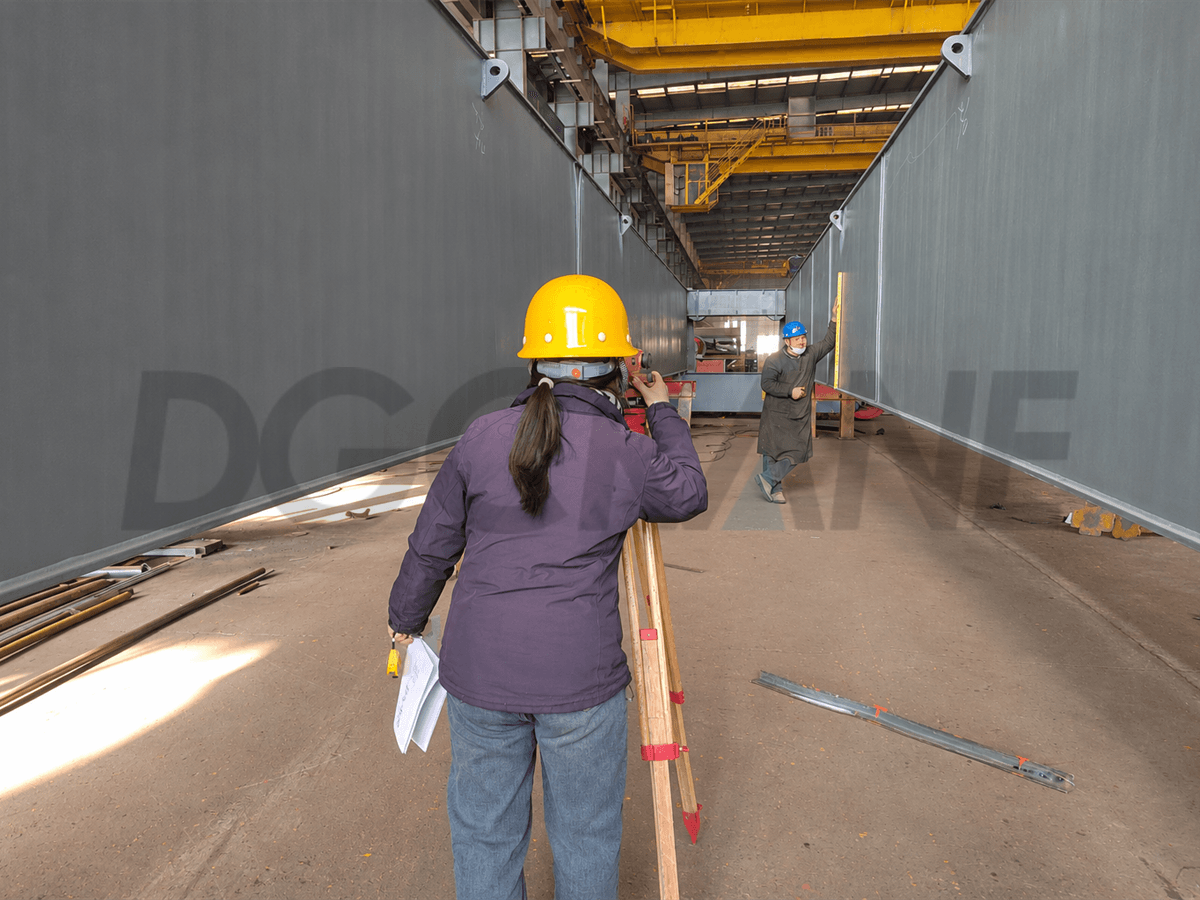
The main girders use a box structure. Before bridge assembly, the girder sections, internal stiffeners, connection points and relative positions of the two girders were checked against the final drawing. This confirms that the girder geometry, end-carriage interfaces and trolley-related positions are coordinated before coating and shipment, reducing the risk of difficult bridge assembly or excessive adjustment after arrival in South Africa.
Welding checks focused on weld locations, drawing callouts and critical trolley-frame connections. Where the third-party review required clearer weld information, the drawings were supplemented with welding symbols and requirements. The inspection response required the affected trolley frame to be remanufactured. Resolving these points in the workshop kept questionable load-bearing work from moving into assembly, coating and shipment.
Three Epoxy Coats Protect the Bridge Steelwork
The steelwork was prepared to Sa 2.5 before painting to remove rust and contaminants that could reduce coating adhesion. The specified system combines an epoxy zinc-rich primer, an epoxy micaceous iron oxide intermediate coat and an epoxy topcoat, with a total dry-film thickness of 125–150 μm.
The three coats provide base corrosion protection, an intermediate barrier and surface protection:
- Epoxy zinc-rich primer: Provides corrosion protection directly at the steel surface.
- Epoxy micaceous iron oxide intermediate coat: Increases the barrier thickness and makes it harder for moisture and corrosive media to reach the substrate.
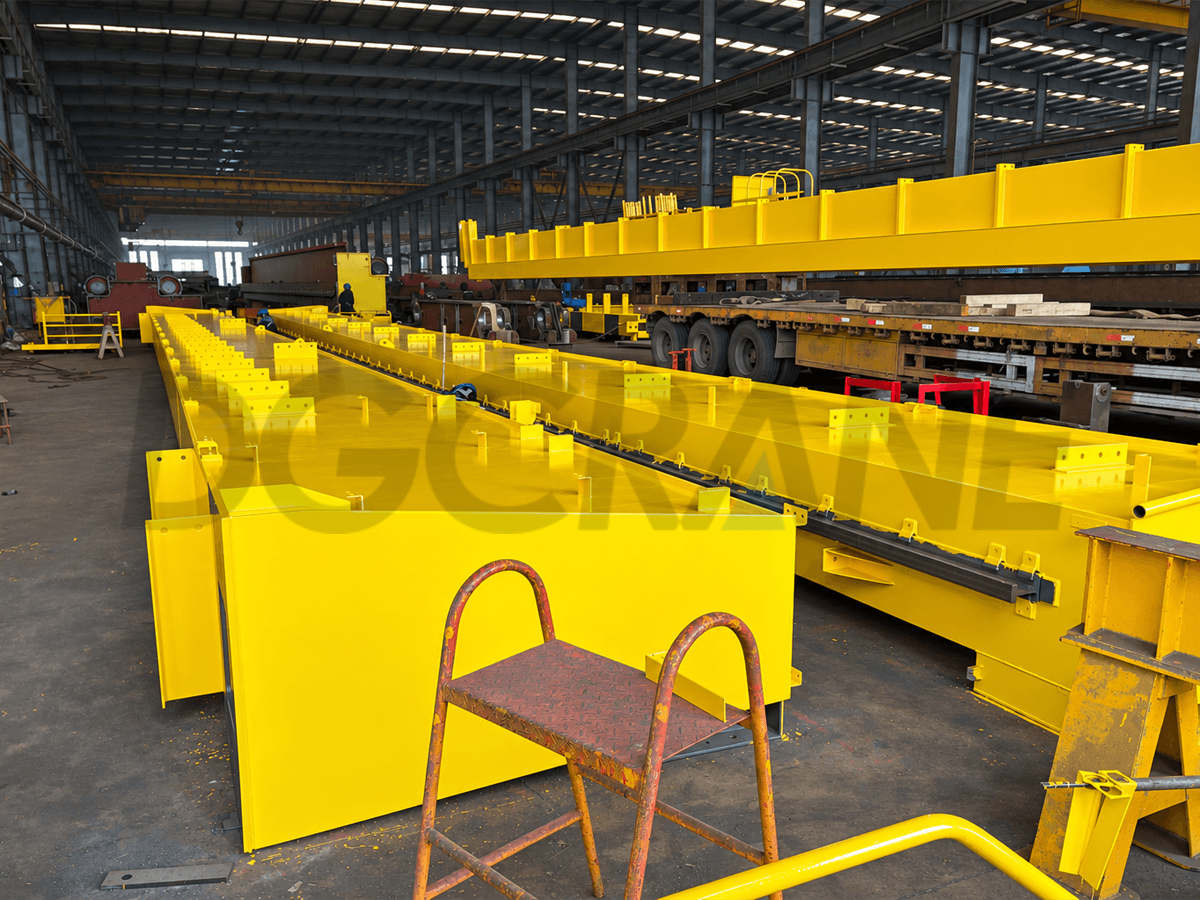
- Epoxy topcoat: Protects the intermediate layer, improves wear resistance and makes the surface easier to clean. The yellow finish also improves the visibility of the bridge, platforms and guardrails during routine inspection.
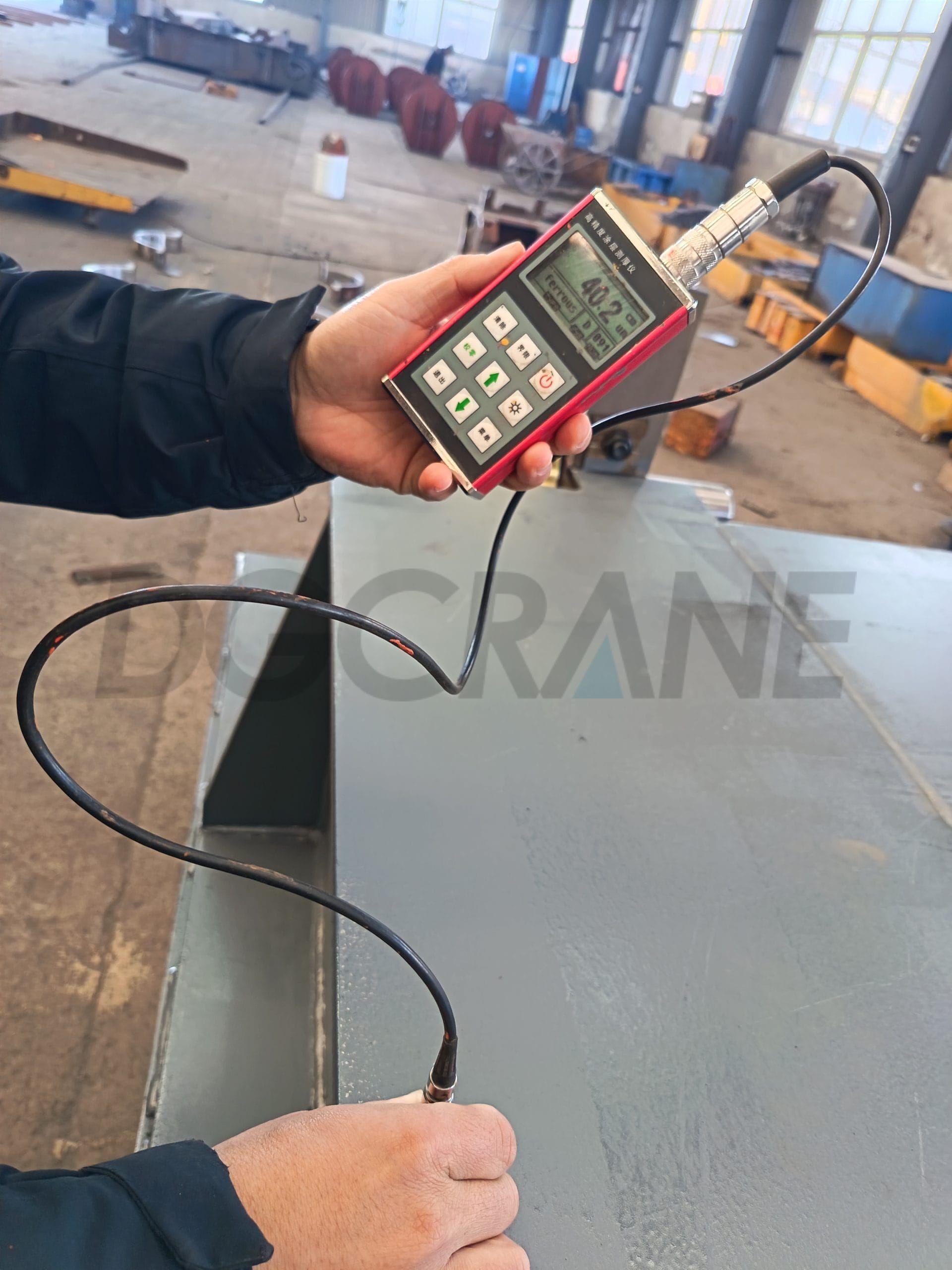
During application, a coating-thickness gauge was used to check individual layers. The purpose was to confirm that the coating formed the required continuous film and to detect thin or uneven areas before the next stage. For a metallurgical overhead crane that would travel by sea and then work inside an aluminum plant, these process checks helped turn the coating specification into verified work on each layer instead of relying only on the final color and appearance.
Packing and Shipping Each Component for Its Transport Method
The packing method was selected according to component size, surface condition and handling requirements so that long sections, the assembled trolley and smaller accessories received appropriate protection:
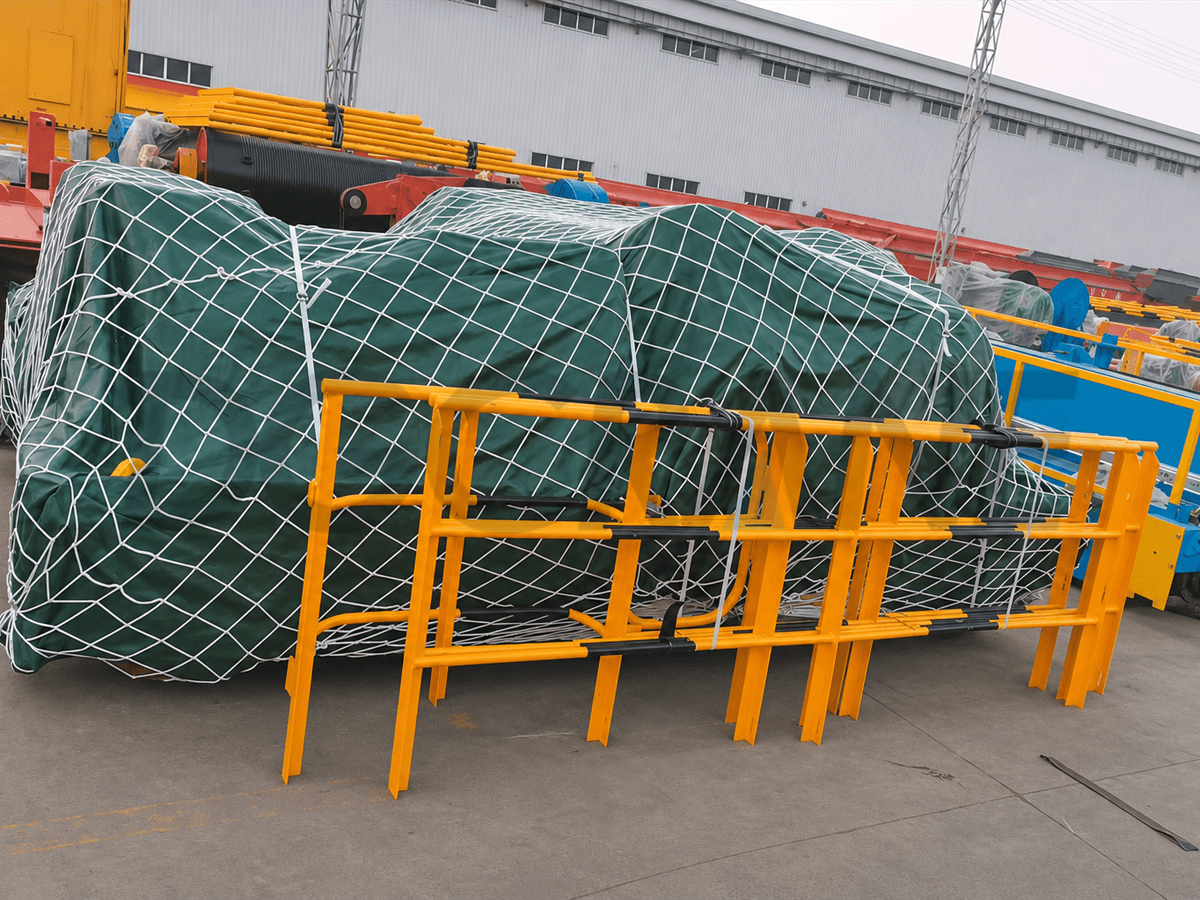
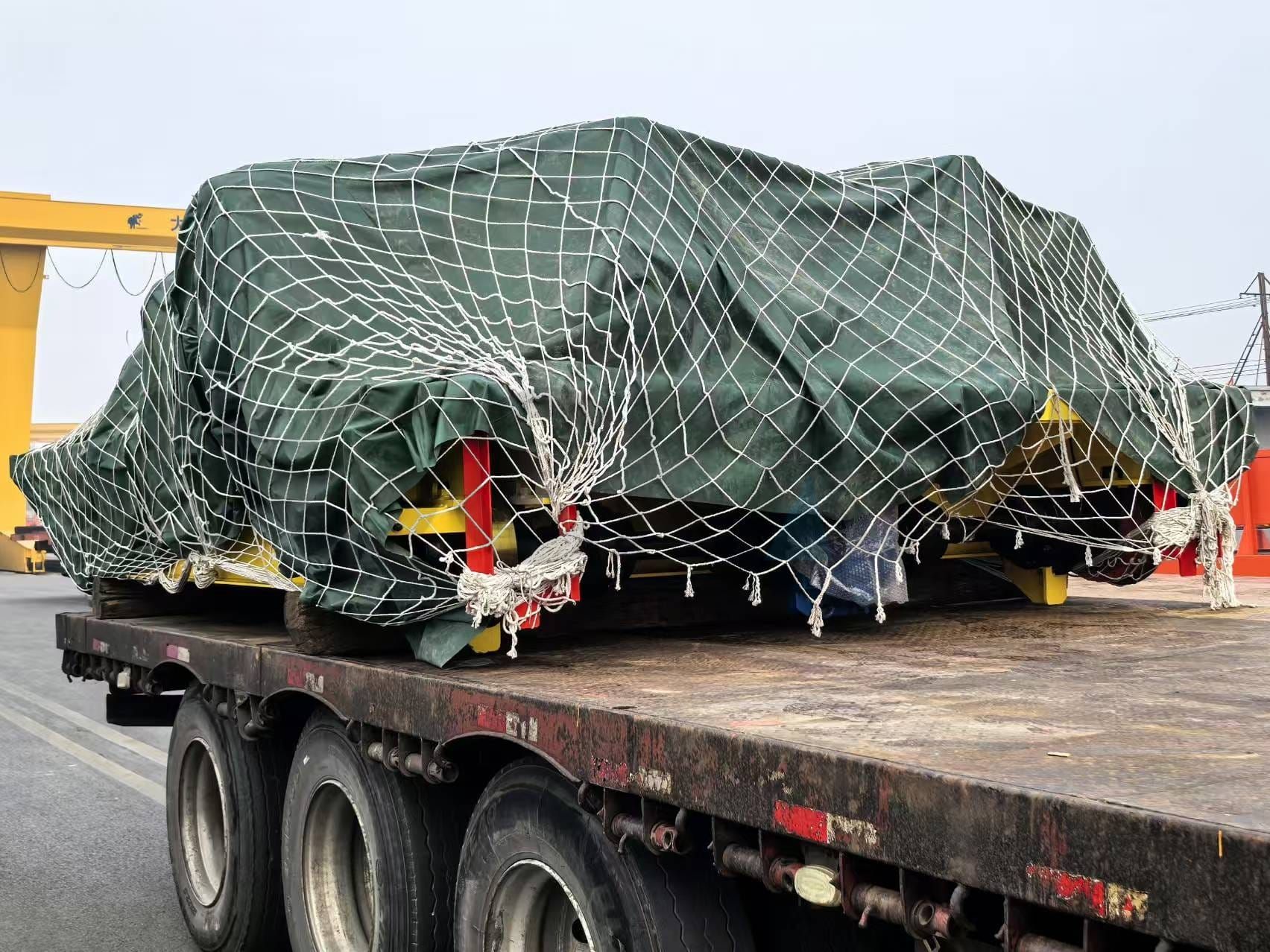
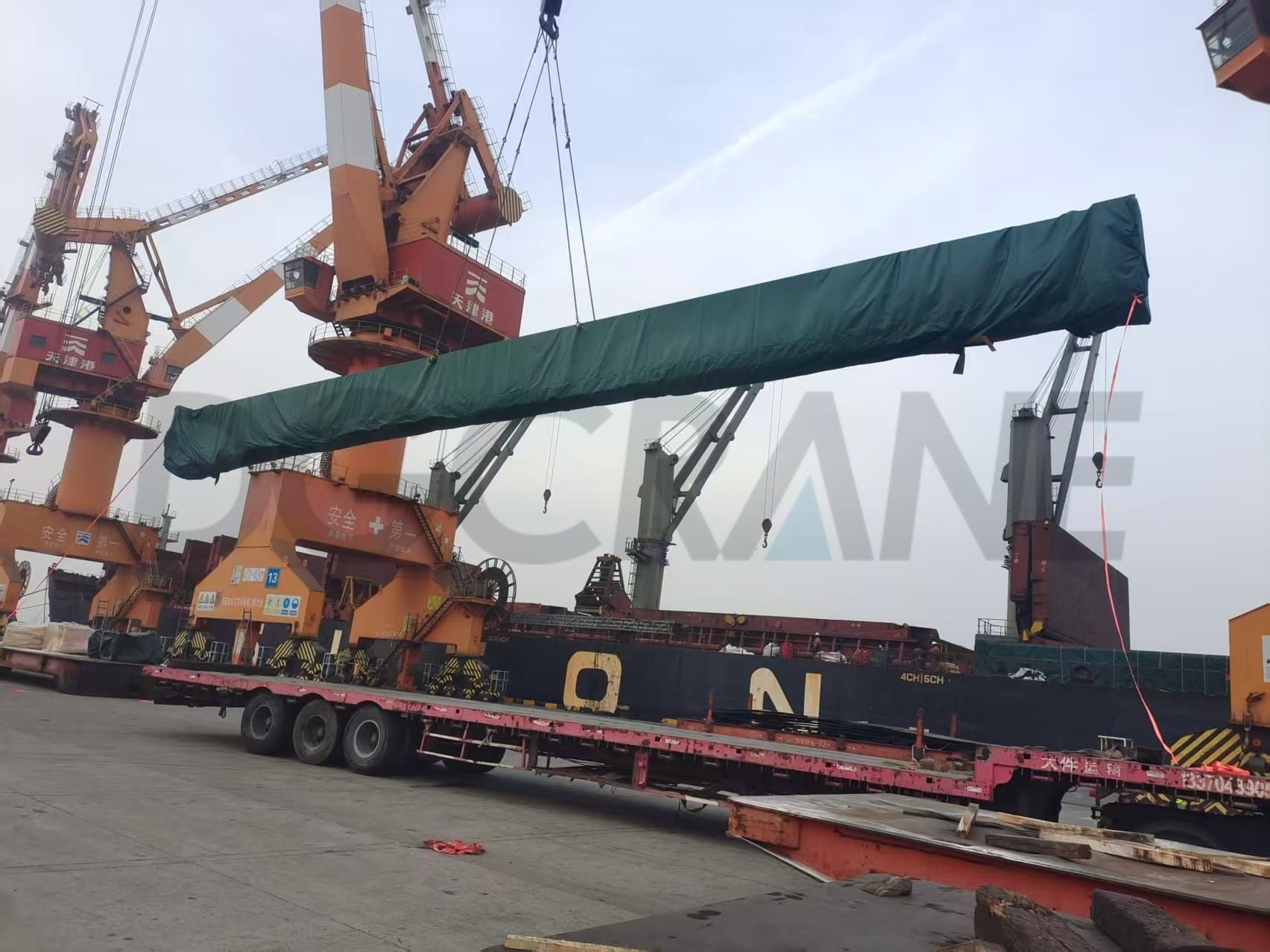
- Main girders, end carriages, platforms and guardrails: Covered with green waterproof sheeting to reduce direct exposure of the yellow coating to rain, moisture and dirt during sea transport and open-air transfers. External netting holds the sheeting close to the component profiles and reduces the chance of the cover lifting, loosening or repeatedly rubbing against the painted surface.
- Control cabinets and electrical components: Boxed or protected separately according to their characteristics to reduce exposure to moisture and handling impacts.
- Accessories for the 30-ton plate-hook lifting beam, wire ropes and QU70 rail accessories: Grouped in boxes or secured separately, making the packing list easier to check while reducing the risk of small parts being lost.
After packing, each component was matched with transport equipment according to its dimensions and handling requirements:
- Two main girders: Because this length exceeds the practical range of a standard container, the girders moved as long cargo by bulk vessel.
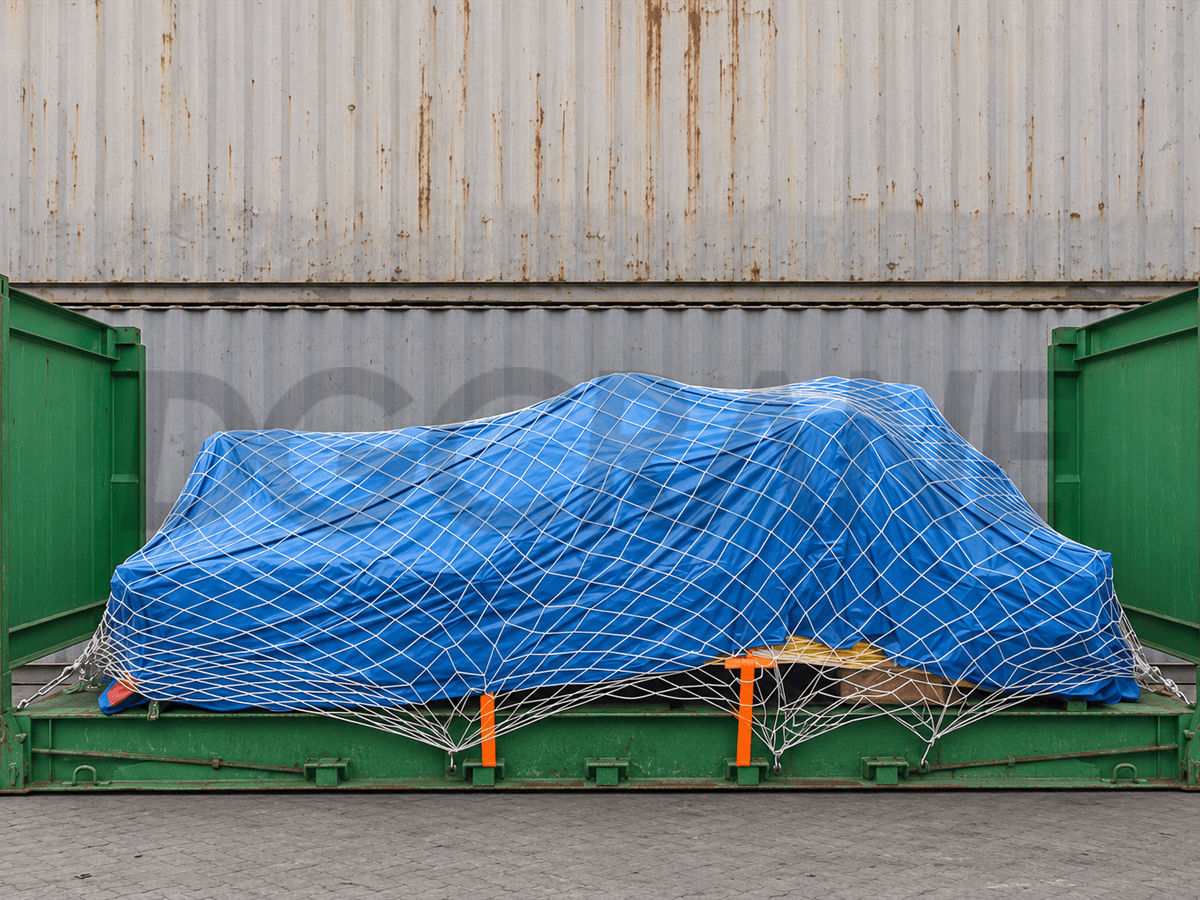
- Assembled trolley: It was loaded on a flat rack, which provided open access from the top and sides for lifting and securing.
- End carriages, electrical room, lifting attachments and rail accessories: Divided among open-top containers and other packing units according to size and protection needs.
This split was more than a way to separate the shipment. It matched the long girders, assembled trolley and smaller parts with suitable transport equipment, avoided unnecessary disassembly and left workable space for lifting points, tie-downs and waterproof covering.
Installed and Positioned in the Aluminum Plant
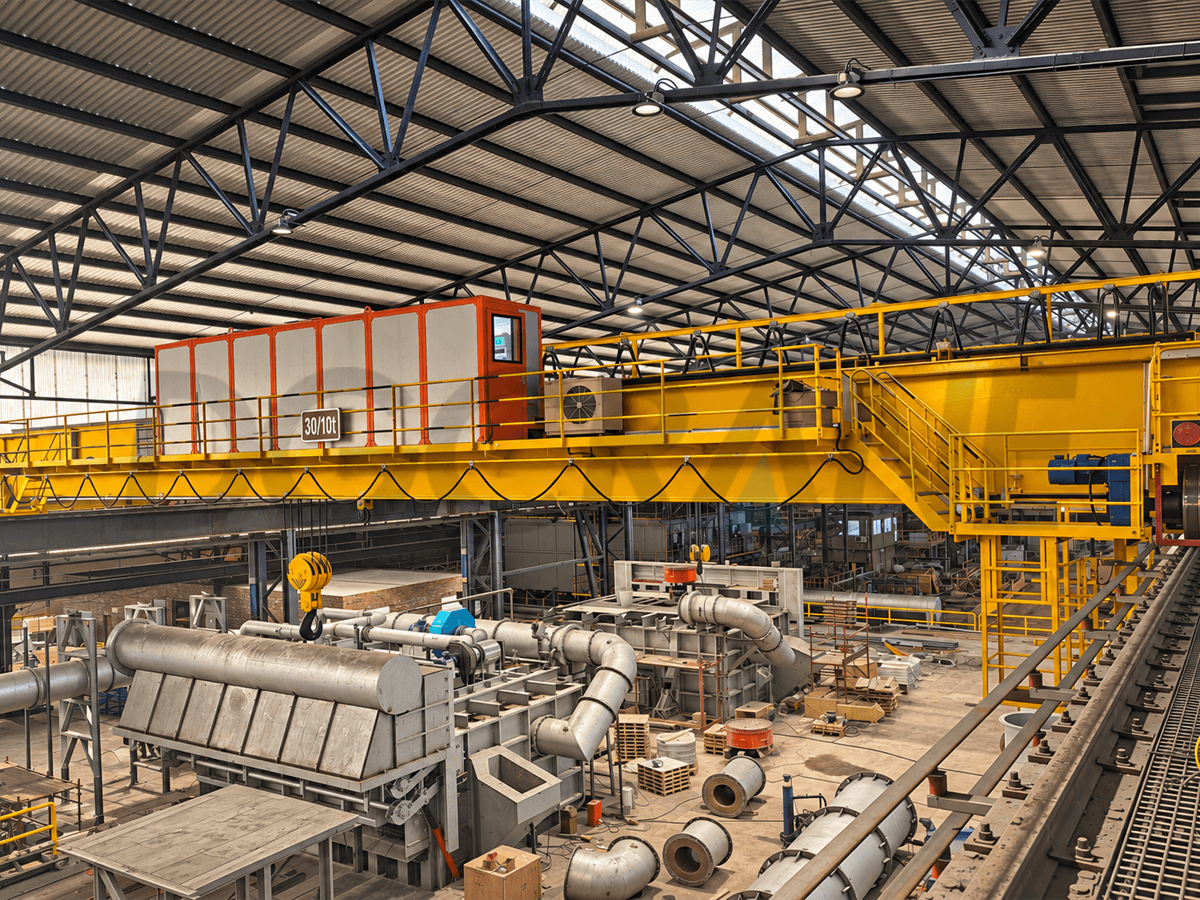
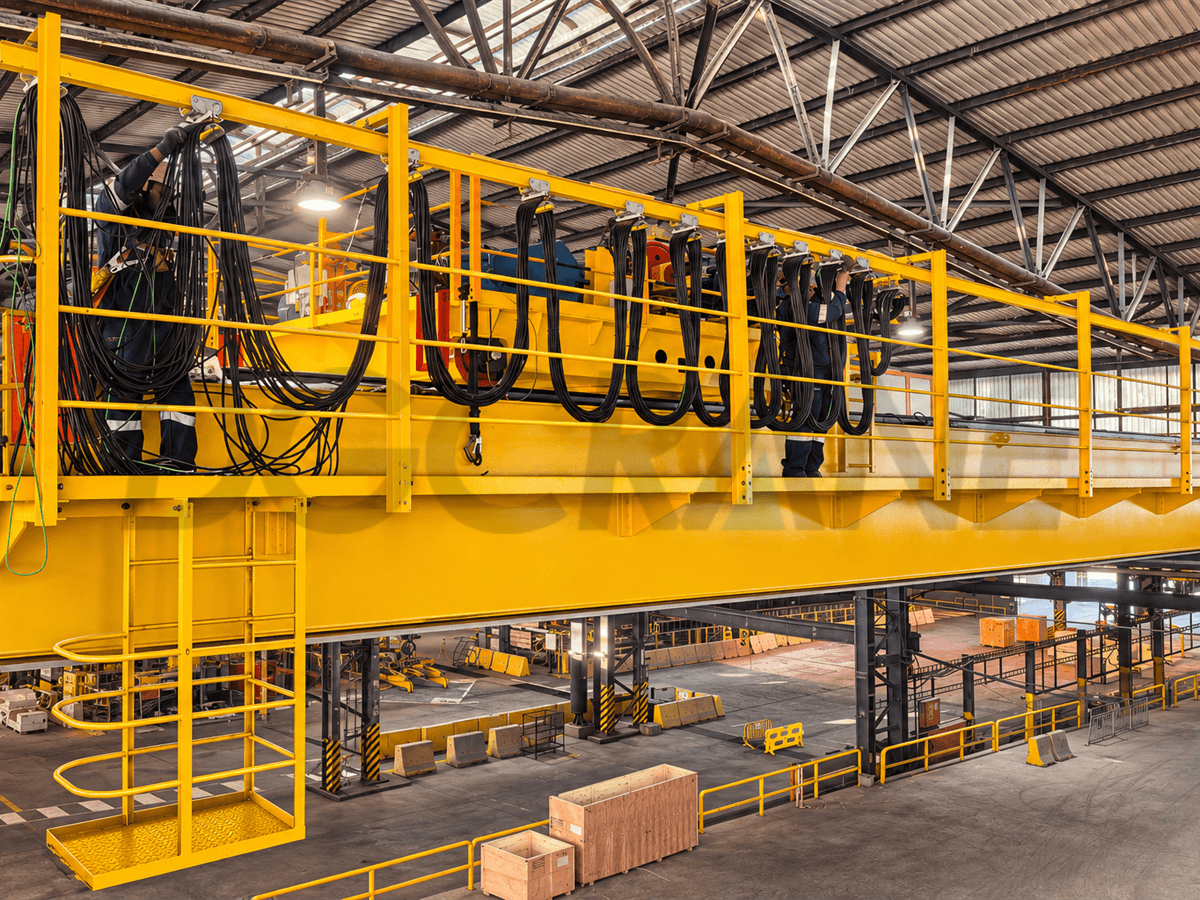
The metallurgical double girder overhead crane has been erected on the plant runway in South Africa, with the bridge, trolley, platforms, guardrails and electrical equipment in position. The arrangement allows the main and auxiliary trolleys to cover the production area while retaining bridge access for inspection and maintenance.
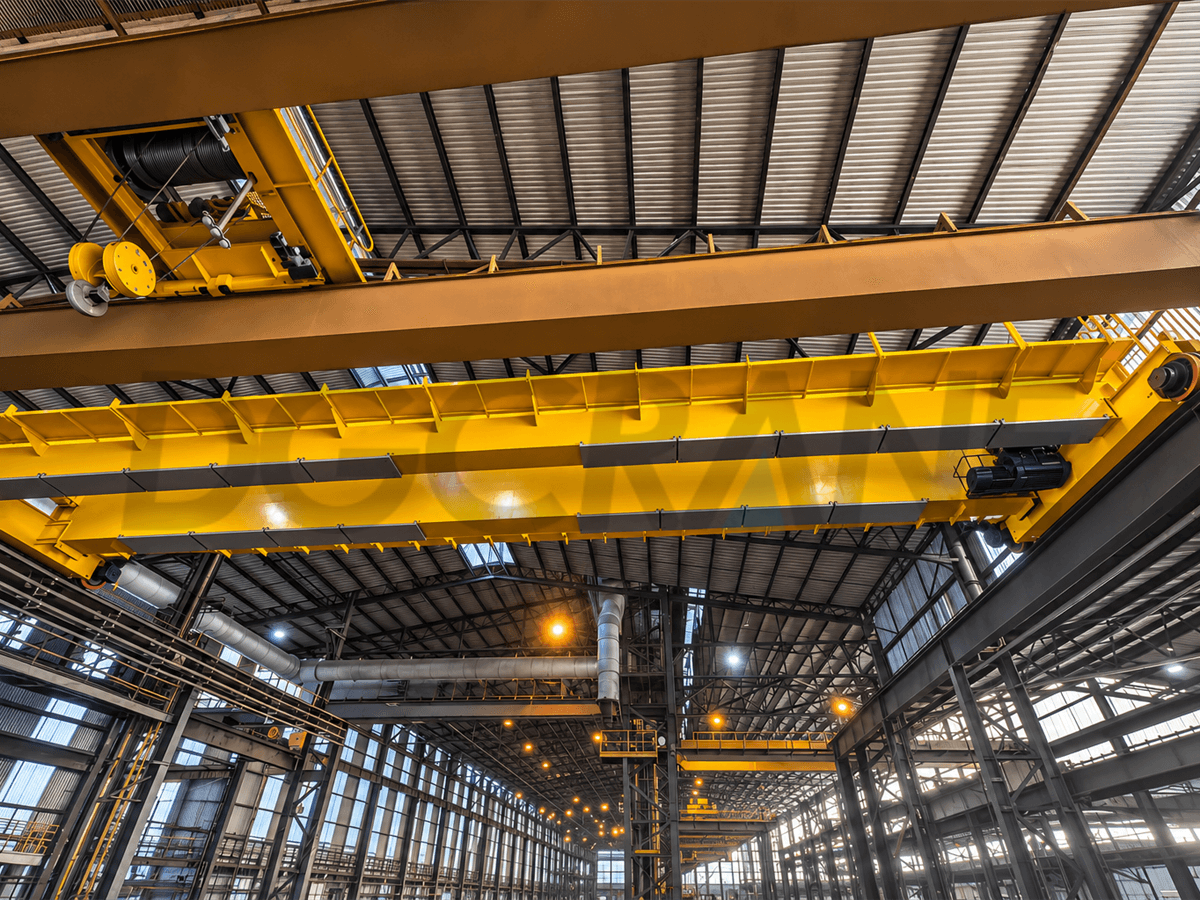
Planning a Metallurgical Double Girder Overhead Crane for Similar Application?
If your aluminum production workshop also requires a metallurgical overhead crane with main and auxiliary trolleys, provide the workpiece, main and auxiliary capacities, span, runway-beam elevation, required lifting height, power supply, operating temperature, control method, lifting attachment, travel distance and site transport conditions. DGCRANE can then check the crane envelope, trolley mechanism arrangement, plate-hook lifting beam, protection systems, power interface and split transport plan against the building.

Zora Zhao
Expert in Overhead Crane/Gantry Crane/Jib Crane/Crane Parts Solutions
With 10+ years of experience in the Crane Overseas Export Industry, helped 10,000+ customers with their pre-sales questions and concerns, if you have any related needs, please feel free to contact me!
WhatsApp: +86 189 3735 0200
Email: zorazhao@dgcrane.com
Contact Details
DGCRANE is committed to providing the professional Overhead crane products and relavent service. Exported to Over 100 Countries, 5000+ Customers Choose Us, Worth to be Trusted.
Get In Touch
Fill out your details and someone from our sales team will get back to you within 24 hours!
Subscribe to our newsletter
The latest DGCRANE price list, news, articles, and resources.
- Overhead Cranes
- Single Girder Overhead Cranes
- Double Girder Overhead Crane
- Low Headroom Overhead Cranes
- Underslung Cranes
- FEM Standard Overhead Cranes
- Grab Bucket Overhead Crane
- Manual Overhead Cranes
- LDP Single Girder Overhead Cranes with Side-Mounted Hoists: Optimal Solution for Low-Ceiling Workshops