


-
INDUSTRIES
-
Precast Concrete Plant
-
Steel Industry
-
Paper Industry
-
Waste to Energy and Biomass Industry
-
Power Industry
-
Overhead Cranes for Automotive Production: Smart Solutions for Enhanced Efficiency
-
Port Machines Industry
-
Manufacturing Industry
-
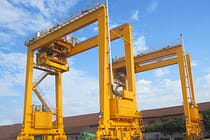
Different Types of Container Cranes, Shipyard Cranes, Cargo Cranes Used in Port, Harbor and Quay
-
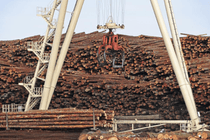
Overhead Cranes for Timber Lifting: Efficient and Safe Wood Handling
-
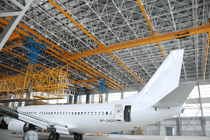
Overhead Cranes for the Aviation Industry: Streamlining Aircraft Assembly, Maintenance, and Repair
-

Overhead Cranes for Food and Beverages: Ideal for improving productivity and food safety
-
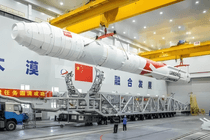
Overhead Cranes for Aerospace Industry: Key Role in Efficient Rocket Manufacturing and Launch
-
-
EQUIPMENT
-
Overhead Cranes
-
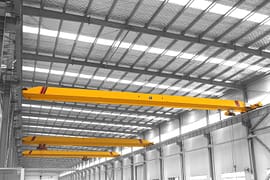
Single Girder Overhead Crane
-
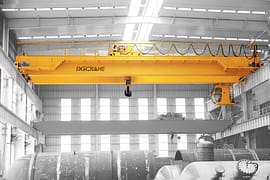
Double Girder Overhead Crane
-
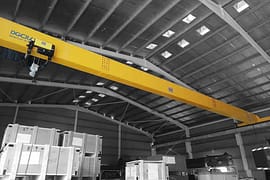
FEM Standard Overhead Cranes
-
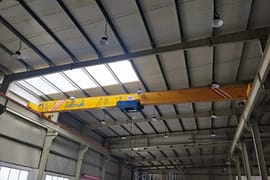
Low Headroom Overhead Cranes
-
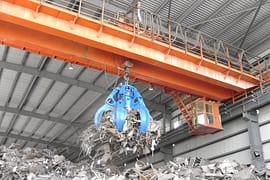
Grab Bucket Overhead Crane
-
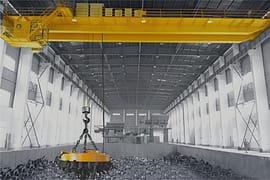
Electromagnetic Overhead Cranes with Lifting Magnet
-
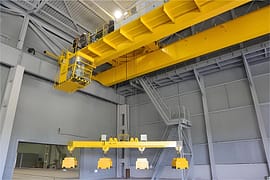
Electromagnetic Overhead Cranes with Magnet Beam
-
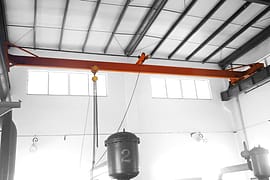
Manual Overhead Cranes
-
Double Trolley Overhead Cranes
-
LDP Single Girder Overhead Cranes
-
- Eot Cranes
- Gantry Cranes
- Jib Cranes
-
Hoist & Winch Trolley
-
Electric Wire Rope Hoists
-
FEM Standard Wire Rope Electric Hoists
-
FEM Standard Electric Chain Hoists
-
Crane Trolley
-
Chain Hoists
-
Electric Winch
-
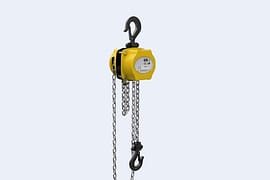
Manual Chain Hoists
-
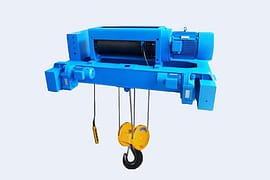
Double Girder Trolley Electric Hoists
-
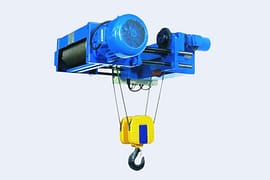
Low Headroom Wire Rope Electric Hoist
-
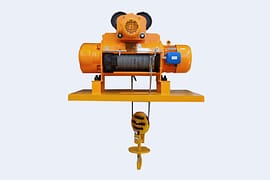
Electric Hoist for Molten Metal
-
Pneumatic (Air) Chain Hoists
-
Lever Hoists
-
Electric Hoists
-
- Workstation Cranes
- Portable Gantry Cranes
- Explosion Proof Cranes & Hoists
- Special Cranes
- Port Cranes
- Electric Transfer Carts
-
Overhead Cranes
-
CRANE PARTS
- Crane Wheel Assembly
- Crane Grab Buckets
- Crane Tongs
- Crane Spreader
- Crane Drives
-
Crane Electrical Equipment
-
Overload Limiter
-
Crane Cabin
-
Crane Power Supply System
-

Explosion Proof Crane Radio Remote Controls
-
Joystick Type Crane Radio Remote Controls
-
Pushbutton Type Crane Wireless Remote Controls
-
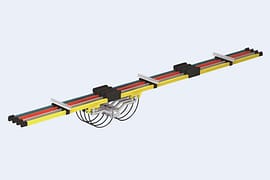
Single-pole Insulated Conductor Rails
-
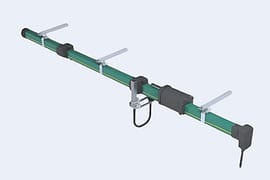
Enclosed Conductor Rails
-
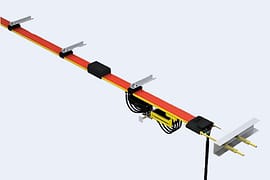
Seamless Conductor Rails
-
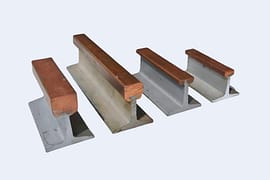
Copperhead Conductor Rails
-
Overhead Crane Cables
-
- Other Cranes Parts
- ABOUT US
- CONTACT US
LD Standard VS HD Premium Overhead Crane: Which One Should You Choose?
Table of Contents
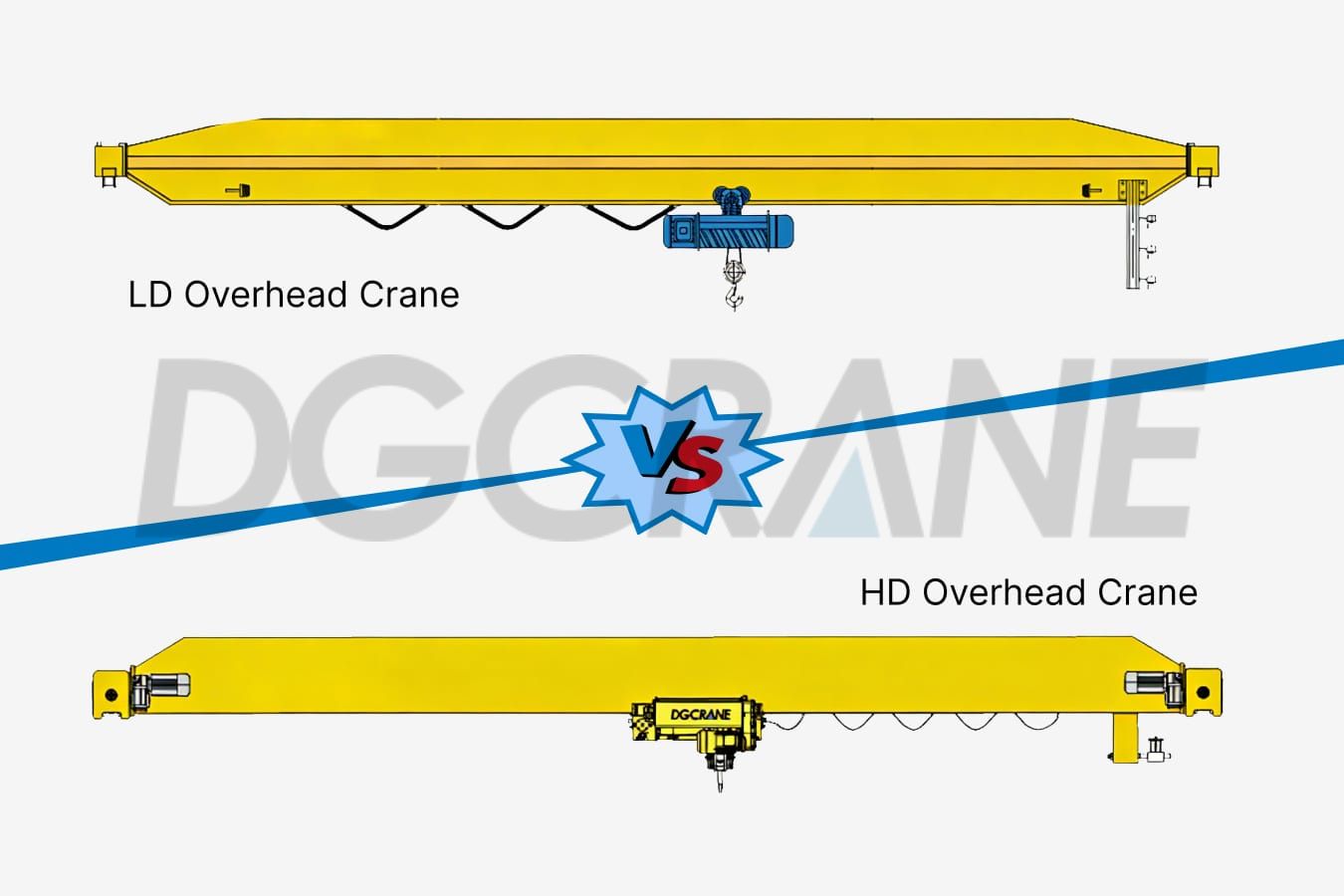
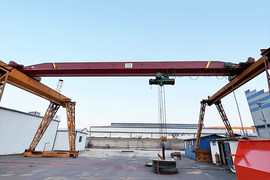
Single-girder overhead cranes are indispensable lifting equipment in workshop hoisting, warehouse loading and unloading, and factory production operations. However, the differences between LD standard and HD premium overhead cranes, and how to choose between them, often leave purchasers in a dilemma. What seems like a choice between two products is actually a comprehensive consideration of the company’s budget, workload, factory conditions, and long-term operation and maintenance plans.
Next, we will explain the differences between LD standard and HD premium overhead cranes and their respective suitable working scenarios from seven core dimensions: main beam structure, steel material, electric hoist, reference price, space utilization, maintenance, and safety performance. This will help you accurately match the most suitable lifting solution, ensuring the equipment truly improves production efficiency and saves the company money in the long run.
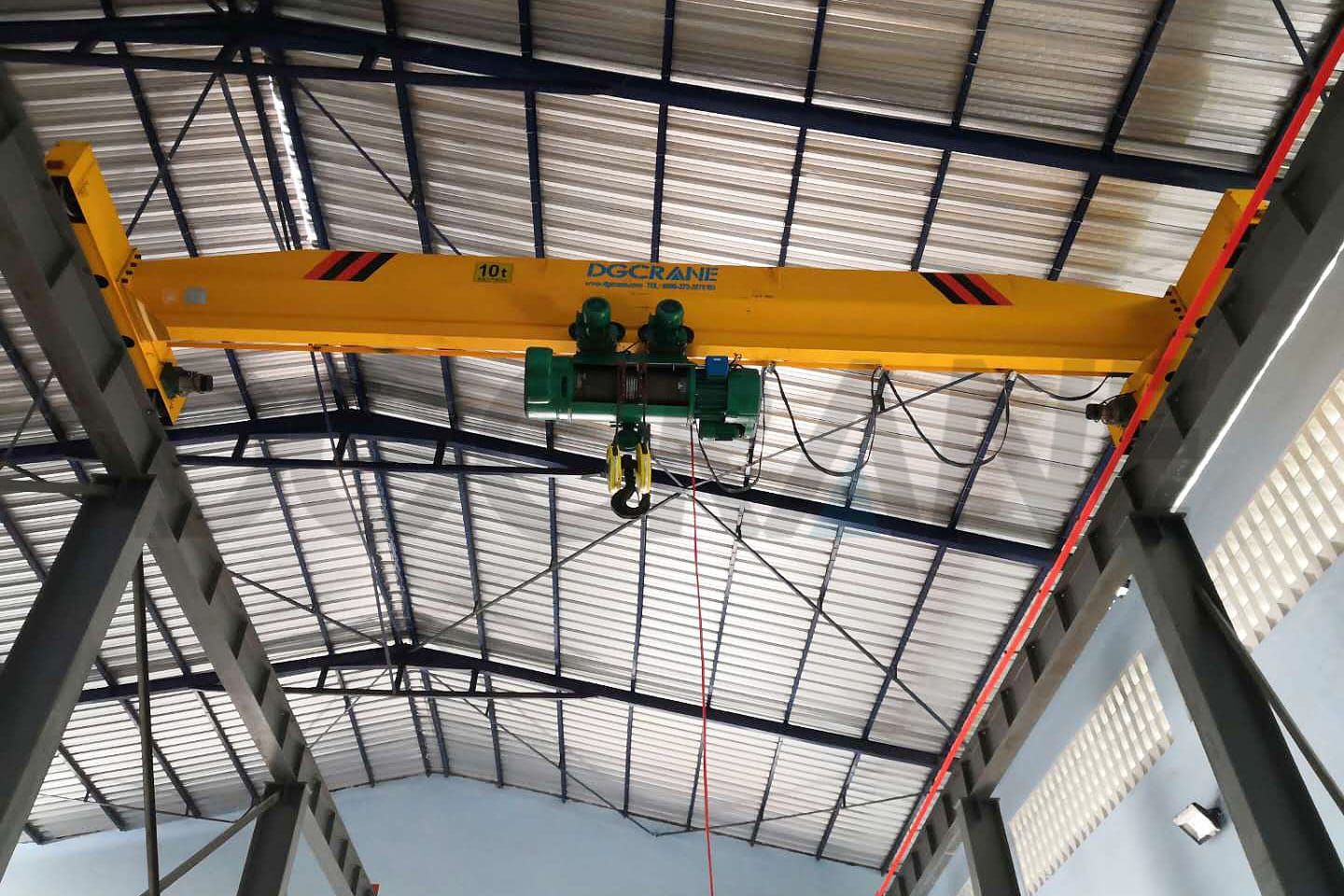 | 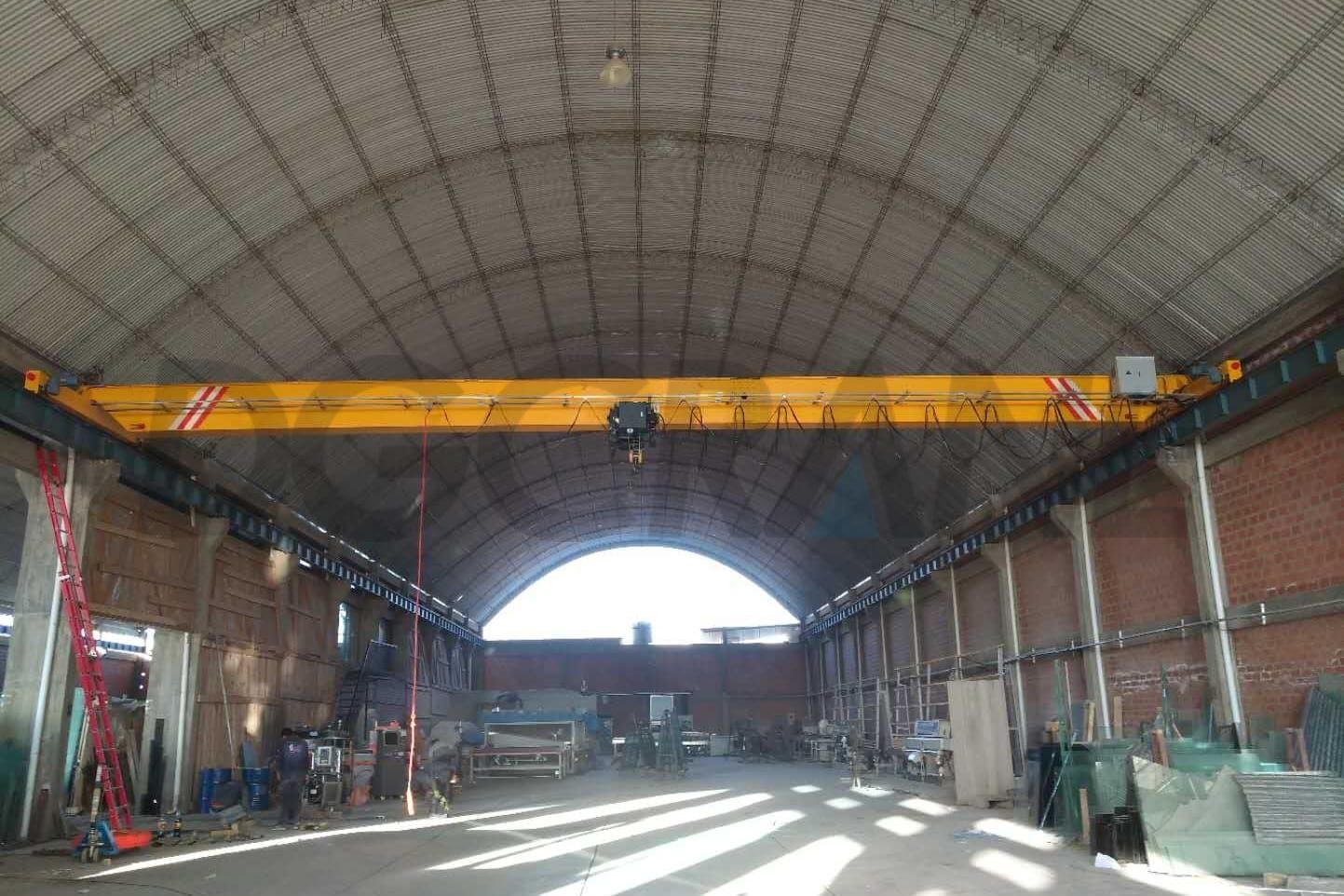 | |
| LD standard overhead crane | HD premium overhead crane | |
| Work Duty Classification | A3-A4 | A4-A6 |
| Main Beam Structure | I-beams/H-beams | Box-type |
| Steel Material | Q235B (S235JR/A283/A1011) | Q355B (S355JR/A572 Gr.50) |
| Electric Hoist | CD1/MD1 Electric Hoist | European Electric Hoist |
| Operating Environment | Dry, well-ventilated, and non-corrosive | Dusty, humid, and slightly corrosive |
| Space Requirements | High requirements for ceiling space and factory load-bearing capacity | Low requirements for clearance height and factory load-bearing capacity |
| Scope of Work | It has certain limitations | Small left and right limits of the hook |
| Maintenance Cost | Wear parts have a short lifespan and require frequent replacement | Maintenance-free parts can reduce the number of replacements |
| Safety Protection Devices | Lifting limit, Running buffer, Overload limit | Lifting limit, Running buffer, Overload limit, Anti-collision limit, Dual braking protection, Emergency power failure, Phase loss protection |
| Operating Noise | 75–85dB | 65-72dB |
| Positioning Error | ±5mm | ±2mm |
Main Beam Structure: The Difference Between Light & Heavy Loads
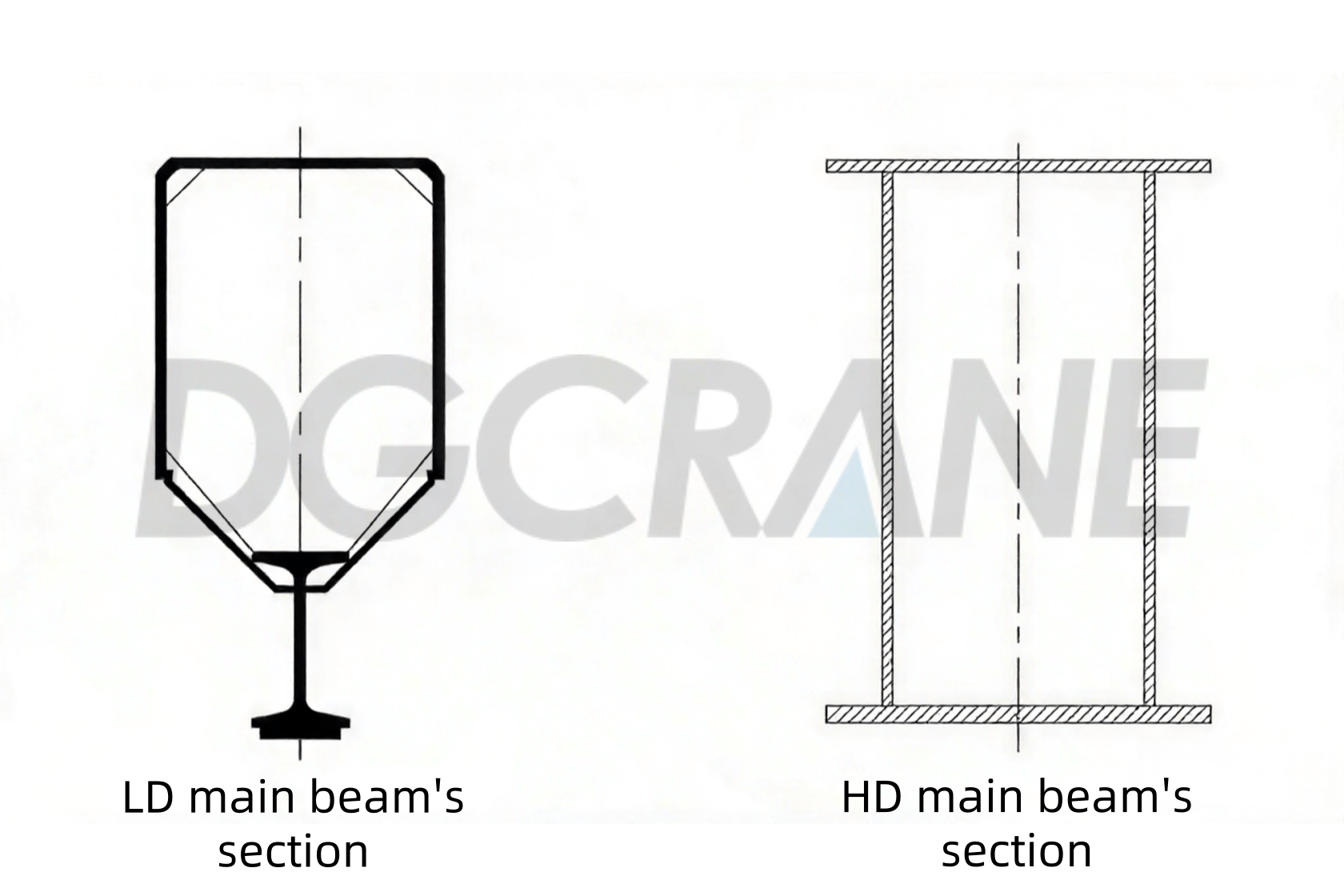
LD standard overhead cranes mostly use I-beams or H-beams for their main beams. This design allows the wide, thick upper and lower flanges to be far from the neutral axis, resulting in minimal deformation and high stiffness under bending moments. However, because their moment of inertia and radius of gyration in the width direction are much smaller than those in the height direction, their application is somewhat limited, making them unsuitable for frequent and heavy-load operations.
HD premium overhead cranes use off-center box girders for their main beams. Their upper and lower flanges are far from the neutral axis, and their cross-section is a closed hollow structure. Therefore, they have strong bending resistance, uniform stress distribution, and minimal deformation, allowing them to withstand greater loads. Even with long-term heavy-load operation, wear and tear are relatively slow, resulting in a longer service life. However, since box girders are typically welded from four steel plates, strict control of welding quality and dimensional accuracy is required during processing, which makes construction more difficult and increases processing costs. Therefore, they are not suitable for small-span, light-load applications, leading to some cost waste.
In summary, the LD standard overhead cranes feature a mature, stable structure and high cost-effectiveness, making them ideal for basic, low-frequency lifting in small and medium-sized factories with limited budgets and mild working conditions. The HD premium overhead cranes, designed for large factories and heavy-duty use, adopt a high-strength offset box girder to sustain long-term, high-frequency heavy loads reliably. Suited for modern workshops demanding stability and durability, they minimize structural fatigue and deliver superior long-term value.
Steel Material: Carbon Steel vs High-Strength Alloy Steel
The steel structure of LD standard overhead cranes mostly uses ordinary carbon steel like Q235B. This steel has moderate strength, good plasticity, and toughness, but to ensure greater strength, its thickness often needs to be increased, resulting in increased overall weight and higher requirements for the load-bearing capacity of the factory building.
HD premium overhead cranes, on the other hand, use Q355B high-strength low-alloy steel. This steel has a yield strength more than 30% higher than ordinary steel. Furthermore, under the same stress conditions, the thickness of components can be reduced by 20%-30%. For example, the main beam, which traditionally might require a 20mm thick steel plate, only needs 14mm using high-strength alloy steel, thus reducing weight by nearly one-third. Moreover, the upgraded material has better toughness and fatigue resistance, resulting in slower wear and aging of the metal structure during repeated lifting and operation, thus extending the equipment’s service life.
For the basic lifting needs of conventional production workshops, LD standard overhead cranes offer outstanding cost-effectiveness and are a practical choice for budget-friendly options. For scenarios where factory load-bearing capacity is limited and long-term durability is required, HD premium overhead cranes provide more reliable support for high-frequency heavy-load operations with their lightweight design and superior fatigue resistance.
Electric Hoist: Match Your Hoist to Workshop Lifting Needs
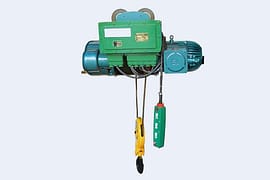
LD standard overhead cranes typically use the most traditional CD1/MD1 electric hoists, while HD premium overhead cranes are equipped with European electric hoists. The table below will show the differences between the two hoisting mechanisms in more detail:
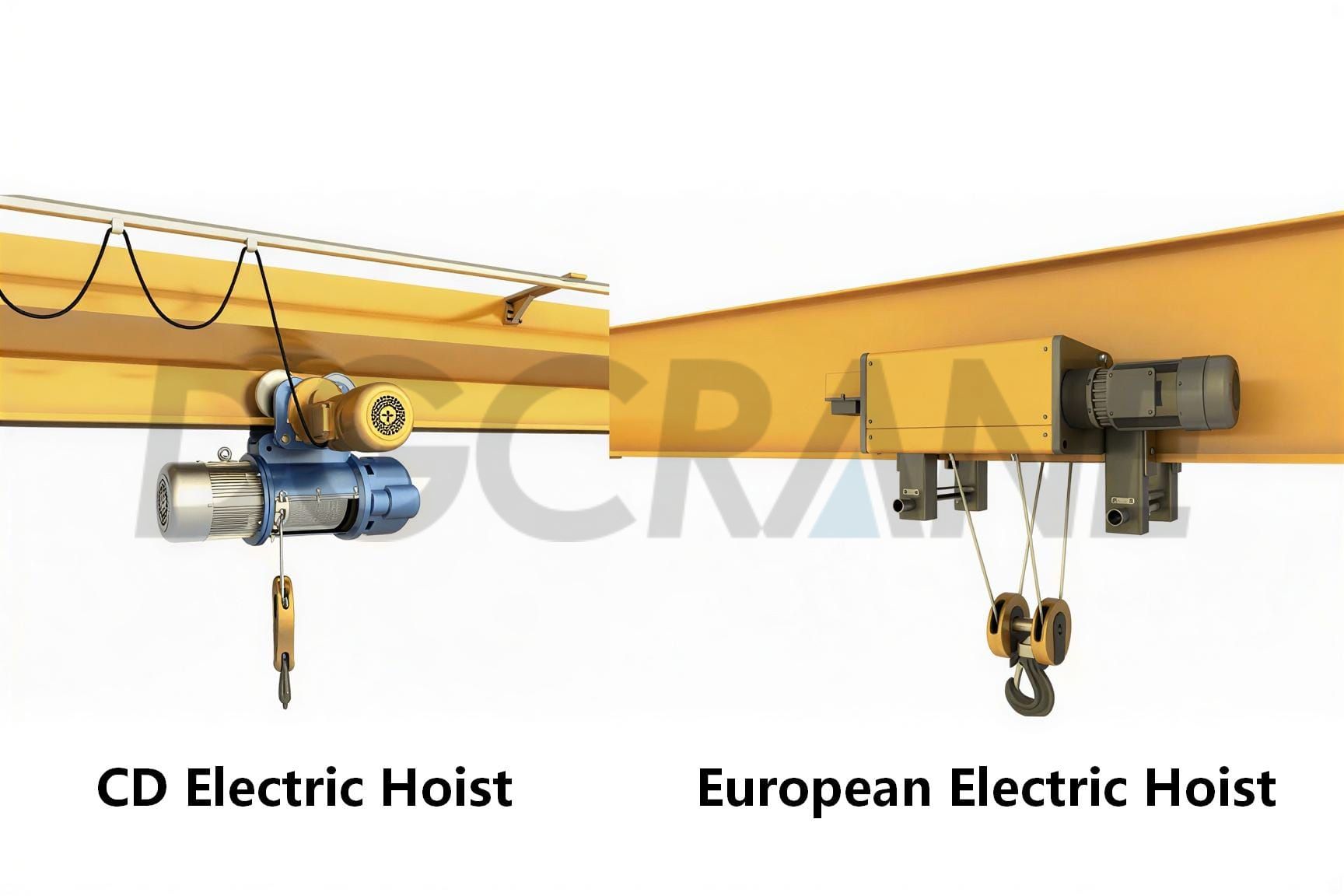
| CD1/MD1 Electric Hoist | European Electric Hoist | |
| Structure | Tandem layout | Integrated compact layout |
| Capacity | 0.5t-16t | 1t-20t |
| Lifting Height | 6m~30m | 9~48m |
| Work Duty Classification | M3 | M5-M6 |
| Operational Speed | CD:20m/min (single) MD:20/30m/min (double) | 20m/min (variable) |
| Protection Level | IP44 | IP55 |
| Operating Motor Duty Cycle | 40%ED | 15-25%ED |
| Wire Rope Tension | 1670 N/mm² | 2160 N/mm² |
| Hoisting Operation | Easy to shake | More stable |
| Shell Material | Cast steel | Aluminum alloy steel |
| Rotational Speed | 1400r/min | 3000r/min |
In fact, the most significant difference between CD1/MD1 electric hoists and European electric hoists lies in their core performance. CD1 electric hoists use single-speed start/stop, resulting in greater impact and noticeable load sway. Although MD1 electric hoists are dual-speed, achieving a 1:10 slow constant speed ratio, the stepped speed change is not smooth, leading to lower lifting efficiency and unsuitability for lifting precision objects.
In contrast, European electric hoists are standardly equipped with variable frequency stepless speed regulation, soft start/stop with almost no impact, and the lifting motor can achieve a 1:6 fast/slow speed ratio, resulting in better acceleration performance and less vibration during operation.
Therefore, the CD1/MD1 electric hoist, due to its mature design and high cost-effectiveness, can meet the basic hoisting needs of a typical workshop. In scenarios with limited space and higher requirements for precision and stability, the European electric hoist offers significant advantages: its variable frequency stepless speed regulation enables soft start and stop, resulting in excellent acceleration performance and low vibration. Furthermore, it maximizes the lifting height within a limited space, greatly improving hoisting efficiency and operational stability, making it more suitable for precision, high-frequency operations.
Reference Price Comparison: Different Configurations, Different Prices
The price difference between LD standard and HD premium overhead cranes actually stems from the difference in value brought about by their core configurations. Therefore, customers can choose different models based on their actual application scenarios.
| Configuration | LD Standard Overhead Crane | HD Premium Overhead Crane |
| Motor | Xinxiang Daxin | Simens |
| Gearbox | Jiangsu Boneng Gearbox | SEW |
| Brake | Jingu Brake | SIBRE Brake |
| Variable Frequency Drive | Simens | Schneider |
| Major Electrical Components | Chint | Schneider |
| Wire Rope | Nantong Steel Wire Rope (Jiangsu) | DSR (Korea) |
For transparent comparison, the reference price lists of LD standard and HD premium overhead cranes under the same span and lifting height are shown below:
| Capacity (ton) | Span (m) | Lifting Height (m) | Power Supply (V/Hz) | LD Reference Price | HD Reference Price |
| 1 | 7.5 | 9 | 380V/50Hz | $1,680 | $4,680 |
| 2 | 7.5 | 9 | 380V/50Hz | $1,850 | $4,715 |
| 3 | 7.5 | 9 | 380V/50Hz | $1,945 | $4,860 |
| 5 | 7.5 | 9 | 380V/50Hz | $2,310 | $5,370 |
| 10 | 7.5 | 9 | 380V/50Hz | $3,325 | $6,885 |
| 15 | 7.5 | 9 | 380V/50Hz | $3,550 | $11,210 |
Space Utilization: Maximized Work Area for Diverse Factory Layouts
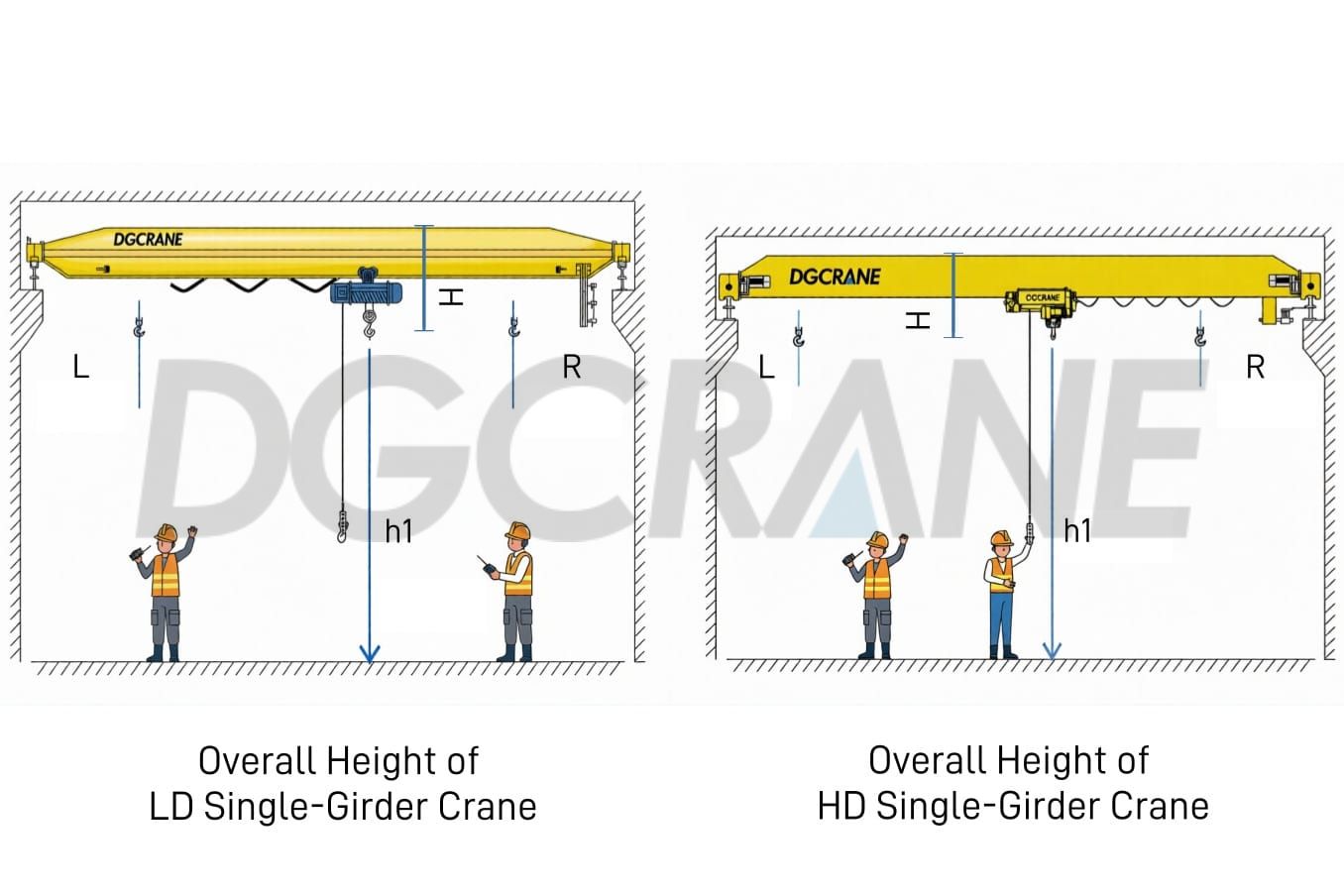
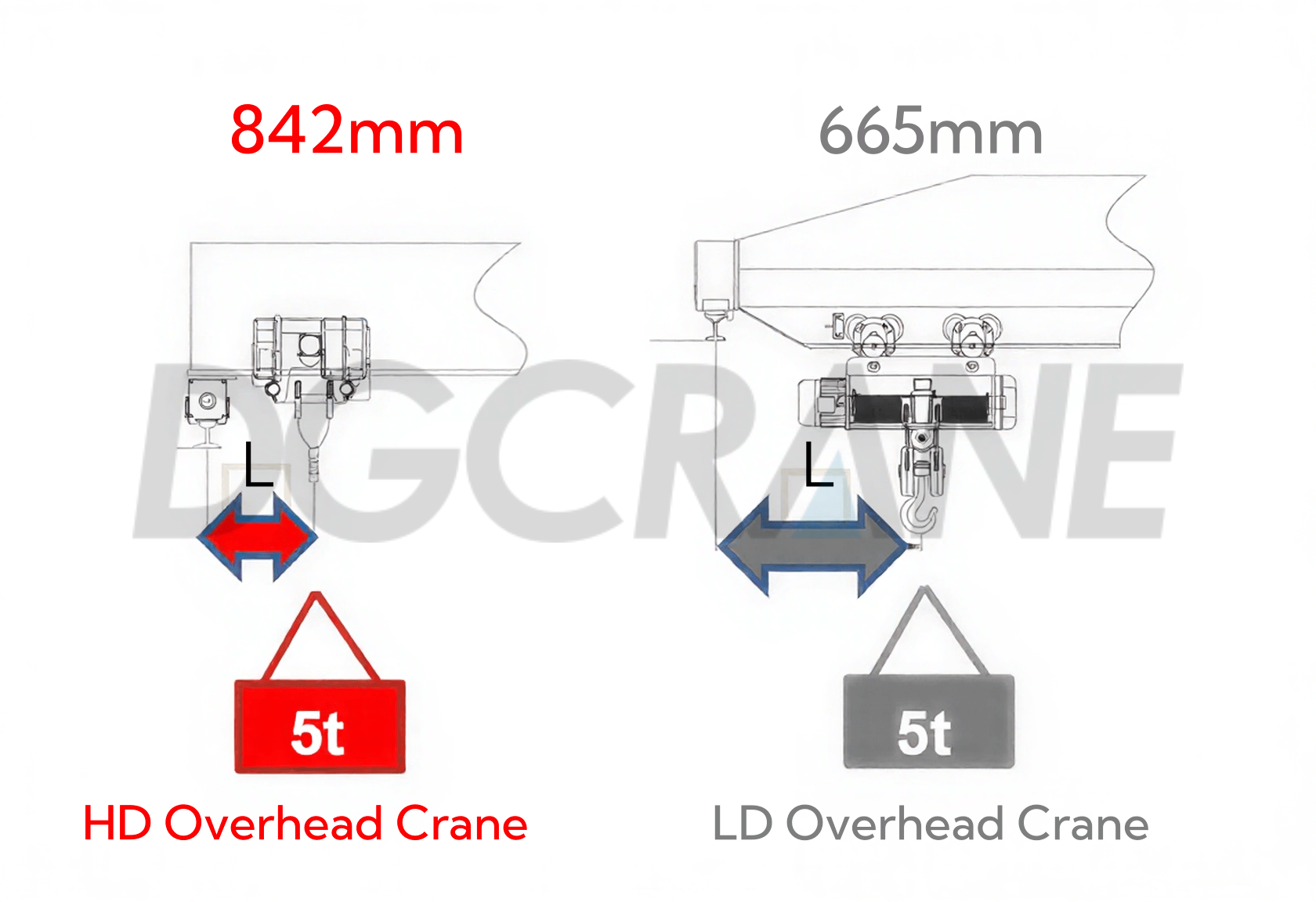
Using the same parameters as an example, with a rated lifting capacity of 5 tons and a span of 10.5m, the data comparison of the two single-girder overhead cranes can be more intuitive:
| Mark | Meaning | LD | HD | Comparison data | Remark |
| H | Main beam top to hook center distance | 2040mm | 1198mm | -41.3% | Improve factory upper floor space utilization |
| L | Left limit of the hook | 842mm | 665mm | -21% | Reduce unused space with walls |
| R | Right limit of the hook | 1310mm | 940mm | -28.2% | Reduce unused space with walls |
| h1 | Maximum lifting height | 30m | 48m | +60% | Higher effective lifting height |
LD standard overhead cranes have a standardized structure but are relatively heavy and tall, with a large vertical limit distance, thus requiring ample overhead space in the factory. Furthermore, the hook’s left and right limits create larger blind spots, resulting in less usable space and lower space utilization for the same factory structure.
In contrast, HD premium overhead cranes have a compact structure, a smaller hook-to-ground limit distance, and a lower headroom. They also have smaller left and right hook limits, allowing for a larger working range. For the same lifting height, the factory eaves height can be reduced by 1-2 meters, correspondingly reducing construction costs; the lifting height can also be increased without changing the factory height, making them more suitable for space-constrained factories and providing a larger working area within limited space.
While both meet the same lifting requirements, they differ sharply in space utilization and operational flexibility. LD standard overhead cranes fit conventional factory layouts, making them a reliable choice for spacious sites with no extreme operating range demands. HD premium overhead cranes, with a compact structure and low headroom design, cut civil engineering costs, expand operating range in limited spaces, and deliver a more efficient lifting solution for space-constrained factories.
Maintenance: Cost-Effective Options for Different Workshops
The LD standard overhead cranes are affordably priced, requiring less initial investment. It comes with universal CD1/MD1 hoists, making parts replacement convenient and inexpensive. However, due to the shorter lifespan of wear parts such as gears and bearings, regular lubrication and wiring checks are necessary, resulting in high maintenance frequency and time expenditure. Furthermore, the high-power motor has a high starting current and high energy consumption, leading to higher electricity costs for long-term, high-frequency operation.
The HD premium overhead cranes feature a European three-in-one motor, maintenance-free bearings, and a hardened gear reducer. Higher-quality parts result in slower wear and fewer malfunctions. The power input uses a heavy-duty connector for quick and easy installation and removal, ensuring safety and ease of operation. The variable frequency drive provides smooth, shock-free operation, saving energy and reducing consumption compared to the LD. Maintenance cycles are also longer, reducing the frequency of inspections and maintenance, resulting in lower overall long-term operating costs.
Over the full operation and maintenance cycle, LD standard overhead cranes excel in low upfront purchase cost. However, their inexpensive spare parts come with higher maintenance frequency and higher energy consumption, making them ideal for light-load, intermittent working conditions. In contrast, HD premium overhead cranes deliver lower long-term O&M costs and less downtime via reliable components and energy-saving design, positioning them as the preferred choice for high-end, high-efficiency, stable, and low-maintenance working conditions.
Safety Performance: From Standard Compliance to Premium Protection
LD standard overhead cranes are equipped with a full set of basic safety devices meeting national standards, including an overload limiter and limit switches. The former effectively prevents potential hazards such as main beam deformation and wire rope breakage, while the latter prevents the equipment from derailing or the hook from hitting the top. In addition, it includes a safety brake and end stops, meeting daily operational safety requirements and suitable for routine safe operation in ordinary workshops.
HD premium overhead cranes strictly adhere to FEM standards. All hoisting motor windings are embedded with thermal switches to prevent malfunctions. Anti-collision devices have been added to the existing safety protection to prevent violent collisions caused by operational errors. Multiple safety protections have been upgraded, including an emergency power-off switch to protect against electrical short circuits, undervoltage, overcurrent, and overspeed, providing more comprehensive safety features. Combined with a variable frequency soft starter and a low-noise reducer, the working environment is more comfortable.
In terms of safety features, LD standard overhead cranes meet basic safety requirements for routine operations with basic national-standard protection, offering excellent cost-effectiveness for daily lifting in general workshops. HD premium overhead cranes, by contrast, provide enhanced safety and operating comfort through higher-standard safety design, fuller protection systems, and quieter operation, making them ideal for scenarios demanding high safety levels and a comfortable working environment.
Crane Selection: Right Fit for Your Needs
LD standard and HD premium overhead cranes are not superior or inferior, but suited for different working conditions and needs. LD standard overhead cranes feature an affordable upfront cost and a mature, stable structure, offering great cost-effectiveness for budget-limited clients with light-load intermittent tasks and general workshops, fully satisfying daily basic lifting demands. HD premium overhead cranes, upgraded in steel, motors, and safety, excel in heavy-load, high-frequency, complex, and space‑constrained environments. With lower long-term maintenance, longer service life, and better performance, they are ideal for high-end factories, precision operations, and export projects. Enterprises can choose the most suitable crane based on budget, workload, site conditions, and long-term plans to maximize return on investment.

Zora Zhao
Expert in Overhead Crane/Gantry Crane/Jib Crane/Crane Parts Solutions
With 10+ years of experience in the Crane Overseas Export Industry, helped 10,000+ customers with their pre-sales questions and concerns, if you have any related needs, please feel free to contact me!
WhatsApp: +86 189 3735 0200
Email: zorazhao@dgcrane.com
Contact Details
DGCRANE is committed to providing the professional Overhead crane products and relavent service. Exported to Over 100 Countries, 5000+ Customers Choose Us, Worth to be Trusted.
Get In Touch
Fill out your details and someone from our sales team will get back to you within 24 hours!
Subscribe to our newsletter
The latest DGCRANE price list, news, articles, and resources.
- Overhead Cranes
- Single Girder Overhead Cranes
- Double Girder Overhead Crane
- Low Headroom Overhead Cranes
- Underslung Cranes
- FEM Standard Overhead Cranes
- Grab Bucket Overhead Crane
- Manual Overhead Cranes
- LDP Single Girder Overhead Cranes with Side-Mounted Hoists: Optimal Solution for Low-Ceiling Workshops