


-
INDUSTRIES
-
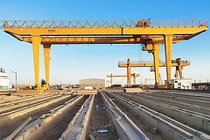
Precast Concrete Plant
-
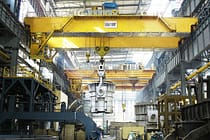
Steel Industry
-
Paper Industry
-
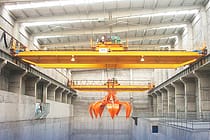
Waste to Energy and Biomass Industry
-
Power Industry
-
Overhead Cranes for Automotive Production: Smart Solutions for Enhanced Efficiency
-
Port Machines Industry
-
Manufacturing Industry
-
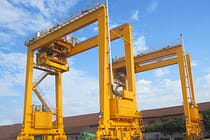
Different Types of Container Cranes, Shipyard Cranes, Cargo Cranes Used in Port, Harbor and Quay
-
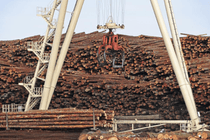
Overhead Cranes for Timber Lifting: Efficient and Safe Wood Handling
-
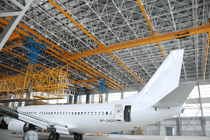
Overhead Cranes for the Aviation Industry: Streamlining Aircraft Assembly, Maintenance, and Repair
-

Overhead Cranes for Food and Beverages: Ideal for improving productivity and food safety
-
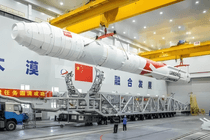
Overhead Cranes for Aerospace Industry: Key Role in Efficient Rocket Manufacturing and Launch
-
-
EQUIPMENT
-
Overhead Cranes
-
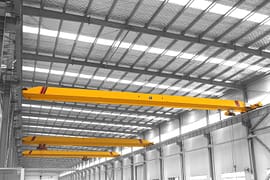
Single Girder Overhead Crane
-
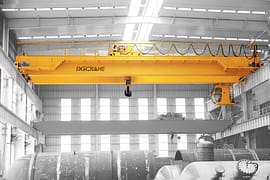
Double Girder Overhead Crane
-
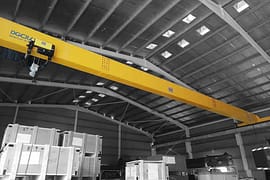
FEM Standard Overhead Cranes
-
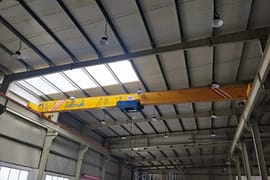
Low Headroom Overhead Cranes
-
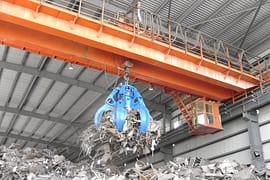
Grab Bucket Overhead Crane
-
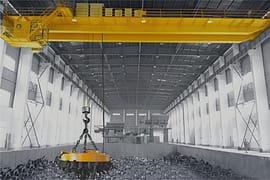
Electromagnetic Overhead Cranes with Lifting Magnet
-
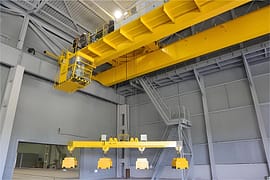
Electromagnetic Overhead Cranes with Magnet Beam
-
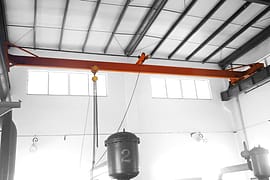
Manual Overhead Cranes
-
Double Trolley Overhead Cranes
-
LDP Single Girder Overhead Cranes
-
- Eot Cranes
- Gantry Cranes
- Jib Cranes
-
Hoist & Winch Trolley
-
Electric Wire Rope Hoists
-
FEM Standard Wire Rope Electric Hoists
-
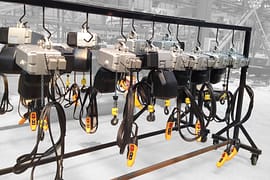
FEM Standard Electric Chain Hoists
-
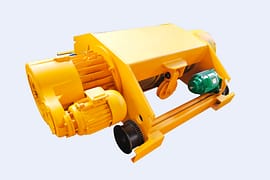
Crane Trolley
-
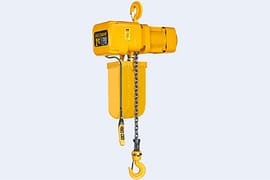
Chain Hoists
-
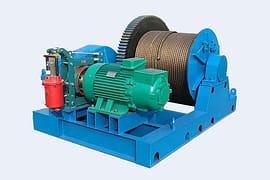
Electric Winch
-
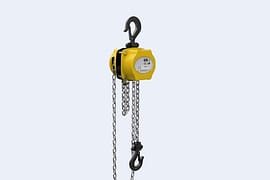
Manual Chain Hoists
-
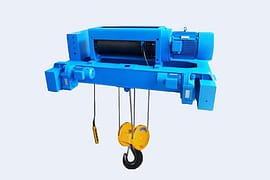
Double Girder Trolley Electric Hoists
-
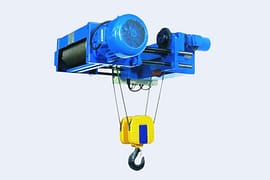
Low Headroom Wire Rope Electric Hoist
-
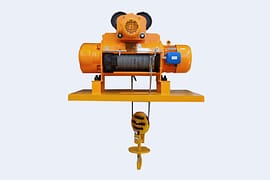
Electric Hoist for Molten Metal
-
Pneumatic (Air) Chain Hoists
-
Lever Hoists
-
Electric Hoists
-
- Workstation Cranes
- Portable Gantry Cranes
- Explosion Proof Cranes & Hoists
- Special Cranes
- Port Cranes
- Electric Transfer Carts
-
Overhead Cranes
-
CRANE PARTS
- Crane Wheel Assembly
- Crane Grab Buckets
- Crane Tongs
- Crane Spreader
- Crane Drives
-
Crane Electrical Equipment
-
Overload Limiter
-
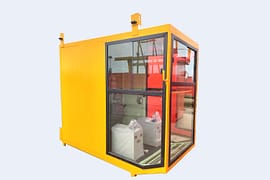
Crane Cabin
-
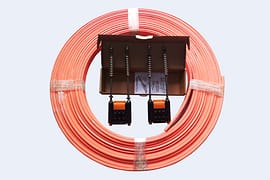
Crane Power Supply System
-

Explosion Proof Crane Radio Remote Controls
-
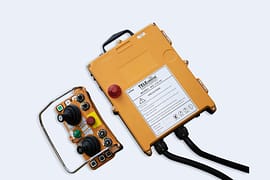
Joystick Type Crane Radio Remote Controls
-
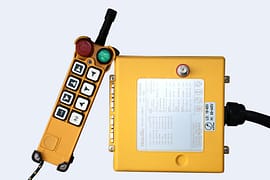
Pushbutton Type Crane Wireless Remote Controls
-
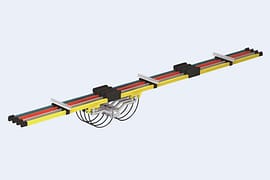
Single-pole Insulated Conductor Rails
-
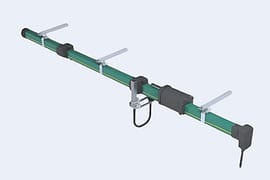
Enclosed Conductor Rails
-
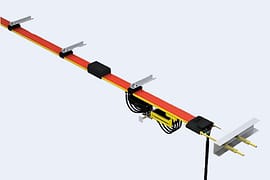
Seamless Conductor Rails
-
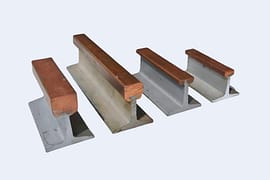
Copperhead Conductor Rails
-
Overhead Crane Cables
-
- Other Cranes Parts
- ABOUT US
- CONTACT US
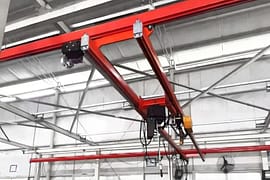
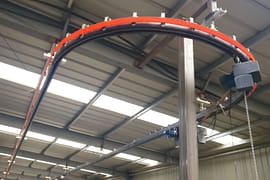
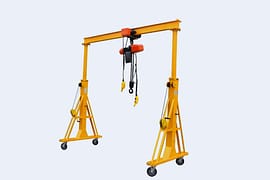
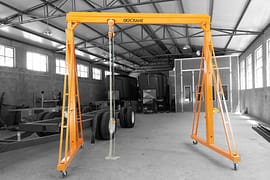

Articulating Jib Cranes VS Free Standing Jib Cranes: 5 Key Differences & Selection Guide
Table of Contents
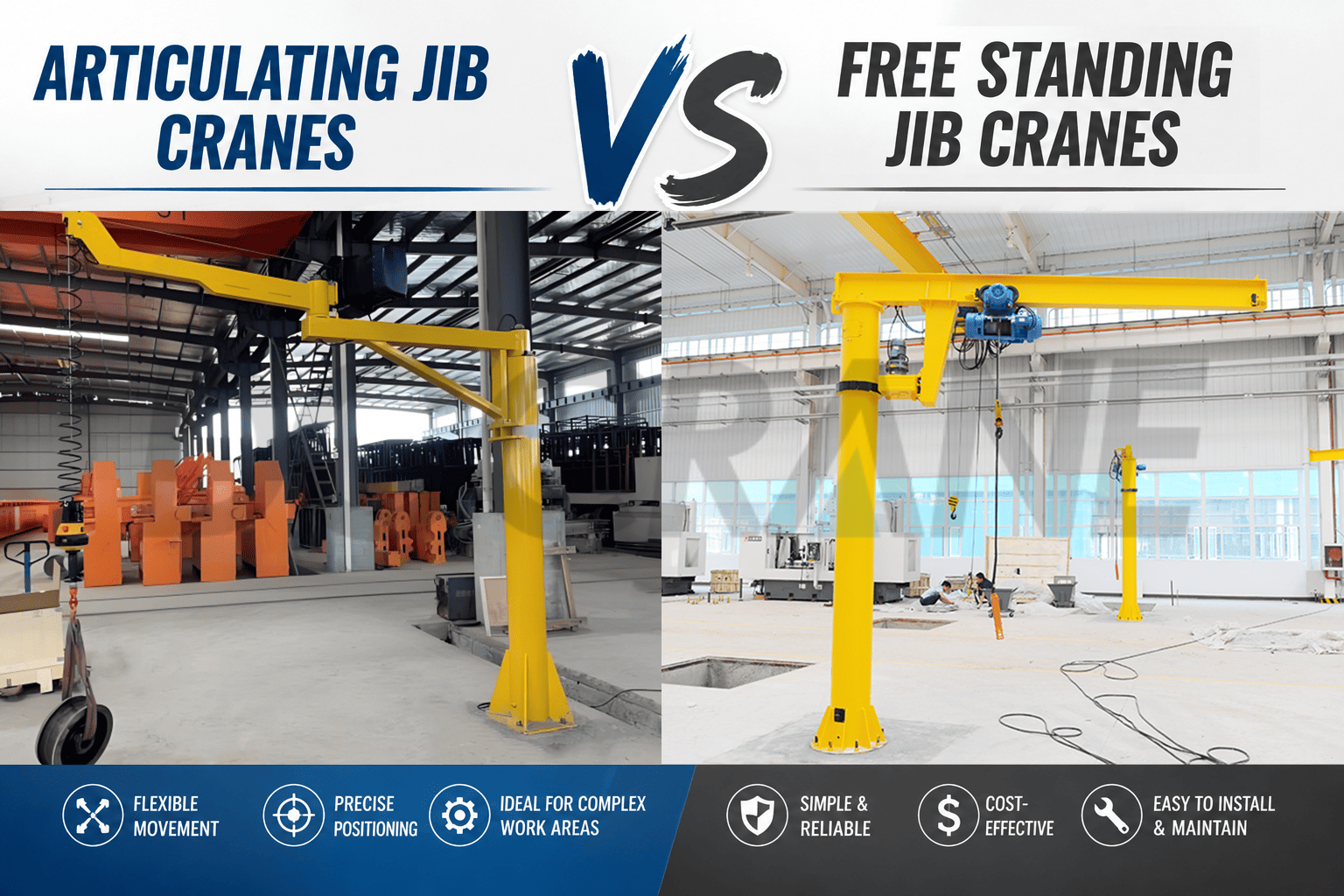
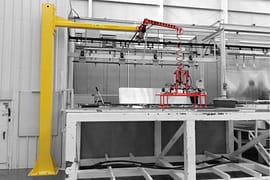
In workshop lifting equipment selection, the Articulating Jib Crane and Free Standing Jib Cranes are two commonly compared solutions. Both can provide localized workstation lifting, but they differ in boom structure, working coverage, and load capacity.
This article will provide an in-depth comparison across five key dimensions to help you choose the most suitable jib crane for your specific working conditions.
| Comparison Item | 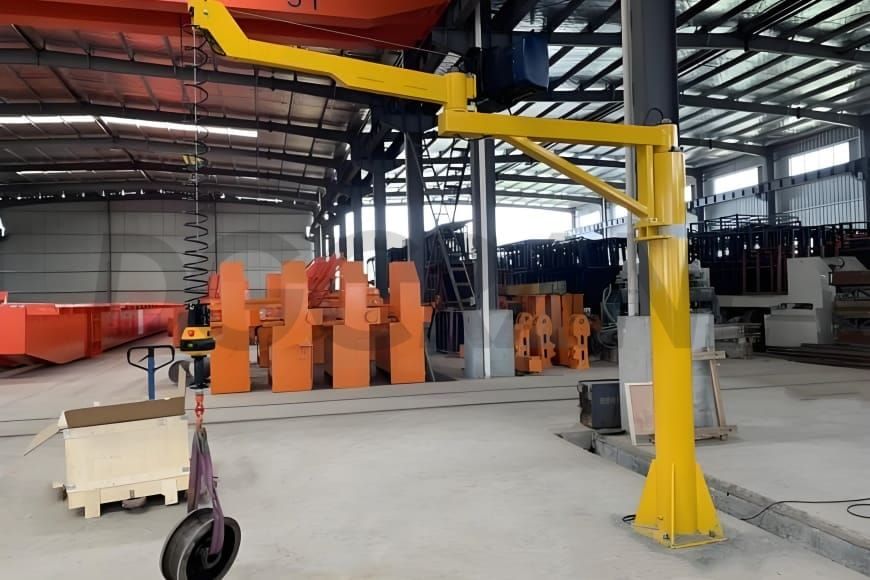 Articulating Jib Cranes | 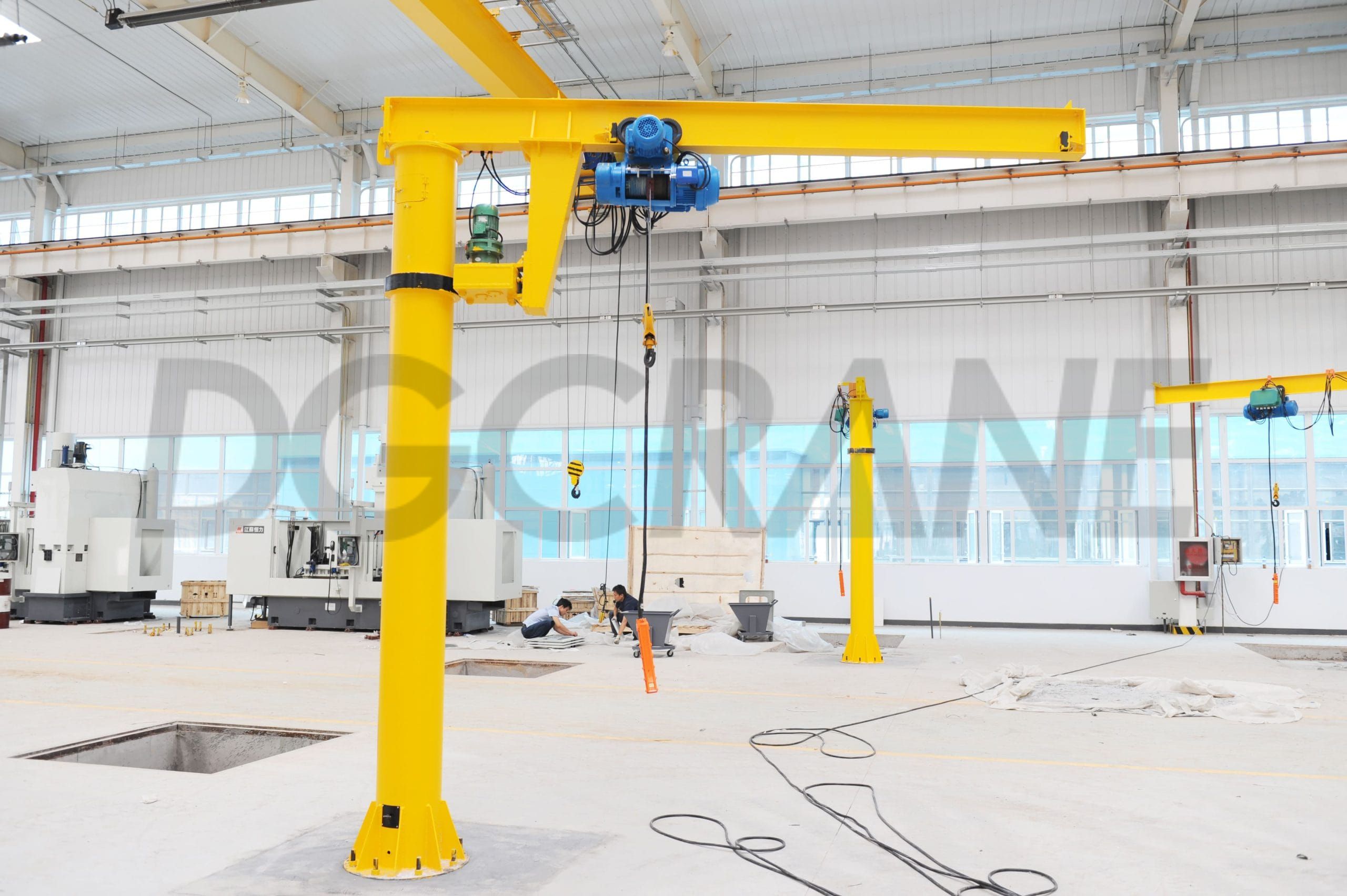 Free Standing Jib Cranes |
|---|---|---|
| Boom Structure | Two-section articulated boom | Single straight boom |
| Working Area | Can maneuver around obstacles and reach corner areas | Circular or sector-shaped coverage area |
| Obstacle Avoidance | Excellent, suitable for narrow spaces | Limited, more suitable for open areas |
| Lifting Mechanism | Electric hoist / intelligent servo electric hoist | Electric chain hoist / electric wire rope hoist |
| Load Capacity | Mainly light to medium loads, typically up to 1 ton | Strong in medium to heavy loads, up to 5 tons or more |
| Maintenance Requirement | Higher | Lower |
| Purchase Cost | Higher | Lower |
| Typical Applications | High-density workstations, spaces with many obstacles, confined workshops | Wide open working areas, heavy workpiece handling, repetitive lifting within fixed zones |
In essence, the difference between the two is:
The articulating jib crane prioritizes flexibility, while the free standing jib crane prioritize working coverage and load capacity.
Boom Structure: Two-Section Articulated Boom vs Single Straight Boom
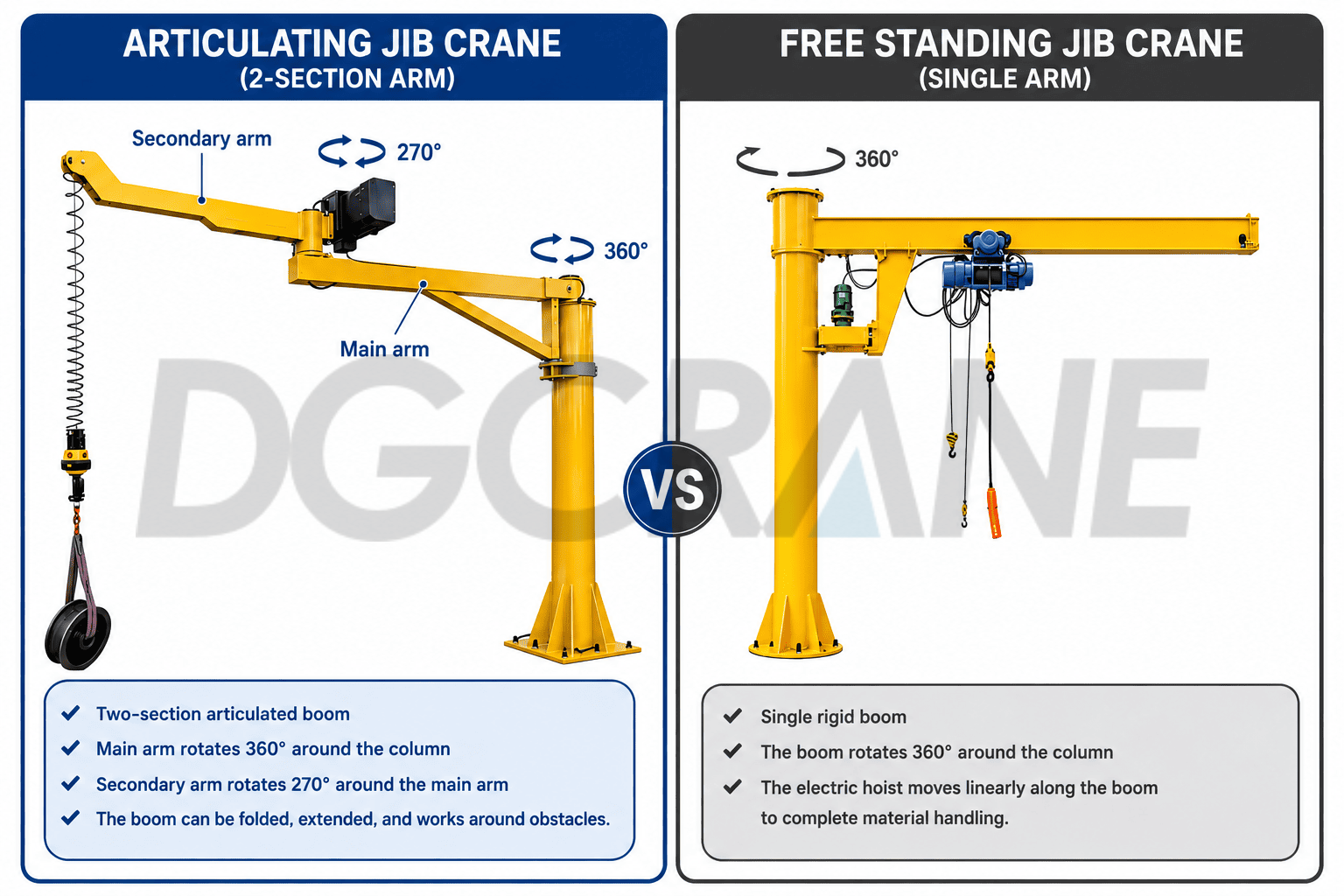
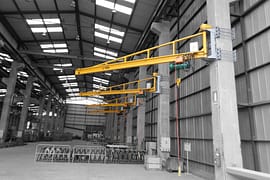
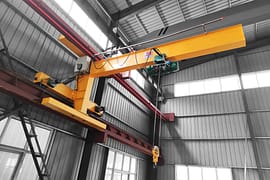
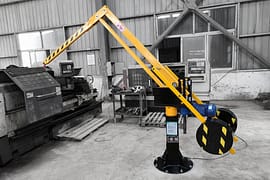
The articulating jib crane adopts a two-section articulated boom structure, typically consisting of a main boom and an auxiliary boom. The two sections are connected by a hinge joint. The main boom rotates around the column, while the auxiliary boom can swing independently relative to the main boom, enabling folding, extension, and obstacle-avoidance operation.
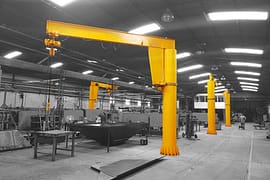
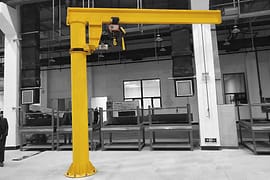
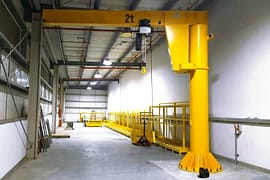
The standard free standing jib cranes use a single rigid boom design. Once the jib is connected to the column, the entire boom rotates as a unit. The structure is simple, load transfer is direct, and overall rigidity is high. The hook travels linearly along the boom via an electric hoist to handle material movement.
From a structural perspective:
- The articulating jib crane emphasizes flexibility and spatial adaptability
- The standard free standing jib cranes emphasize strength and stability
Working Area: Flexible Coverage vs Regular Coverage
The articulating jib crane provides flexible and precise coverage, while the standard free standing jib cranes offer wide-range and regular coverage.
Due to its two independent rotating joints, the articulating jib crane allows the hook to be positioned freely in multiple directions. As a result, its working area is no longer limited to a simple circular arc, but can form complex and irregular coverage patterns. In densely equipped workshops, the articulating jib crane can easily maneuver around machine tools, columns, workbenches, piping, and other obstacles, and can even reach areas that standard jib cranes cannot access.
The hook movement of a standard free standing jib cranes mainly depends on the slewing of the boom, resulting in a working area that is typically a regular circular or sector-shaped coverage. Its advantage lies in its large coverage range and simple motion path, making it suitable for repetitive handling tasks in open spaces.
Therefore:
- The articulating jib crane is suitable for precise coverage and complex path operations
- The standard free standing jib cranes are suitable for wide-area coverage
Lifting Equipment: Intelligent Hoist vs Standard Hoist
In practical projects, the articulating jib crane is often paired with an intelligent electric hoist, while the standard free standing jib cranes are commonly matched with standard electric hoists. Although this is not a strict requirement, the following combinations account for more than 80% of past project cases:
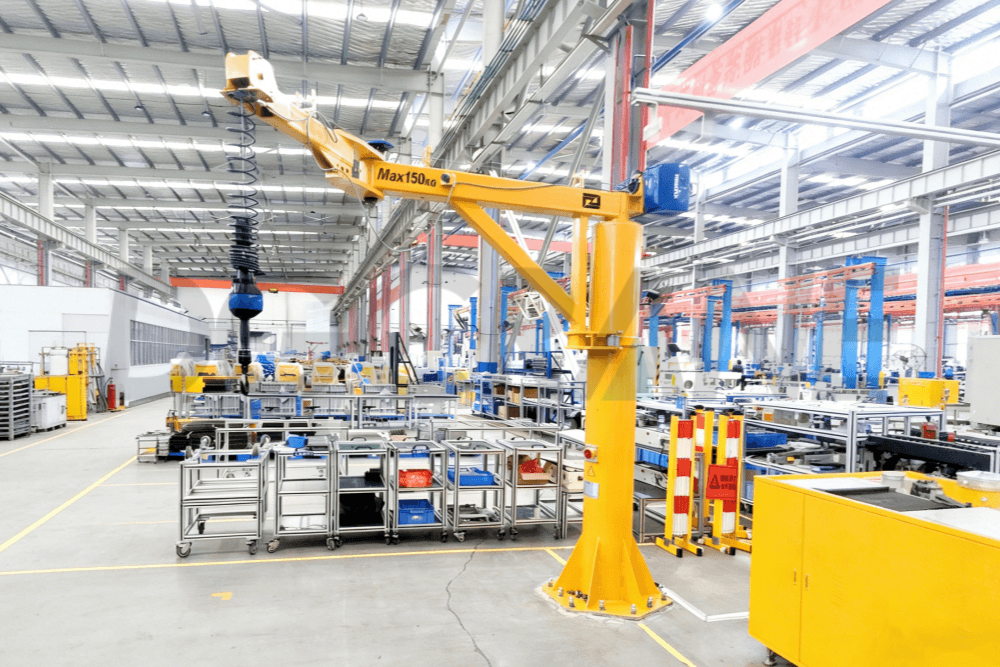
- Articulating jib crane + intelligent servo electric hoist: The articulating jib crane features a flexible structure and is suitable for light-load, precision-oriented operations. When paired with a servo hoist equipped with stepless speed control, micro-speed adjustment, and high-precision positioning, the system fully leverages the articulating jib crane's “point-to-point and flexible handling” advantages. It is especially suitable for assembly stations, precision work areas, and applications requiring frequent fine adjustments.
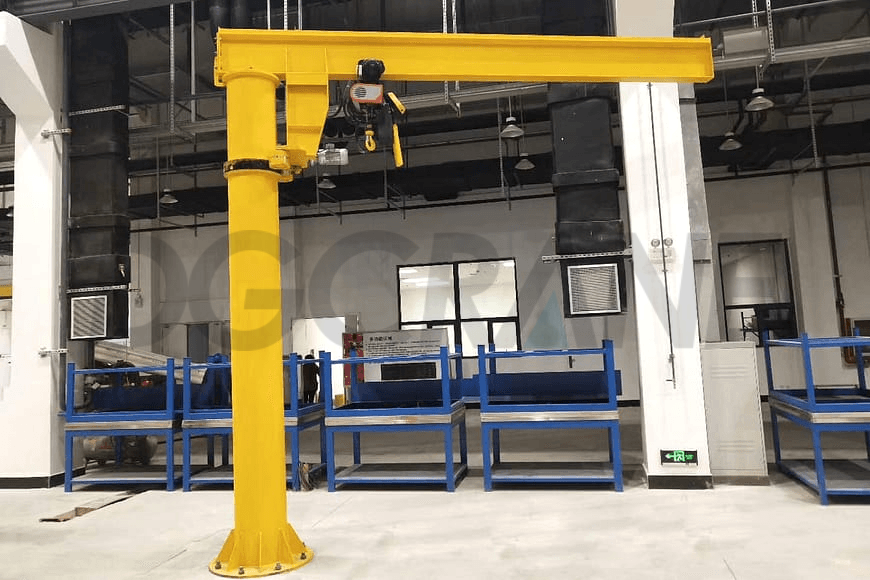
- Standard free standing jib cranes + electric chain hoist or wire rope hoist: The standard free standing jib cranes feature strong rigidity and wide applicability, typically handling heavier or general lifting tasks. When matched with mature, reliable chain hoists or wire rope hoists that offer wide load ranges, easy maintenance, and high cost efficiency, the system achieves a balanced performance in terms of cost, load capacity, and operational intensity.
Overall, the “articulating jib crane + intelligent electric hoist” configuration achieves positioning accuracy up to ±0.05 mm, focusing on high-precision operations, while the “free standing jib cranes + standard electric hoist” configuration emphasizes heavy-duty performance and cost efficiency. Each system serves different operational needs.
Load Capacity: Standard Free Standing Jib Cranes Offer Higher Load Capacity
Load capacity is primarily determined by the boom structure.
The standard free standing jib cranes use a single rigid structure, resulting in a simple load transfer path with fewer bending moments and stress concentrations. Therefore, they can support higher lifting capacities and longer boom lengths. Typical standard jib crane capacities range from 250 kg to 5 t, with heavy-duty models reaching over 10 t.
The articulating jib crane, due to its additional joint structure, transfers loads through multiple connection points, which places higher requirements on joint strength and structural design. As lifting capacity increases, bending moments and shear forces at the joints also increase significantly. As a result, the articulating jib crane is typically limited to loads under 1 t.
Therefore, under the same span and installation conditions, standard jib cranes generally provide higher load capacity, while articulating jib cranes trade part of their load capability for greater operational flexibility.
Price Comparison
Cost differences are mainly driven by structural complexity.
The standard free standing jib cranes have a simple structure with fewer components, resulting in lower manufacturing, installation, and maintenance costs. Therefore, they are the most widely used type of jib crane in the market.
The articulating jib crane includes additional joint mechanisms, bearing components, and connection structures, which increases design and manufacturing complexity and requires higher installation precision.
Therefore:
- The initial purchase cost is usually higher than that of a standard jib crane
- Maintenance workload is relatively higher
- The cost per ton of capacity is generally higher
However, for space-constrained applications, the articulating jib crane can reduce the need for layout modifications or workshop reconstruction, and may still provide higher overall project value.
Below is the price comparison between a 1t articulating jib crane and a 1t standard jib crane:
| Item | Capacity | Work Duty | Reference Price |
|---|---|---|---|
| Articulating Jib Crane | 1t | A3 | $3,610–5,830 |
| Standard Free Standing Jib Cranes | 1t | A3 | $1,040–3,060 |
In general, the articulating jib crane is about 2–3 times more expensive than the standard free standing jib cranes.
Which Jib Crane Is Right for You?
If your working environment is open, you need to handle heavier materials, and you prioritize high cost-effectiveness and lower maintenance costs, the standard free standing jib cranes are usually the more suitable choice.
Heavy load, wide coverage → choose standard free standing jib cranes
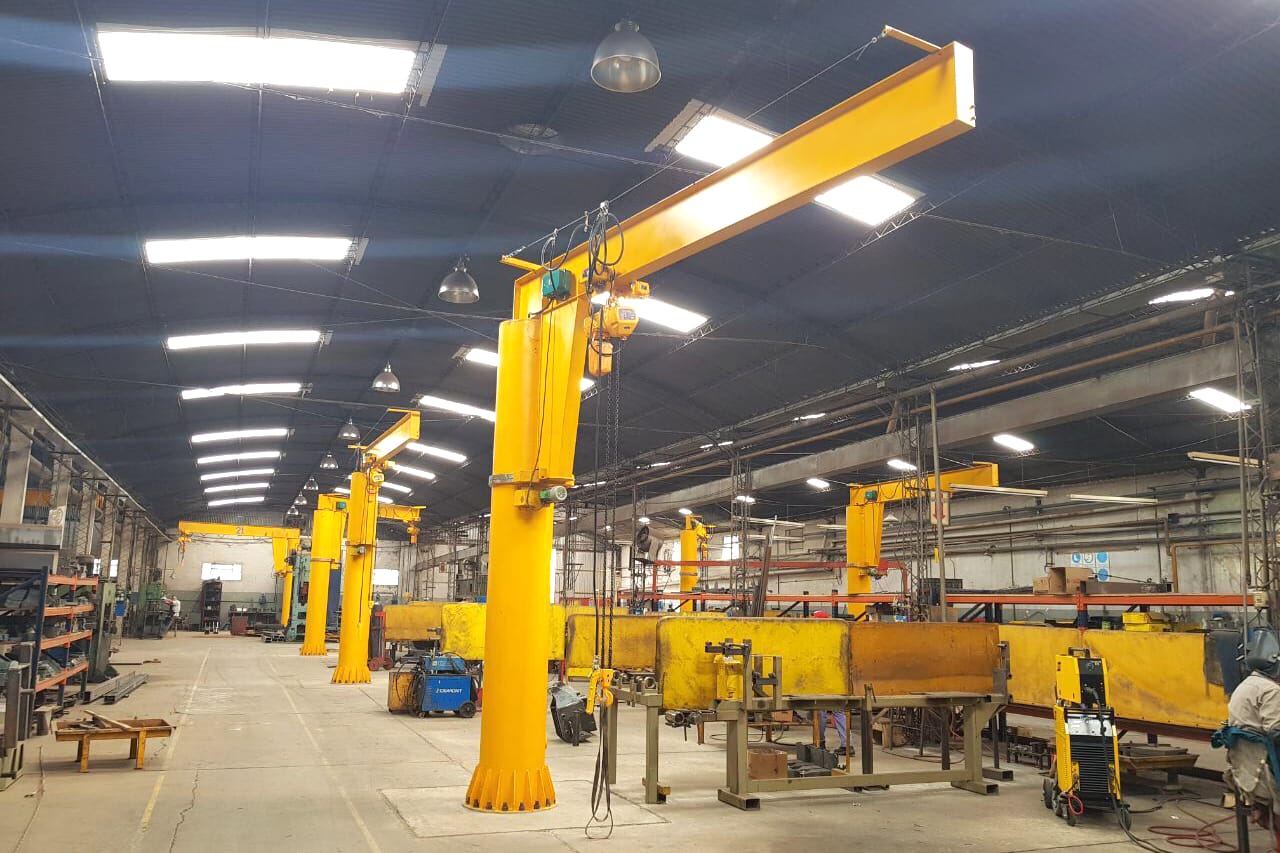
- Working condition: single workstation + fixed lifting path + no significant obstacles
- Equipment: Free standing jib crane
- Reason: The working range is clearly defined and fixed, with simple and repetitive lifting paths. A standard jib crane can provide stable coverage without the need for complex boom articulation or obstacle-avoidance functions. In addition, its simpler structure results in lower maintenance costs and better long-term cost-effectiveness.
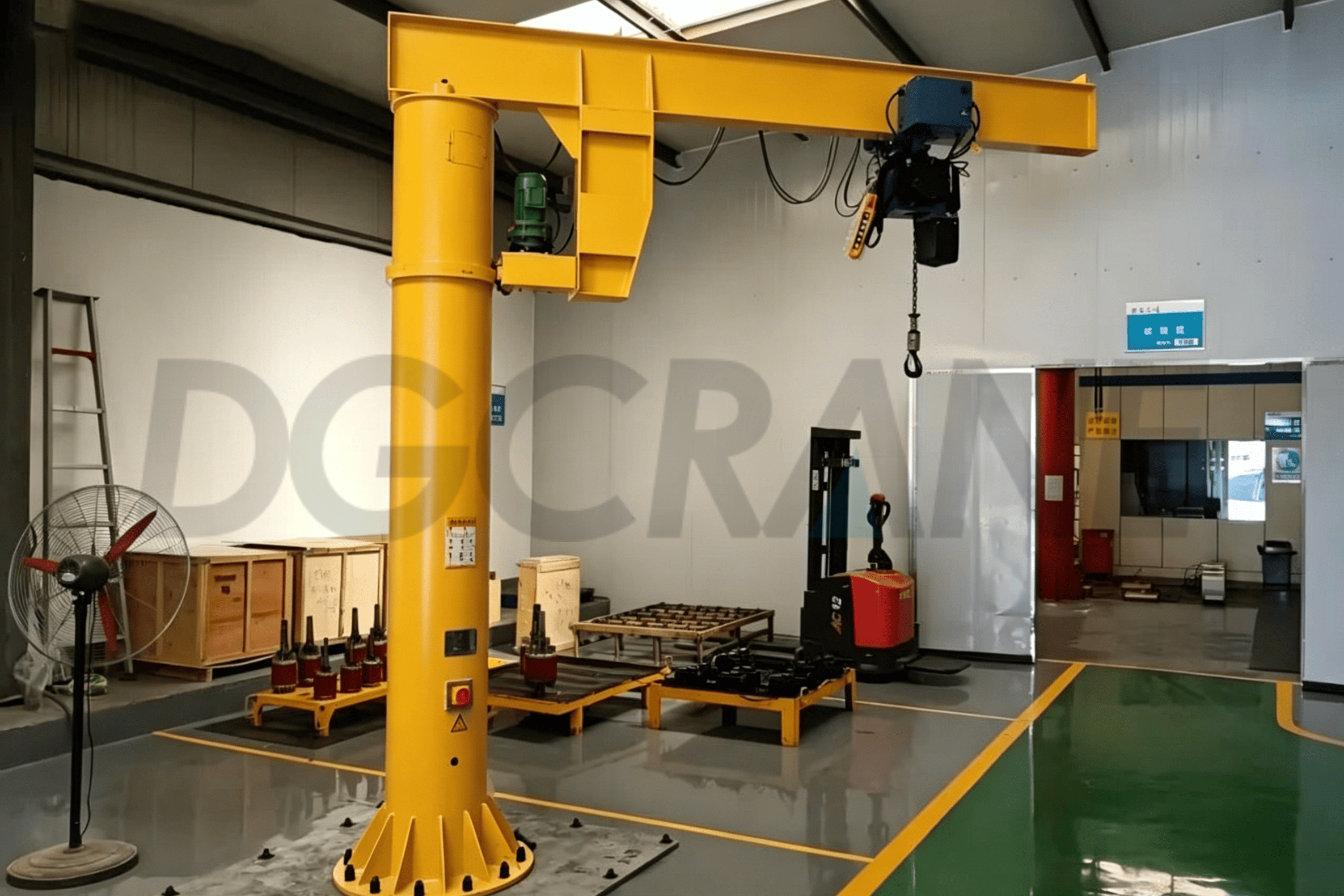
- Working condition: machine workshop warehouse, used for lifting various small-to-medium components and raw materials, with a lifting capacity requirement of up to 1 t
- Equipment: standard free standing jib crane
- Reason: The workstation is fixed and free of obstacles, which makes it an ideal application scenario for a standard jib crane. There is no need to invest in more complex equipment for simple handling requirements.
If the working area is crowded with equipment, contains obstacles, or requires reaching into narrow spaces such as inside machine tools or behind workbenches for precise handling, the articulating jib crane provides significantly higher operational flexibility and space utilization.
Narrow spaces, complex paths, precision operations → choose articulating jib cranes

- Working condition: Precision equipment machining workshop, used for assembly of precision devices with a positioning accuracy requirement within ±1 mm, and a lifting capacity requirement of 150 kg
- Equipment: articulating jib crane
- Reason: The articulated column design saves about 60% of floor space compared to traditional equipment, and the auxiliary boom provides flexible movement. When combined with an intelligent lifting device, the system can achieve repeat positioning accuracy of up to ±0.5 mm.
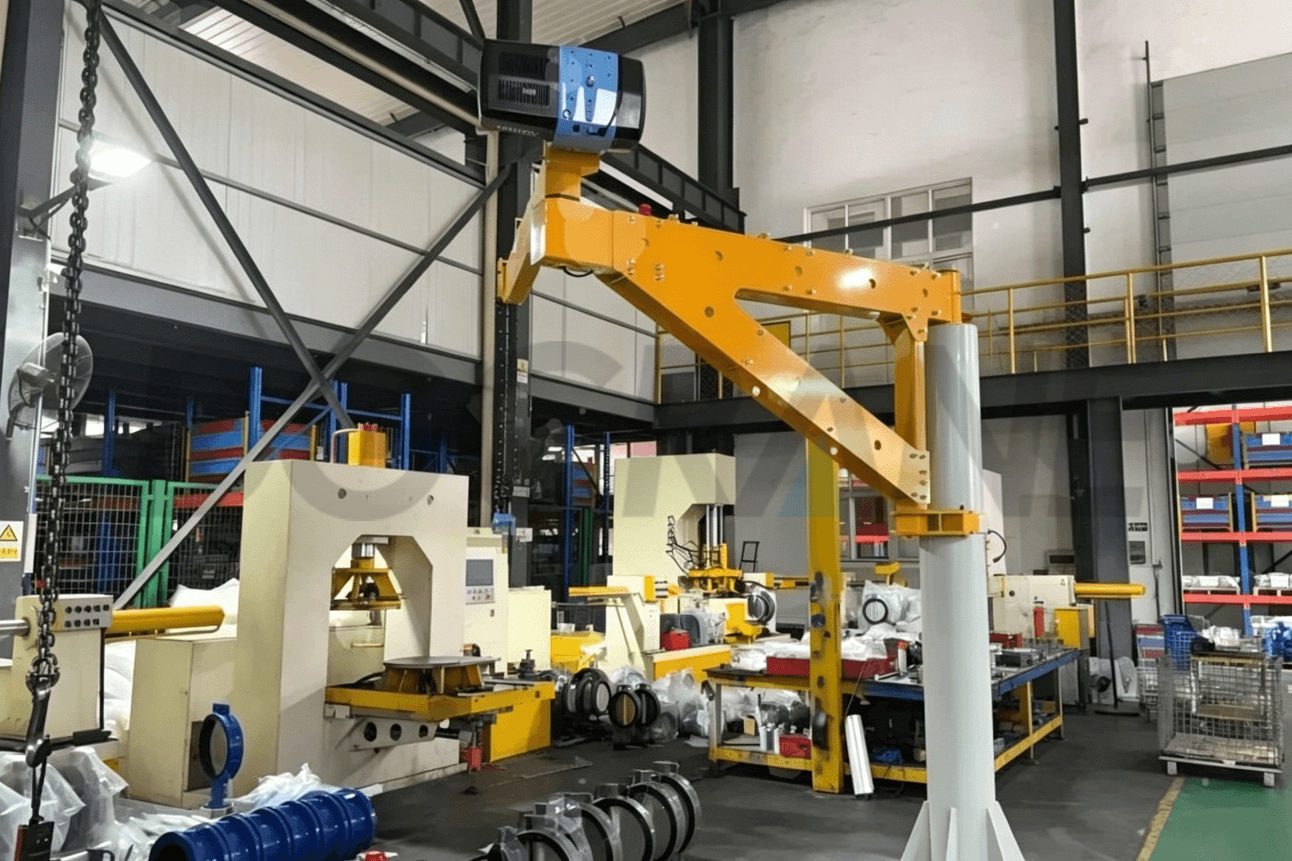
- Working condition: In a machine manufacturing workshop of an electrical company, the space around machine tool stations is limited, and the lifting capacity requirement is 300 kg
- Equipment: articulating jib crane
- Reason: The articulating jib crane has a compact footprint while enabling wide working coverage. It effectively eliminates issues such as limited maneuverability and frequent dead zones commonly found in traditional handling equipment, especially in constrained workstation layouts.
In practical projects, there is no absolute “better or worse” choice between the two types of jib cranes. The key lies in a comprehensive evaluation based on on-site space conditions, lifting capacity requirements, operating frequency, and investment budget, so as to achieve the best operational performance and return on investment.
Get the Most Suitable Customized Solution for You
Whether it is a standard free standing jib crane for heavy-duty material handling, or an articulating jib crane for space-constrained workstations, equipment selection should be based on multiple key parameters, including rated lifting capacity, working radius, installation conditions, available site space, and operational workflow requirements.
The DGCRANE engineering team can recommend the most suitable jib crane model based on your actual working conditions, ensuring high operational efficiency and long-term cost-effectiveness.
Contact us now for free technical consultation and a customized solution. You only need to provide the following information:
- Required rated lifting capacity
- Working radius
- Lifting height
- Workshop layout or site drawings (if available)
- Application scenario and operational requirements
Based on your project conditions, we will evaluate whether a standard free standing jib crane or an articulating jib crane is more suitable for your application, and provide a customized quotation according to your specific needs.

Zora Zhao
Expert in Overhead Crane/Gantry Crane/Jib Crane/Crane Parts Solutions
With 10+ years of experience in the Crane Overseas Export Industry, helped 10,000+ customers with their pre-sales questions and concerns, if you have any related needs, please feel free to contact me!
WhatsApp: +86 189 3735 0200
Email: zorazhao@dgcrane.com
Contact Details
DGCRANE is committed to providing the professional Overhead crane products and relavent service. Exported to Over 100 Countries, 5000+ Customers Choose Us, Worth to be Trusted.
Get In Touch
Fill out your details and someone from our sales team will get back to you within 24 hours!
Subscribe to our newsletter
The latest DGCRANE price list, news, articles, and resources.
- Overhead Cranes
- Single Girder Overhead Cranes
- Double Girder Overhead Crane
- Low Headroom Overhead Cranes
- Underslung Cranes
- FEM Standard Overhead Cranes
- Grab Bucket Overhead Crane
- Manual Overhead Cranes
- LDP Single Girder Overhead Cranes with Side-Mounted Hoists: Optimal Solution for Low-Ceiling Workshops