






























Rolling Crane Sheaves: Less-Weight, More Wear Resistance
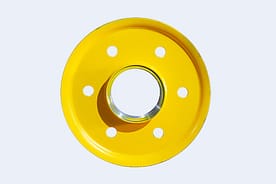
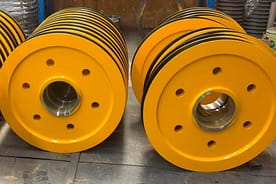
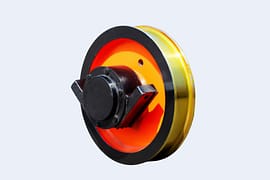
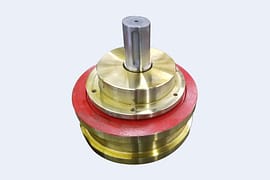
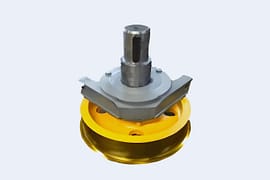
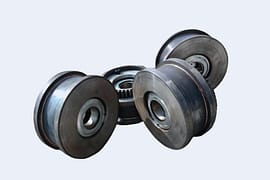
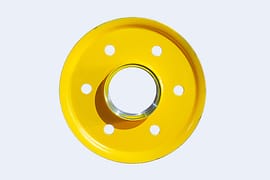
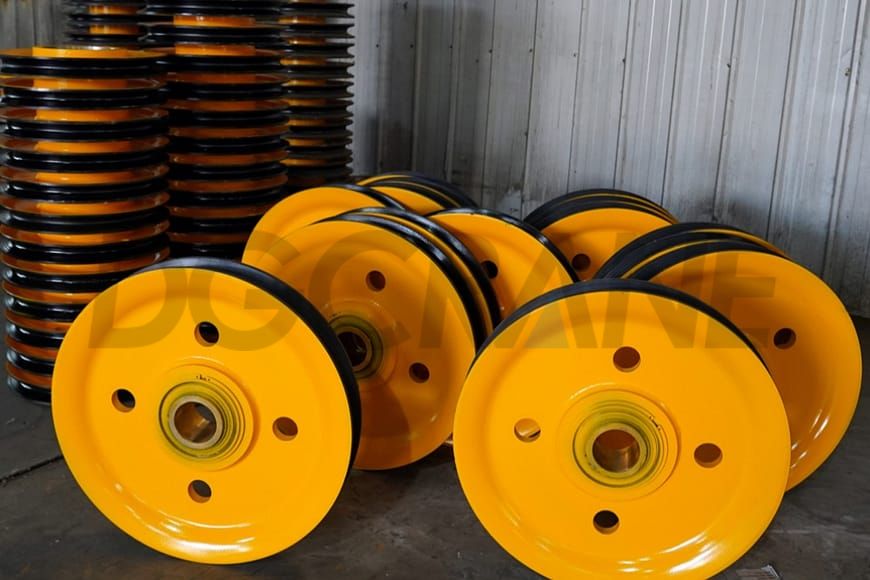
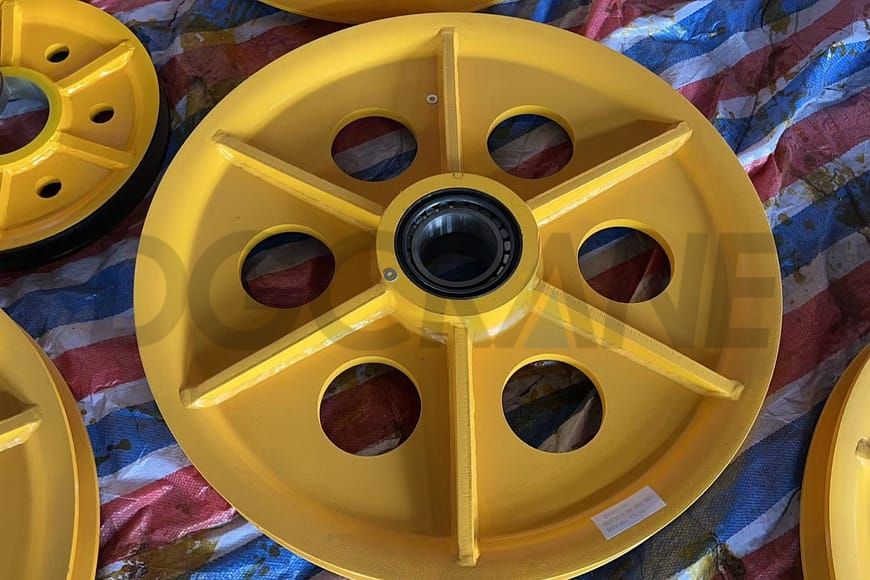
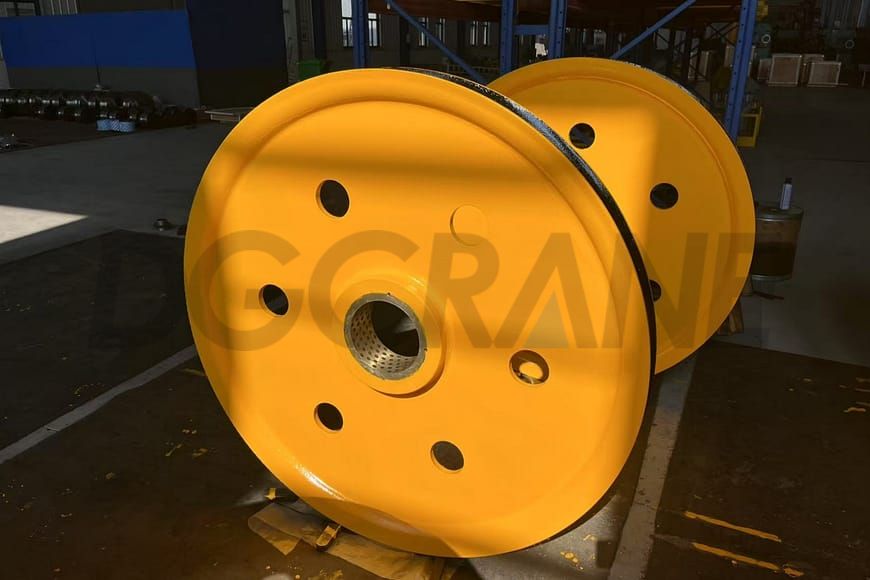
Rolling crane sheaves are made from high-strength steel plates using a hot-rolling process. Hot rolling involves shaping a steel plate at high temperatures to achieve a specific size and shape. This process improves the sheave’s strength and hardness while reducing raw material consumption. They are widely used in port machinery, lifting equipment, mining machinery, and construction machinery. Rolling crane sheaves can operate in various harsh environments, withstand heavy loads and high-speed operation, and provide stable power transmission for mechanical equipment.


Reference Price List of Rolling Crane Sheaves
Features of Rolling Crane Sheave
- High Strength: Manufactured via hot rolling, the sheave’s internal grain structure is optimized to enhance its resistance to bending and torsion. This results in better stability and reliability under heavy loads and high-speed operation.
- Lighter Weight: Made of high-strength steel plates, while maintaining strength, it is 40% lighter than casting sheaves of the same specifications. This helps reduce the overall weight of machinery, decrease energy consumption, and improve operating efficiency.
- Better Wear Resistance: The hot-rolled surface has high hardness and excellent wear resistance. This allows rolling crane sheaves to maintain good performance during long-term use, reducing maintenance and replacement costs.
- Extended Rope Groove Life: The smooth and wear-resistant surface of the rope groove can be heat-treated to increase its hardness, thus extending the sheave’s service life by 1-2 times.
- Shorter Manufacturing Cycle: Due to approximately 70% less cutting compared to casting crane sheaves, significant material savings and reduced processing time are achieved.
Unique Production Process of Rolling Crane Sheaves
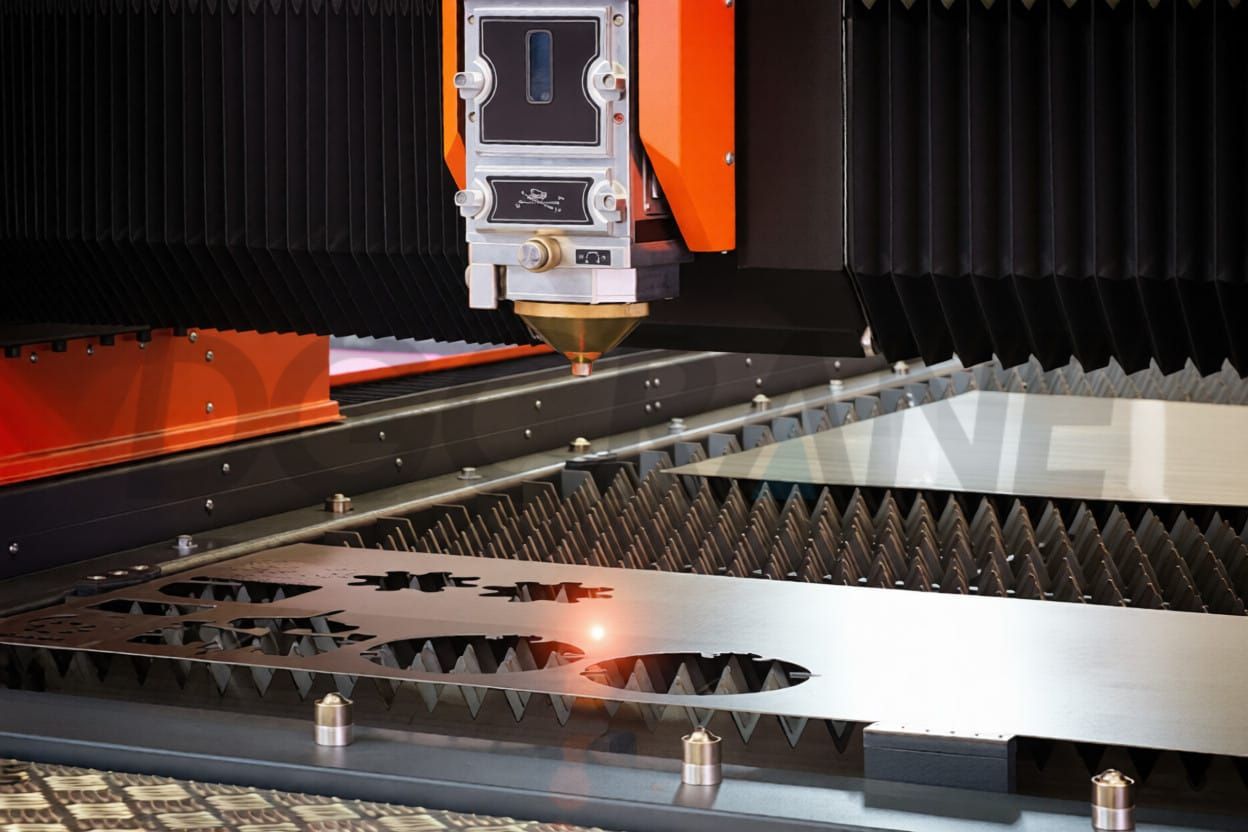
- CNC cutting technology cuts steel plates into disc-shaped blanks, minimizing material waste and reducing costs.
- The blanks exhibit stable quality, free from deformation and burrs, facilitating subsequent processing.
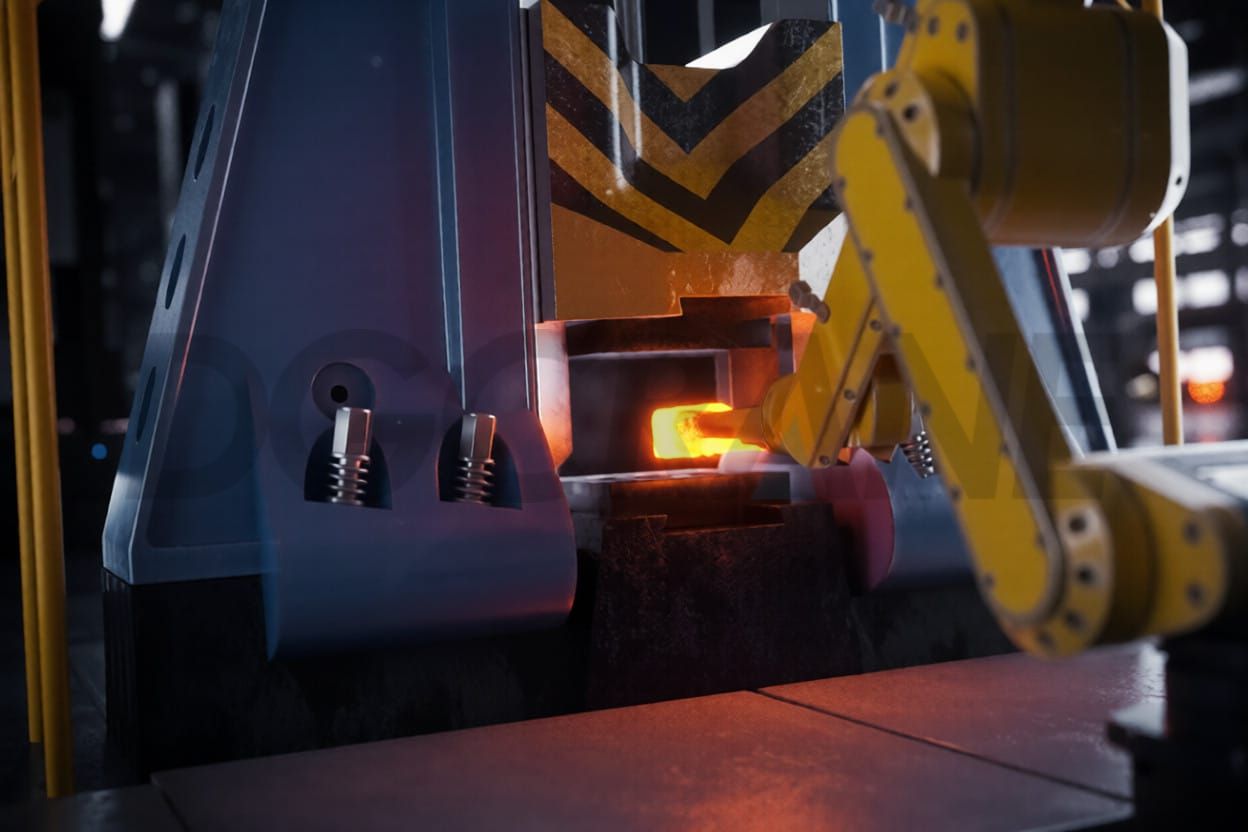
- Heating the outer diameter of the billet creates significant compressive stress on the surface, resulting in strong fatigue resistance.
- The hardened martensite layer has a finer structure, leading to higher hardness, strength, and toughness.
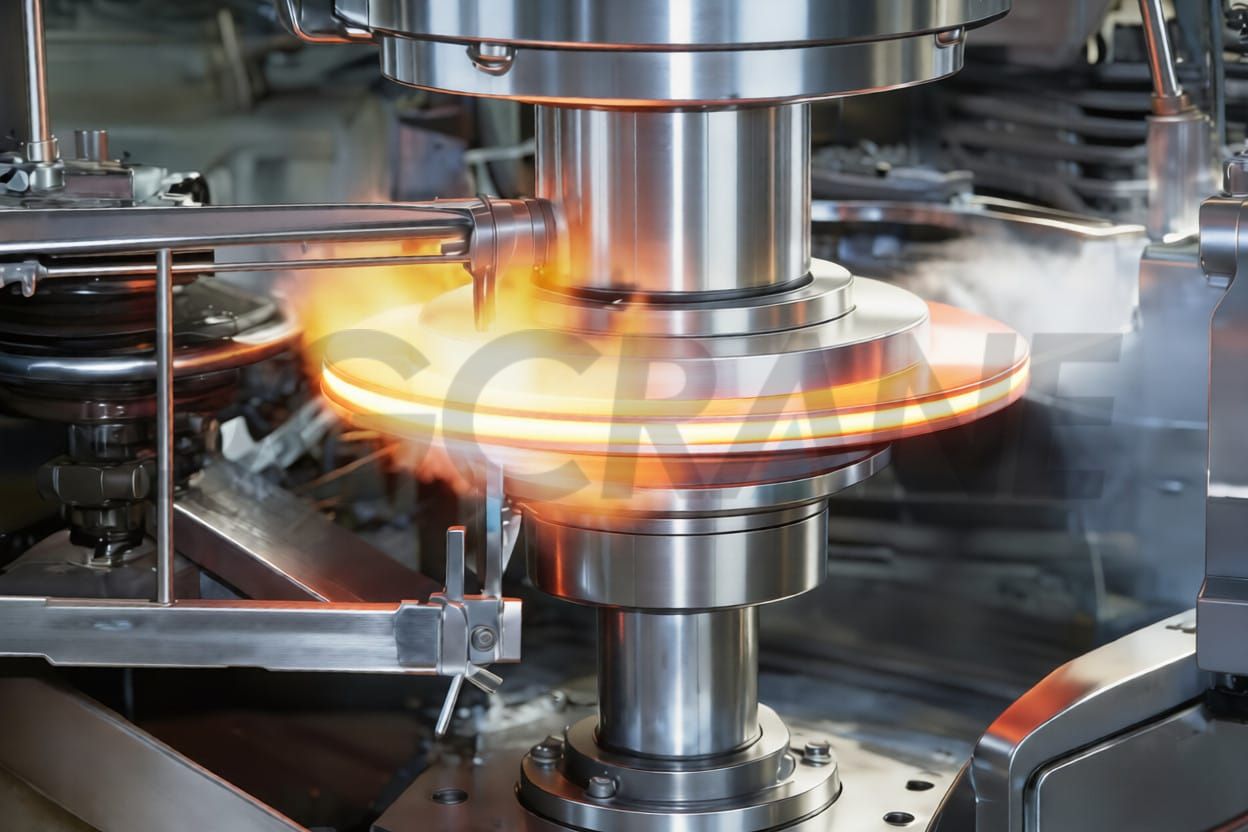
- The rim is heat-rolled as a whole before welding, reducing energy consumption and production costs.
- The rope groove area has uniform surface hardness, improving pulley performance and extending sheave service life.
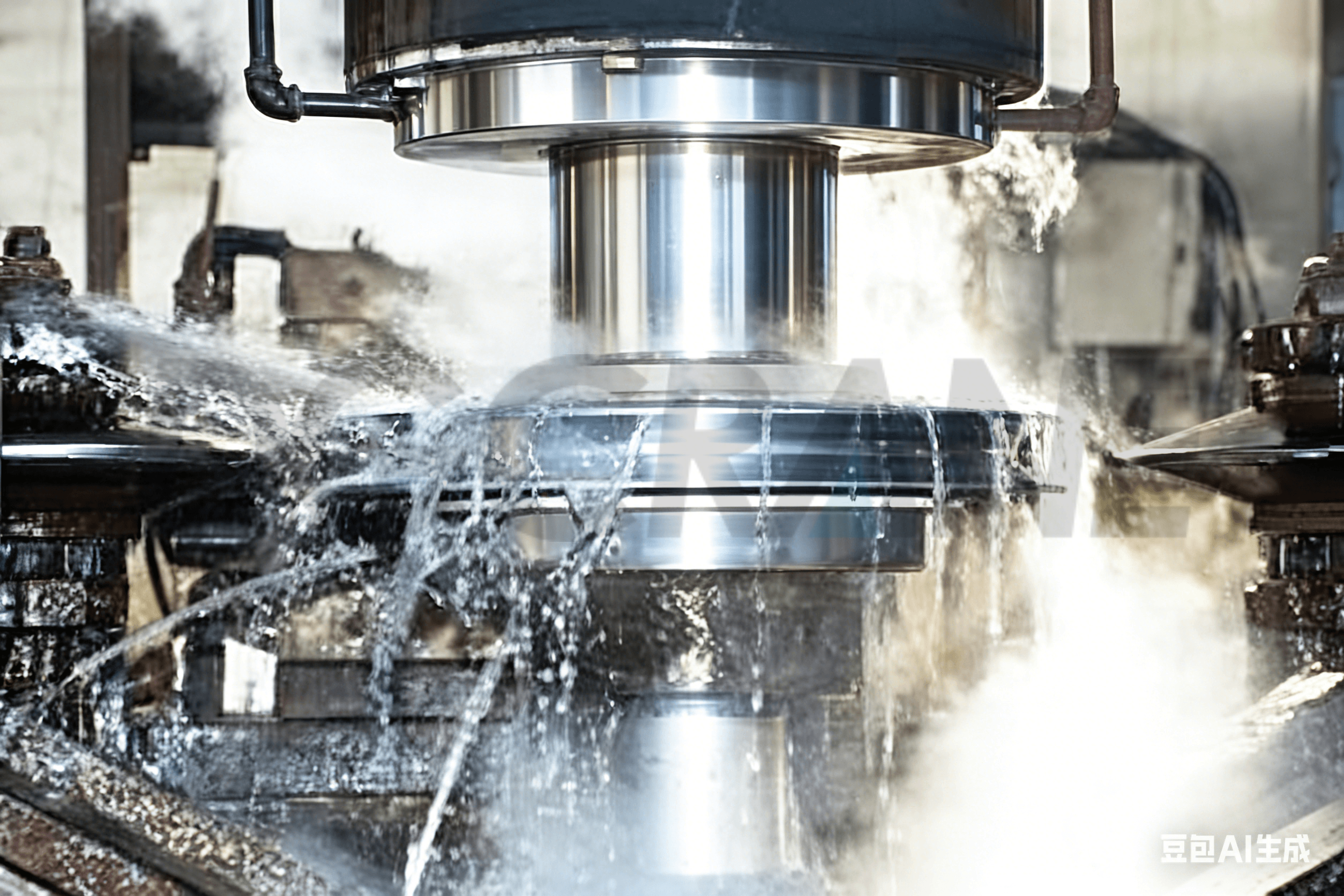
- Heating the material to a target temperature, holding, then slow cooling improves the sheave's ductility and toughness.
- Refining the grain size improves the internal structure and enhances mechanical properties.
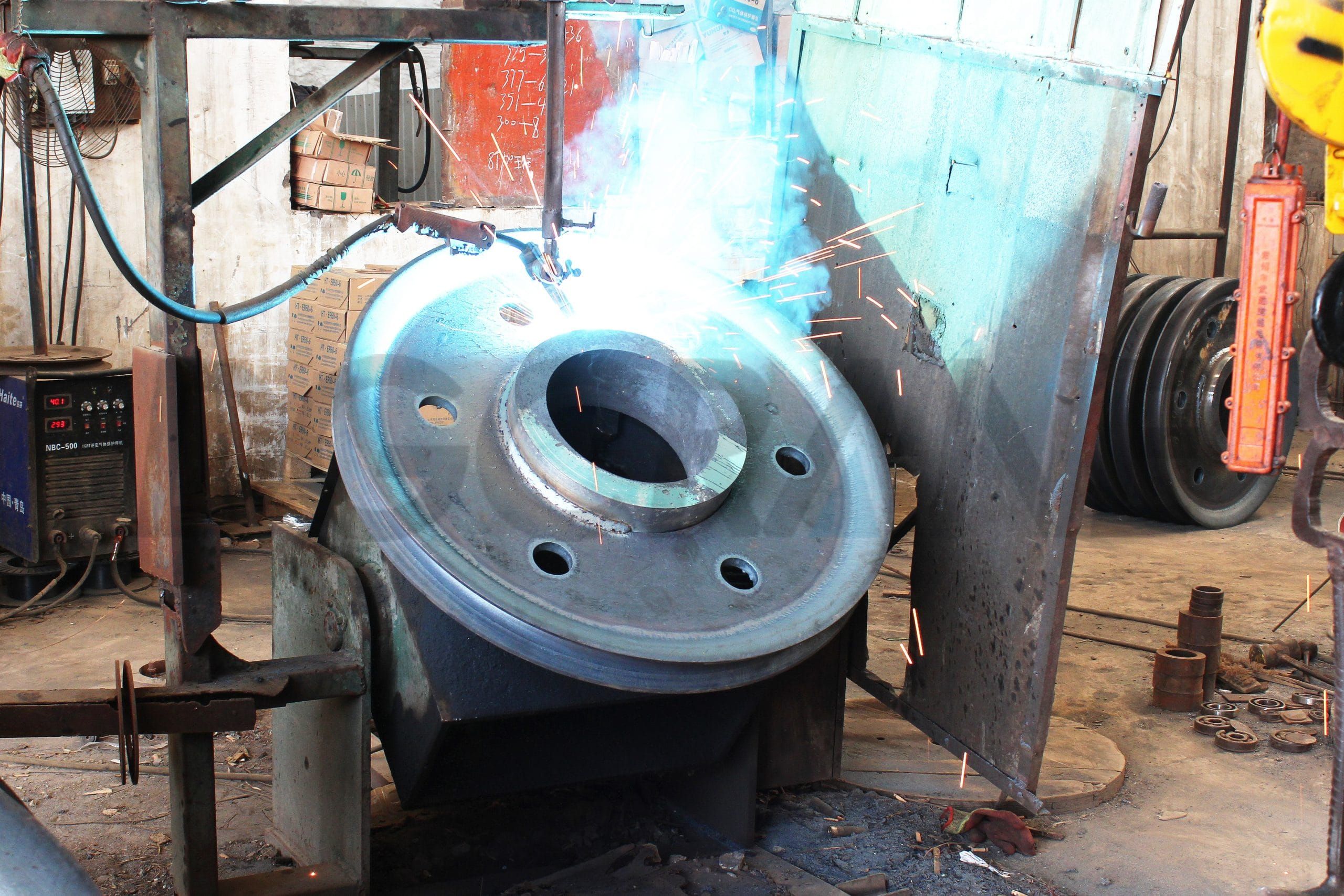
- Optimizes stress distribution, improving the fatigue life and reliability of sheave hubs.
- Enhances the strength of sheave hubs, improving their load-bearing capacity and impact resistance.
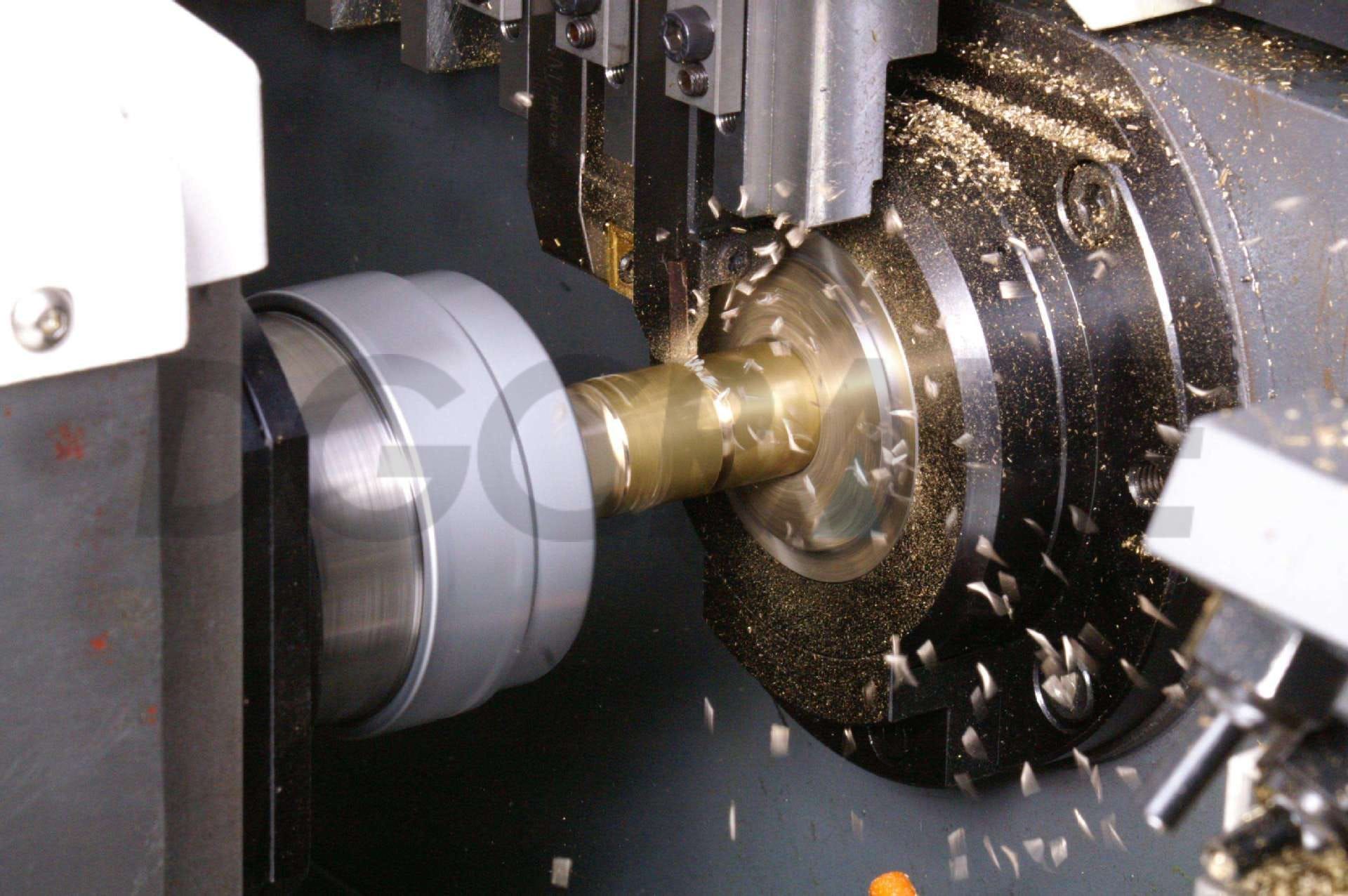
- Manufacturing processes like turning and grinding enhance material properties to meet design standards.
- Precision machines such as cylindrical grinders ensure accurate outer diameter, grooves, dimensional precision and surface quality.
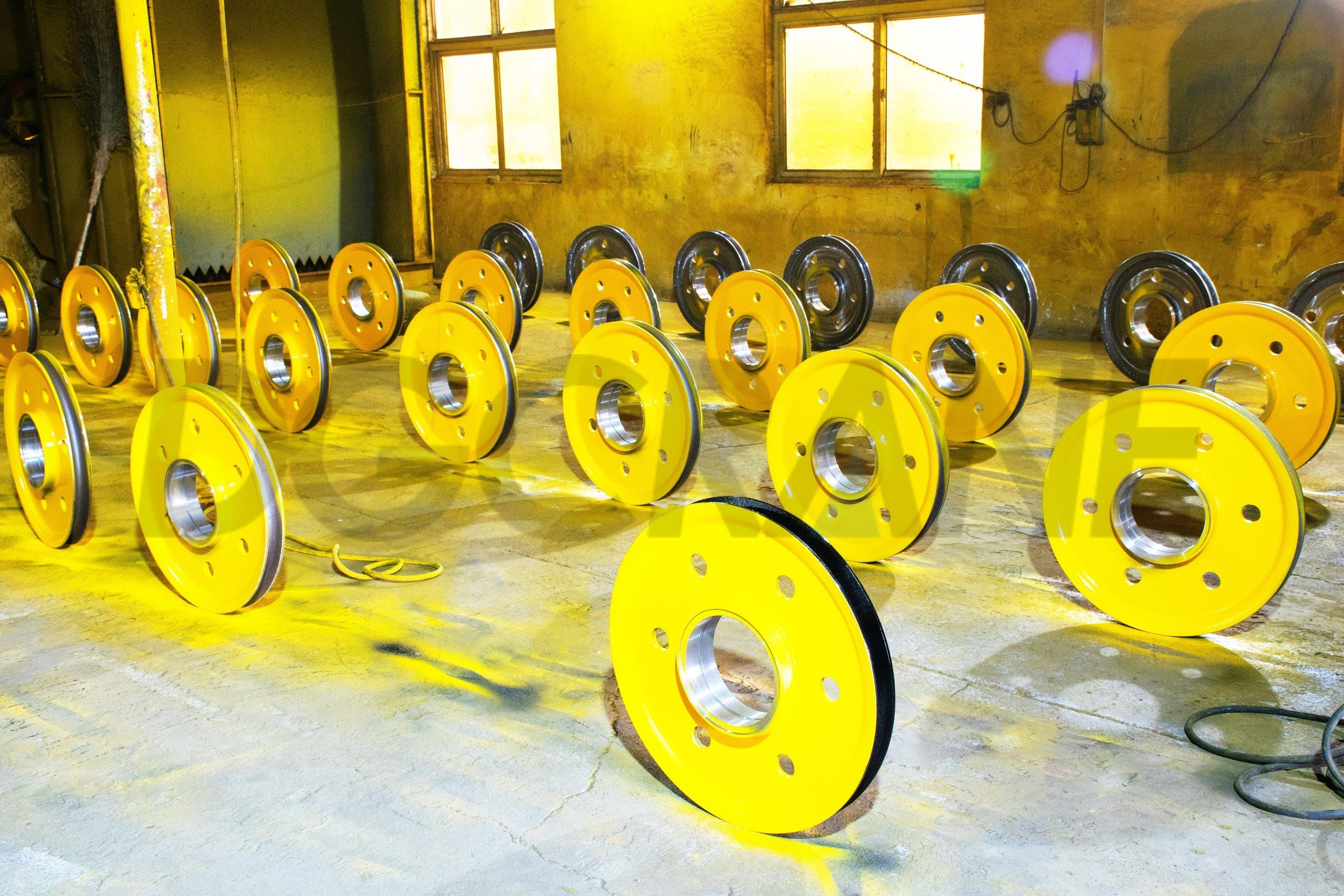
- Remove surface defects such as pores and oxide scale from the raw material to improve surface finish and dimensional stability.
- Apply rust-proof paint or other treatments to the surface to increase wear resistance and corrosion resistance.
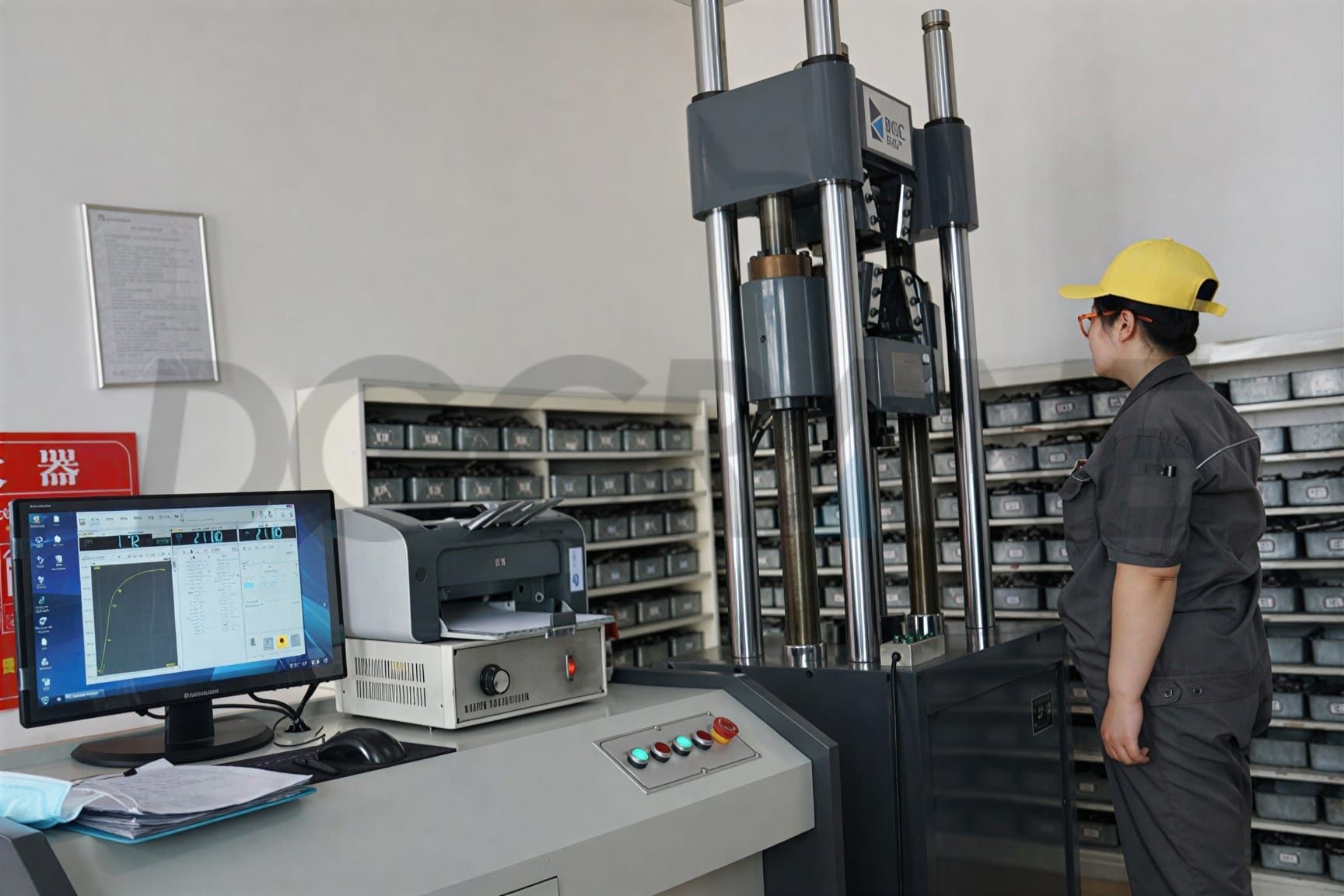
- Perform UT, MT, hardness, and carburization tests to ensure final product quality and safety.
- Conduct mechanical property tests (yield/tensile/impact strength) and metallographic tests to meet forging testing requirements.
Typical applications of Rolling Crane Sheaves
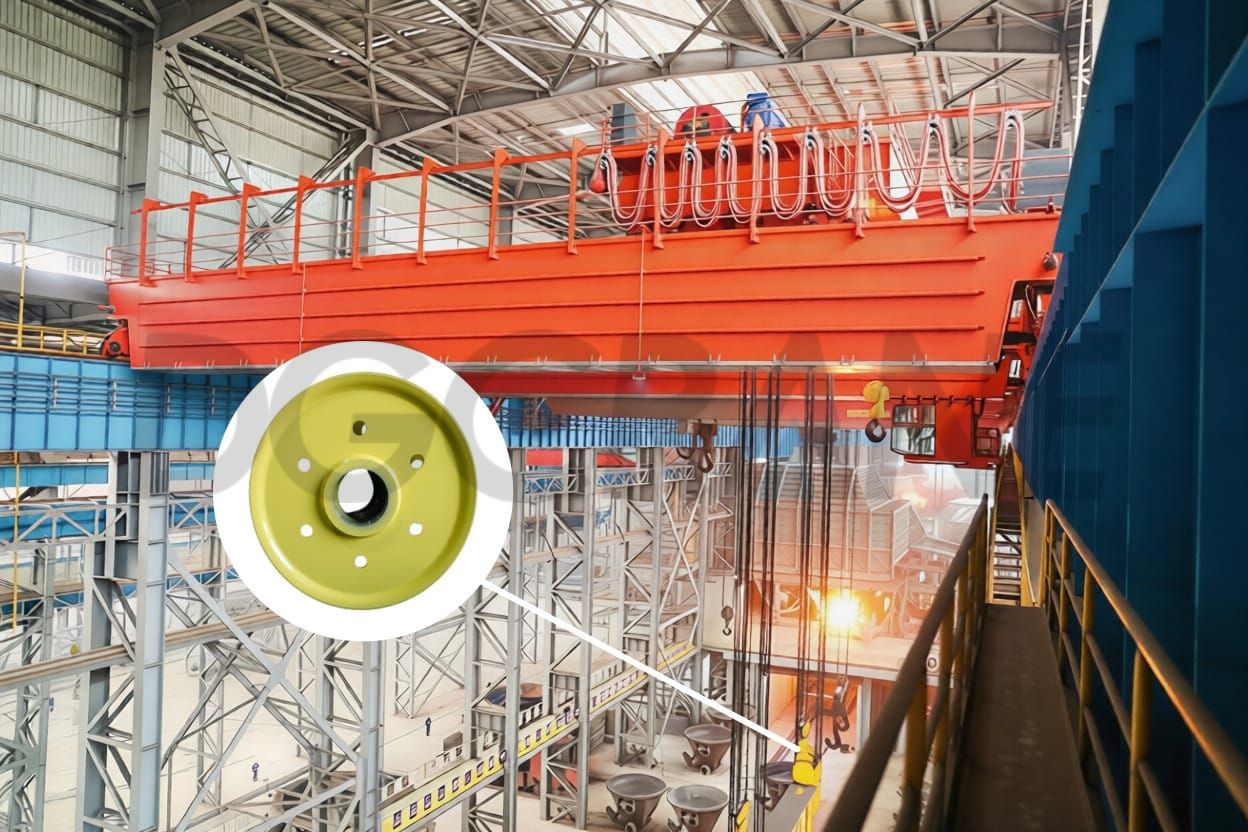
- Surface hardness reaches HRC39-43 post-heat treatment, enhancing contact friction stress and reducing wear.
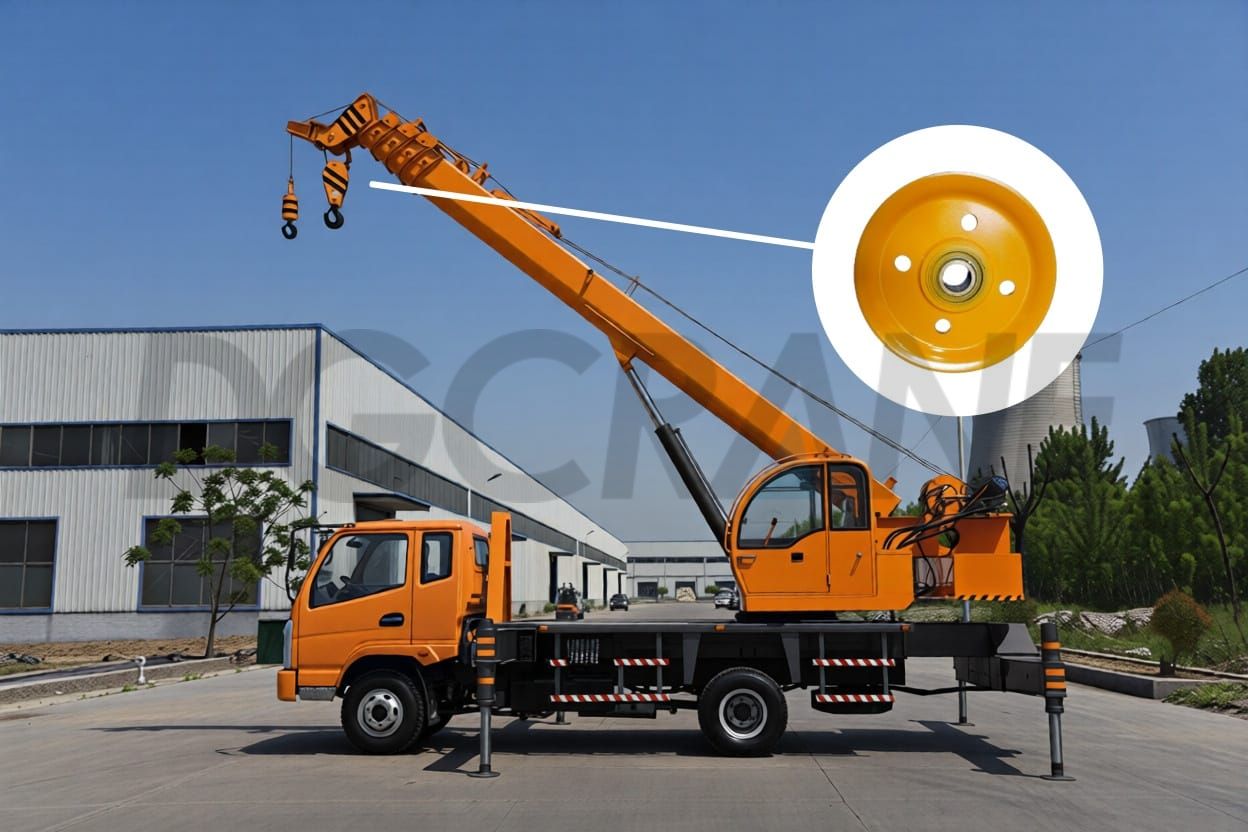
- Crafted from hot-rolled Q235B/Q355B steel, the sheave avoids casting defects such as porosity and sand holes. The precision-machined rope groove fits the wire rope perfectly, minimizing interference and prolonging service life.
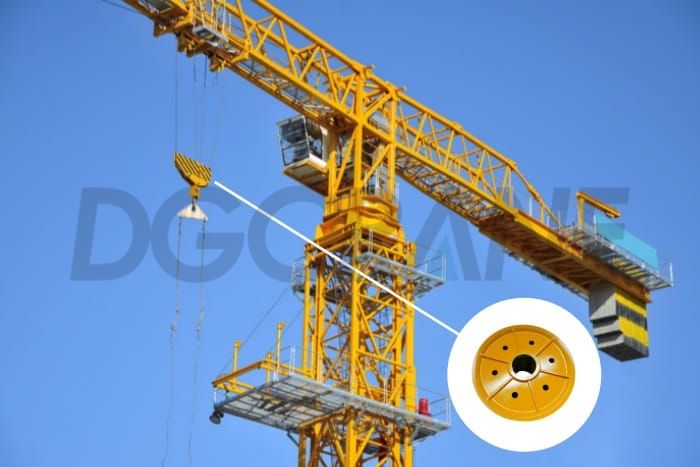
- The combination of fixed and movable sheaves requires less effort, effectively reduces vibration, ensures smooth operation with low noise, and offers good wear resistance and self-lubrication.
FAQs
What are the structural components of a rolling crane sheave?
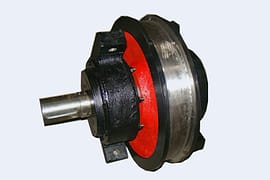
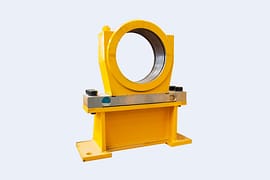
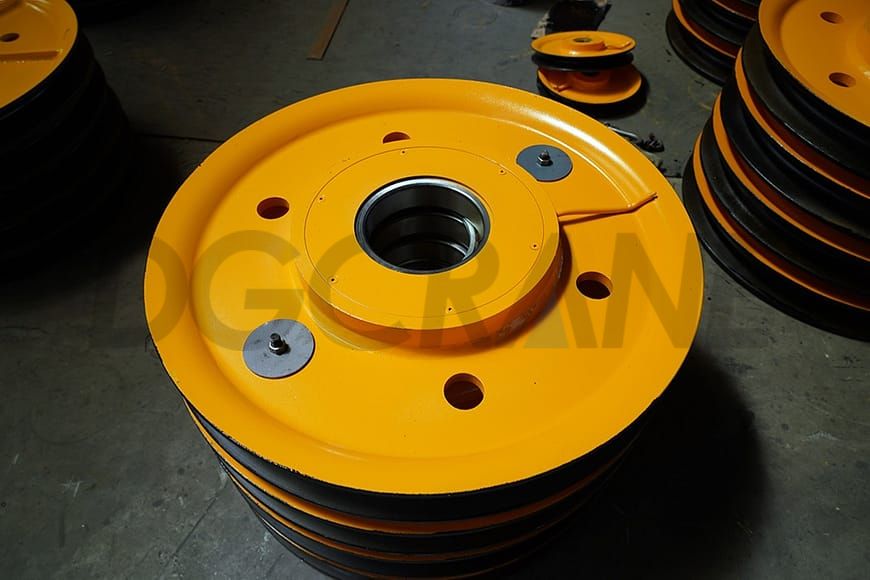
A rolling crane sheave typically consists of three parts: the sheave body, the rim, and the bearing housing. The sheave body is the main component, while the rim connects it to the bearing housing, providing support and transmitting force. The bearing housing houses the bearings, ensuring smooth operation of the sheave.
In what scenarios are rolling crane sheaves more suitable for use?
Rolling crane sheaves are used frequently, are wear-resistant, and have high precision. They can withstand large torques, and when the sheave diameter is greater than 600mm, rolling crane sheaves are preferred. Therefore, rolling crane sheaves are widely used in heavy industries such as steel production lines, shipbuilding, wind power, and aerospace.
How should rolling pulleys be maintained?
Cleaning of rolling crane sheaves' tracks requires the use of a neutral detergent. After cleaning, any areas with peeling paint should be repaired to ensure the sheave surface is completely covered with paint to prevent oxidation. Additionally, it is necessary to inspect the steel wire for rust or burrs regularly. If any are found, they must be addressed promptly to prevent severe wear on the rolling crane sheaves.