






Nuclear Fuel Handling Overhead Crane: Used for Nuclear Fuel Transfer and Storage
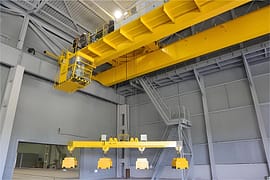
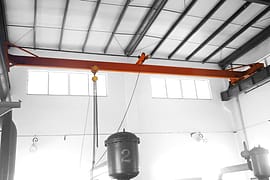
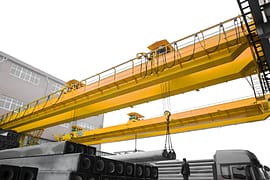
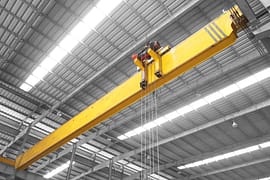
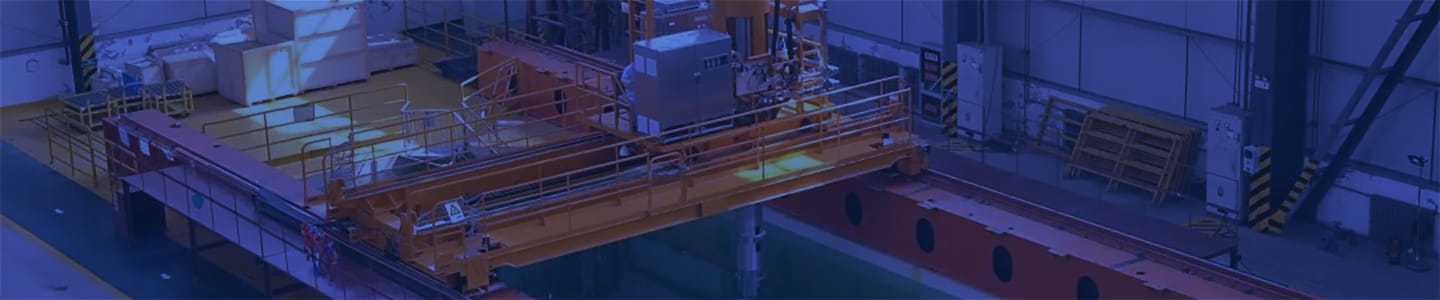
The nuclear fuel handling overhead crane is a critical piece of equipment used for the storage and transfer of nuclear fuel assemblies. Its core design follows the principle of “single-fault protection,” ensuring that the load remains safely supported even in the event of a component failure, eliminating the risk of load drop.
The crane incorporates high-precision positioning control and redundant configurations. It is equipped with manual operation mechanisms and a radiation-shielded enclosed transfer chamber, enabling it to meet the stringent requirements of nuclear environments in terms of reliability, positioning accuracy, and radiation protection.
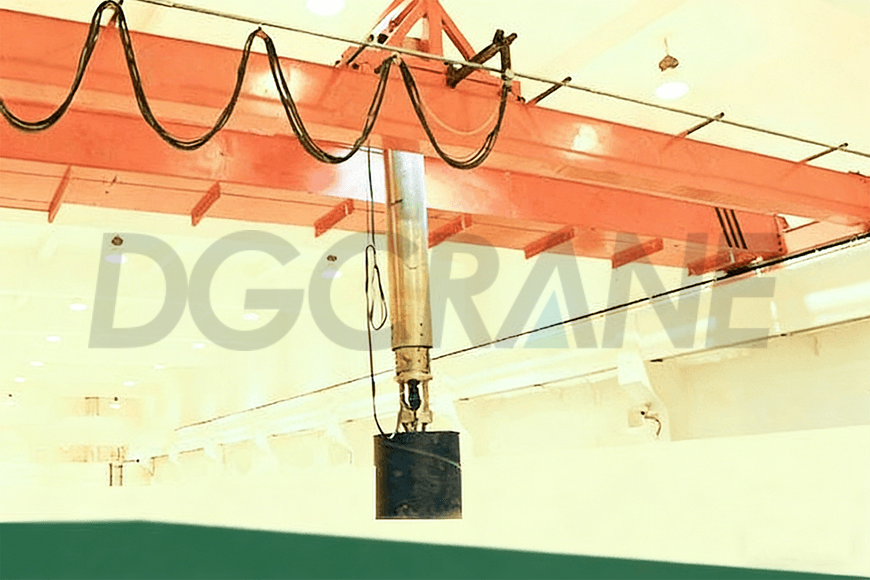

Key Functions of Nuclear Fuel Handling Overhead Crane
The nuclear fuel handling overhead crane is typically installed above the reactor-side spent fuel pool and is connected to the reactor core area, operating in a radiation-exposed environment. As such, it demands high standards of safety, reliability, and maintainability. Its primary functions include:
- Sealing Function: Ensures that when the refueling machine interfaces with the reactor, the internal atmosphere of the reactor remains completely isolated from the external environment.
- Lifting Function: Enables the vertical handling of fuel assemblies during insertion into and removal from the reactor core.
- Gripping Function: Provides secure engagement and handling of fuel assemblies during lifting and lowering operations.
- Rotational Positioning Function: Allows precise alignment and placement of fuel assemblies onto designated storage or transfer racks.
- Manual Operation Function: Supports fine adjustment and manual control in case of system faults or during emergency conditions.
Nuclear Fuel Handling Overhead Crane Technical Features
Fully Servo-Controlled System
- The entire crane is controlled by a servo-driven system.
- Both hoisting and traveling mechanisms are equipped with high-precision positioning capabilities.
High-Precision Positioning Capability
- Horizontal positioning accuracy: ±1.5 mm
- Vertical positioning accuracy: ±1 mm
- Meets the stringent alignment requirements for nuclear fuel storage and transfer operations.
Fully Automated Operation
- The crane supports fully automated operation.
- Capable of automatically accessing up to 260 predefined positioning points.
- Enables automated loading and unloading of fuel assemblies.
Redundant Drive Design
- The crane's traveling (long travel), trolley (cross travel), and hoisting mechanisms all adopt redundant configurations.
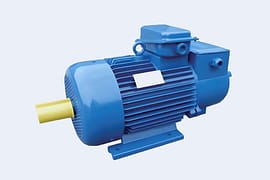
- Each drive system is equipped with both a primary motor and a backup motor.
- Either motor can operate independently.
- Ensures continuous operation and significantly enhances system reliability and safety.
Manual Emergency Operation
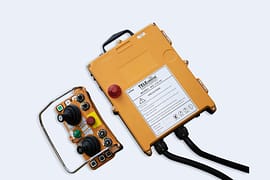
- Manual operation devices are provided for the traveling and hoisting mechanisms.
- In the event of a power failure, all operations can be carried out manually to ensure safe handling.
Radiation-Shielded Enclosed Transfer Design
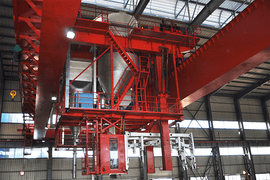
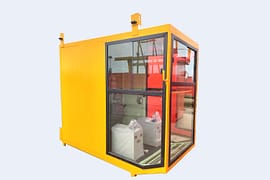
- The crane is equipped with an integrated radiation-shielded enclosure for fuel transfer.
- Nuclear fuel is handled within a fully enclosed environment.
- Effectively prevents radiation leakage and ensures safe containment during transfer operations.
Applications of Nuclear Fuel Handling Overhead Crane
The nuclear fuel handling overhead crane is a key piece of equipment in large pressurized water reactor (PWR) nuclear power plants. It forms an essential part of the nuclear fuel handling and storage system.
The crane is typically used in conjunction with the fuel transfer system to perform the following operations:
- Initial core loading of nuclear fuel
- Reactor refueling operations
- Removal and handling of spent fuel assemblies
- Loading of fresh fuel into the reactor
Through the coordinated operation of fuel grappling devices and guiding/centering mechanisms, the system ensures the safe and precise transfer of fuel assemblies between the reactor core and the fuel handling system.
This equipment is designed for extremely high-risk operational environments and strictly complies with nuclear safety regulations as a specialized, purpose-built solution.