















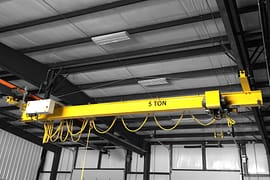













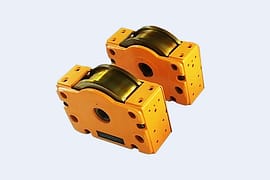
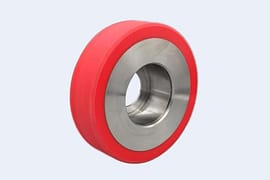
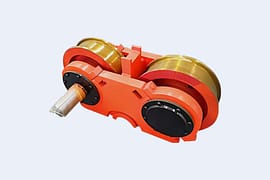
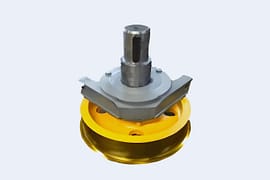
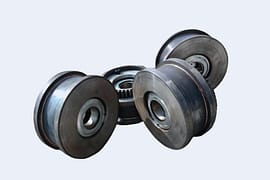
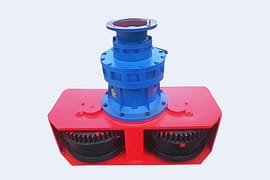
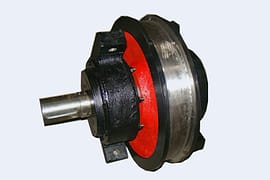
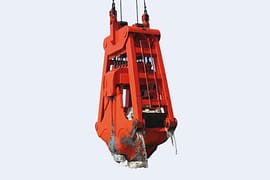





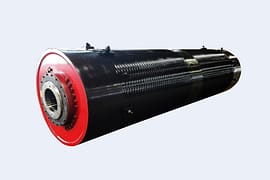

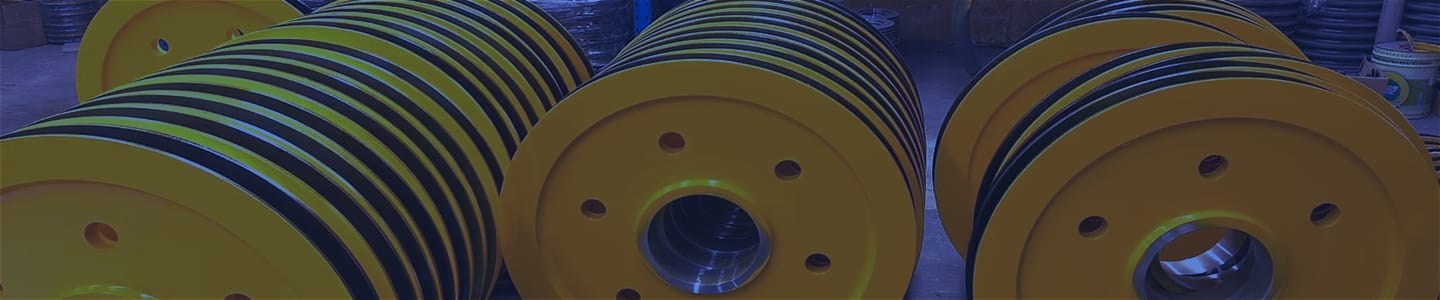
Forged Crane Sheaves: High-Strength, Longer Lifespan
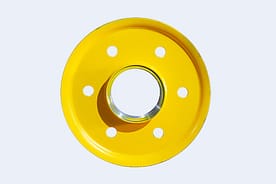
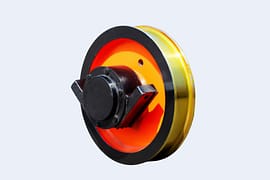
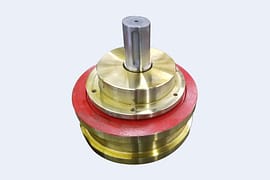
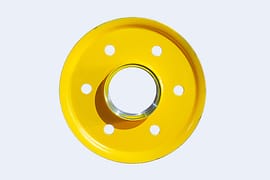
Forged crane sheaves are produced by applying pressure to metal blanks with forging machinery, creating plastic deformation to form high-performance crane sheave products. As a key part of metal forming technology, forging effectively eliminates casting defects like porosity and refines the internal microstructure. With complete metal flow lines preserved, forged crane sheaves deliver better mechanical properties and fatigue resistance than casting crane sheaves.
Forged crane sheaves are widely used for high-load, heavy-duty components in demanding working conditions, making them the ideal choice for reliable and long-lasting crane equipment.
- Diameter: Φ300mm~2000mm
- Material: 42CrMo steel/60# steel
- Hardness: 300-350HBW
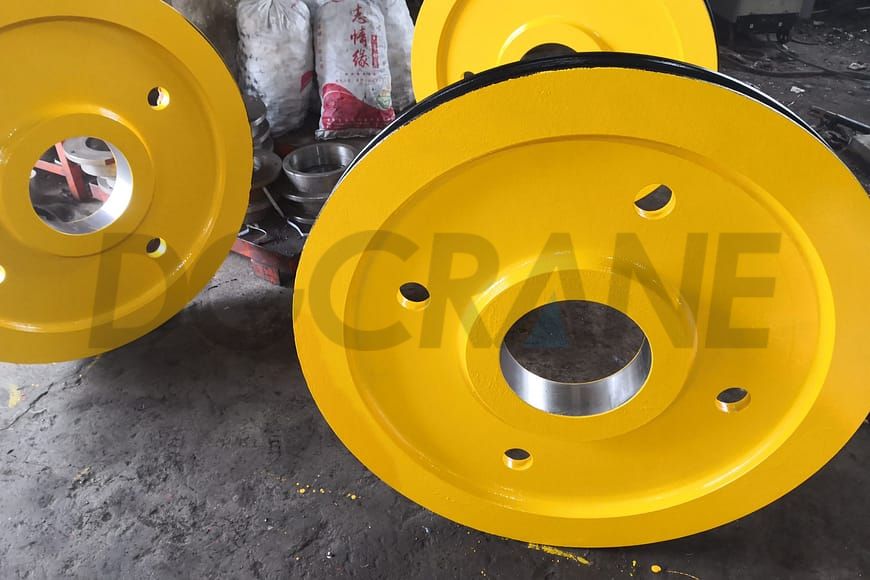
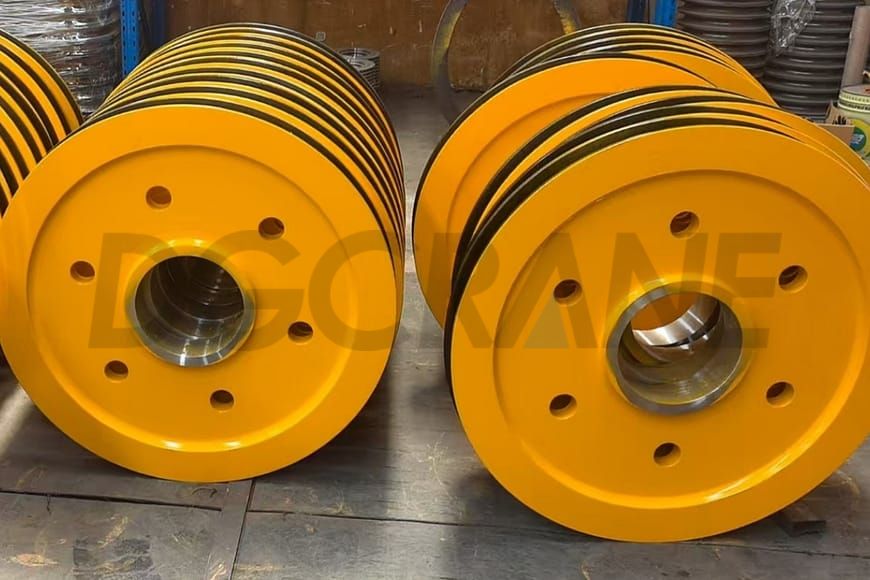
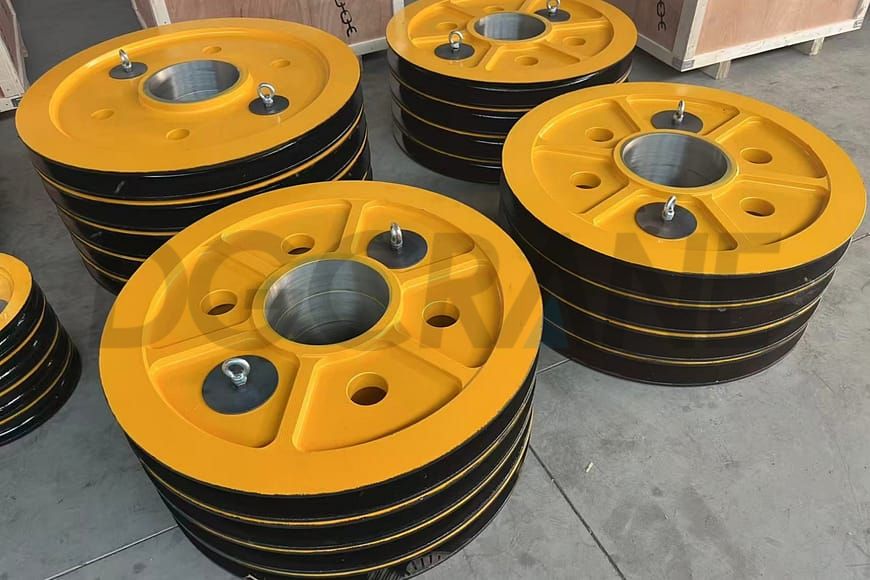
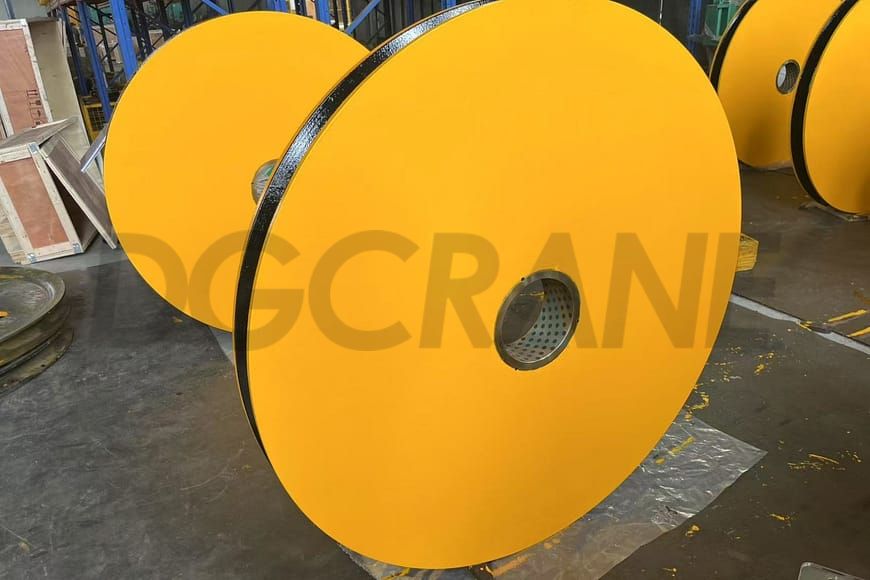


Features of Forged Crane Sheaves
- Higher Strength and Toughness: Forging eliminates casting porosity, air holes, and inclusions generated during smelting, increasing tensile strength by 20%-30% compared to cast crane sheaves.
- Excellent Wear Resistance: After heat treatment, the internal grain structure of the steel flows and bends for directional strengthening, achieving a hardness of HRC45-55 (HB428-570) and increasing fatigue strength by 37%.
- Safety and Reliability: Forged crane sheaves have no weld seams, resulting in excellent fatigue resistance under dynamic loads. Fatigue strength is increased by 37%, avoiding the risk of fracture.
- Lightweight Design: Forging results in a denser metal structure, increasing the strength-to-weight ratio by 20% and reducing weight by 10-15% for the same strength, thus reducing equipment inertial energy consumption.
- Flexible Customization: Customization is available for different rope groove types (U-shaped/V-shaped/anti-slip grooves), materials (42CrMo/35CrMo), and sizes to meet various working conditions.
Specialized Forged Process for High-Quality Crane Sheaves
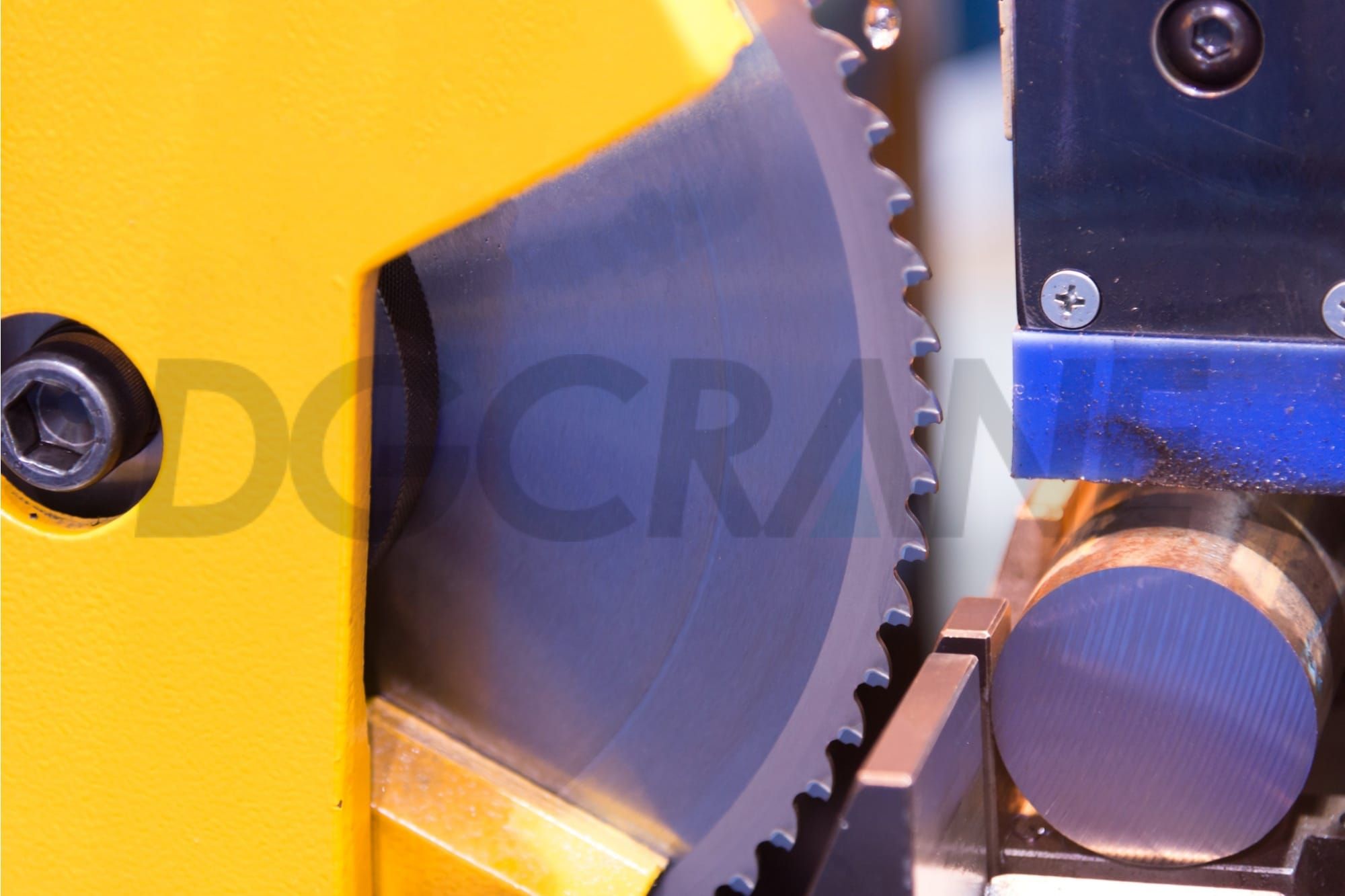
- Precisely cuts steel, ensuring a smooth cut surface and accurate dimensions.
- High cutting speed, shortening processing time, and reducing production costs.
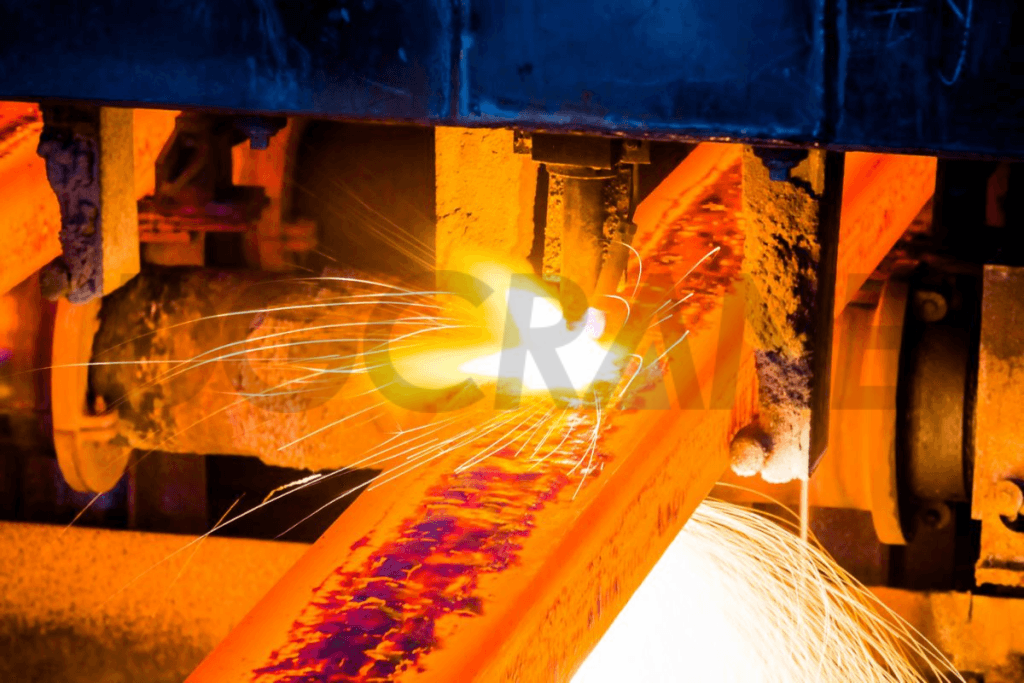
- Reduces internal stress in forged sheaves, decreases brittleness, and improves toughness.
- Improves internal stability, enhances overall mechanical properties, and increases hardness.
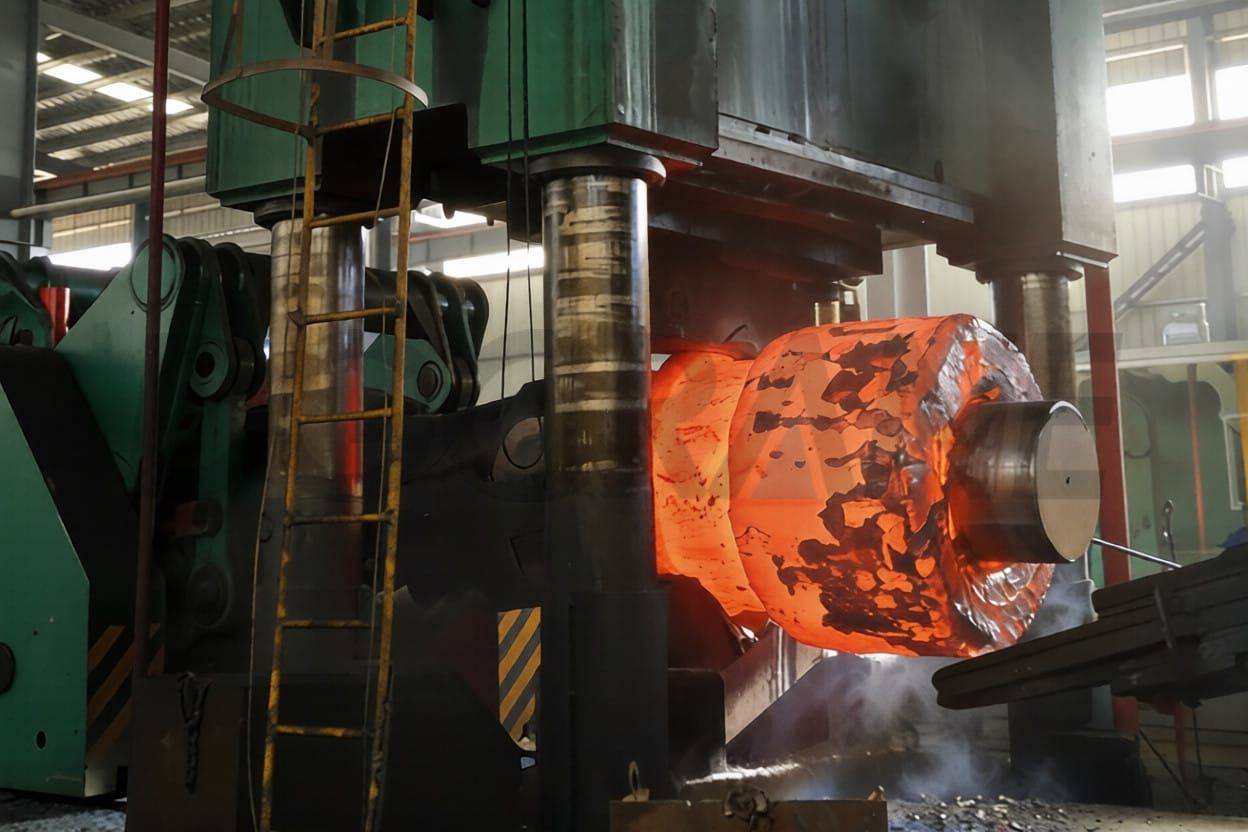
- Forging eliminates casting porosity and welds voids in the metal.
- Optimizes internal microstructure and improves overall mechanical properties.
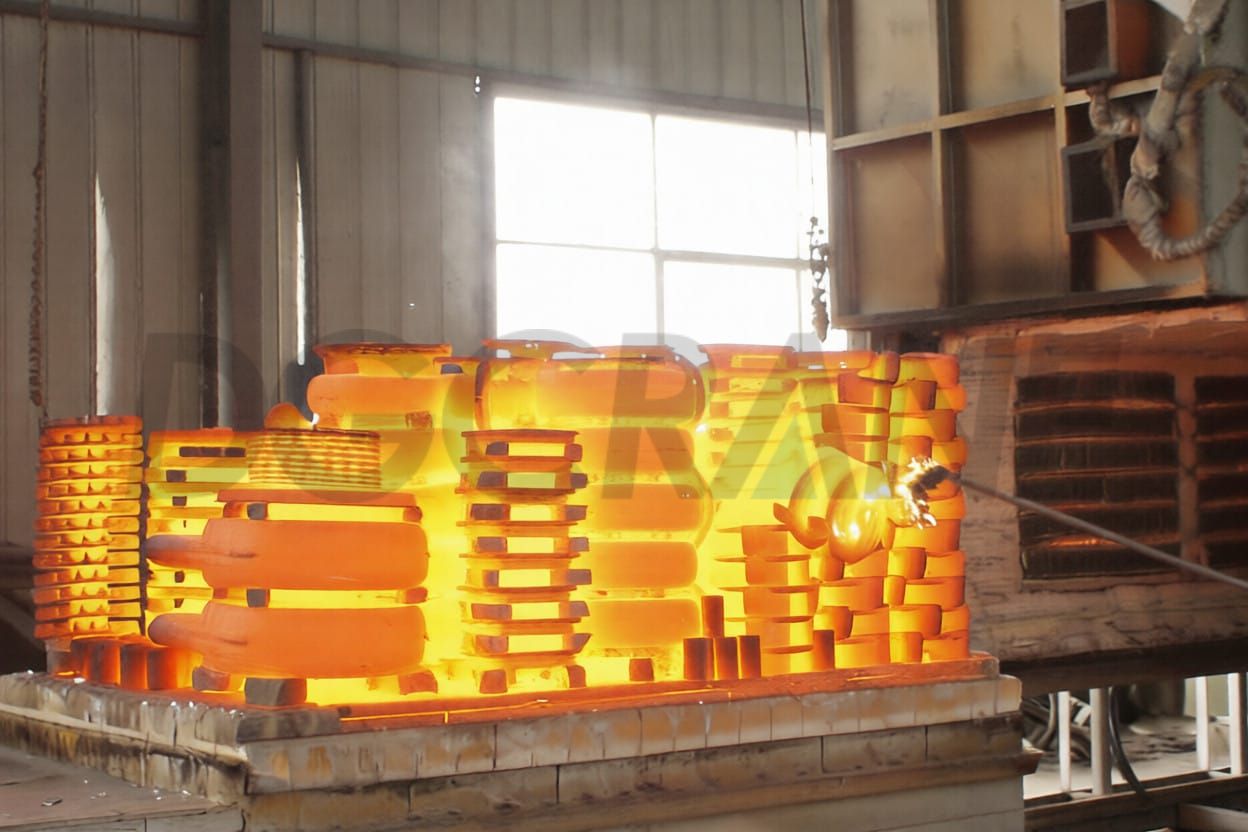
- Forgings have a finer internal structure, resulting in higher strength and hardness.
- Machining is smoother, leading to better metal surface quality.
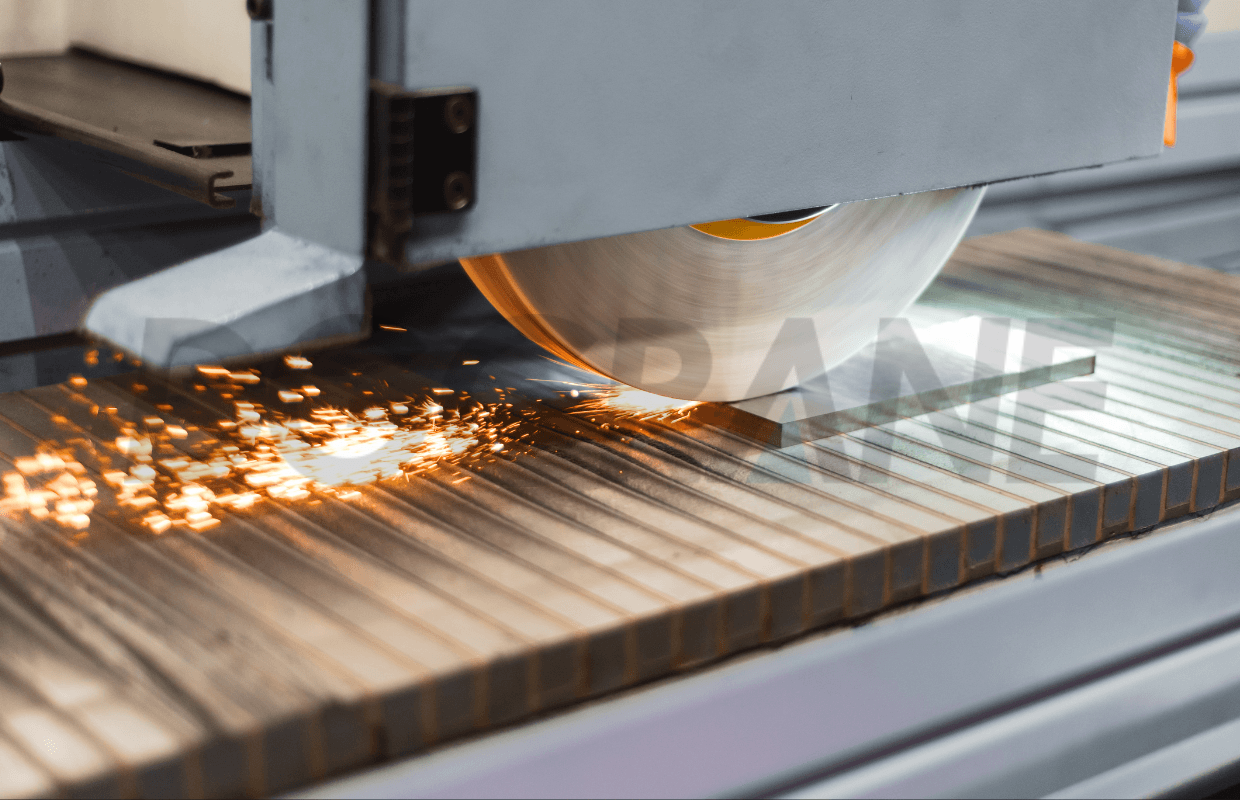
- Inspect surface defects in sheave forgings to improve product quality and yield.
- Remove excess material, release internal stress in forgings, and reduce deformation errors.
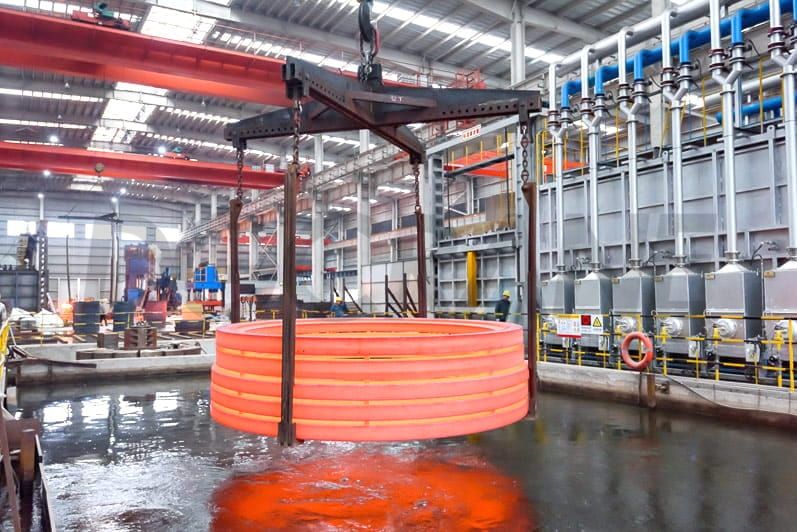
- Significantly improves the wear resistance and surface hardness of sheave forgings.
- Maintains high hardness and good toughness, capable of withstanding certain impact loads.
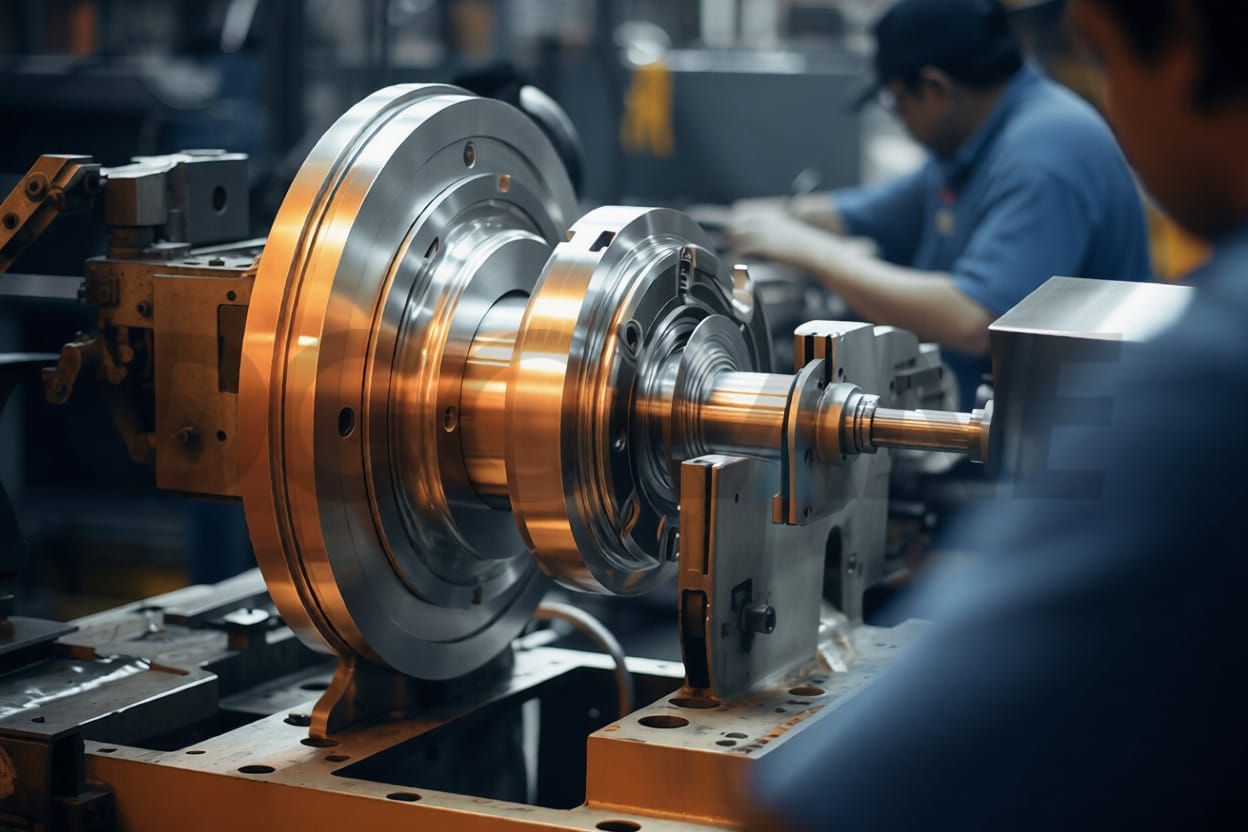
- Achieve a smooth sheave surface, and its appearance quality.
- Precision machining enables the required dimensional accuracy and geometry, conforming to design specifications.
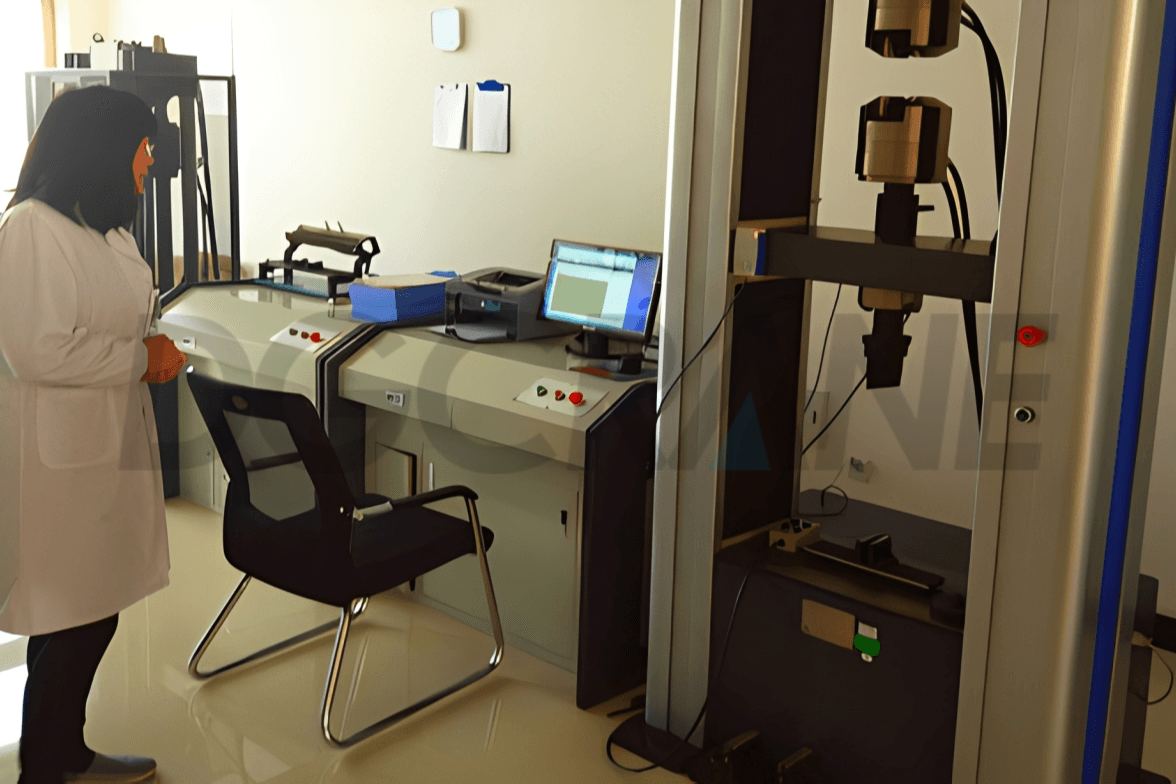
- Ensure product quality and avoid safety hazards.
- Extend service life through assessment and subsequent maintenance guidance to reduce maintenance costs.
Typical Applications of Forged Crane Sheaves
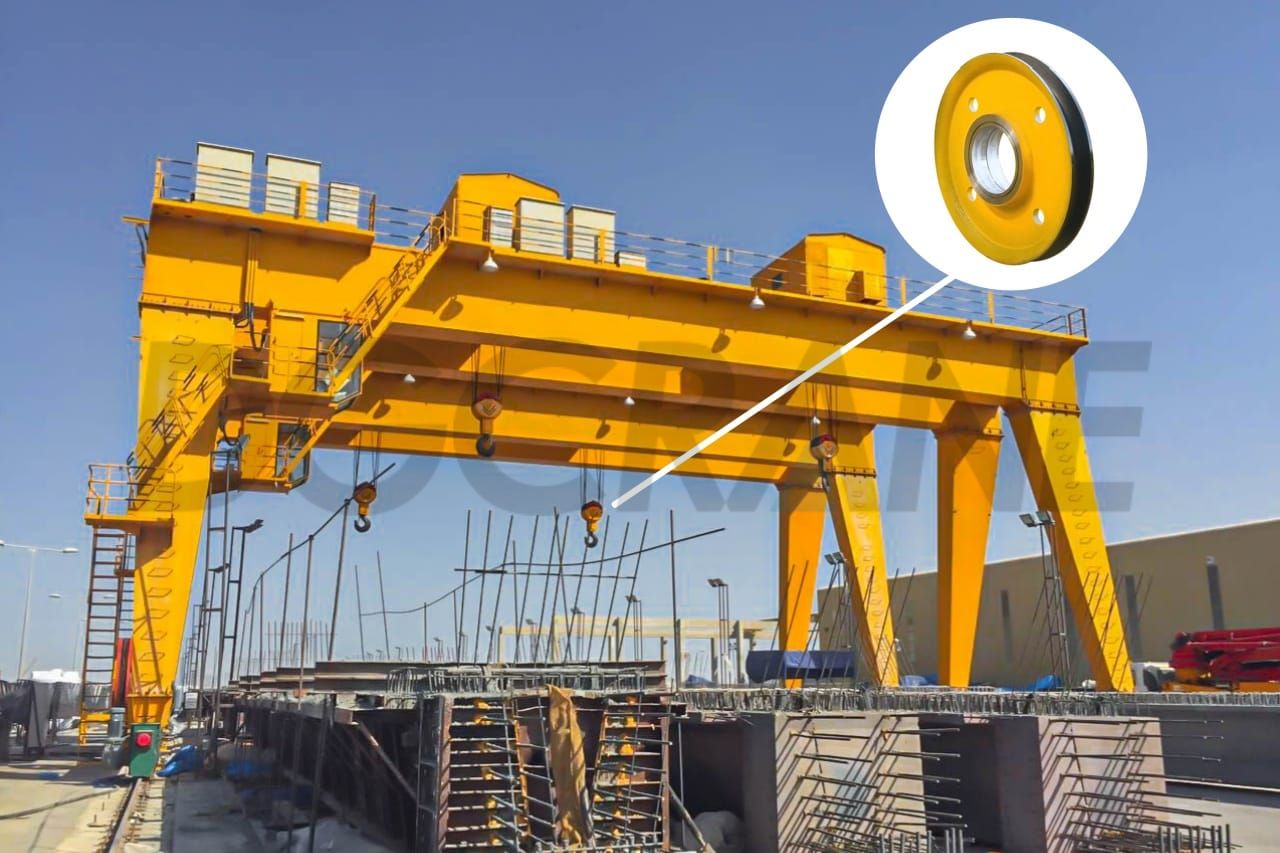
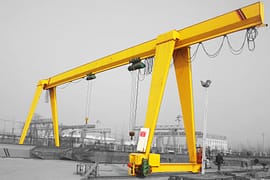
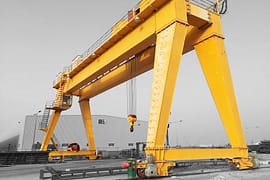
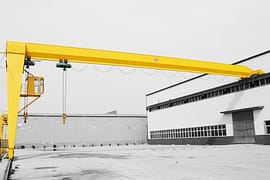
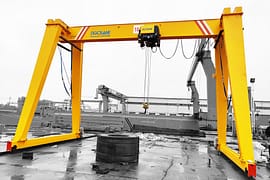
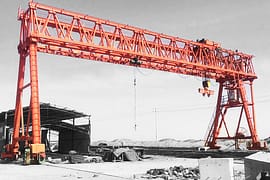
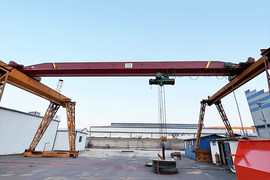
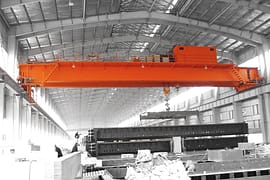
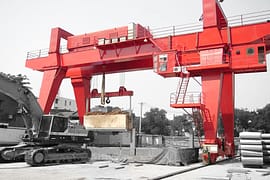
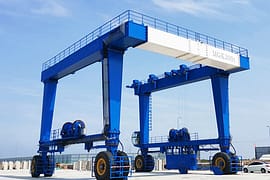
- Suitable for high-intensity operations: Gantry cranes experience frequent lifting and braking with high impact; forged sheaves are less prone to cracking and deformation, resulting in a longer service life.
- Adaptable to harsh working conditions: Dust-resistant, outdoor-friendly, and suitable for long-term continuous use of engineering gantry cranes.
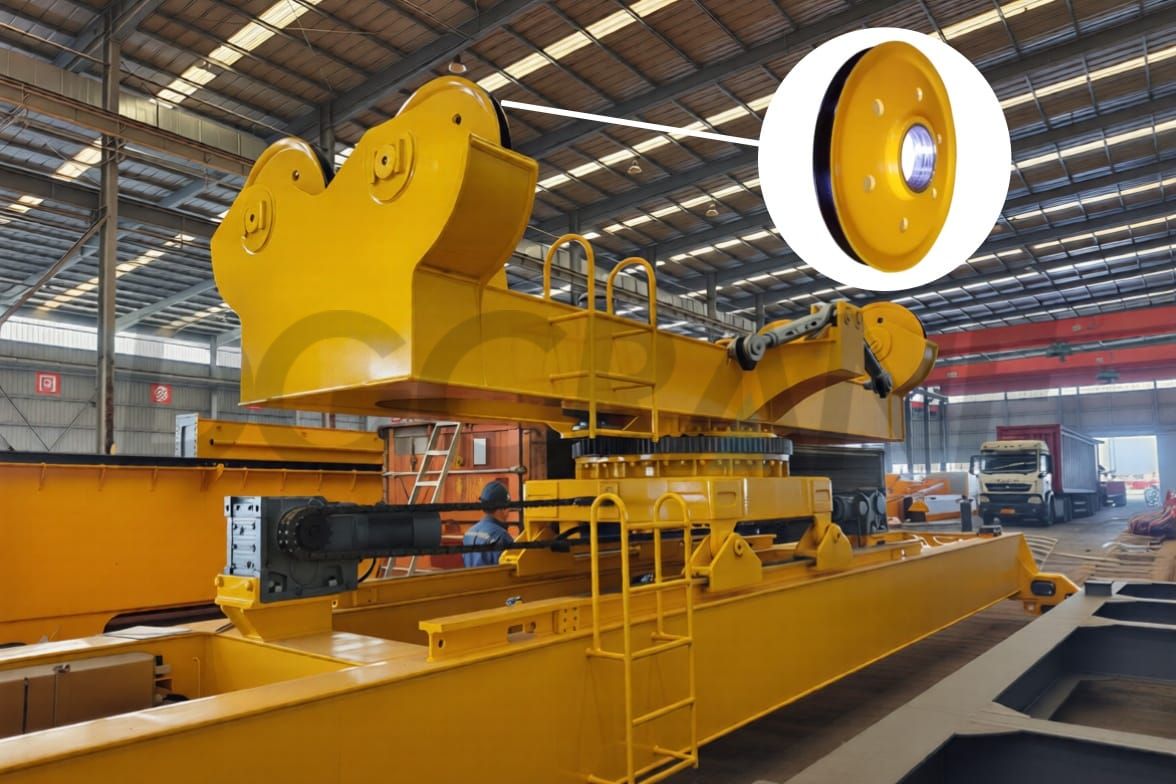
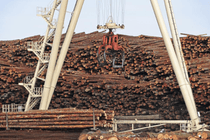
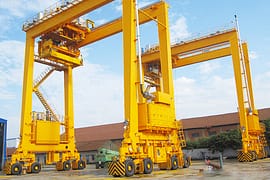
- High groove hardness: Suitable for high-speed operation of port machinery spreaders, with sufficient strength, wear resistance, and long service life.
- Reduced wire rope wear: Dense and smooth material improves the wear resistance of the groove and reduces frictional loss of the wire rope.
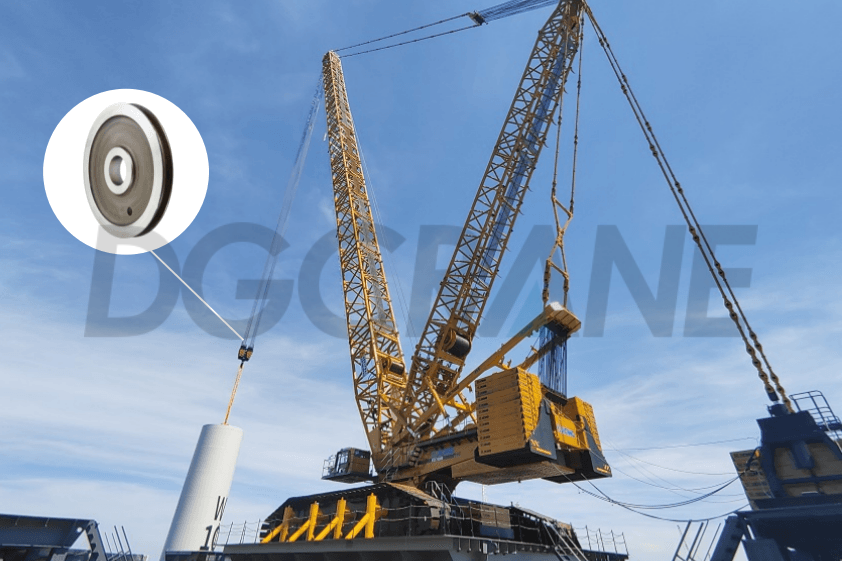
- More Optimal Load Distribution: Adapted to heavy load conditions of crawler cranes, ensuring safe and reliable installation, and even load distribution on the sheave blocks.
- High Impact Resistance and Safety: The forging process preserves the metal’s streamlined shape, making it impact-resistant, less prone to breakage, and ensuring more stable and safer equipment operation.
FAQs
What are the differences in application between forged and rolling crane sheaves?
Forged sheaves have denser grains, resulting in higher crack resistance and impact resistance, longer service life, and lower failure rate, making them suitable for long-term high-intensity, heavy-load conditions. Rolled sheaves have moderate strength and relatively lower fatigue resistance, but are cheaper and can be shipped quickly, making them suitable for general working conditions with moderate and stable loads.
When should a crane sheave be replaced?
If wear causes the diameter of the sheave groove to decrease by 50% of the wire rope diameter, or if the wear on the groove wall exceeds 20% of its original thickness, replacement should be considered. Structural damage to the sheave, such as surface or internal cracks, loose rivets, or broken spokes, will significantly affect its strength and safety, requiring immediate cessation of use and replacement.
In which working conditions is the forged crane sheave not recommended?
If the working temperature consistently exceeds the design limit of the forged sheave material (the performance of forged sheaves made of carbon steel may significantly decrease above 200℃), or in extremely cold environments below -40℃, the mechanical properties (such as toughness and strength) of the forged sheave may not meet the requirements. Sheaves made of special materials resistant to high or low temperatures should be selected.
Does the forged crane sheave require lubrication during use? What is the maintenance cycle?
During its service life, dust and impurities can easily accumulate on the surface of the pulley, affecting its normal operation. Therefore, the pulley surface needs to be cleaned regularly. It can be wiped with a soft cloth, and lithium-based grease can be applied if necessary (lubrication cycle: once a week for frequent use, and once a month for general use).