




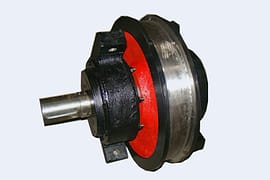




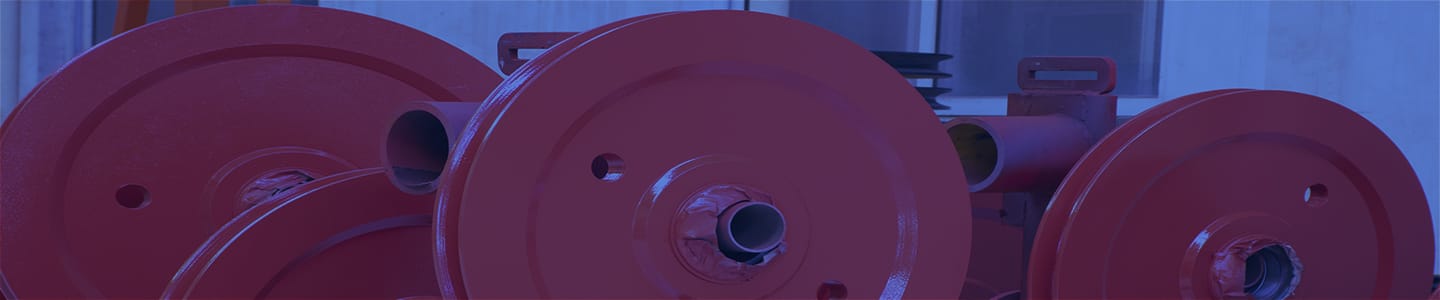
Casting Crane Sheaves: Lower Cost & Longer Lifespan
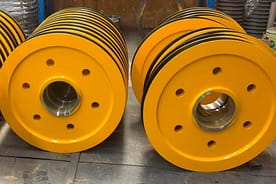
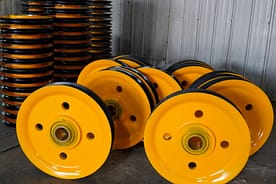
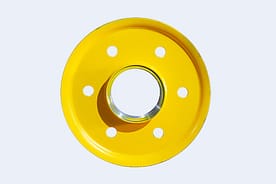
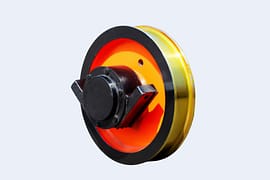
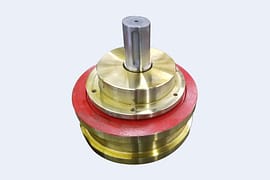
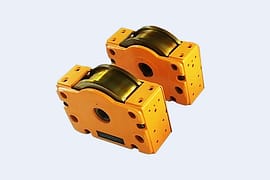
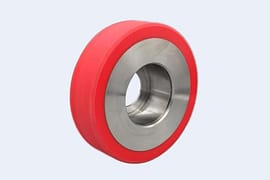
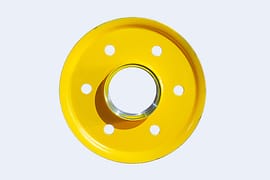
Casting is a fundamental process in modern equipment manufacturing. Casting crane sheaves are produced by melting metal into a molten metal that meets specific requirements, pouring it into a mold, and then cooling, solidifying, and cleaning to obtain a sheave of a predetermined shape and size. Because the blank of a casting crane sheave is nearly perfectly formed, manufacturing costs are reduced, and production time is shortened to some extent. They are commonly used in lifting machinery and equipment in the construction and manufacturing industries, or in harsh working environments. They possess a certain degree of plasticity, have a long service life, and are not easily damaged.
Technical Parameters of Casting Crane Sheaves
- Diameter: Φ250mm-Φ3000mm
- Material: 45# steel/35CrMo/42CrMo steel/Q345E (used for -40℃)
- Sheave groove: groove heat treatment by intermediate frequency quenching, hardness Min. HB350-370 and deep around ≥2.5mm. (Based on different materials)
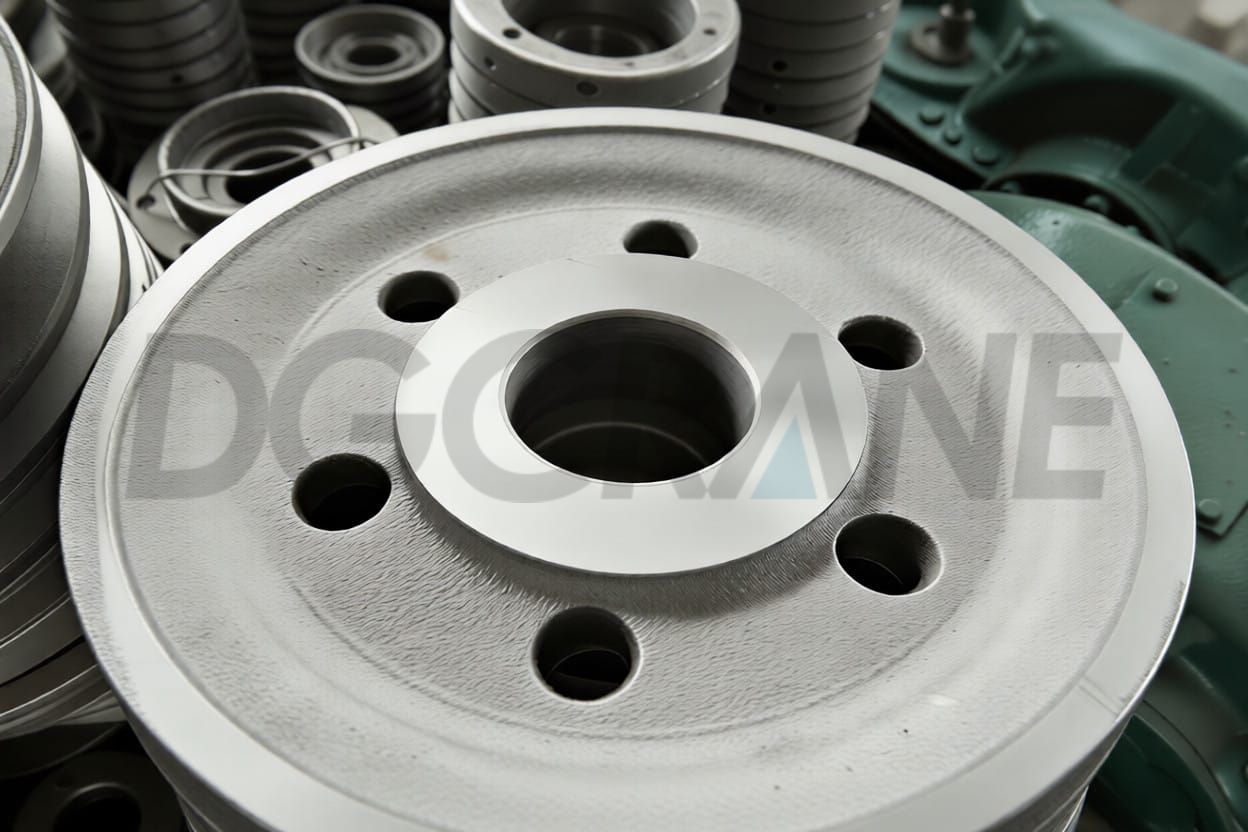
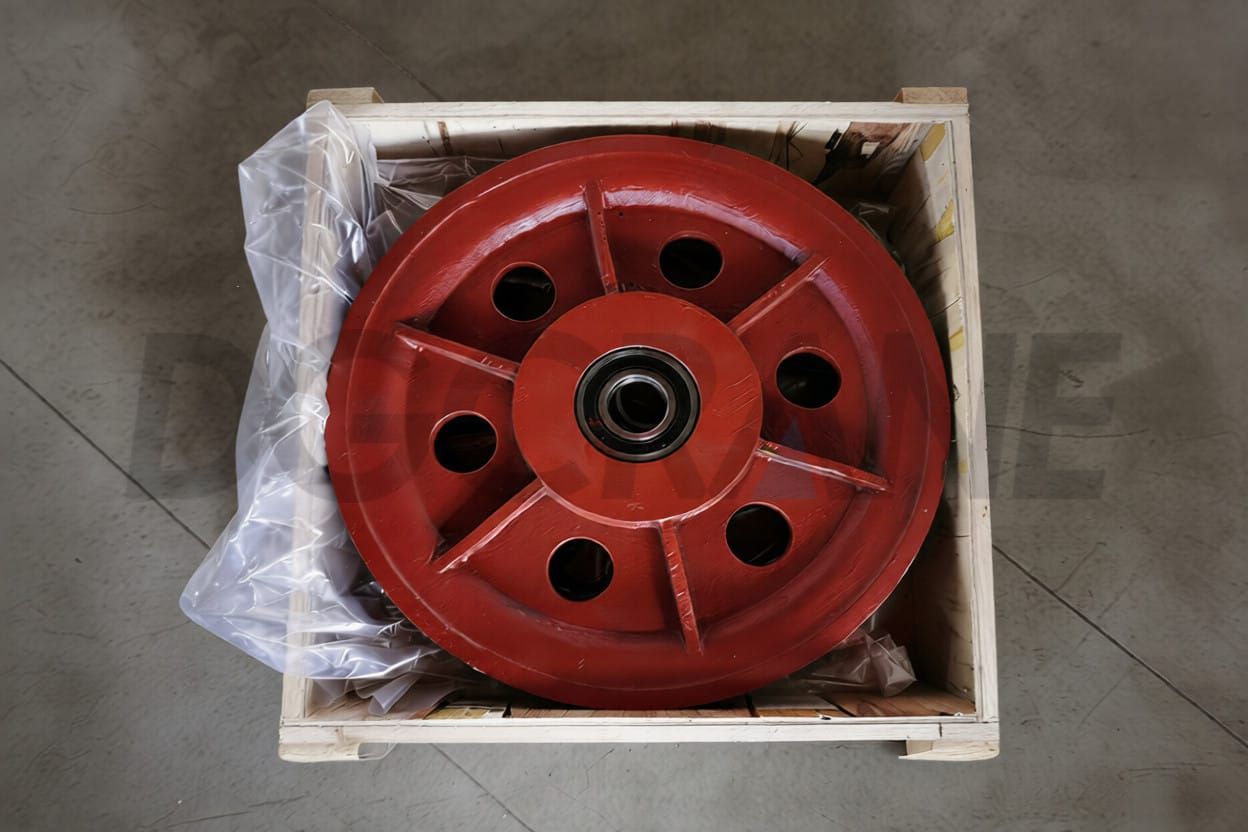
Casting Iron Crane Sheaves
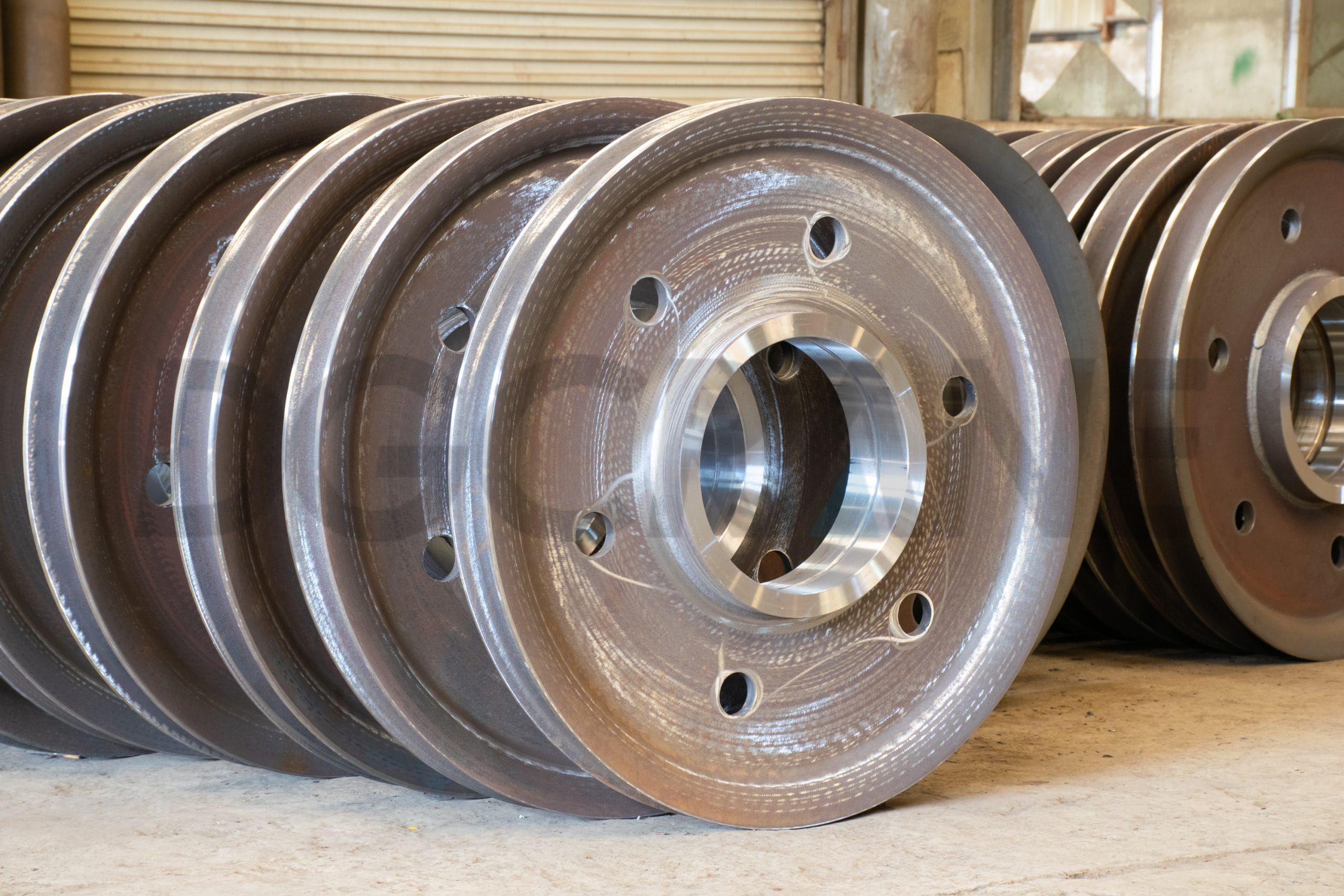
They are made of gray cast iron of HT200 and above, or ductile cast iron of QT400-15 and above, both of which contain high levels of carbon and silicon. Therefore, they are more suitable for single-girder crane hook blocks, electric hoists, light-duty winch trolleys, and indoor light-duty applications.
Features of Casting Iron Crane Sheaves
- Lower Cost: Raw materials are inexpensive, typically using gray cast iron or ductile iron. The relatively simple casting process and shorter production time also contribute to its price advantage.
- Good Casting Performance: Better internal fluidity allows for easier casting into complex shapes. Furthermore, cast iron has lower shrinkage, reducing the likelihood of internal defects such as shrinkage cavities and porosity, resulting in greater durability.
- Excellent Wear Resistance: Gray cast iron contains 2%-4% carbon and 1%-3% silicon, while ductile iron contains 2%-4% carbon and less than 1% silicon, giving it superior wear resistance, making it suitable for applications requiring high wear resistance.
- Good Vibration Damping: Gray cast iron has a compressive strength approximately 3-4 times higher than its tensile strength, approaching that of low-carbon steel. And ductile iron has a higher modulus of elasticity and impact toughness. Both offer some vibration-damping properties.
Applications of Casting Iron Crane Sheaves
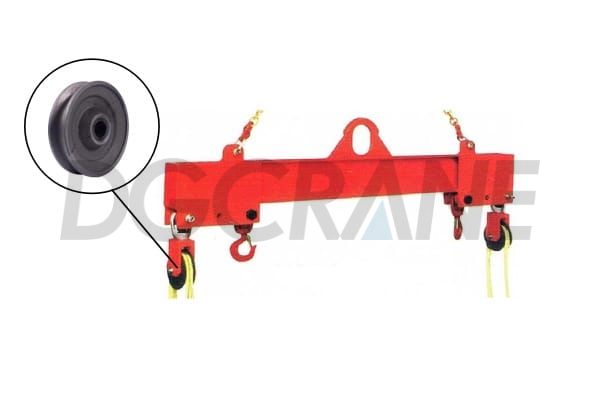
- Casting iron crane sheaves can be used as sling components because their low modulus of elasticity reduces compressive stress and extends the life of the wire rope.
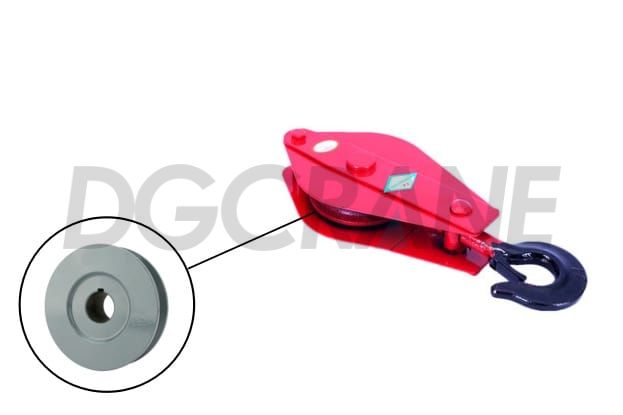
- Casting iron crane sheaves are suitable for low-level working conditions, such as light or medium loads, are relatively inexpensive, and have better wear resistance.
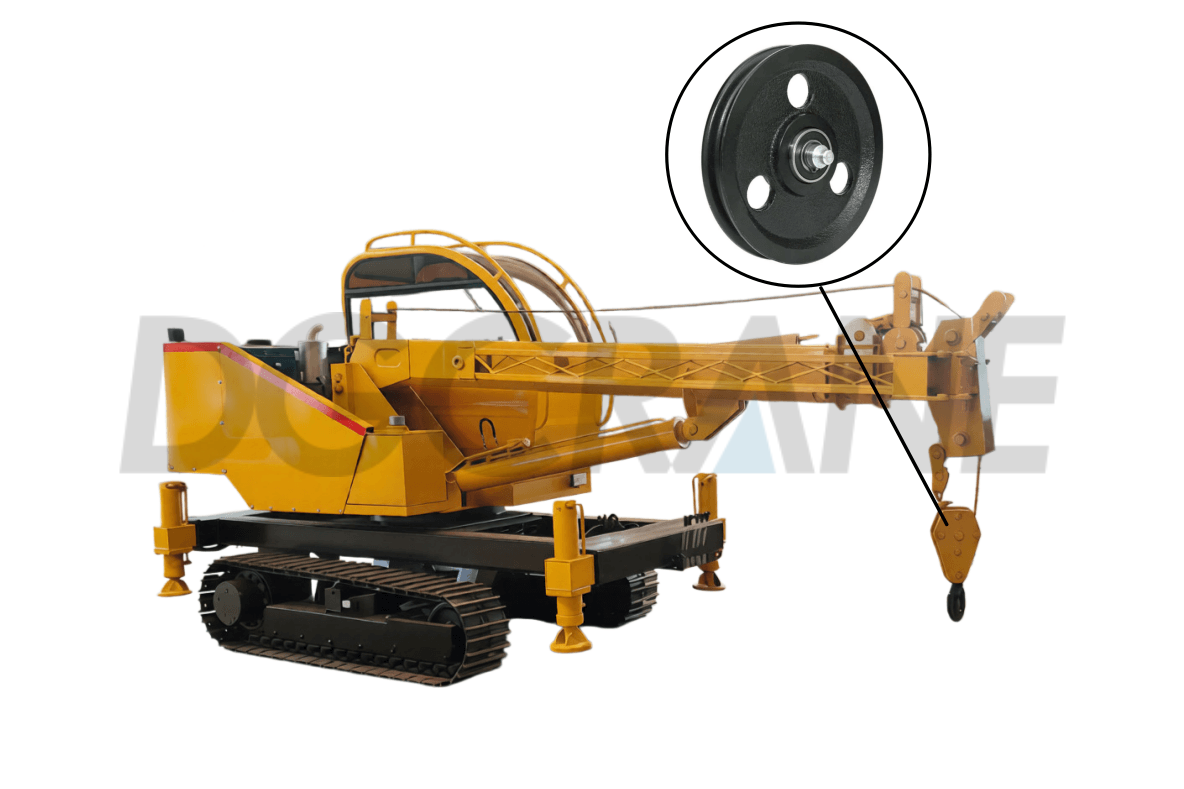
- Casting iron sheaves offer better shock absorption, making them suitable for mobile lifting assemblies and also protecting the wire rope.
Casting Steel Crane Sheaves
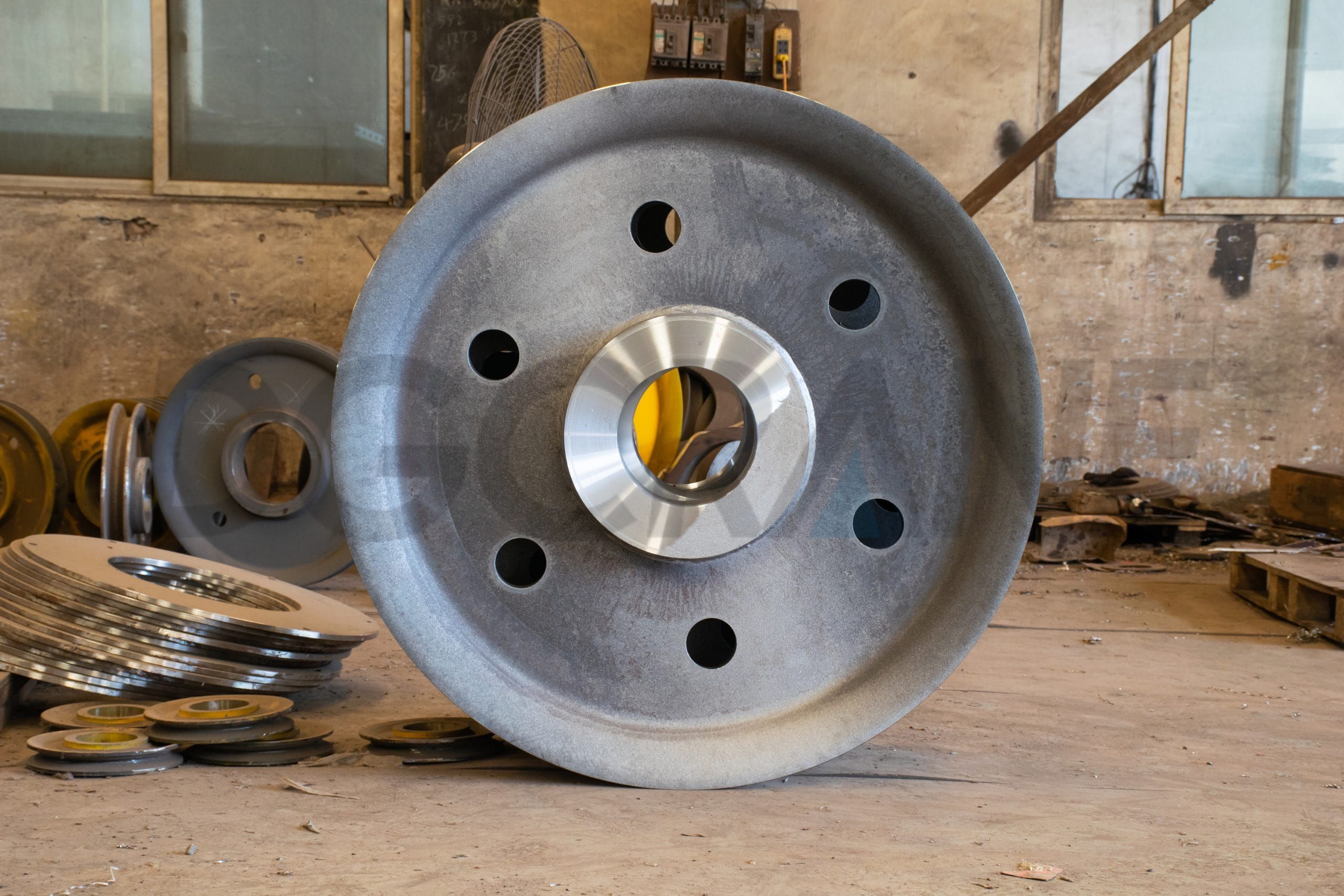
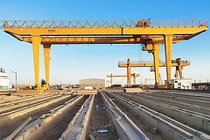
They are made of steel of ZG270-500 and above, which have high comprehensive mechanical properties and typically contain 0.2% to 1.5% carbon, as well as other alloying elements. Therefore, they are ideal for heavy-duty or harsh outdoor conditions, commonly used in double-girder, gantry, and mobile cranes.
Features of Casting Steel Crane Sheaves
- Higher comprehensive mechanical properties: As the carbon content of cast steel is usually between 0.02% and 2.11%, it is stronger, less prone to brittle fracture, and has a certain impact toughness.
- Excellent surface quality: Achieves high dimensional accuracy and surface finish, improving the overall surface quality of the pulley.
- Better Resistance: Steel typically contains elements such as silicon, manganese, phosphorus, and sulfur. Specific alloying elements can be added to further enhance heat resistance and corrosion resistance.
Applications of Casting Steel Crane Sheaves
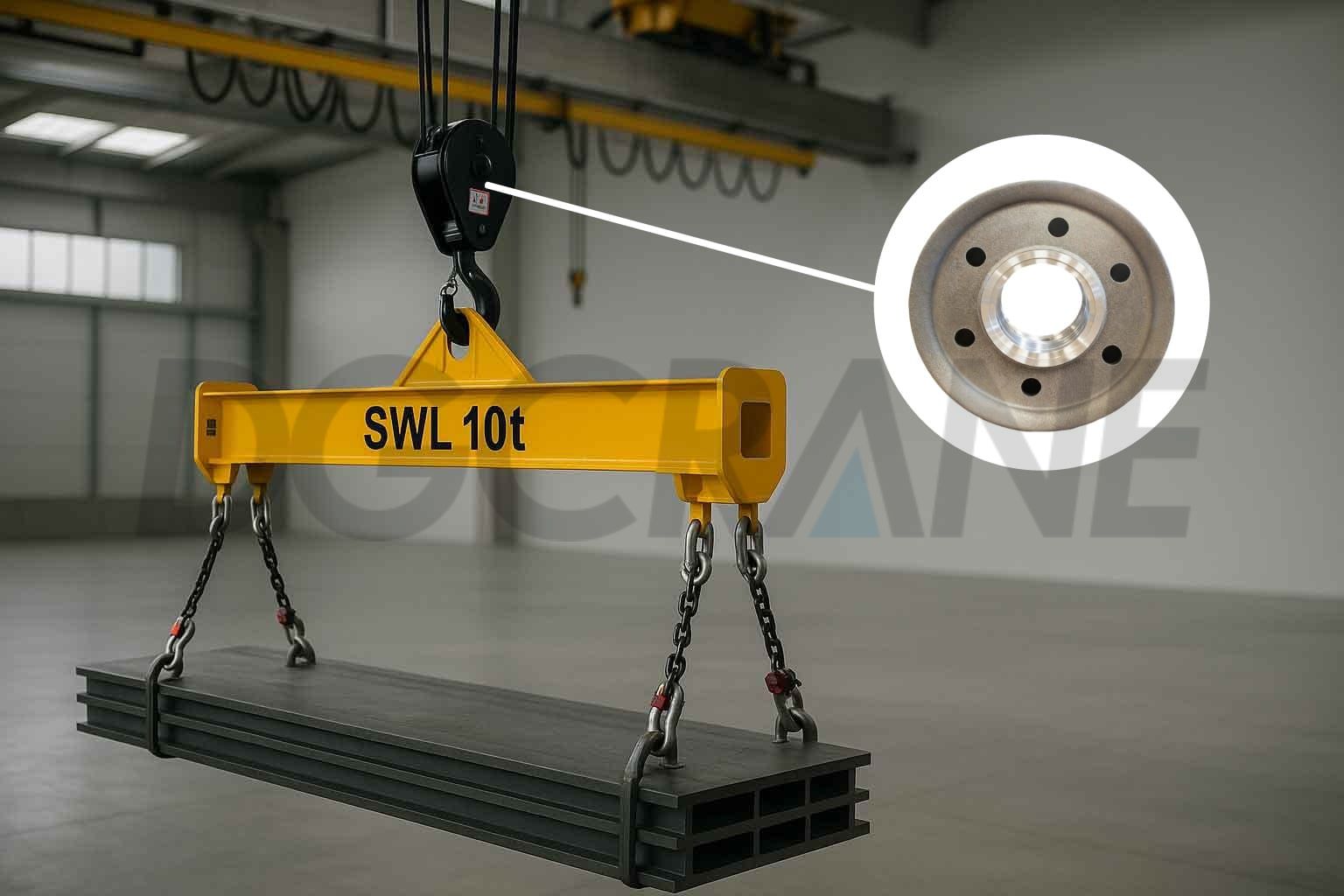
- Due to the higher fit of the rope grooves in casting steel crane sheaves, the wire rope experiences more even stress, reducing the impact generated during lifting by slings such as balance beams.
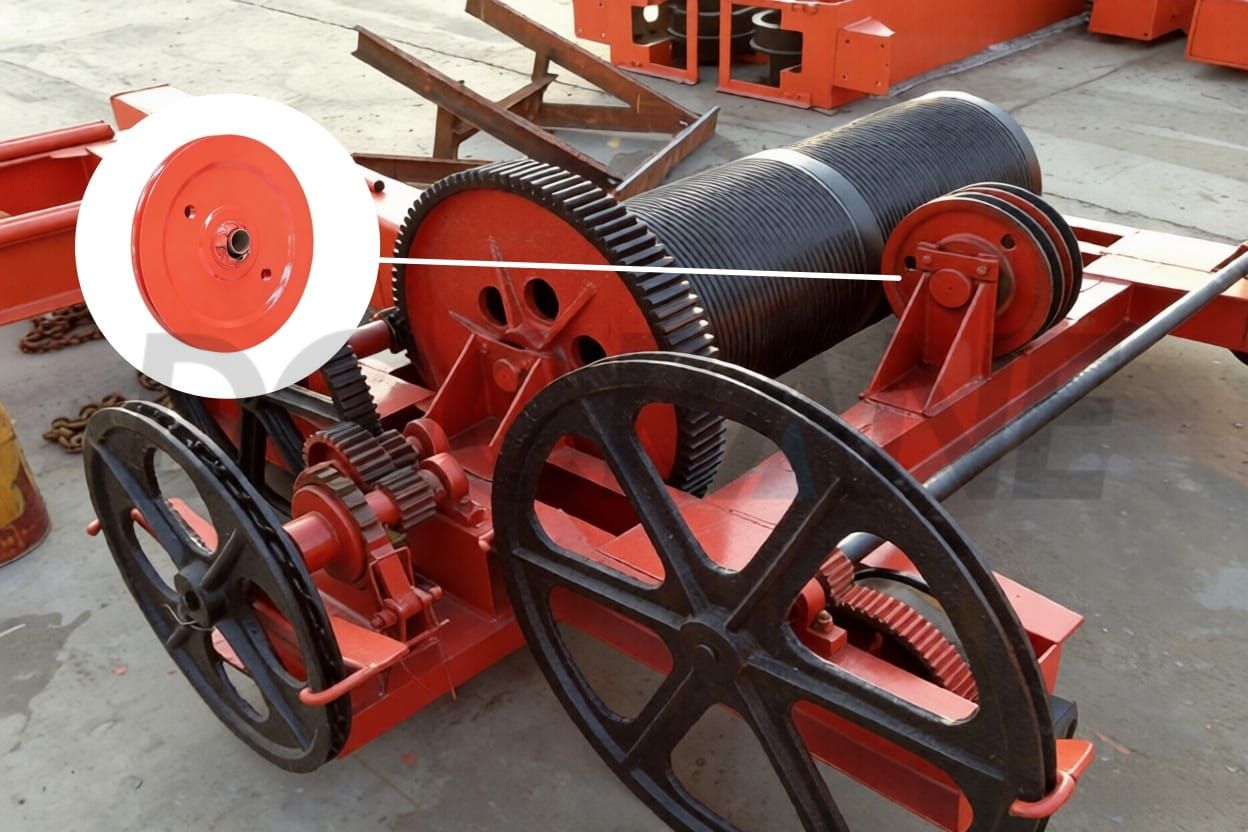
- Casting steel crane sheaves are ideal for low-frequency, small-to-medium tonnage loads lifting operations with longer service life, and are suitable for use in harsh environments.
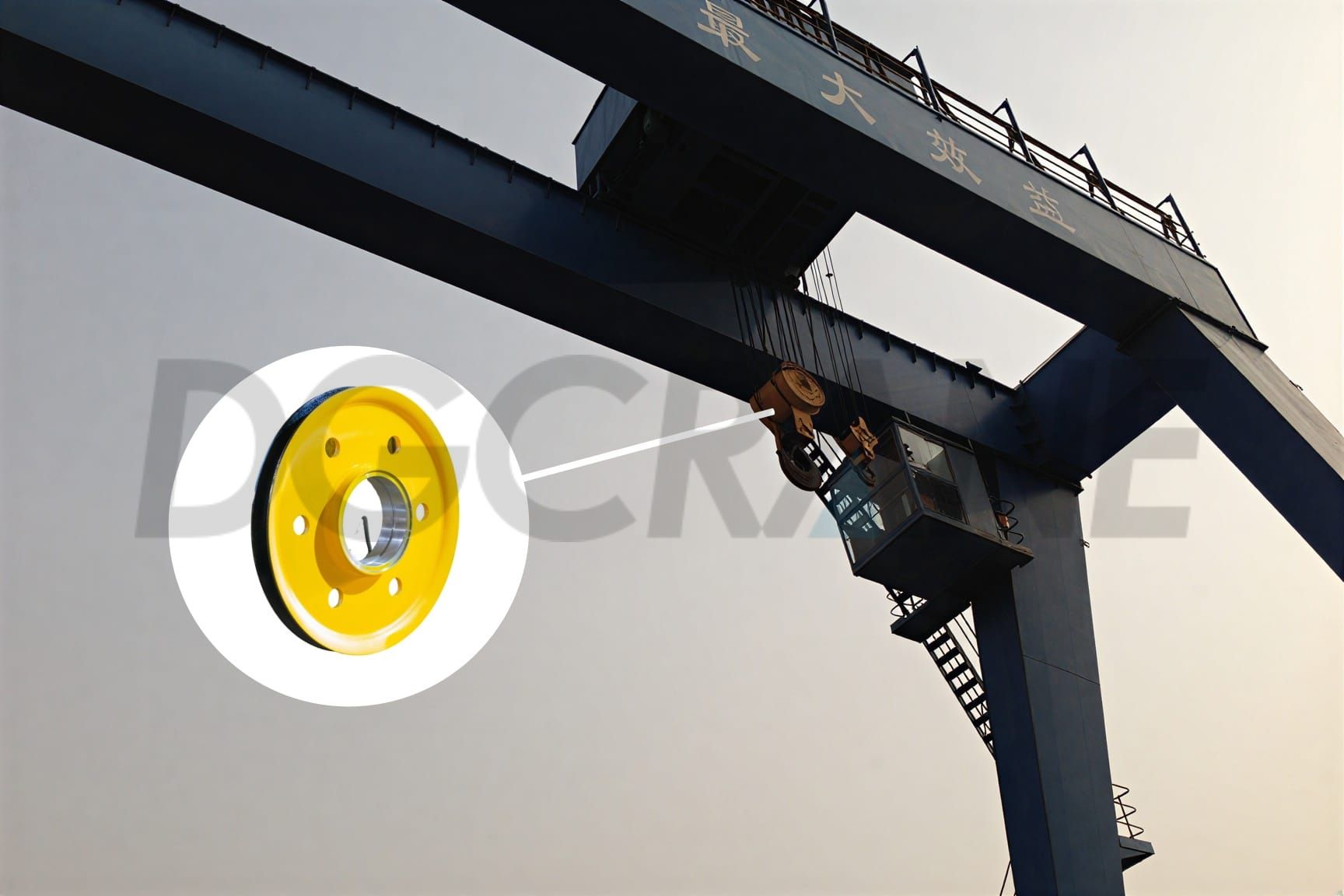
- Casting steel crane sheaves are suitable for heavy-duty working conditions, able to withstand high-intensity impacts, and resistant to corrosion and catalysis even when used outdoors, exhibiting superior weather resistance.
Production Process of Casting Crane Sheaves
Sand casting is the most widely used method in the production of casting crane sheaves, and it is divided into two types: hand-made wooden molds and machine-made metal molds. Compared with hand-made wooden molds, machine-made metal molds produce castings with higher precision, better surface quality, and higher production efficiency, making them more suitable for mass production of small and medium-sized castings. The following is the process flow for the metal mold casting of casting crane sheaves:
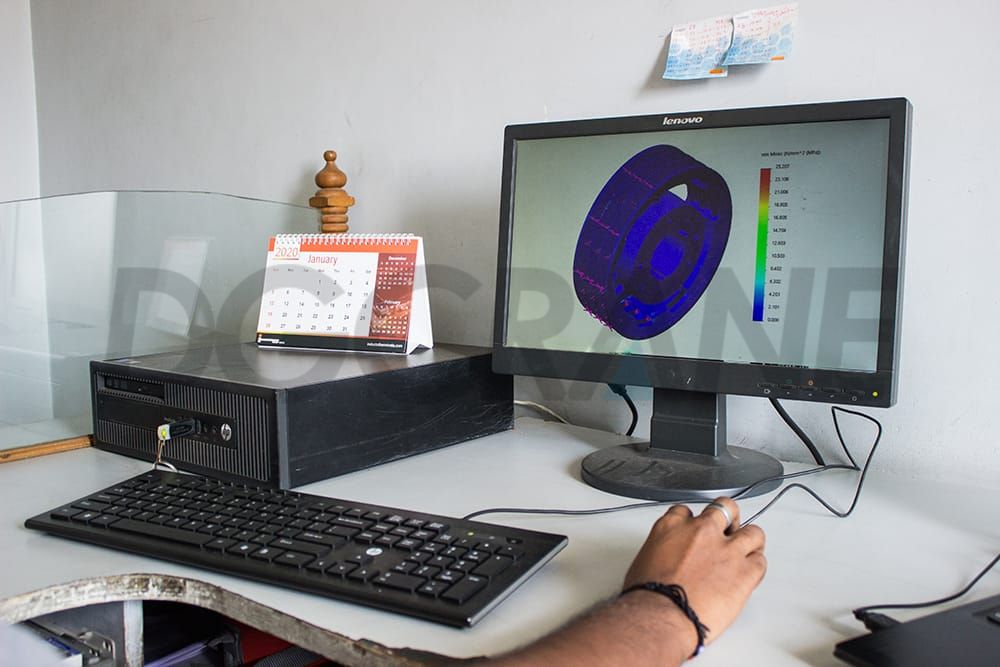
- The structure of the sheave casting is designed to ensure uniform stress and deformation. The wall thickness should be smooth to reduce machining resistance, ensuring a rational and compact structure for the casting.
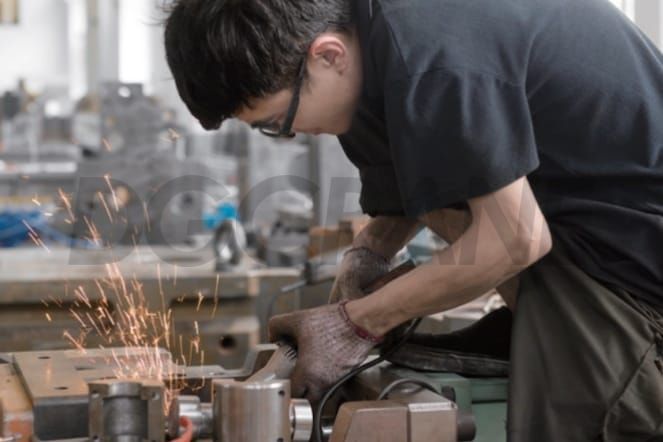
- Metal molds are suitable for mass production of castings, and due to their good mechanical properties, the quality is relatively uniform, and subsequent casting is easy, with controllable processing costs.
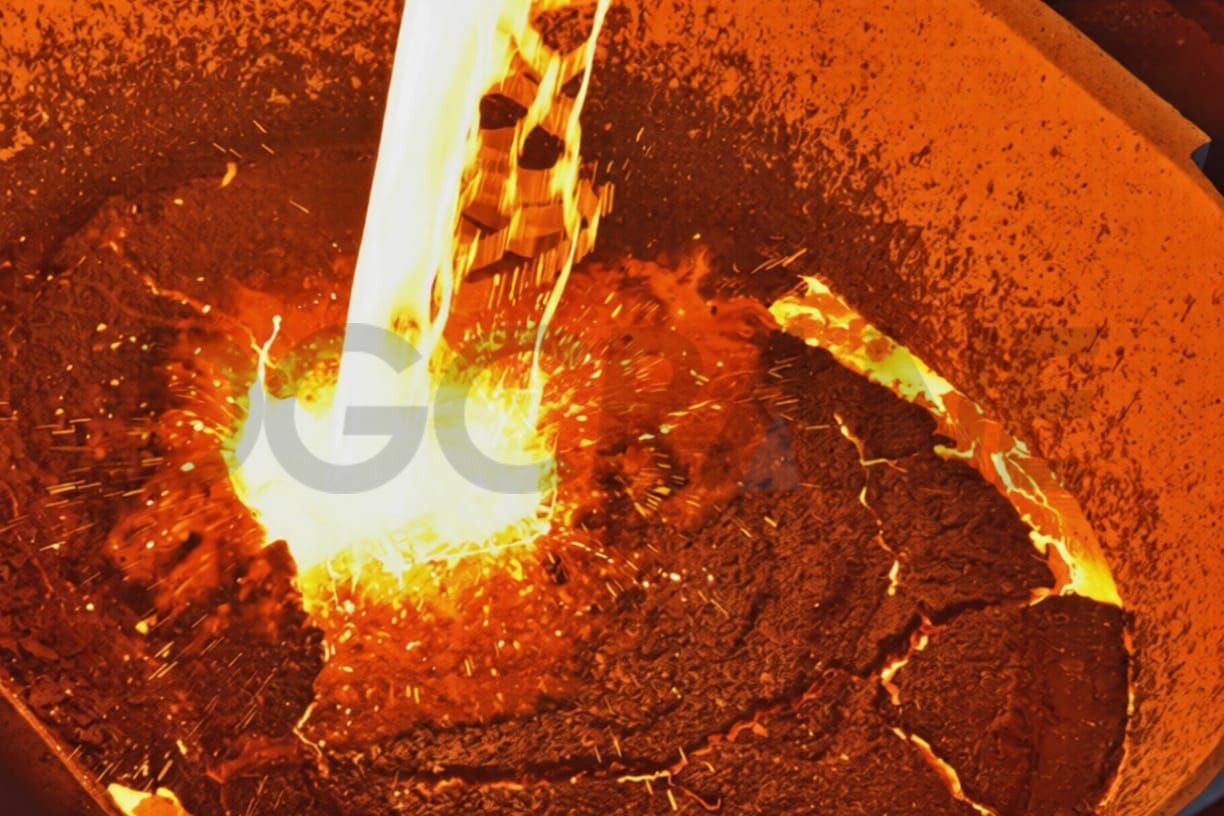
- Using cupola or electric arc furnaces, we reduce gas impurities and strictly control non-metallic inclusions and trace elements, maximizing molten iron purity for stable, reliable casting performance.
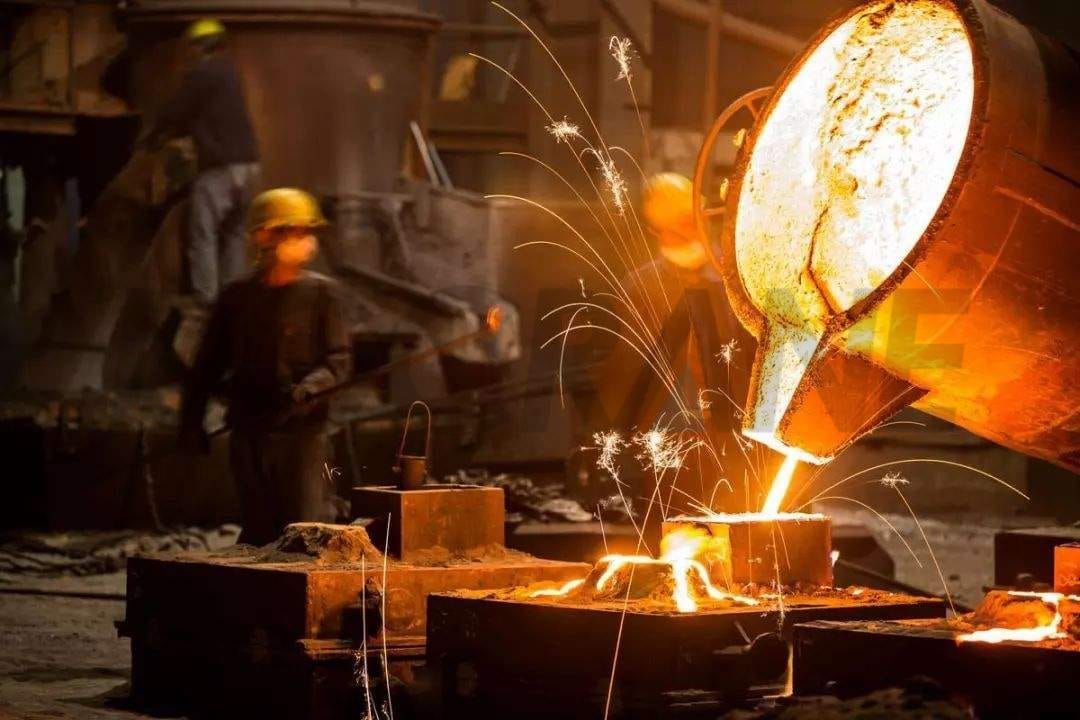
- Molten metal is poured smoothly and evenly into the mold. Controlling temperature and speed reduces shrinkage cavities and porosity, enhancing casting strength and toughness.
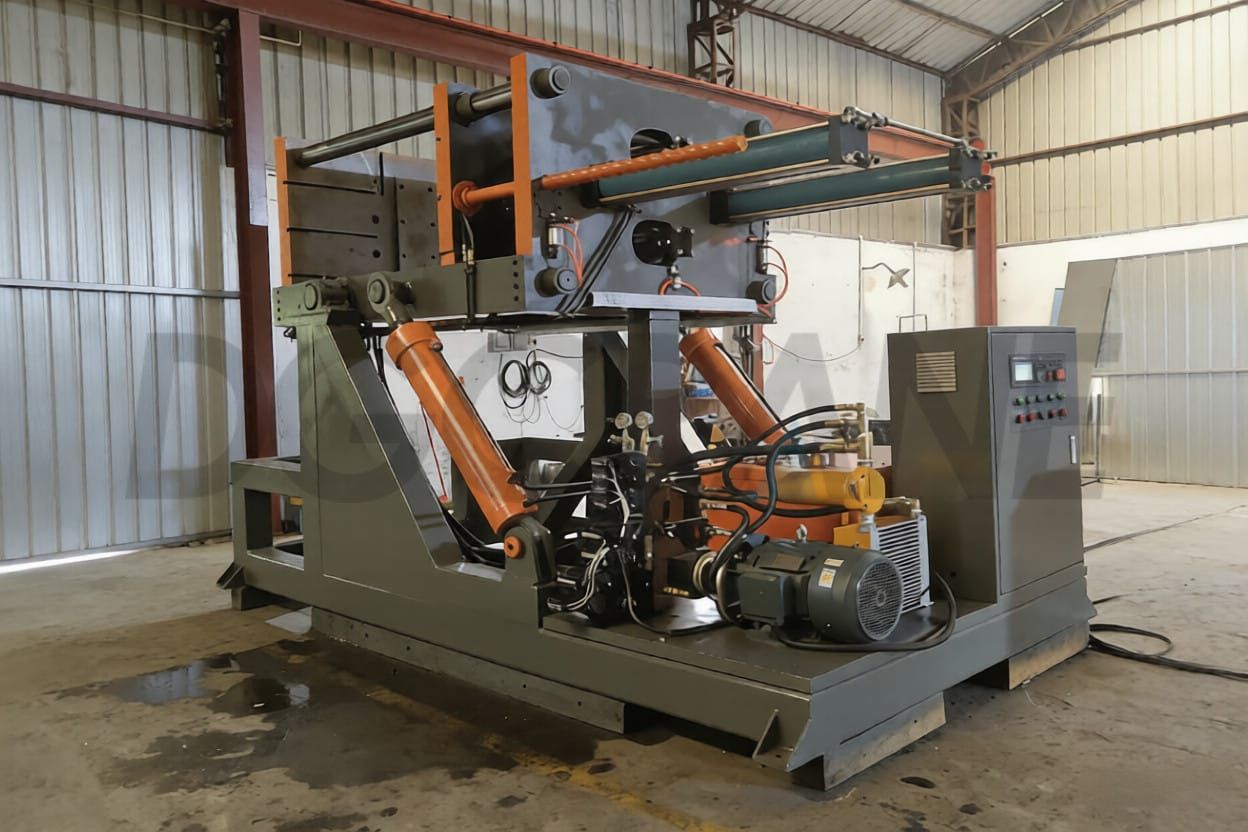
- Cast crane sheaves are thick-walled parts; therefore, it is necessary to delay unmolding and reduce the cooling rate to enhance internal stress and prevent cracking.
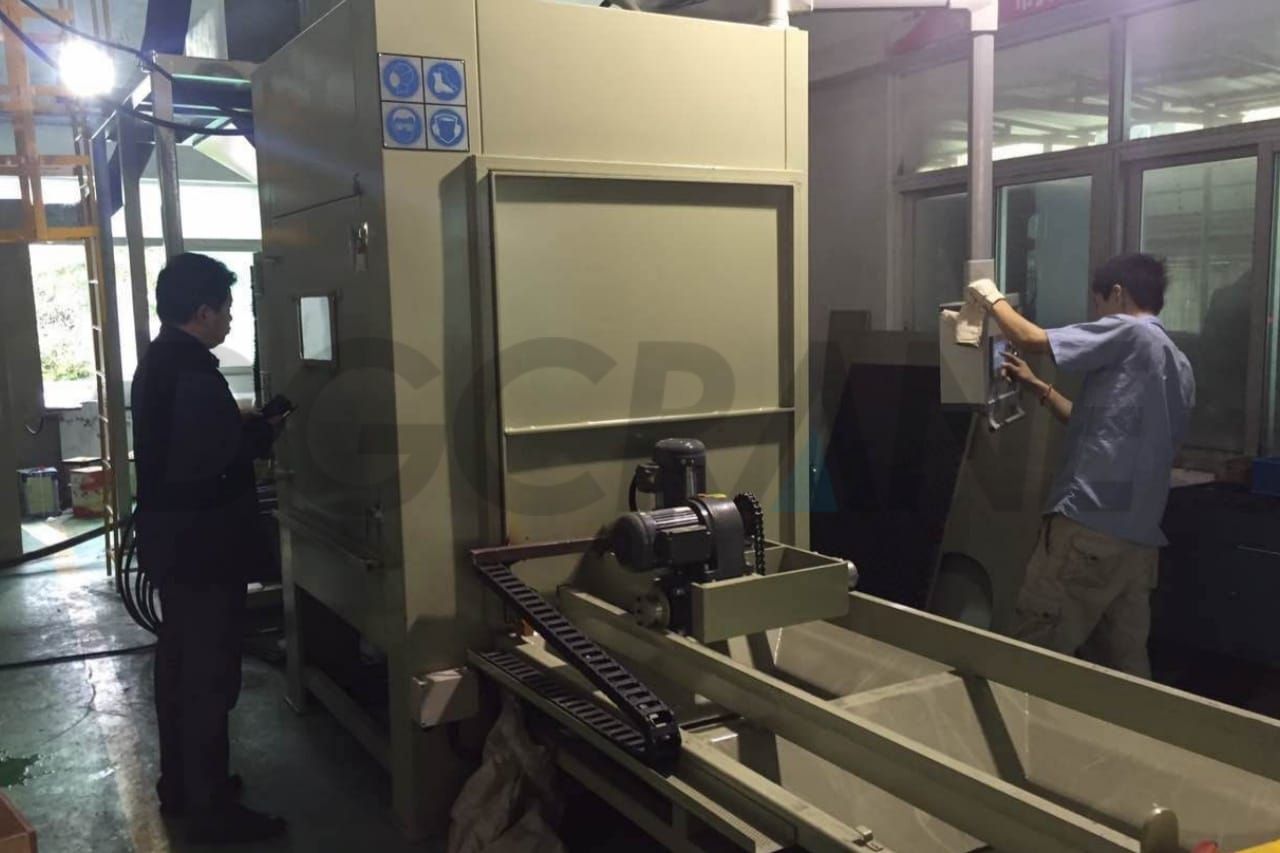
- It can remove casting sand, molding sand, or other residues from the molding process adhering to the surface, ensuring a clean surface, improving the safety and performance of the workpiece, and enhancing its appearance quality.
FAQs
What are the advantages and disadvantages of casting iron and casting steel crane sheaves?
Casting iron sheaves offer higher hardness, lower material and processing costs, but are brittle with weaker tensile strength, wear resistance, and corrosion resistance. They are ideal for light-duty or auxiliary applications. Casting steel sheaves feature superior strength, wear resistance, yield, and tensile strength, and can handle heavier loads, making them suitable for medium and heavy-duty cranes. However, due to lower fluidity and higher density, they are more difficult and time-consuming to machine.
Why are casting steel crane sheaves more expensive than iron ones?
First, cast steel generally uses ZG270-500 or higher-grade material, so the raw material cost is about 30% higher than that of cast steel (HT200/QT450). Second, cast steel has a higher melting temperature and is more difficult to cast. Cast steel also typically requires heat treatment for strengthening, which is generally not done with cast iron. Therefore, the labor and energy costs for cast steel pulleys are higher. Finally, cast steel often requires UT/MT non-destructive testing, while cast iron is mostly inspected visually, resulting in higher testing costs.
Are casting steel crane sheaves more corrosion-resistant than iron ones?
Yes, cast steel is less prone to rust and has stronger corrosion resistance. Cast iron is more prone to rust unless painted or plated. Therefore, casting steel crane sheaves are preferable for use in humid, dusty, or mildly corrosive environments due to their superior overall performance.